

In the landscape of modern consumer marketing, brand collaborations have become the primary currency of relevance. They range from the inspired—bridging the gap between disparate industries to create something genuinely novel—to the cynical, often manifesting as low-effort “cash-ins” that rely solely on logo slapping. However, the newly announced partnership between the global snack powerhouse Oreo and the world’s most influential pop group, BTS, represents a seismic shift in how multinational brands engage with hyper-engaged, digitally native fandoms.
This is not merely a cosmetic update to a classic cookie; it is a meticulously crafted, two-year project designed to infiltrate 80 global markets, positioning itself as perhaps the most significant short-term brand collaboration of the decade.
The Genesis of a Global Crossover
The collaboration, which has been in development for over 24 months, represents a departure from traditional limited-edition product cycles. Unlike many celebrity-endorsed campaigns that focus on a specific region, Oreo has taken a calculated risk to scale this project globally.
Logistics, supply chain complexities, and local licensing laws are the traditional hurdles that keep most collaborations localized. Oreo, however, has bypassed these by utilizing its massive international distribution network to ensure that the BTS-branded cookies hit shelves across 80 countries. This marks a massive escalation from previous celebrity-led initiatives, such as the company’s collaboration with Selena Gomez, which remained largely confined to the Americas. By choosing a partner with the reach of BTS, Oreo is effectively attempting to mirror the global ubiquity of brands like Nike or the long-standing cultural impact of McDonald’s collaborative marketing strategies.
Chronology: From Concept to Consumer
The road to the "Oreo x BTS" rollout has been one of rigorous product development and cultural curation.
- 2022: Initial discussions between the Oreo design team and the management of BTS (HYBE) began. The objective was clear: avoid the pitfalls of a superficial collaboration.
- Late 2022 – 2023: The teams engaged in a deep-dive process, testing three distinct potential flavors inspired by Korean culinary traditions. The goal was to find a bridge between authentic Korean street food and the palatability requirements of a global mass market.
- Early 2024: Finalization of the "Hot-teok" (brown sugar pancake) flavor profile.
- June 1, 2024: The commencement of the pre-sale phase via the official Oreo website.
- June 8, 2024: The wide retail rollout begins, with a price point set at $5.49 per package.
The Culinary Logic: Why "Hotteok"?
The decision to center the product around hotteok—a beloved South Korean street-food pancake traditionally filled with brown sugar, honey, and cinnamon—is a masterclass in brand storytelling. While some skeptics might question how distinct a "brown sugar" Oreo can taste from the original, the choice is less about taste profiles and more about cultural signaling.
By selecting a flavor rooted in 19th-century Korean history, Oreo is providing its global audience with an accessible, bite-sized introduction to Korean culture. As BTS member J-Hope noted in a press release, "It really has that flavor, so it’s fascinating." This legitimizes the product, moving it away from being a mere merchandise item and into the realm of an "experience" that honors the band’s heritage.
The Design Aesthetic: More Than Just Packaging
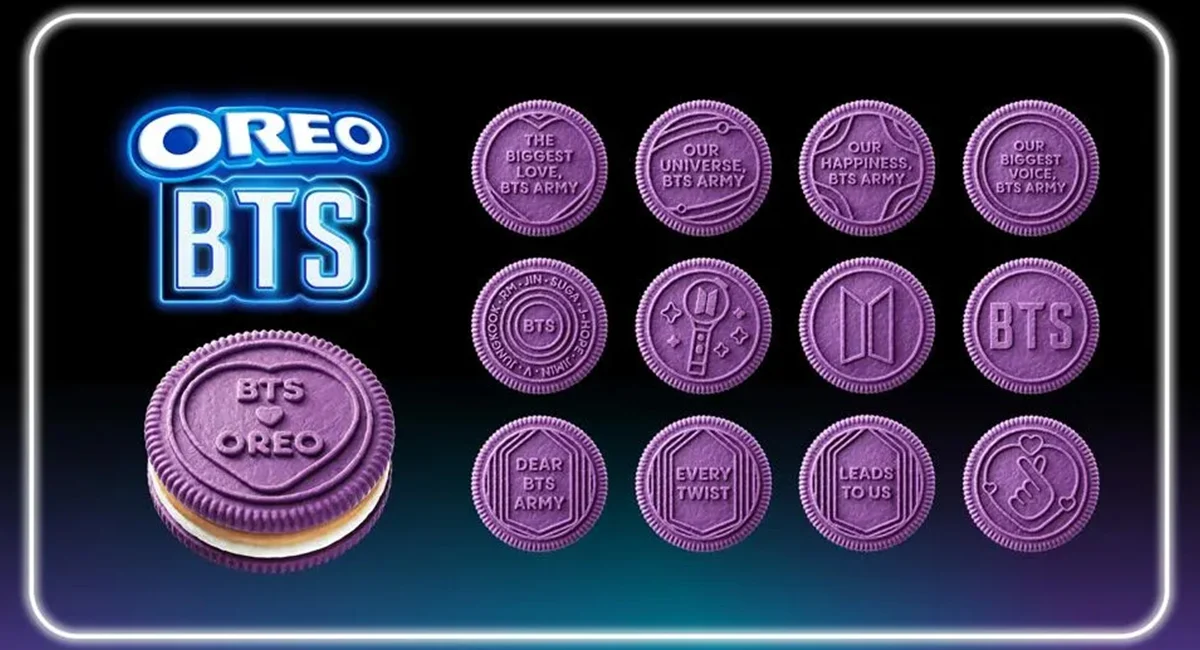
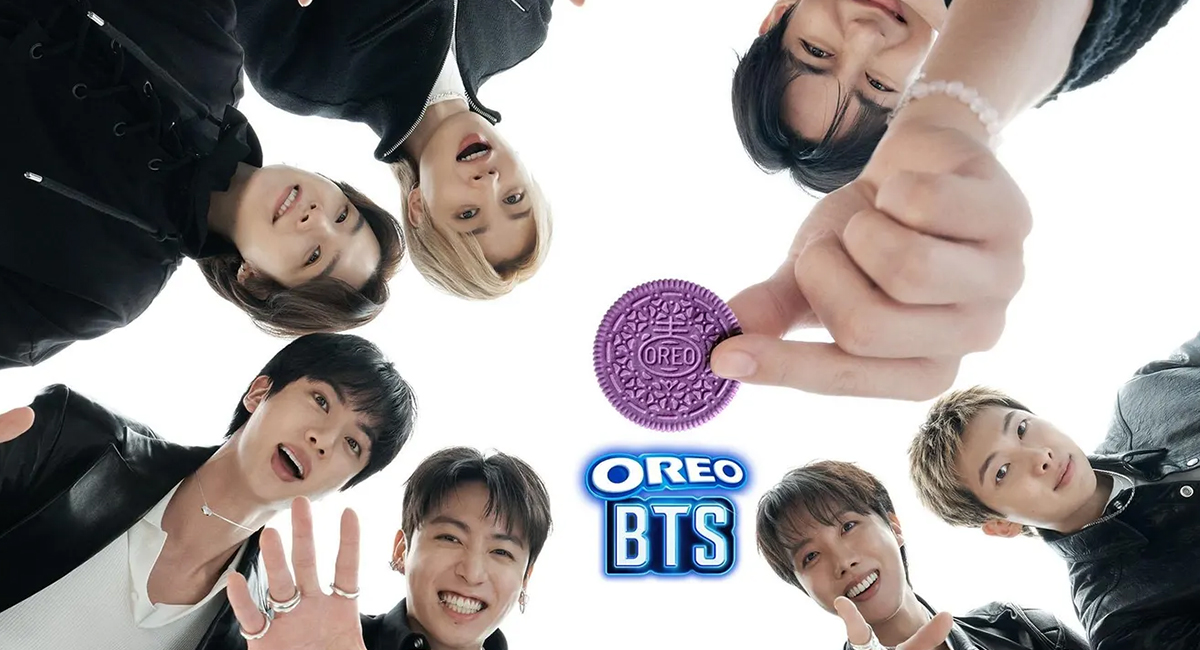
Visual identity is where the collaboration truly separates itself from standard industry practices. The cookies are instantly recognizable, featuring a striking purple hue—the official brand color of the BTS fandom, "ARMY"—and an intricate set of 13 unique embossings.
These designs are not random; they serve as a scavenger hunt for the most dedicated fans. Among the 13 designs are members’ names, the iconic BTS light stick (the "ARMY Bomb"), and a series of three specific cookies that, when collected, form a hidden, coded message. This gamification strategy encourages repeat purchases, transforming a simple snack into a collectible item, which is a key pillar of the K-pop industry’s business model.
Official Responses and the "Authenticity" Factor
One of the most persistent issues with celebrity brand deals is the lack of genuine connection between the star and the product. However, the narrative provided by the members of BTS paints a different picture.
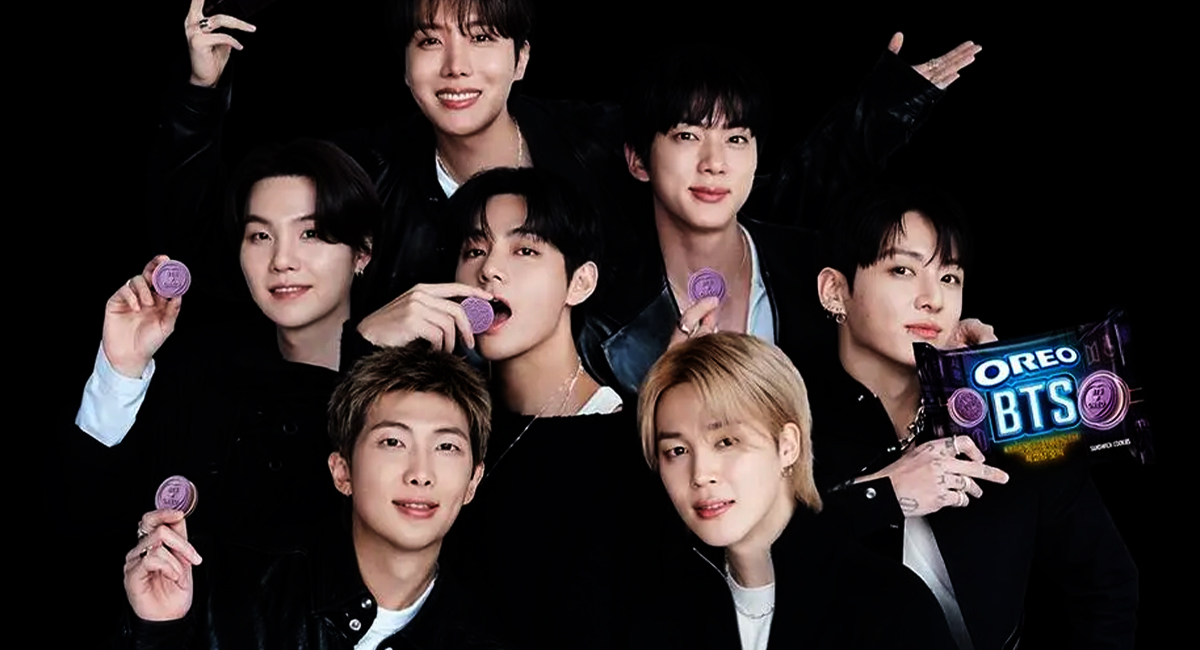
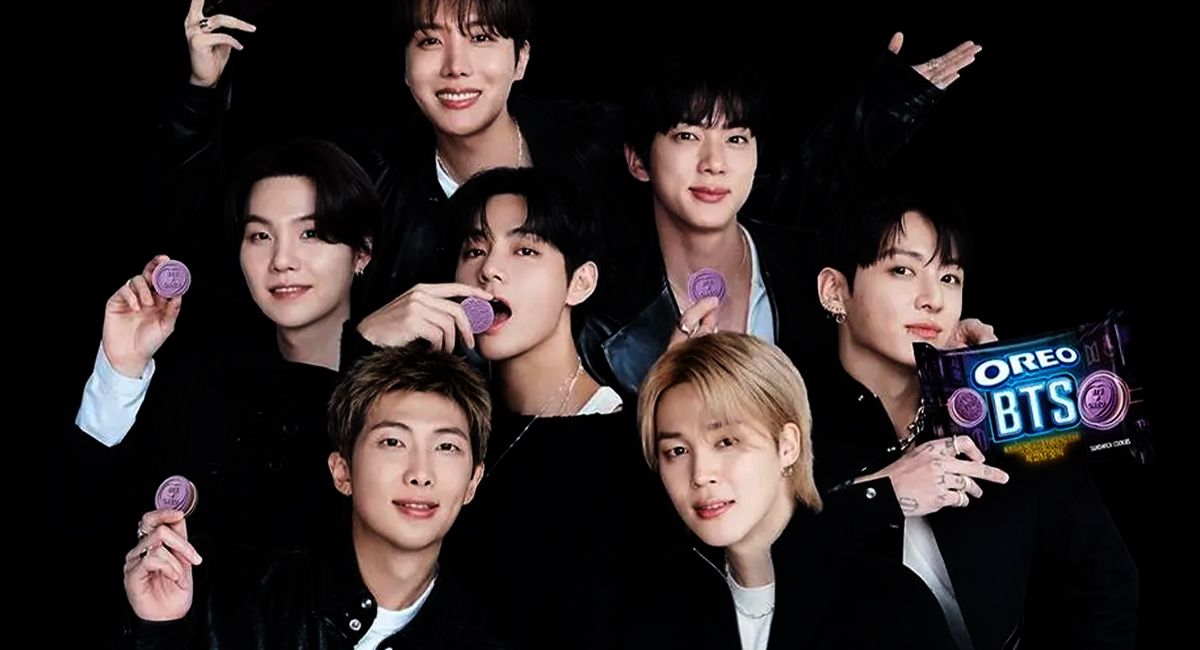
"We ate them as kids, we eat them in the studio, and now Oreo is helping us share a taste of home with the world," the band stated in their joint response. BTS leader RM reinforced this, citing the band’s recording sessions for their comeback album, Arirang. "We ate quite a lot during this song camp. When we were working in the studio, there would be Oreos next to us. It’s also a snack we’ve eaten since we were young."
This emphasis on "studio snacking" humanizes the band and aligns the product with the creative process, a narrative device that resonates deeply with a fan base that views the members as relatable individuals rather than untouchable pop idols.
Implications for Global Branding
The success of this collaboration will likely serve as a blueprint for future cross-cultural marketing. The implications for the industry are three-fold:
1. The Power of the "Fandom Economy"
Brands are beginning to realize that they are no longer just selling to customers; they are selling to communities. The "ARMY" is not just a demographic; it is an organized, international network with the power to move markets. When FIFA sought to elevate the profile of the World Cup, they too turned to BTS. This signals that in the modern era, cultural influence is a more valuable currency than traditional advertising spend.
2. Scaling the "Limited Edition"
Oreo has demonstrated that "limited edition" does not have to mean "exclusive." By producing the product for 80 markets, they have maximized the reach of the campaign, ensuring that no fan, regardless of their geography, feels alienated. This shift toward mass-market global scarcity is a difficult balance, but if successful, it will set a new standard for multinational FMCG (Fast-Moving Consumer Goods) companies.
3. The End of the "Cash-In" Era
Consumers are increasingly savvy. As evidenced by the mixed reception of the McDonald’s x Nike Book 2 collaboration—which many viewed as a forced, non-organic pairing—the public can smell a lack of authenticity. By spending two years in development and focusing on flavor profiles that actually represent the cultural identity of the collaborators, Oreo has raised the bar for what is expected from a celebrity partnership.
Conclusion: A New Standard for Collaboration
The Oreo x BTS collaboration is more than just a snack; it is a calculated, well-executed alignment of two of the world’s most powerful entities. By balancing the scale of a global supply chain with the intimate, detail-oriented design favored by K-pop fandom, Oreo has successfully navigated the complexities of modern branding.
As we look toward the future of retail, the success of this project will likely encourage other brands to move away from quick, superficial deals and toward longer-term, more culturally integrated partnerships. For now, the "ARMY" is waiting, the cookies are hitting the shelves, and the rest of the marketing world is watching to see if this "match made in heaven" lives up to the hype. If the response to the pre-sale is any indication, Oreo has not only created a new product; they have successfully captured a cultural moment that will be studied by marketing professionals for years to come.










No comments yet. Be the first to join the conversation!