Nana
Nana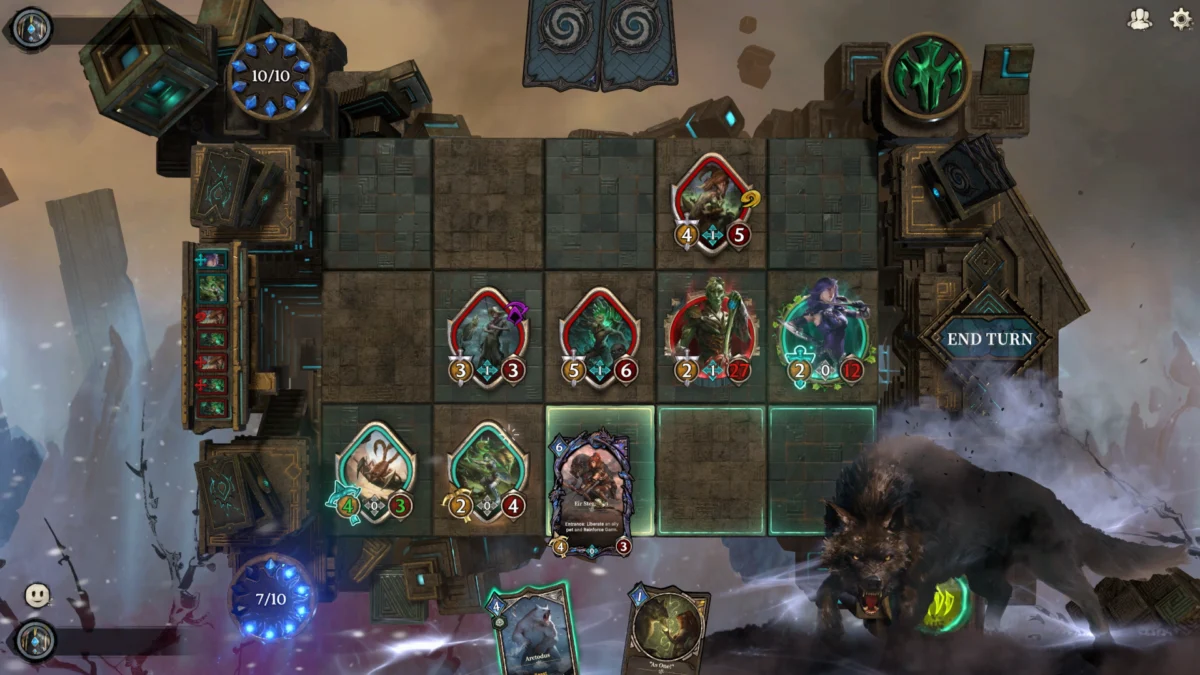
The Guild Wars franchise, a titan of the MMORPG genre that has defined the landscape of online cooperative play for nearly two decades, is poised for a significant structural evolution. Following the recent and highly anticipated announcement of Guild Wars 3, publisher NCSoft and developer ArenaNet have unveiled an ambitious pivot that takes the beloved world of Tyria into an entirely new genre: the collectible card game (CCG). Titled Mistbound, this upcoming title is set to challenge the current hegemony of digital card games by introducing a radical “dynamic movement” system that promises to redefine how players engage with strategic tabletop-inspired combat.
Developed by NCSoft in collaboration with ArenaNet and the Chinese digital giant Bilibili, Mistbound represents a bridge between the deep, theory-crafting roots of the original Guild Wars and the fast-paced, tactile nature of modern competitive gaming.
The Genesis of Mistbound: Returning to the Roots
To understand Mistbound, one must first look at the DNA of the Guild Wars series. When the original game launched in 2005, it distinguished itself from contemporaries like World of Warcraft by prioritizing build diversity and strategic synergy, concepts heavily inspired by traditional tabletop games like Magic: The Gathering.
ArenaNet studio head Colin Johanson has framed Mistbound as a spiritual homecoming. "We felt it was time to give Guild Wars fans a new way to play together, inspired by the card game roots of the franchise," Johanson stated during the reveal. By distilling the essence of Tyria—its iconic creatures, legendary heroes, and ambient soundscapes—into a competitive CCG, ArenaNet hopes to capture the same sense of tactical satisfaction that players experienced when crafting their perfect secondary-profession builds two decades ago.
A Tactical Shift: Dynamic Movement Gameplay
The most significant departure from traditional CCG mechanics—such as those found in Hearthstone or Magic: The Gathering Arena—is Mistbound’s departure from the static "lane" or "board" philosophy.
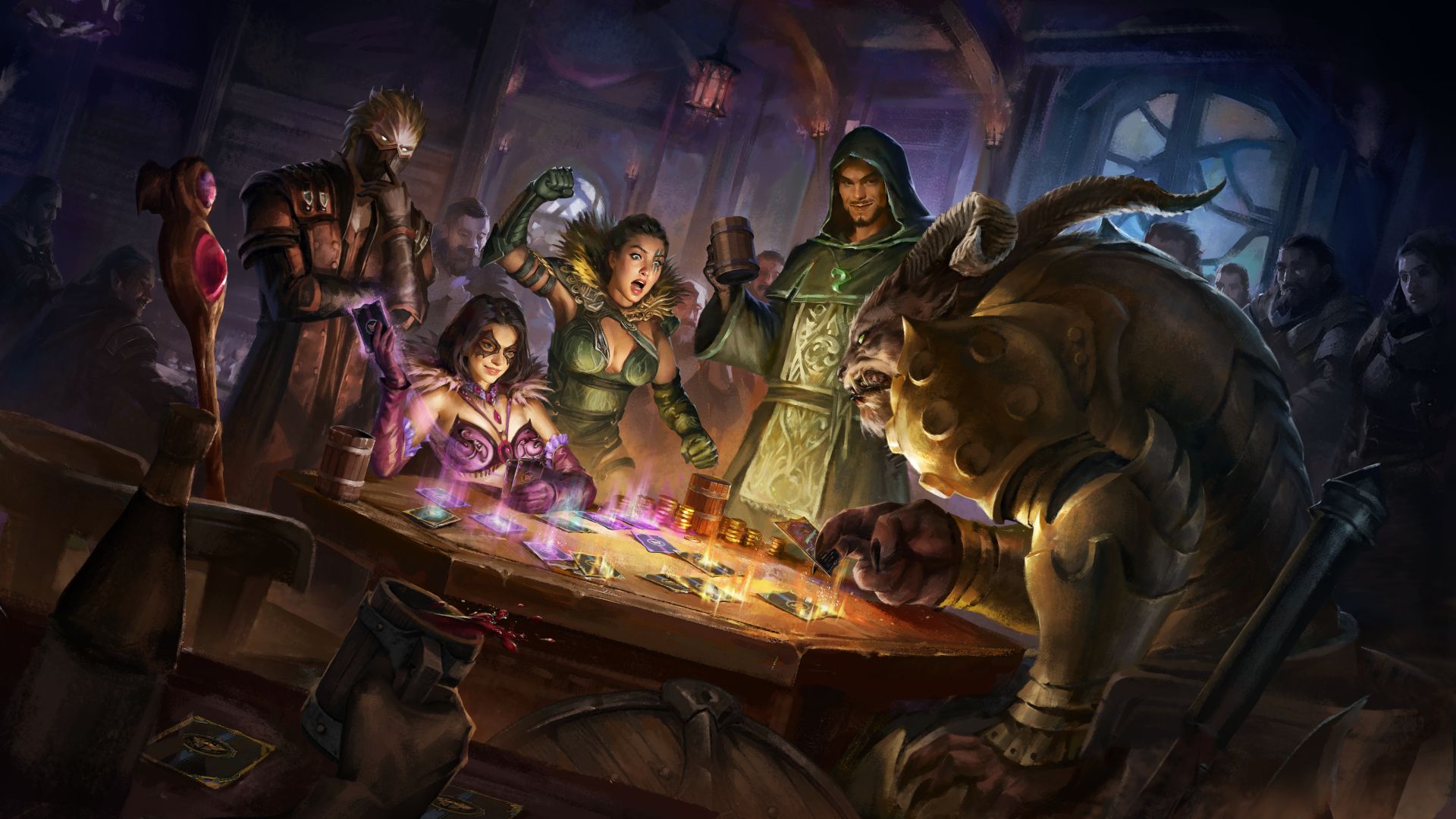
In most card games, once a unit is placed, it stays in its relative position, acting as a wall or a turret. Mistbound disrupts this by utilizing a 5×3 tactical grid. This spatial dimension allows units and commanders to reposition turn-by-turn. This is what developers refer to as "dynamic movement gameplay."
Why Complexity on the Board Matters
Mistbound producer Hwang Sunwoo explained that the design philosophy behind this grid system was a reaction to the "card bloat" that plagues many digital CCGs. "One challenge with pursuing deep strategic combinations in card games is that the cards themselves can easily become overly complex," Sunwoo noted. "Rather than placing that complexity on individual cards, we wanted to express it through the battlefield."
By shifting the burden of complexity from text-heavy card descriptions to the spatial environment, Mistbound aims to be more intuitive for new players while offering a higher skill ceiling for veterans. Players must account for mechanics such as:
- Knockbacks and Pulls: Forcing enemy units out of optimal defensive positioning.
- Flanking: Gaining damage bonuses by controlling the periphery of the grid.
- Commander Synergy: Deploying major Guild Wars lore figures who act as "Hero" units, granting passive buffs or game-changing abilities based on their position on the board.
Chronology of Development and Collaborative Efforts
The development of Mistbound is an unconventional international effort. While ArenaNet provides the creative oversight and the lore of Tyria, the technical development is being handled by NCSoft. Crucially, the inclusion of Bilibili—a powerhouse in the Chinese gaming market—suggests a strategic push to penetrate the Asian market, where tactical card games and mobile-integrated competitive titles command massive player bases.
The collaboration has been marked by a focus on "direct, high-quality player input." Since the announcement, the developers have emphasized that they are building the game with a feedback loop that involves the community early in the design process. This is a common practice for titles that intend to foster a sustainable, long-term ecosystem.
The Competitive Implication: The Road to Esports
While it is still early in the development cycle, the structure of Mistbound—a grid-based, movement-heavy tactical game—feels tailor-made for the esports arena. Much like the transition from casual board games to the professional Auto Chess or Hearthstone scenes, Mistbound appears to be positioning itself as a "spectator-first" experience.
By making combat movement visible and reactive, the game becomes significantly easier for an audience to follow than a traditional, text-dense CCG. If a player pulls off a game-winning flank or a tactical knockback that clears a lane, the audience sees the physical shift on the board, creating a clear narrative of "outplaying" the opponent that is vital for broadcast viability.
Sound and Vision: Bringing Tyria to Life
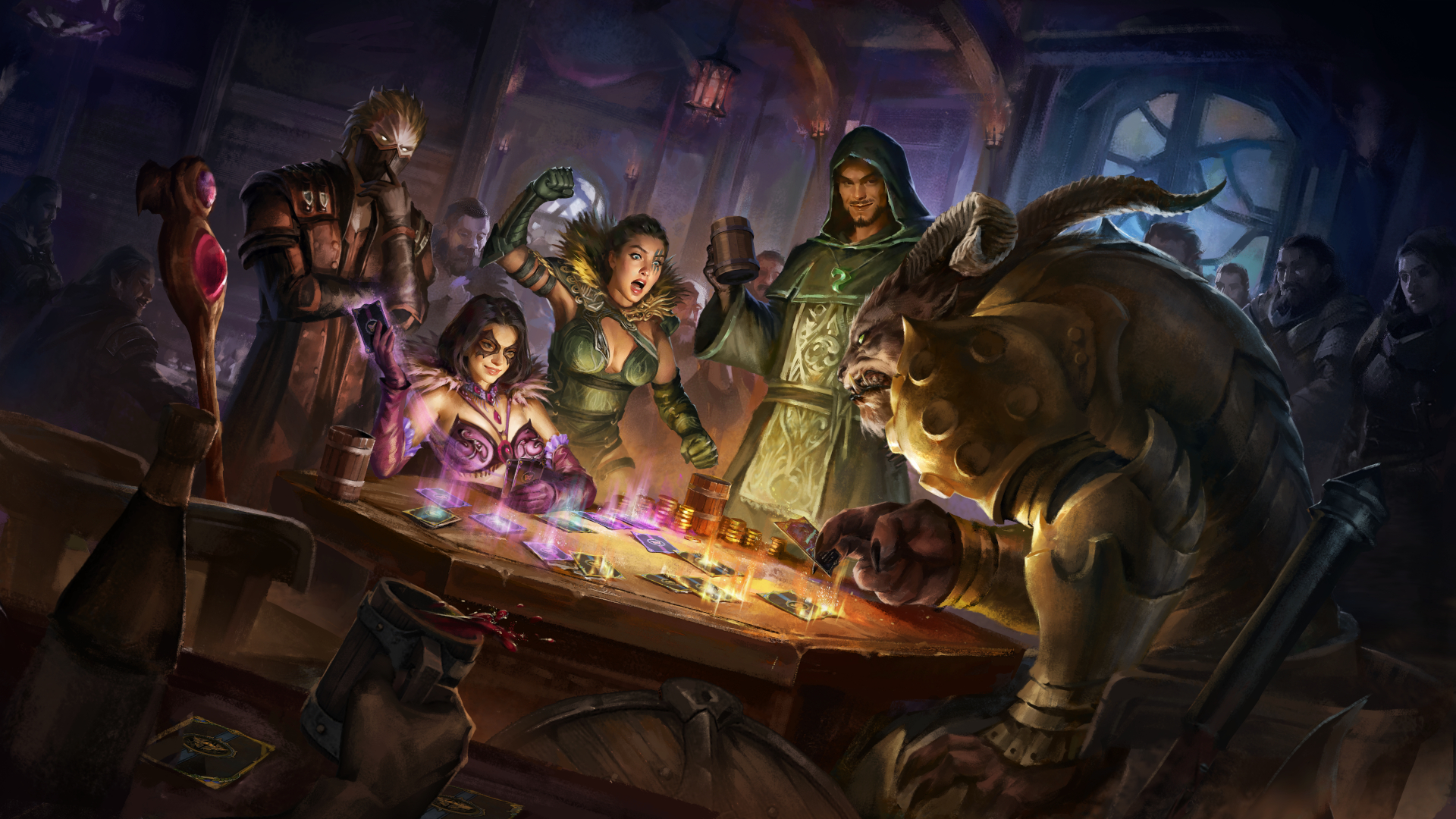
ArenaNet is known for its high production values, and Mistbound is not being treated as a secondary side project. The game will feature a soundtrack composed by the original Guild Wars musical team, ensuring that the auditory identity of the game matches the grand, sweeping scores that players recognize from the MMOs. Furthermore, the inclusion of voice performances for "Guild Wars regulars" suggests that the game will lean heavily into the emotional weight of the franchise’s history.
Challenges and Future Outlook
Despite the excitement, Mistbound faces a daunting market. The digital card game space is notoriously difficult to break into. Titles like Gwent, Artifact, and The Elder Scrolls: Legends have all struggled to maintain the necessary player density to survive long-term against the dominance of Hearthstone and Magic: The Gathering Arena.
However, Mistbound has two distinct advantages:
- Brand Loyalty: A massive, multi-generational Guild Wars fanbase that is already emotionally invested in the world of Tyria.
- Unique Mechanics: The 5×3 grid movement system provides a tangible hook that differentiates it from the "face-to-face" combat style of its competitors.
Timeline Expectations
As of now, there is no definitive release date. Industry analysts, noting the scope of the project and the integration with the broader Guild Wars 3 marketing push, suggest that a 2027 window is the most probable. This gives the development team time to refine the balance of their grid-based mechanics and ensure that the "dynamic movement" doesn’t lead to board stalemates—a common pitfall in tactical strategy games.
Conclusion
Mistbound represents a bold, calculated risk. By taking the strategic soul of the Guild Wars franchise and placing it on a 5×3 tactical grid, NCSoft and ArenaNet are attempting to strip away the clutter of the modern CCG and return to the visceral, competitive thrill of tactical placement. Whether or not it can successfully transition from a beloved MMO IP into a standalone card game giant remains to be seen, but the intent is clear: Mistbound is not just a card game—it is a new way to wage war in the Mists. As we look toward the horizon of 2027, the success of this title may well determine how established MMO franchises handle their expansion into smaller, more focused competitive genres in the coming decade.

 Asro
Asro
 Muslim