

By Jesse Whittock
It has been a sweltering week in London, but the temperature within the television industry is rising for reasons far more volatile than the weather. As we gear up for the highly anticipated Deadline Reality TV Summit at SXSW London this June 2, the industry finds itself at a critical juncture. The veneer of "unscripted" entertainment is being stripped away, revealing deep-seated systemic issues that threaten the future of some of the world’s most successful franchises.
The Widening Scandal: From ‘MAFS’ to the Reality Industry at Large
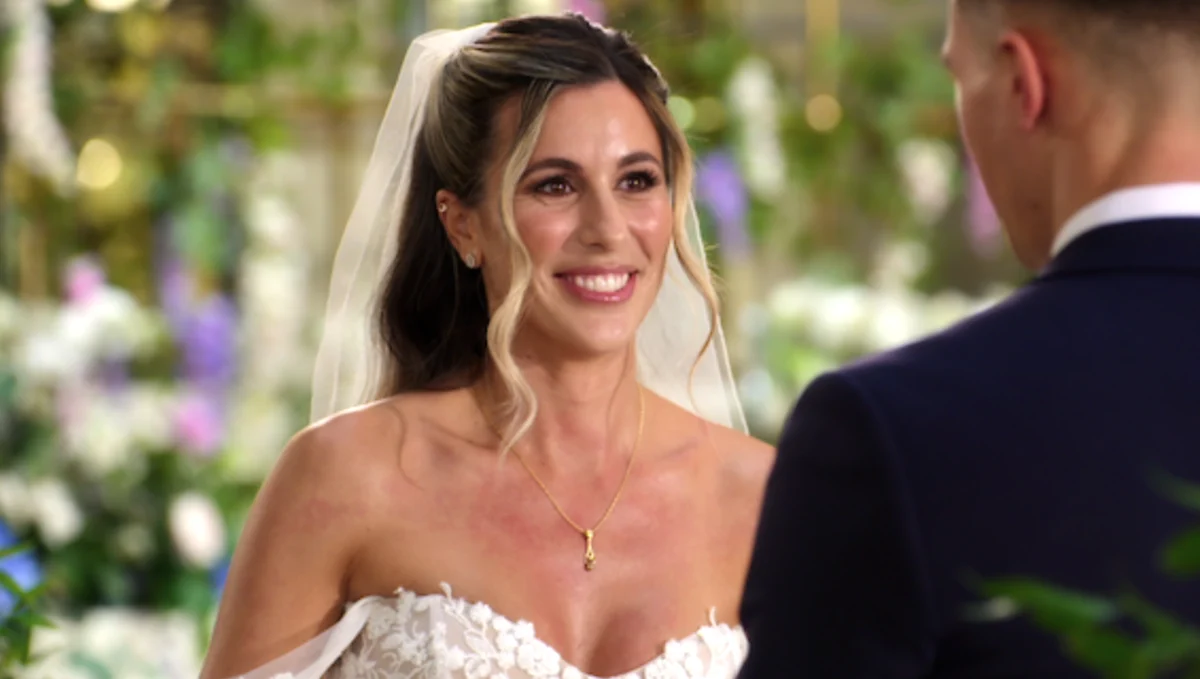
It has been nearly two weeks since BBC News brought to light harrowing allegations of sexual misconduct and abuse on the set of Married At First Sight (MAFS) UK. Rather than fading into the background, the scandal has acted as a catalyst, triggering a wider, necessary examination of duty-of-care protocols across the unscripted sector.

Channel 4, the broadcaster behind the UK version of the show, is currently navigating two separate, high-level external reviews. Simultaneously, police are actively encouraging former participants and staff to come forward. The gravity of these developments cannot be overstated. When a show built on the premise of "authenticity" and "human connection" is accused of failing the very humans it profits from, the foundational contract between the producer, the broadcaster, and the participant is broken.
A Systemic Welfare Crisis
The scrutiny has now extended beyond the MAFS orbit. Deadline recently uncovered disturbing complaints regarding welfare standards on another major UK reality franchise, Love is Blind, which shares the same production house—CPL Productions.
In a stark testimony, a Season 1 contestant, Catherine Richards, told Deadline: "We’re puppets to them. They say there is welfare, but it’s not welfare." The core of her grievance, and that of many others, is the perceived lack of independence for on-set welfare staff. When welfare officers are effectively managed by the same production teams tasked with generating "drama," a conflict of interest becomes inevitable. The industry’s relentless thirst for villainy and high-stakes conflict, it seems, has been systematically prioritized over the mental and physical safety of the cast.

The ‘Silence Gap’: Culture Behind the Camera
The crisis is not confined to the treatment of contestants. Behind the camera, the environment is reportedly just as fraught. BBC News has documented accounts from crew members describing a "toxic" culture on MAFS sets—a claim CPL Productions has strongly denied.
Adding weight to these accounts, exclusive research from the Talent Trust has identified a "silence gap" within the industry. This research highlights a pervasive fear of reprisal that prevents staff from reporting mistreatment. In an industry built on freelance labor and short-term contracts, the risk of being blacklisted for speaking out is a powerful deterrent. This structural imbalance ensures that poor practices remain unchecked, creating a feedback loop of systemic failure.
Pope Leo XIV and the Global AI Moral Dilemma
As the reality TV world faces its own moral reckoning, the broader creative community is grappling with the meteoric rise of Artificial Intelligence. In a move that has sent ripples through the global tech and entertainment sectors, Pope Leo XIV issued a profound warning in his latest encyclical, Magnifica Humanitas (Magnificent Humanity).

The Pontiff argued that AI, if left in the hands of a few, threatens to "normalize an anti-human view." His message was a direct challenge to the tech giants currently leading the rapid deployment of AI tools. "Even a more moral AI is not enough if that morality is determined by a few," the Pope stated.
The Human Element in Creativity
The Vatican’s stance is finding resonance in Hollywood. Steven Spielberg, often regarded as the industry’s moral compass, recently weighed in on the debate. While he is currently "withholding judgment" on the utility of AI, he was clear on one point: he is "not willing to substitute" an AI tool for a creative role traditionally filled by a human. As his latest project, Disclosure Day, continues to garner rave reviews, it serves as a reminder that audiences still crave the nuance and emotional depth that only a human creator can provide.
Deadline’s Reality TV Summit: A Forum for Change
Against this backdrop of industry-wide disruption, the first-ever Deadline Reality TV Summit outside of the U.S. arrives at a crucial moment. Taking place on Tuesday, June 2, at the historic Shoreditch Tab Church in London, the summit will serve as the primary stage for addressing these systemic challenges.

A Sparkling Line-up
We have curated an agenda that brings together the most influential voices in the business to tackle these issues head-on. Netflix’s Syeda Irtizaali, widely recognized for her transformative work on The Traitors during her tenure at the BBC, will deliver a keynote address on the future of unscripted storytelling.
Furthermore, we are hosting a "State of the Nation" panel, chaired by industry experts, featuring leading executives from Studio Lambert, UTAS, Banijay, Fremantle, and Twofour. This session will dissect the evolving responsibilities of producers in the modern media landscape. I will also be moderating a deep-dive session on the ethics and mechanics of the true-crime genre, while Taskmaster creator Alex Horne will offer a masterclass in comedy and production.
The event is entirely free, reflecting our commitment to fostering an open, inclusive dialogue across the industry. Those interested in attending can sign up through the official portal.

The Insider Interview: Wil Aime’s Digital Evolution
While the industry grapples with structural shifts, independent creators are carving out new paths. We recently sat down with Wil Aime, a powerhouse in the Francophone digital space with over one million Instagram followers.
Aime’s trajectory offers a roadmap for the future of creator-led production. Having decided to pivot away from the relentless cycle of daily digital posting, Aime has established his own full-service production company. His latest project, the feature-length thriller Who, which he wrote, directed, and self-funded, is currently making waves in European theaters and is set for a release on Disney+. His story is a testament to the power of artistic autonomy in an era of corporate consolidation.
Industry Essentials: A Rapidly Changing Market
The media landscape remains in constant flux. Here are the key developments you need to track:

- Celine Dion’s Legacy: A TV drama series, Growing Up Dion (working title), is currently in development at L.A.-based Diamant Rouge Entertainment.
- The Sidemen Experiment: The popular creator group is launching Sidemen Presents: SideMenu, a culinary competition series that will experiment with a staggered release schedule across Prime Video and YouTube.
- Samantha Bee’s New Role: The comedian will star as an unconventional Canadian diplomat in the upcoming CBC sitcom The Ambassador.
- The Agency Shift: Gersh has officially entered the soccer representation market, acquiring the UK outfit PLG and merging it with You First Football to form "Gersh Football."
- Executive Moves: Shirley Bowers has joined The Jim Henson Company as VP of Global Distribution, while industry veteran Julie Dowding is set to retire from All3Media International.
- Post-Cannes Acquisitions: Following a frenetic festival, Paramount has closed a $36M deal for the rights to The Midnight Library, starring Florence Pugh.
- AI in Editing: A fascinating column by Jake explores how the editor of the seminal sitcom The Office (UK) utilized AI to solve a specific, "icky" punchline problem, raising questions about the ethics of using AI to "fix" creative works.
- The Future of Sports Production: IMG’s Barney Francis and John Hollywood are navigating a new era after the company lost its long-standing contract to produce Premier League coverage, ending a 22-year partnership.
Conclusion: A Call for Responsibility
The events of the past few weeks demonstrate that the media industry is no longer in a period of passive evolution—it is in a period of active, forced transformation. Whether it is the urgent need for a complete overhaul of duty-of-care in reality television or the ethical questions surrounding the integration of AI, the industry is being held to a new, higher standard.
As we look toward the Reality TV Summit in London, the goal is clear: we must move beyond the "thirst for drama" and build a future that prioritizes the humanity of those who create and those who participate. The "silence gap" must be closed, the "anti-human" risks of AI must be mitigated, and the producers of tomorrow must be as committed to ethics as they are to entertainment.
We look forward to seeing you in Shoreditch. Let us make this the moment the industry truly matures.











No comments yet. Be the first to join the conversation!