Ammar Sabilarrohman
In the rapidly evolving world of social commerce, TikTok has transcended its origins as a hub for viral dances and lip-syncing. As of 2026, the platform stands as a primary engine for brand discovery, social commerce, and community building, boasting over 1.59 billion active users worldwide. For businesses, the question is no longer whether they should be on TikTok, but how they can strategically leverage the platform to convert casual scrollers into loyal customers.

The Evolution of TikTok Marketing: From Entertainment to Commerce
TikTok marketing is no longer a peripheral experiment for brands; it is a fundamental pillar of modern digital strategy. The integration of "TikTok Shop" and a robust, intent-driven search engine has transformed the user experience. Unlike legacy platforms that rely heavily on follower counts and static feeds, TikTok’s "For You" page (FYP) algorithm prioritizes interest-based discovery.

For the modern marketer, this means that content quality, relevance, and "hook" potential far outweigh the size of a brand’s existing audience. By utilizing native features—such as Spark Ads, Branded Effects, and the TikTok Creator Marketplace—businesses can now integrate their offerings directly into the cultural zeitgeist.

Chronology of Platform Maturity
To understand why 2026 is a pivotal year for TikTok investment, one must look at the platform’s trajectory:
- 2020–2022 (The Discovery Phase): Brands focused on experimentation, testing trends, and building a presence. The primary goal was awareness and "going viral."
- 2023–2024 (The Commerce Shift): The rollout of TikTok Shop in major markets signaled a shift toward bottom-funnel marketing. Businesses moved from "getting views" to "driving sales."
- 2025–2026 (The Search Era): TikTok has matured into a search engine. Users now turn to the platform for product reviews, tutorials, and local recommendations, effectively challenging traditional search giants. SEO-optimized captions and keyword-rich, on-screen text have become standard practice for high-performing accounts.
Supporting Data: Why TikTok Commands Attention
The statistics underscore the platform’s dominance in the 2026 marketing mix:
- Time Spent: U.S. users spend an average of 44 hours per month on the app, creating an unparalleled window of opportunity for brands to capture attention.
- Demographic Depth: While TikTok maintains a strong Gen Z base, the fastest-growing segment consists of users aged 25–34, many of whom possess significant purchasing power and brand loyalty.
- Conversion Efficiency: Data indicates that TikTok-driven traffic often results in lower customer acquisition costs (CAC) compared to other social channels, provided the creative content is "native" and authentic.
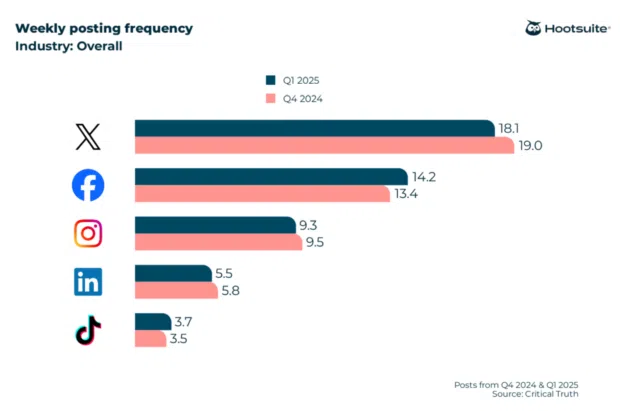
- Frequency Benchmarks: Analysis from leading social management firms suggests that posting 3–5 times per week is the "sweet spot" for maintaining visibility without overwhelming production resources.
The Pillars of a Winning Strategy
Creating a successful presence on TikTok requires a departure from traditional "polished" advertising. The most effective campaigns are those that feel organic to the user experience.
1. Mastering the "Three-Second Rule"
Attention spans are finite. If a video does not hook a viewer within the first three seconds, the scroll is inevitable. Brands should prioritize high-energy visuals, provocative questions, or immediate demonstrations of value to stop the scroll.
2. The Role of Influencer Partnerships
TikTok influencer marketing has moved beyond simple product placement. In 2026, the most effective partnerships involve long-term collaborations where creators are given creative freedom. By leveraging an influencer’s existing trust, brands can bypass the skepticism often associated with traditional ads.
3. SEO and Discoverability
TikTok SEO is the new frontier. Because users are searching the app for specific solutions, brands must treat their captions and on-screen text as search metadata. Incorporating high-intent keywords ensures that when a user searches for "best ergonomic office chair" or "skincare for sensitive skin," your content appears in the results.
Official Stance and Regulatory Considerations
TikTok’s status in various global markets has been subject to ongoing regulatory scrutiny throughout 2025 and 2026. For enterprise-level marketers, this necessitates a "portable content" strategy. While TikTok remains a high-ROI channel, businesses are advised to maintain a multi-platform content distribution strategy. Ensure that your video assets are high-resolution and non-platform-specific enough to be repurposed for YouTube Shorts or Instagram Reels should the regulatory landscape shift.
Strategic Implications for Businesses
For the CMO or small business owner, the implications are clear: TikTok is a long-term play, not a quick fix.
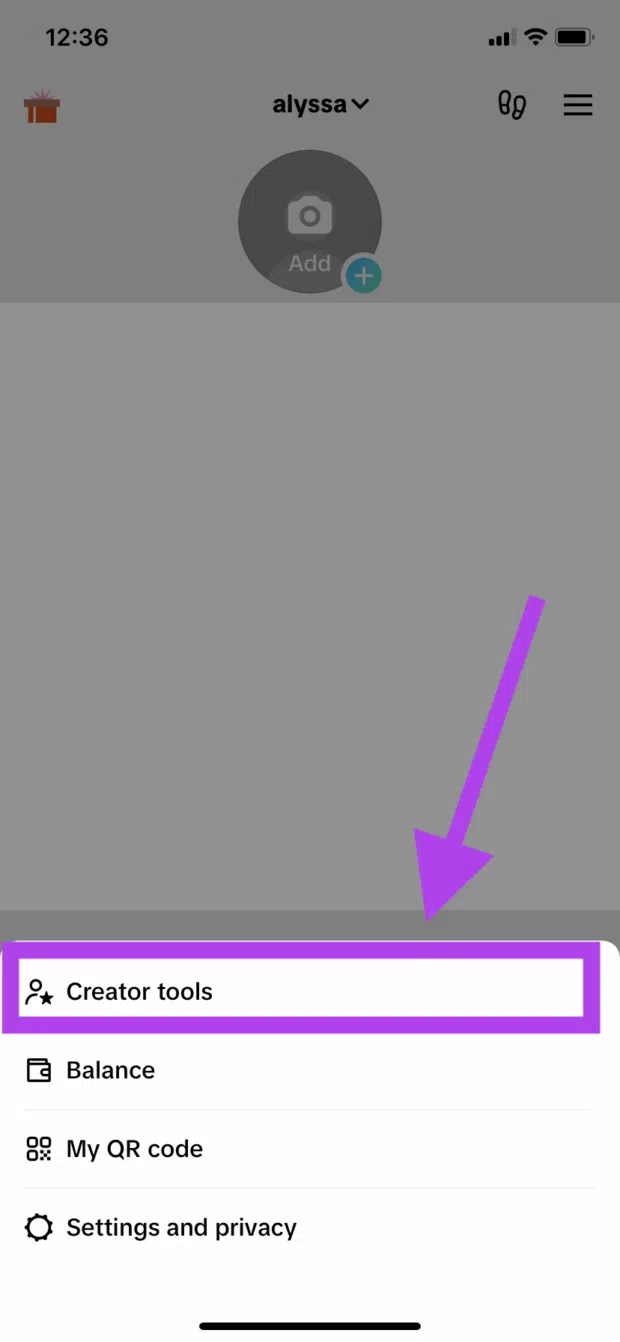
- Data-Driven Iteration: Use native "Creator Tools" to analyze engagement rates. If a video flops, treat it as a data point. If it succeeds, double down on that format.
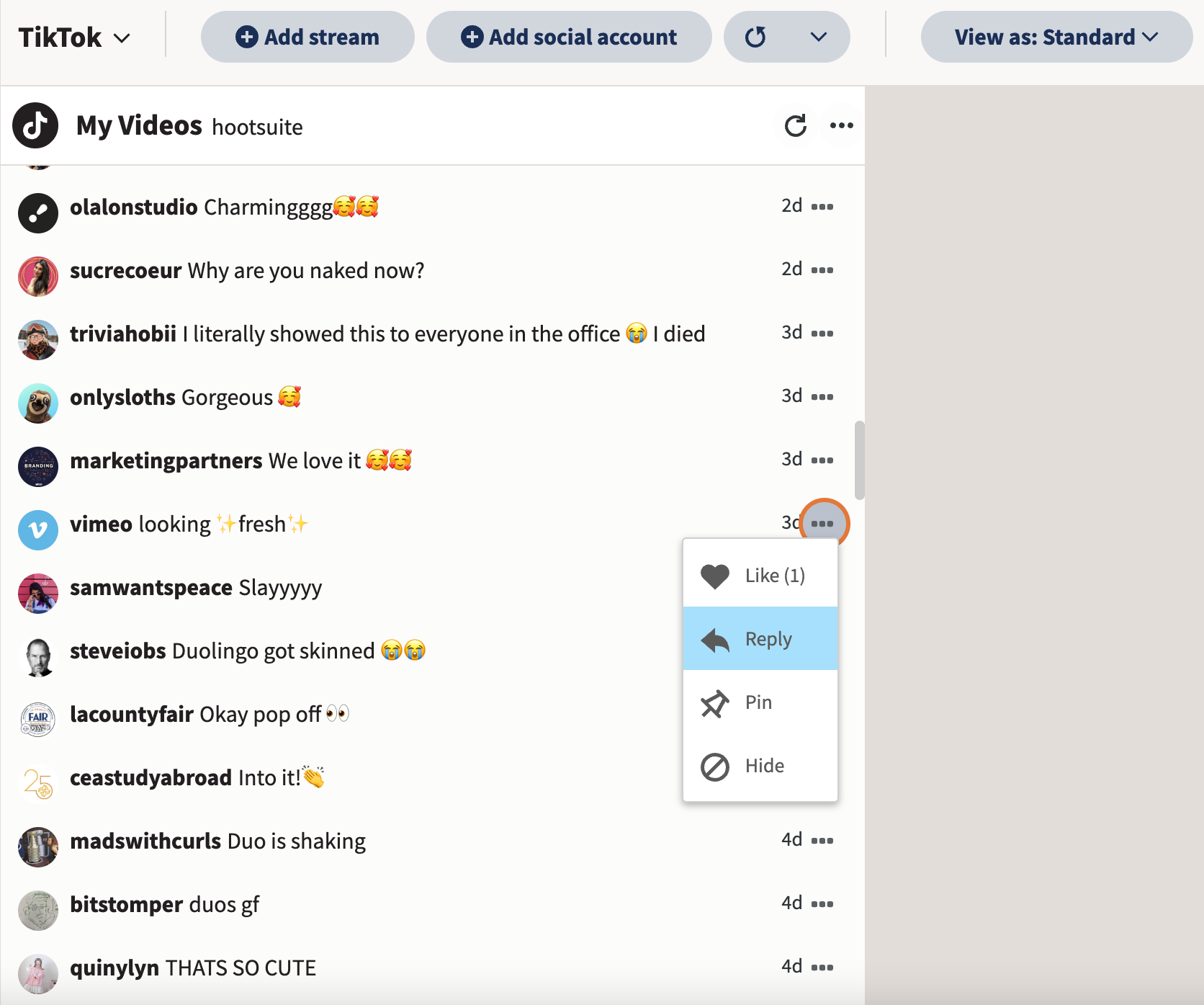
- The Power of Community: Engage with your comments. Replying to a customer query with a video response is one of the most effective ways to build brand humanization and increase algorithm ranking.
- Budget Allocation: When planning your 2026 budget, consider a split between organic content (for brand building) and paid Spark Ads (to scale the reach of high-performing organic content).
Essential Tools for the Modern TikTok Marketer
To manage the complexities of a 2026 TikTok presence, organizations should leverage an integrated stack of tools:
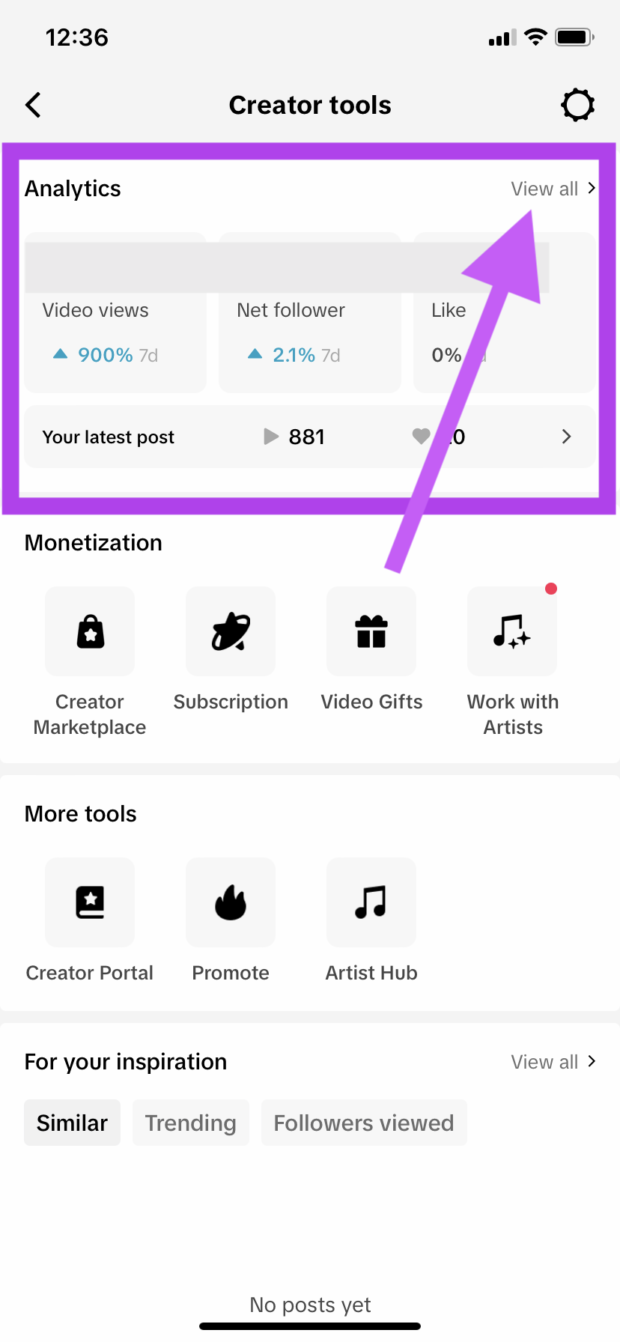
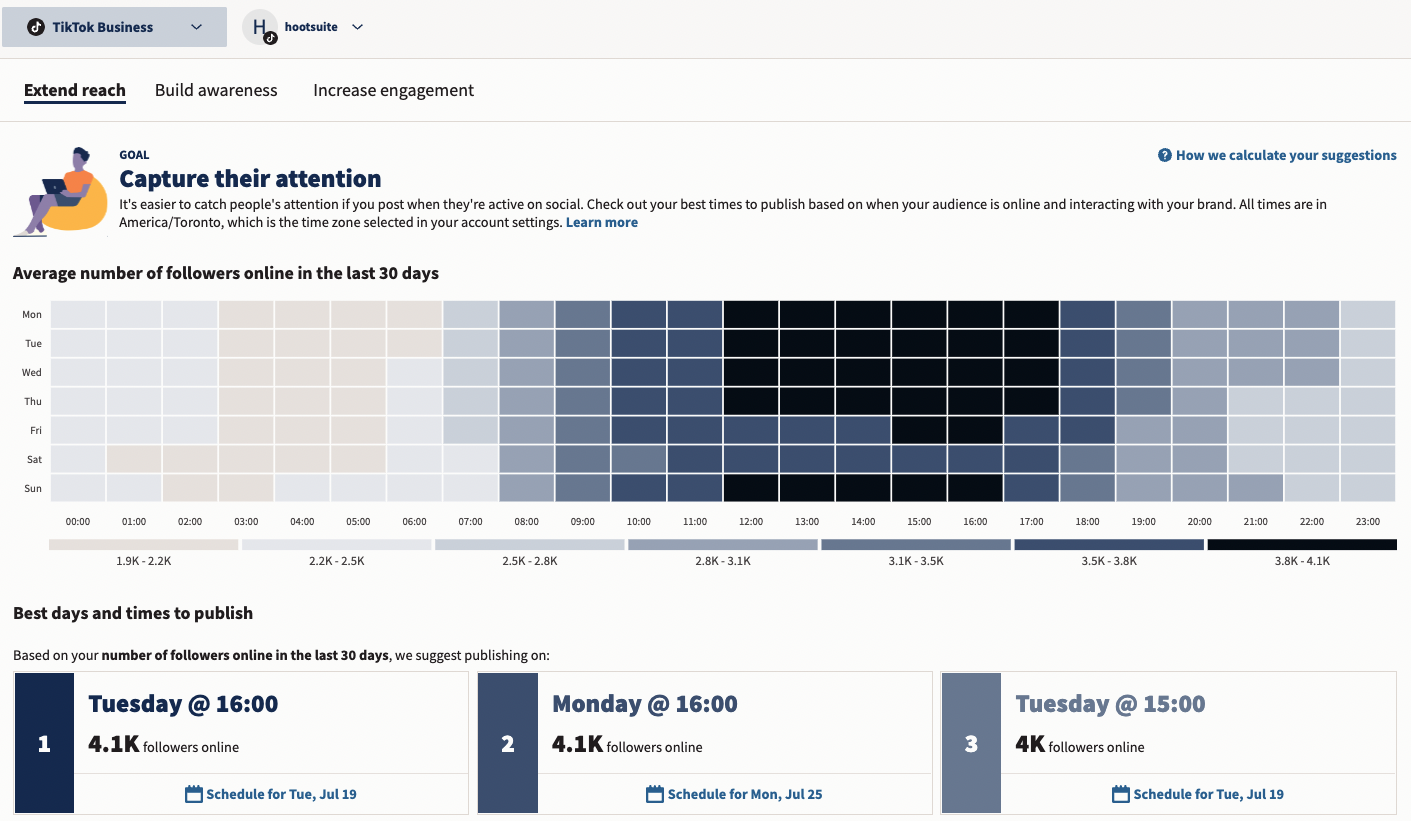
- Management & Scheduling: Platforms like Hootsuite allow teams to schedule posts, moderate comments, and track performance alongside other social channels. The "best time to post" features, based on individual follower activity, are critical for maximizing organic reach.
- Creative Production: CapCut remains the industry standard for mobile-first editing. Its direct integration with TikTok allows for rapid production cycles.
- Competitive Intelligence: The TikTok Creative Center is an indispensable, free tool for tracking trending sounds, hashtags, and top-performing ad creatives in your specific industry.
- Traffic Conversion: A "link-in-bio" solution is mandatory. By using tools like Hootbio, brands can create a landing page that directs followers to specific product pages, newsletters, or secondary social channels, ensuring that your TikTok traffic is being funneled toward measurable business goals.
Conclusion: The Path Forward
TikTok in 2026 is a sophisticated, commerce-driven ecosystem that rewards authenticity and punishes rigid, corporate messaging. To succeed, brands must move toward a culture of experimentation. Whether it is through behind-the-scenes glimpses into manufacturing, engaging with trending audio, or answering community questions via video, the goal remains the same: to be a brand that provides value, entertainment, or utility within the feed.
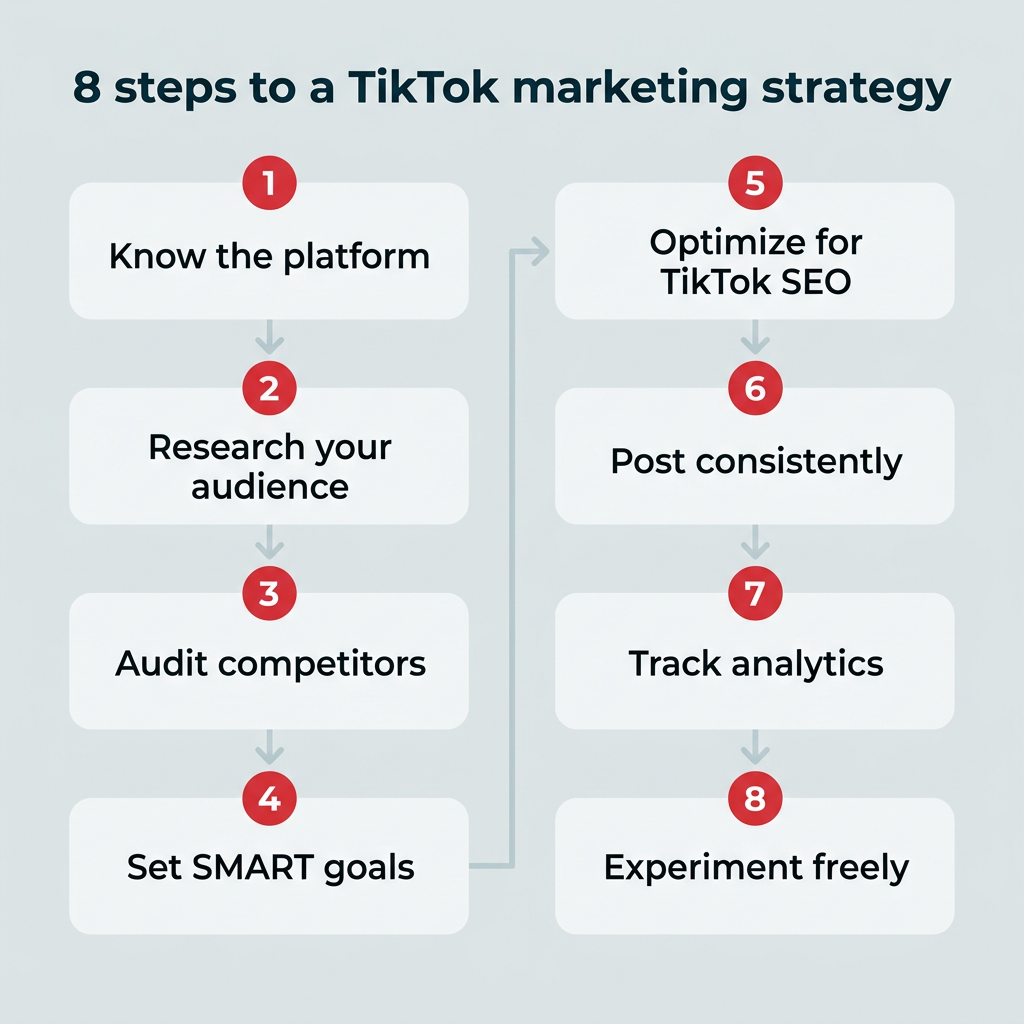
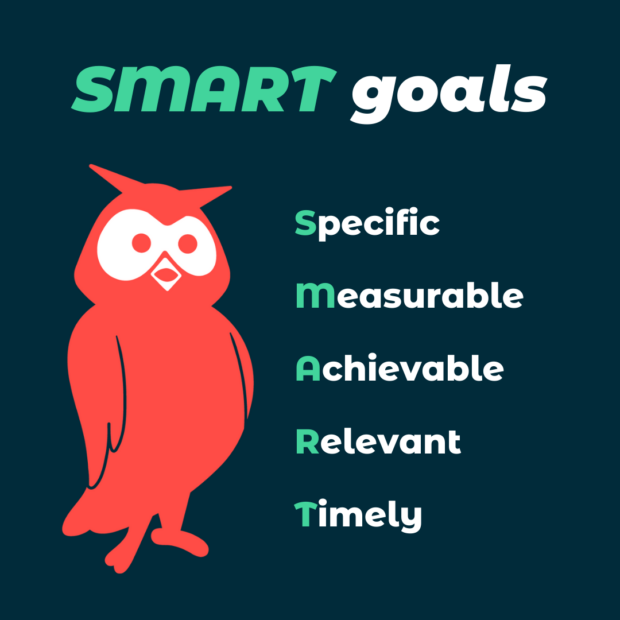
As the platform continues to evolve, those who treat TikTok as a living, breathing community rather than a digital billboard will find themselves at the forefront of their industry. Start by auditing your current presence, establishing clear S.M.A.R.T. goals, and—most importantly—hitting "record" on your first experiment of the week.


 Asep Darmawan
 Sagoh
Sagoh