Reynand Wu
In the hyper-competitive landscape of first-person shooters, few franchises command as much attention—or as much scrutiny—as Call of Duty. As the industry enters the summer announcement season, the spotlight has turned firmly toward Infinity Ward. Following a recent site visit to the studio’s headquarters, it is clear that the team behind the franchise’s most iconic entries is looking to reassert its identity.
With Modern Warfare 4 currently in development, the stakes have never been higher. Players are demanding innovation, fluidity, and a return to the series’ roots, all while navigating the complex ecosystem of seasonal updates, competitive balance, and the persistent, heavy shadow of Warzone.
The "Infinity Ward Difference": A Philosophy of Ownership
To understand the direction of Modern Warfare 4, one must first understand the internal culture at Infinity Ward. During a sit-down with Multiplayer Creative Director Joe Cecot and Design Lead Jacky Reynolds, the conversation centered on what exactly makes an Infinity Ward title "hit different."
"We have a history of really pushing ourselves on quality," Cecot explained. "With the 2019 Modern Warfare, we pushed hard to reinvigorate the franchise. We asked, ‘What is a modernized Modern Warfare for today?’ And that is what we do with every game."
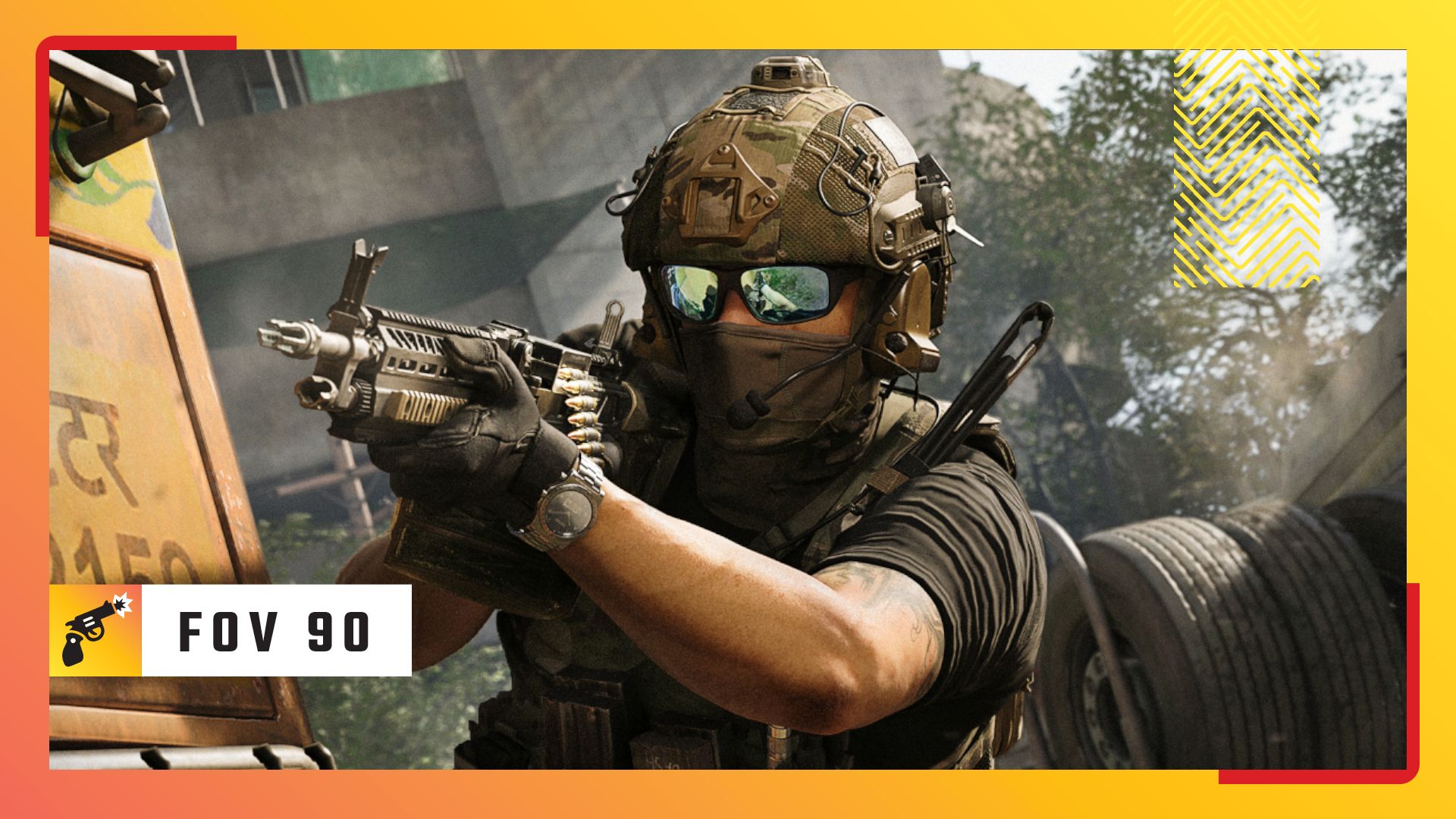
This ethos is not merely marketing; it is a structural mandate. Unlike studios that rely on centralized service departments, Infinity Ward operates on a model of individual department ownership. Gameplay programmers, animators, and designers are encouraged to act as stakeholders in their own work. Cecot noted that the team holds weekly playtests, maintaining a brutal, self-critical standard. If the developers themselves aren’t having fun during a Friday match, the mechanics go back to the drawing board.
Learning from Friction: The Evolution of Mechanics
The road to Modern Warfare 4 has been paved with the lessons learned from its predecessors. The team openly acknowledged that while Modern Warfare 2 aimed for a more "tactical" feel, the resulting gameplay occasionally drifted into territory that felt sluggish or restrictive, alienating a portion of the core player base.
"We tried to make the game feel more tactical, but I think it came at the cost of the feel and some of the fun," Reynolds admitted. "When building Modern Warfare 4 from the ground up, we looked at those points of friction. How do we improve them? We wanted to rebuild them so you get that fluidity and that feel back, while maintaining the grit and grounded tactical play we’re known for."
This philosophy extended to the studio’s critique of Modern Warfare 3. While acknowledging that the subsequent sequel introduced some positive changes—particularly regarding movement—Infinity Ward took the extra development time afforded to them to iterate deeper. They didn’t just tweak numbers; they rewrote the mantle system from scratch. Now, players can maintain momentum, strafe during mantling, and transition directly into a slide, ensuring that movement feels like a continuous, unbroken flow.
The Role of "Apex Attachments"
One of the most significant mechanical shifts in Modern Warfare 4 is the introduction of "Apex Attachments." In previous titles, the Gunsmith system often led to a homogenized meta, where players gravitated toward the same attachments to create "laser beam" weapons.
The team views Apex Attachments as a solution to this stale meta-game. By providing high-tier, game-changing modifications at the end of the weapon-leveling process, the developers are encouraging players to redefine their playstyle.
"It allows you to find new reasons to love the weapon you already have," Cecot said. "We wanted something at the end of the weapon progression that says, ‘this was worth it.’ We want players to feel like they are discovering new ways to play, almost like the classic shooters of the past where you had primary and secondary fire modes."
Addressing the Community: Matchmaking and Technical Hurdles
Perhaps the most persistent pain point for the Call of Duty community is the "Update Requires Restart" prompt—a relic of the franchise’s technical architecture that has long frustrated players.

When asked about this, the team offered a candid, albeit brief, admission: "We hate it too," Cecot said. The studio is actively working to eliminate the need for mid-session restarts. While the technical implementation remains a challenge, particularly regarding platform-wide compatibility (including potential future hardware), the intent is clear: to remove the friction that keeps players from jumping into the action.
Regarding the highly contentious issue of Skill-Based Matchmaking (SBMM), the team was measured. While no specific policy changes were announced, Cecot confirmed that Infinity Ward is working closely with Demonware—the studio responsible for the franchise’s network infrastructure—to review how matchmaking is evolving across the broader ecosystem, including Black Ops 7. Future communications regarding these systems are expected before the game’s launch.
Campaign Narrative and Global Scope
The Modern Warfare sub-series has always prided itself on being "ripped from the headlines." However, in an era where global news cycles are increasingly volatile, the developers face a unique challenge in maintaining their signature grounded, cinematic tone without veering into exploitative territory.
"We are an entertainment product," Cecot stated. "There are great movies that deal with difficult content, and they provide an experience. We look at it through that lens."
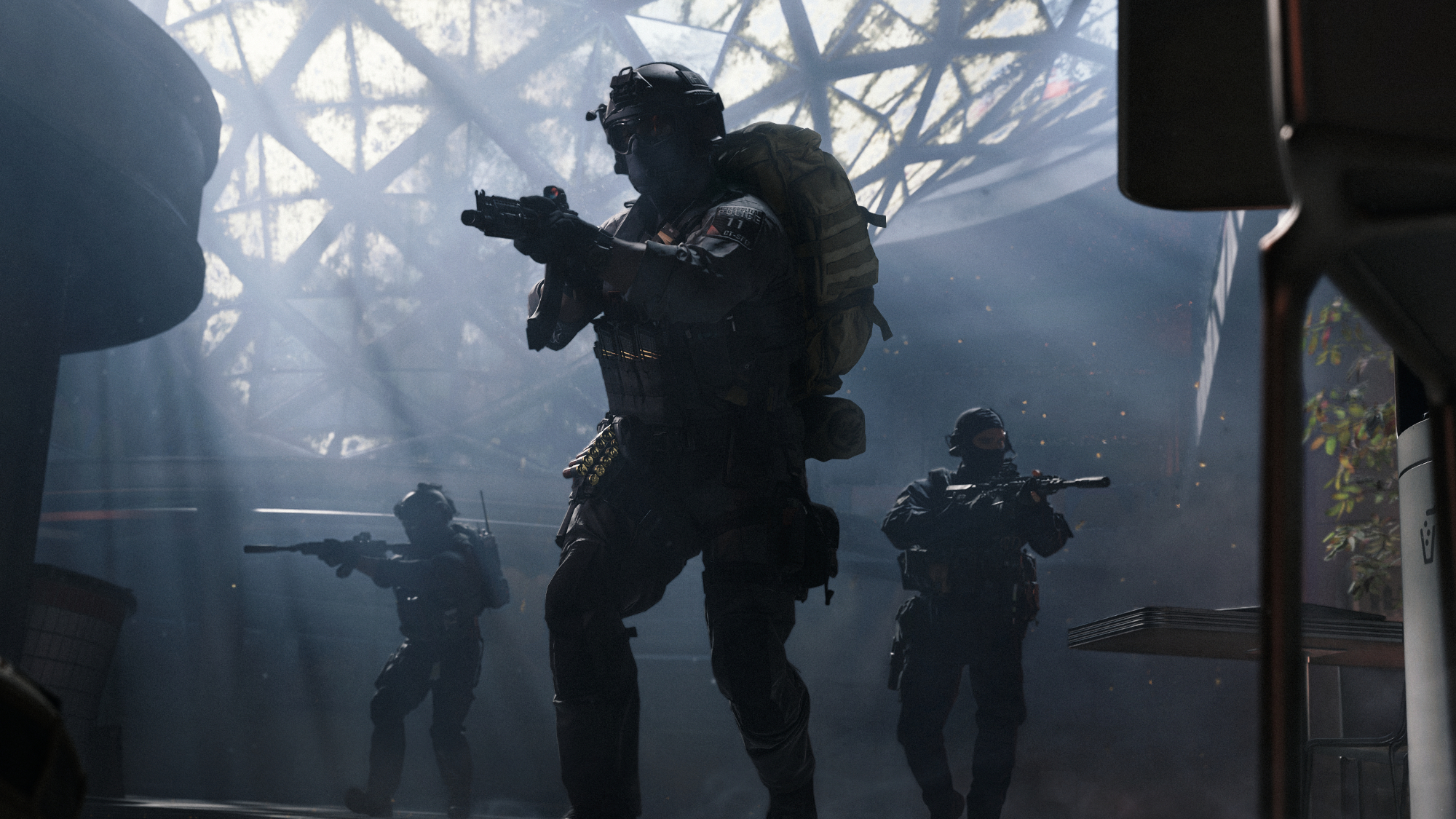
The focus for Modern Warfare 4 is on a "globetrotting" experience. By selecting theaters of conflict that appeal to a wide international audience—ranging from Korea to various European and American settings—the studio aims to deliver a high-stakes military drama that feels relevant, regardless of whether the specific location is currently dominating the nightly news.
The Warzone Factor
The elephant in the room remains the integration of Modern Warfare with Warzone. While the developers were tight-lipped about specific details, they acknowledged the community’s desire for a clearer separation between the core multiplayer experience and the battle royale giant.
"We worked on the original Warzone and directed that, so we’re excited to share more about that," Cecot said. "We just can’t right now."
The studio is clearly aware of the "cross-pollination" issues that have plagued previous entries, where weapon balancing became a logistical nightmare across different game clients. The implication is that Infinity Ward is listening to these concerns, even if they aren’t yet ready to pull back the curtain on how Modern Warfare 4 will interface with the larger Call of Duty ecosystem.
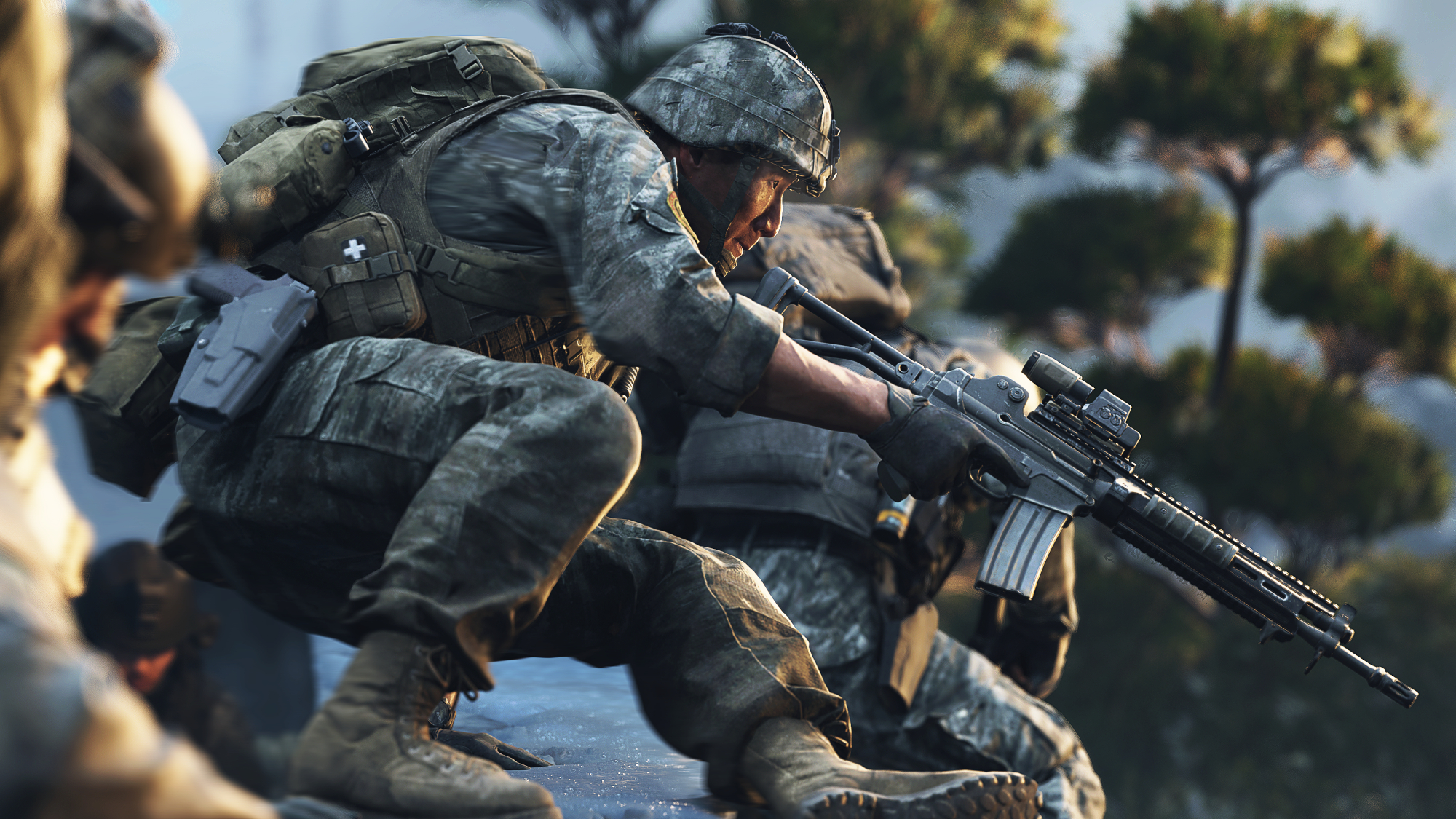
Implications for the Future
Infinity Ward finds itself at a crossroads. By leveraging extra development time, the studio has clearly prioritized movement fluidity, weapon identity, and mechanical responsiveness over the experimental, often jarring shifts seen in recent years.
If the studio can successfully execute on its promise to "fire on all cylinders"—merging the tactical weight of the Modern Warfare brand with the high-octane, responsive movement players crave—Modern Warfare 4 could prove to be the franchise’s most cohesive entry in a decade. However, the true test will lie in the public’s reaction to the final product. As the team continues to refine their "flavor of ice cream," the industry waits to see if this iteration will finally bring the disparate parts of the Call of Duty community back under one roof.
For now, the message from Infinity Ward is one of measured confidence. They are not merely iterating on a formula; they are attempting to define what a modern military shooter should feel like in an era of constant change. Whether they have succeeded in "surpassing expectations," as Cecot claims, remains a question only the players can answer once the boots hit the ground.


 Asro
Asro
 Muslim