Sagoh
Sagoh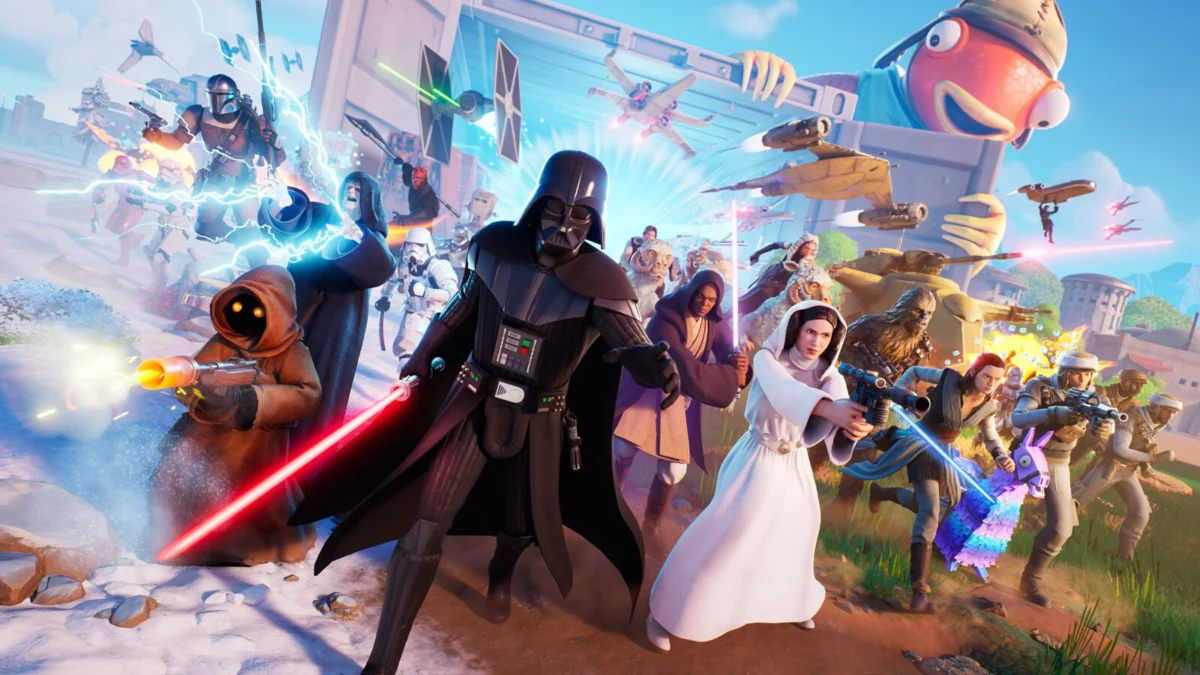
This May, the boundaries between the silver screen and the digital battlefield are blurring as Lucasfilm and Epic Games launch their most ambitious Star Wars integration to date. By transforming Fortnite from a standalone battle royale title into a sprawling "metaverse" of interconnected galactic experiences, the collaboration invites players to do more than just fight; they are being asked to live, build, and explore within the fabric of the Star Wars universe.
From high-stakes skirmishes against the Empire to intimate, community-focused watch parties on the planet Nevarro, this month-long celebration marks a significant shift in how intellectual property is utilized in interactive media.
Main Facts: A New Frontier of Galactic Engagement
The core of this initiative is the introduction of three distinct, custom-built islands, each designed to highlight a different pillar of the Star Wars franchise. Whether players are interested in the grand-scale tactical combat of the Clone Wars, the sheer, suffocating terror of a Sith Lord, or the intricate mechanics of droid manufacturing, these new additions provide a bespoke environment for every type of fan.
The partnership leverages the technical versatility of the Unreal Editor for Fortnite (UEFN), allowing creators—in collaboration with Epic Games and Lucasfilm—to build experiences that feel authentic to the source material. By moving beyond simple character skins, the developers have created a holistic ecosystem. Players can now navigate the streets of Nevarro, manage their own droid workshop, or engage in large-scale PvP warfare that mirrors the intensity of the films.
Chronology of the Galactic May Event
The rollout of this content is carefully paced to ensure constant engagement throughout the month of May, coinciding with the industry-wide "Star Wars Day" celebrations on May 4th.
- May 1: The campaign launches with the release of three core islands: Galactic Siege, Escape Vader, and Droid Tycoon. Additionally, the Shop begins its rotation, introducing legacy favorites like Anakin Skywalker and Ahsoka Tano.
- May 3: The fashion-forward aspect of the collaboration debuts with the release of Stormtrooper-themed "Mash-Up Kicks," blending streetwear culture with Imperial aesthetics.
- May 14: The LEGO® Fortnite Odyssey update introduces a suite of new tools, vehicles, and enemies, focusing on the creative and survivalist aspects of the franchise.
- May 19: The highlight of the month occurs at 10 a.m. ET. Fans can attend a virtual watch party on Nevarro, featuring an exclusive 10-minute sneak peek of the upcoming film Star Wars: The Mandalorian and Grogu.
- Ongoing (Weekly): New Star Wars Quests roll out throughout the month, providing a narrative framework for players to explore various islands and unlock rare, saga-inspired loot.
- Through October 31, 2026: Players have a long-term opportunity to secure the exclusive Carbonite Fishstick Back Bling by linking their Epic Games and MyDisney accounts.
The Three Pillars: Detailed Island Breakdowns
To understand the scope of this project, one must examine the specific mechanics of the three new islands launched this month.
Galactic Siege (Developed with JOGO Studios)
This island is designed for the strategist. Moving away from the typical "run-and-gun" mechanics of Fortnite, Galactic Siege forces players into a tactical, large-scale PvP environment. Teams must coordinate their movements, hold strategic choke points, and utilize terrain in a way that feels reminiscent of the large-scale planetary battles seen in the Star Wars prequel trilogy.
Escape Vader (Developed with Beyond Creative)
Perhaps the most visceral of the three experiences, Escape Vader leans into the horror-adjacent reputation of the Galactic Empire’s most feared enforcer. This four-player co-op mode functions as a survival game. Players are stripped of their usual advantages and forced to navigate a hostile environment while being pursued by an AI-controlled Darth Vader. The sense of dread is palpable, turning a standard gaming session into a high-tension cinematic experience.
Droid Tycoon (Developed with FOAD)
Droid Tycoon offers a change of pace. It caters to the "maker" side of the Star Wars fanbase, allowing players to engage with the franchise’s deep technical lore. By using authentic schematics, players must manage a workshop, source rare components, and assemble droids. This experience highlights the often-overlooked logistics of the galaxy—how things are built and maintained—providing a grounded look at the life of a mechanic in the Outer Rim.
The Mandalorian and Grogu: A Virtual Premiere
The most anticipated moment of the month is undoubtedly the Nevarro watch party. In a move that signals the future of marketing for major cinematic releases, Lucasfilm is using the Fortnite platform as a digital theater.
The inclusion of director Jon Favreau in the event serves to legitimize the digital space as a valid venue for high-level creative communication. By allowing fans to "defend" Nevarro and search for Grogu within the game before the film’s 2026 release, the developers are creating a sense of "lived history" that traditional trailers cannot replicate. This is not just a commercial; it is an interactive prologue that rewards the most dedicated fans with exclusive insights and digital mementos.
Supporting Data and Economic Implications
The strategy behind this event is rooted in the success of "platform-as-a-service" models. By integrating LEGO® Fortnite—a massive hit for the younger demographic—alongside the mature, tactical gameplay of Galactic Siege, Epic Games is capturing multiple market segments simultaneously.
The integration of the MyDisney account link is particularly telling. It represents a significant push for cross-platform data synchronization. By incentivizing players to link their accounts with the "Carbonite Fishstick" reward, Disney is consolidating its massive user base, bridging the gap between those who consume Disney+ content and those who interact with the Fortnite ecosystem. This creates a powerful feedback loop: players earn rewards in Fortnite that drive them to engage with the Disney brand, which in turn fuels further interest in Star Wars cinematic releases.
Official Perspectives: The Synergy of Lucasfilm and Epic
While specific quotes remain under wraps, the consensus from the development teams at Epic and the creative leads at Lucasfilm is one of "unprecedented convergence." The goal is to move past the era where Star Wars was merely a license on a box, and into an era where it is a living, breathing digital space.
"We wanted the player to feel the weight of the galaxy," says a representative close to the project. "When you are in the presence of Vader, or when you are building a droid on a workbench, it shouldn’t feel like a minigame. It should feel like a piece of the lore."
Implications for the Future of Interactive Media
This collaboration sets a new benchmark for how intellectual property owners manage their portfolios in the digital age. We are witnessing the end of the "static brand" era. Instead of releasing a standalone Star Wars game every few years, the model is shifting toward constant, incremental, and highly interactive updates within a shared digital space.
If this month-long event proves as successful as early engagement numbers suggest, it will likely serve as a blueprint for other major franchises. We may soon see similar massive-scale, multi-mode integrations for properties like the Marvel Cinematic Universe, Avatar, or other high-tier Disney assets.
For the Fortnite player, this means the game is becoming a portal. For the Star Wars fan, it means the galaxy is no longer just something you watch—it is something you occupy. As May progresses, the convergence of gameplay, cinema, and commerce within the Fortnite engine will continue to reshape our expectations of what a "movie tie-in" can truly be. Whether you are a competitive player looking for your next challenge or a lore enthusiast seeking a deeper connection to the galaxy, the events of this month offer a compelling reason to jump back into the cockpit.


 Evan Lee Salim
 Nana Wu