

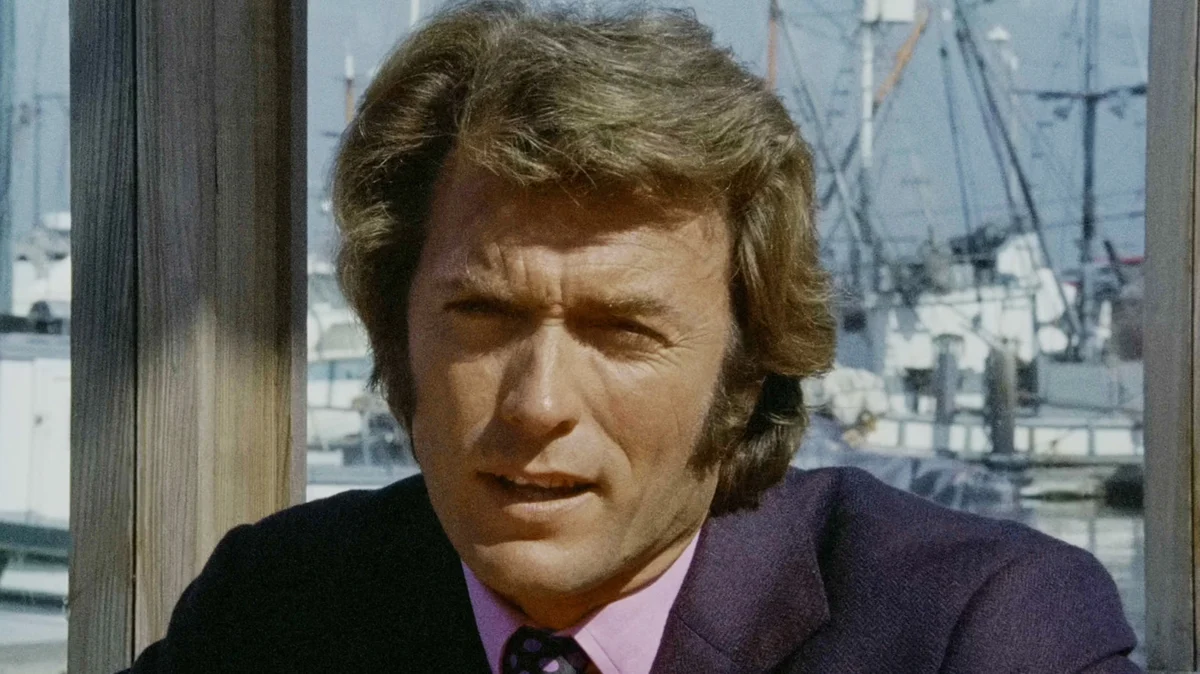
In the contemporary cinematic landscape, Clint Eastwood is widely recognized as a master of the grounded, character-driven drama. Whether it is the legal tension of 2024’s Juror #2 or the somber reflection of Gran Torino, audiences have grown accustomed to a version of Eastwood that prioritizes psychological nuance over the pyrotechnics of his earlier career. However, this reputation for dramatic sensitivity was far from solidified in the early 1970s. While the world was busy pigeonholing him as the quintessential "cowboy or cop," Eastwood was quietly testing the boundaries of his directorial voice.
His 1973 film, Breezy, remains the most significant outlier in his massive filmography. It is a work that few audiences have seen and even fewer discuss, yet it serves as a critical bridge between his early experiments in genre-bending and the prestige director he would eventually become.
A Chronology of Artistic Pivot
To understand the significance of Breezy, one must situate it within the high-octane trajectory of Eastwood’s early 1970s career. By 1971, Eastwood had firmly established his brand with Don Siegel’s Dirty Harry, a film that transformed him into an icon of hyper-masculine, uncompromising authority. That same year, he made his directorial debut with Play Misty for Me, a taut, claustrophobic psychological thriller about a disc jockey stalked by an obsessive fan.
Following the success of Misty, he pivoted to High Plains Drifter (1973), a revisionist Western that saw him sharpening his skills as an auteur capable of deconstructing the very archetypes that made him famous. These films were visceral, violent, and undeniably "Eastwood."
Breezy arrived as a jarring departure. It was a low-key, intimate romantic drama—a "May-December" story about a cynical, middle-aged real estate agent and a free-spirited, teenage runaway. It was the antithesis of the hard-boiled action cinema the public expected. By choosing to direct a story about vulnerability and emotional awakening rather than revenge or survival, Eastwood was effectively signaling his ambition to be viewed as a filmmaker, not merely a screen presence.
The Genesis of an Unconventional Romance
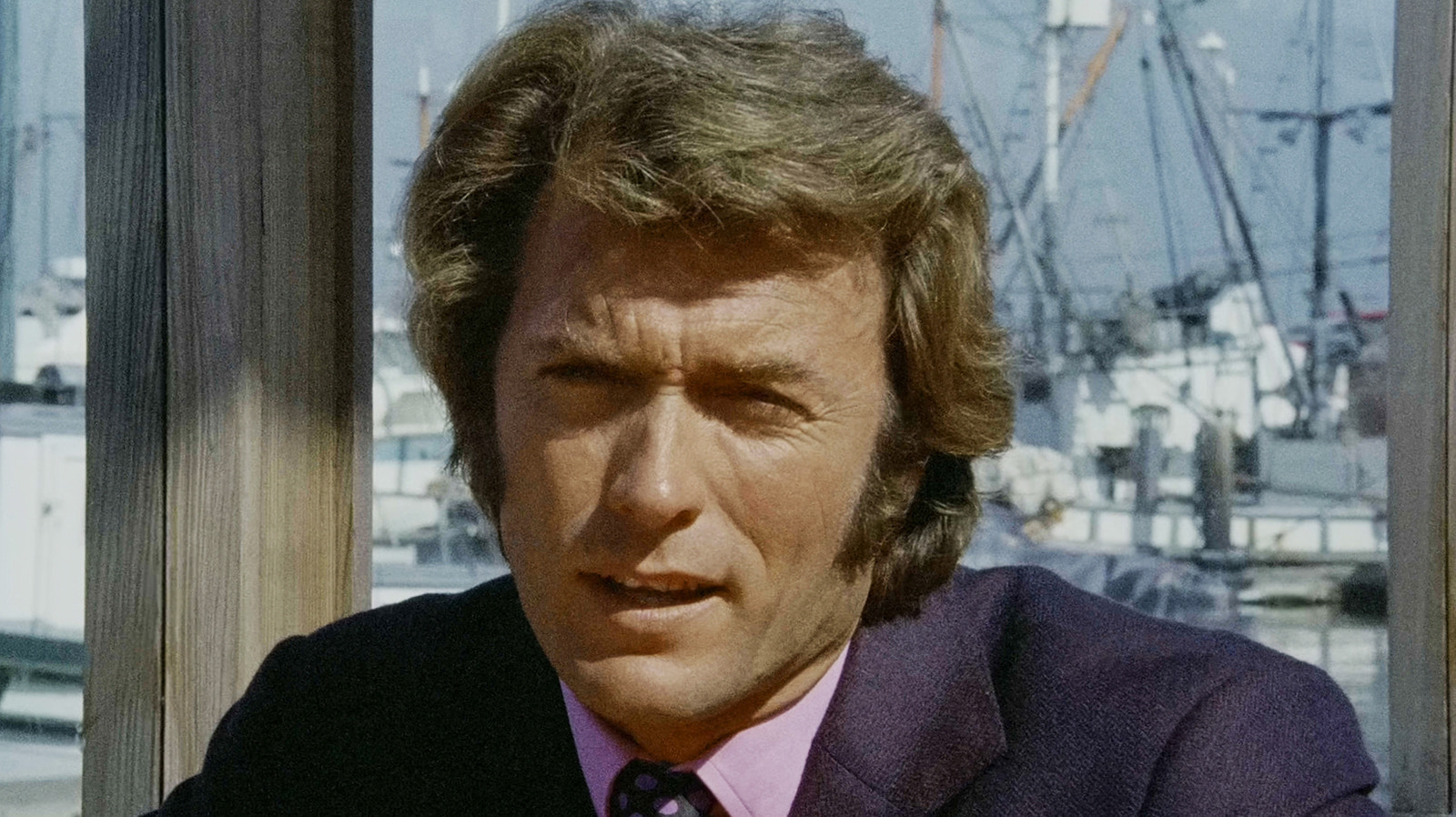
The film’s production history is as fascinating as its subject matter. The screenplay was penned by Jo Heims, who had previously collaborated with Eastwood on Play Misty for Me. Initially, the script was written with Eastwood in mind for the lead role of Frank Harmon. However, the 42-year-old filmmaker opted to stay behind the camera, famously feeling that he lacked the necessary age and weary disposition to authentically portray the disillusioned divorcee.
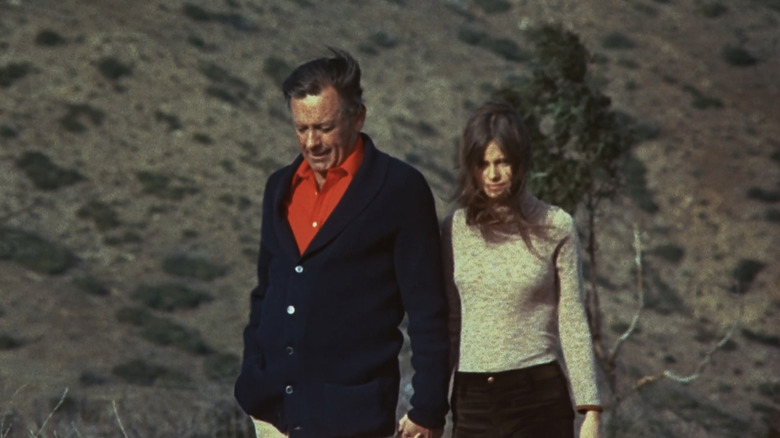
The role was ultimately filled by the legendary William Holden, then 54. Holden brought a world-weary, authentic gravity to the character of Frank, a man whose life has become a series of hollow routines. Opposite him was 19-year-old Kay Lenz, cast as Edith Alice "Breezy" Breezerman. At the time, Lenz was a virtual unknown, with only a minor appearance in American Graffiti to her name.
The plot is deceptively simple: A disillusioned, middle-aged real estate agent in Laurel Canyon crosses paths with a wandering, flower-child teenager. Their initial encounters are defined by irritation and the stark reality of their generational divide. Yet, as the narrative progresses, Breezy’s persistent optimism begins to dismantle Frank’s cynicism. It is a film about the "rejuvenation of a cynic," as Eastwood himself once noted, and a meditation on the simple act of choosing to exist in a world that feels increasingly detached.
Critical Reception and the Burden of Expectations
When Breezy was released in 1973, it was met with a tepid response that bordered on indifference. Critics of the era, still enamored with the "Dirty Harry" persona, struggled to reconcile the director of Breezy with the star of the Westerns.
Variety famously dismissed the film, comparing it unfavorably to a "TV feature" and criticizing its "sitcom patter." Biographers, including Richard Schickel and Patrick McGilligan, have historically been unkind to the project. Schickel noted that for a film dealing with a potentially scandalous age-gap romance, it lacked the necessary "sexiness" to truly engage its audience. McGilligan went further, suggesting the dialogue was "ordinary" and that the project was one of the few true "flops" in Eastwood’s illustrious career.
Financially, the film was a modest endeavor. With a production budget of approximately $725,000, it managed to recoup its costs, but it lacked the cultural footprint of his other work. Consequently, Breezy languished in obscurity, failing to secure a home video release for over 25 years. This long period of unavailability contributed to its status as a "lost" chapter of Eastwood’s early years, a film that almost vanished from the public consciousness entirely.
The Modern Reappraisal: A Hidden Gem?
In the age of digital streaming and online cinephilia, the tide has begun to turn for Breezy. On platforms like Letterboxd, the film has found a new, appreciative audience. With over 8,000 logs—a modest number compared to his blockbusters, but significant for a film buried for decades—it holds a respectable 3.6-star rating.
Modern viewers often praise the film for exactly what 1970s critics hated: its gentle, quiet, and unhurried tone. Contemporary audiences are less concerned with whether the film fits the "Eastwood" brand and more focused on its aesthetic merits. The film serves as a time capsule of vintage Los Angeles, capturing the specific light and atmosphere of Laurel Canyon in the early 70s with a tenderness that is absent from his more aggressive works.
The "May-December" romance, which felt scandalous or simply out-of-place to 1973 critics, is now often viewed as a nuanced character study. Fans frequently highlight the chemistry between Holden and Lenz, noting that the film’s "gentle" pace allows for a deeper exploration of human connection than the high-stakes thrillers that define the rest of his decade.
Implications for the Eastwood Legacy
Why does Breezy matter today? It stands as proof that Clint Eastwood’s directorial identity was never monolithic. It demonstrates that as early as 1973, he was capable of directing intimate, character-driven dramas that eschewed his established star persona.
The fact that Eastwood stayed away from explicit romantic dramas for two decades following the lukewarm reception of Breezy speaks to the impact of its commercial failure. It was a lesson in the dangers of defying audience expectations. Yet, in the long arc of his career, the film serves as a vital experiment. It was the moment he proved he could work with actors, focus on dialogue, and craft a film that relied on emotional resonance rather than adrenaline.
In retrospect, the failure of Breezy was perhaps a failure of timing. Audiences in 1973 wanted the vengeance-seeking drifter or the rule-breaking cop; they were not yet ready for the sensitive, observant director who would eventually give us The Bridges of Madison County or Million Dollar Baby. Breezy is not a perfect film—it is, by all accounts, a small, flawed, and deeply earnest experiment. But it is precisely because of its flaws, its modesty, and its willingness to be "un-Eastwood" that it demands a revisit.
For those looking to understand the full breadth of one of cinema’s most enduring icons, Breezy is no longer just a footnote. It is a testament to an artist’s early, tentative steps toward the profound humanity that would eventually define his legacy. It reminds us that even the most legendary filmmakers have hidden chapters—films that were ahead of their time, misunderstood by their peers, and waiting patiently for a modern audience to finally give them a fair hearing.











No comments yet. Be the first to join the conversation!