Nana Muazin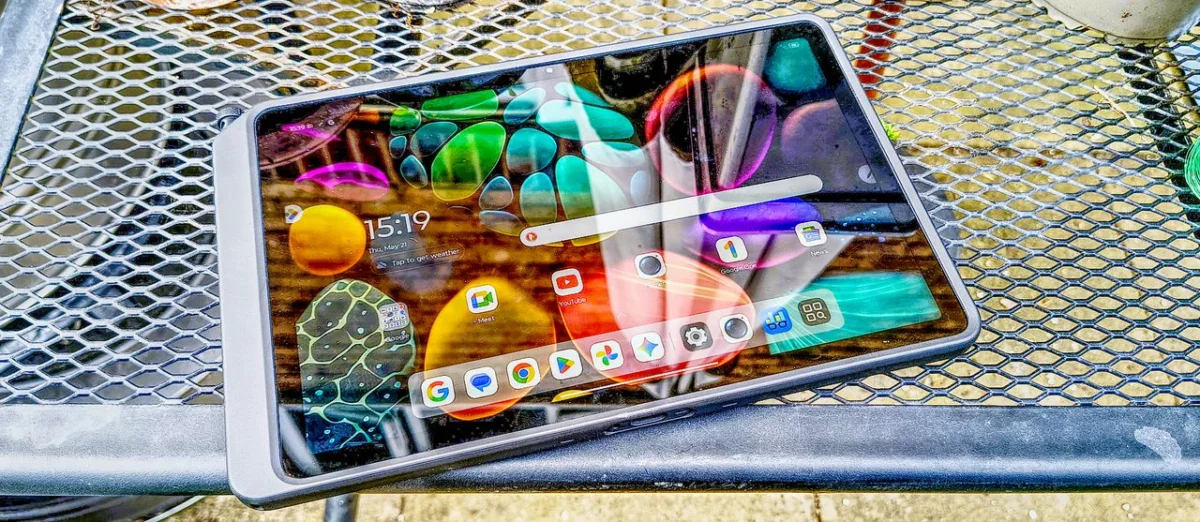
The enterprise tablet market has long been a domain dominated by a select few, with the Samsung Galaxy Tab Active series often serving as the benchmark for durability and performance. However, Lenovo is looking to shake up the status quo with the debut of the ThinkTab X11 Gen 1. Announced at MWC 2026 in Barcelona, this device represents Lenovo’s most concerted effort yet to capture the hearts and workflows of field engineers, logistics managers, and construction professionals.
The ThinkTab X11 is not designed for the living room; it is built for the factory floor, the building site, and the interior of a commercial vehicle. While it faces stiff competition, its arrival signals a shift in how major manufacturers are approaching the "rugged" segment—prioritizing modularity and utility over thin-and-light aesthetics.
Main Facts: What Defines the ThinkTab X11?
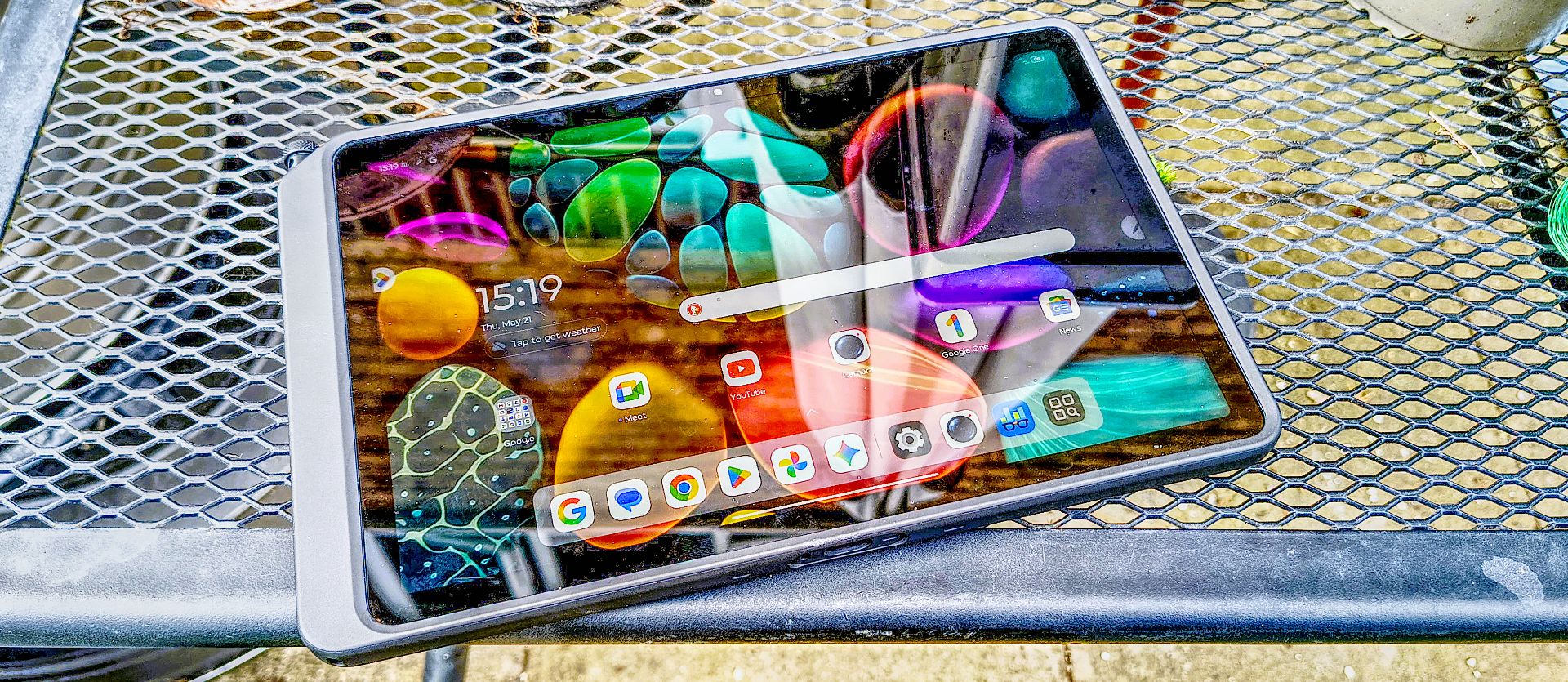
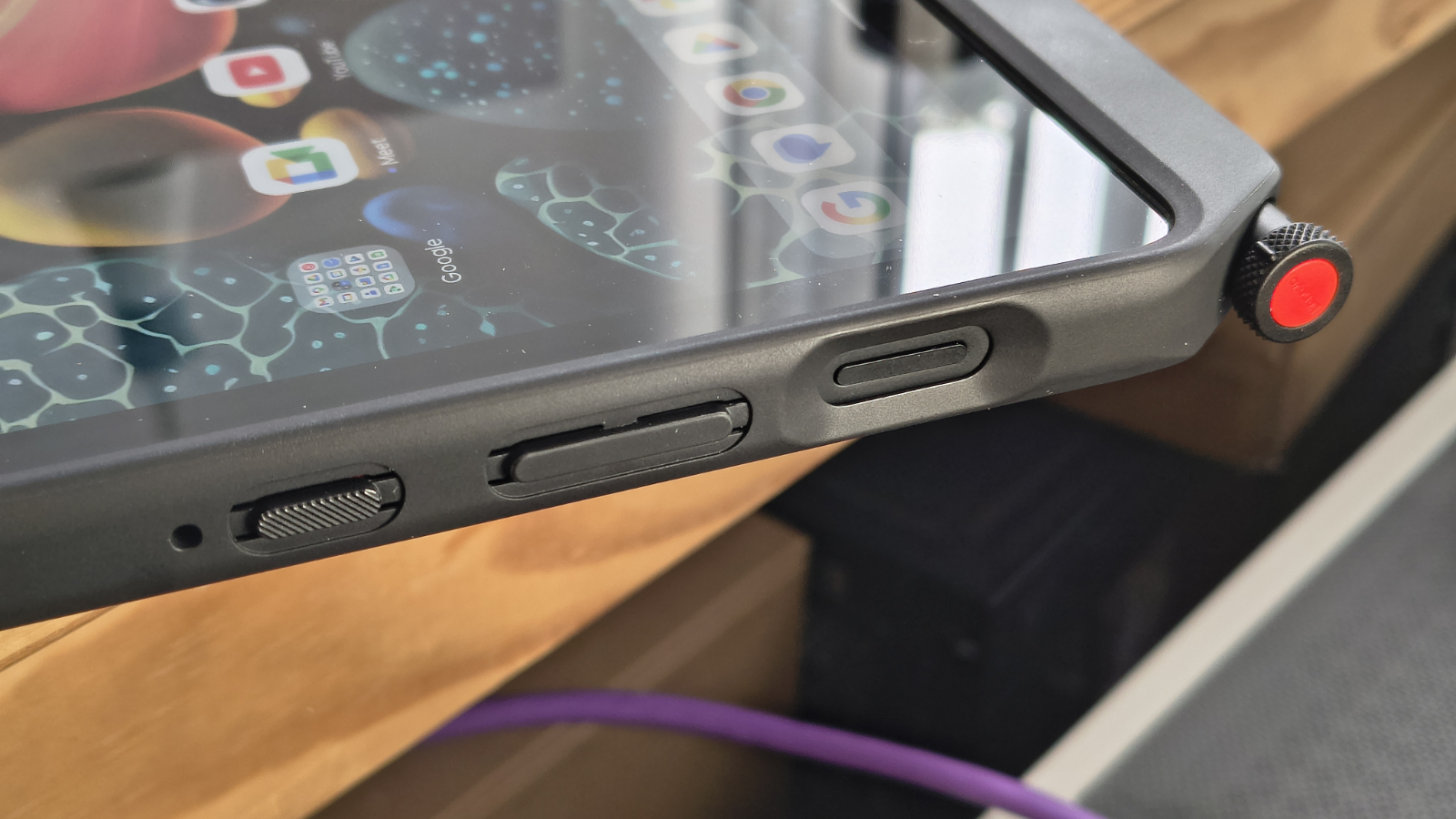
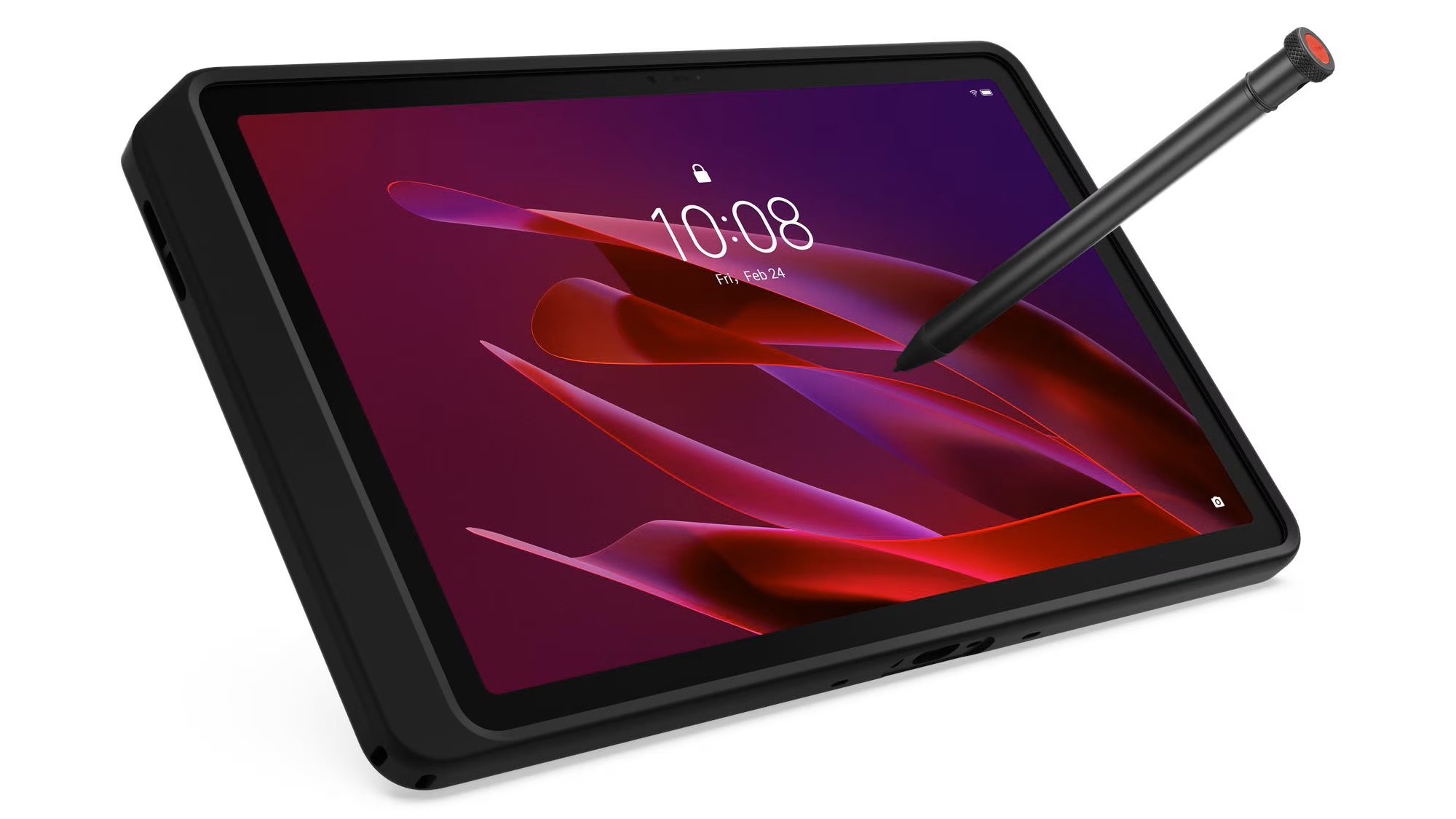
At its core, the ThinkTab X11 Gen 1 is a specialized tool. It features a 10.95-inch IPS display with a sharp 2560 x 1600 resolution, designed to remain legible under harsh outdoor lighting conditions. The tablet is built to survive the elements, boasting an IP68 rating for water and dust resistance, alongside MIL-STD-810H certification, which validates its resilience against vibration, extreme temperatures, and mechanical shock.
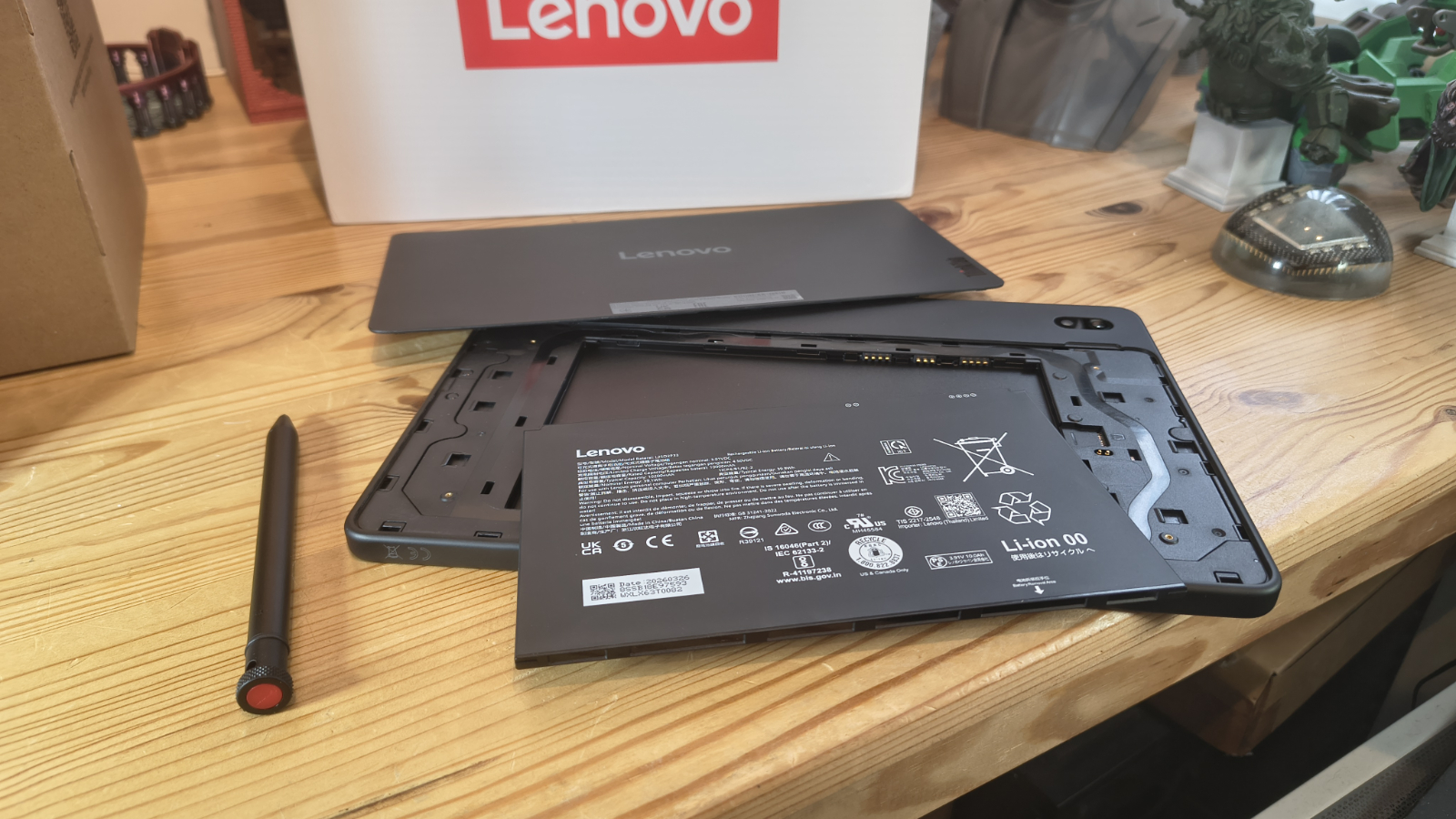
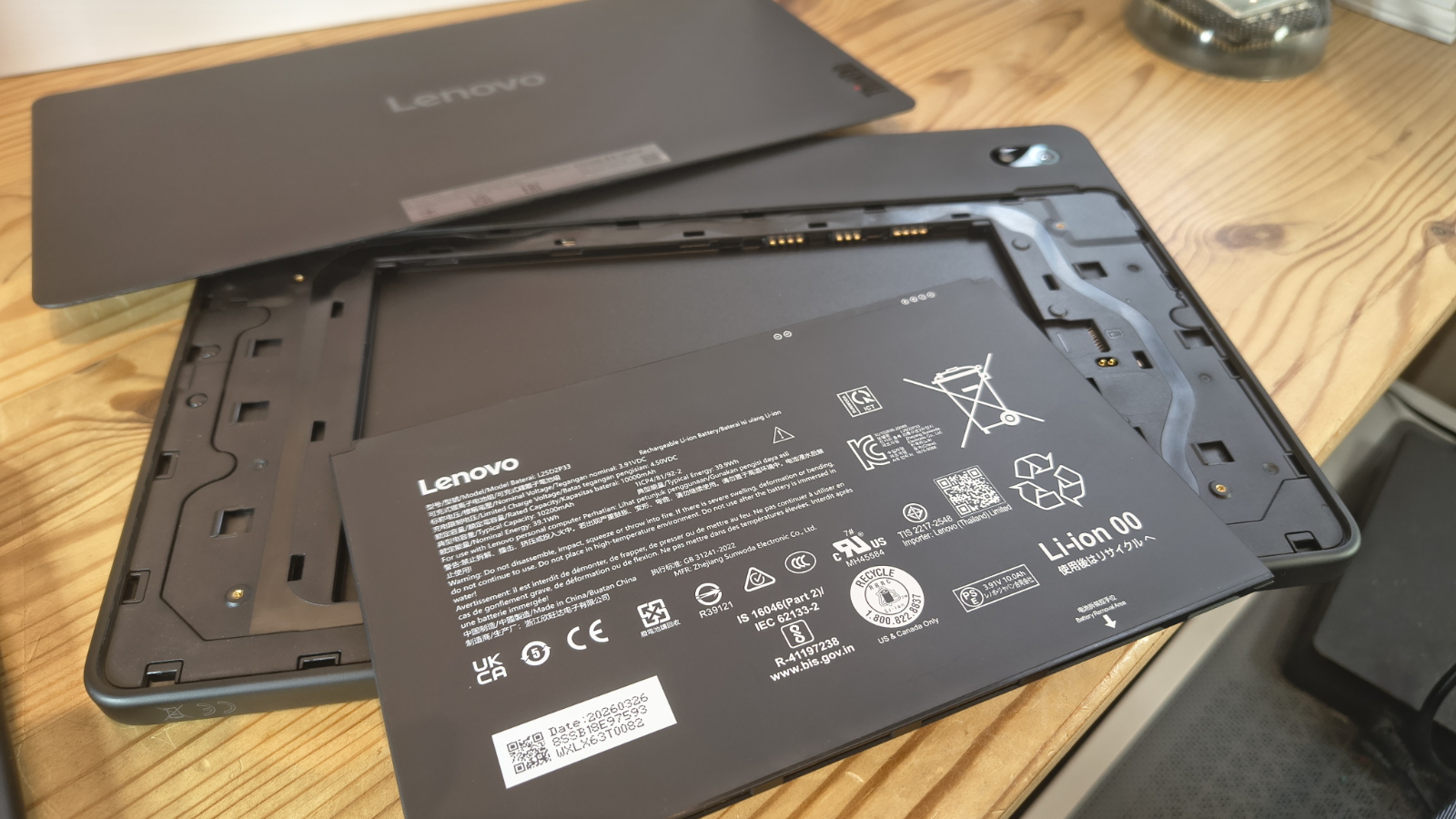
Perhaps the most significant design choice is the inclusion of a screwless, user-replaceable battery. This addresses one of the primary "death knells" for enterprise hardware: battery degradation. By allowing field teams to swap out the power cell, the device’s operational lifespan is extended, providing a more sustainable and cost-effective return on investment (ROI) for enterprise procurement departments.
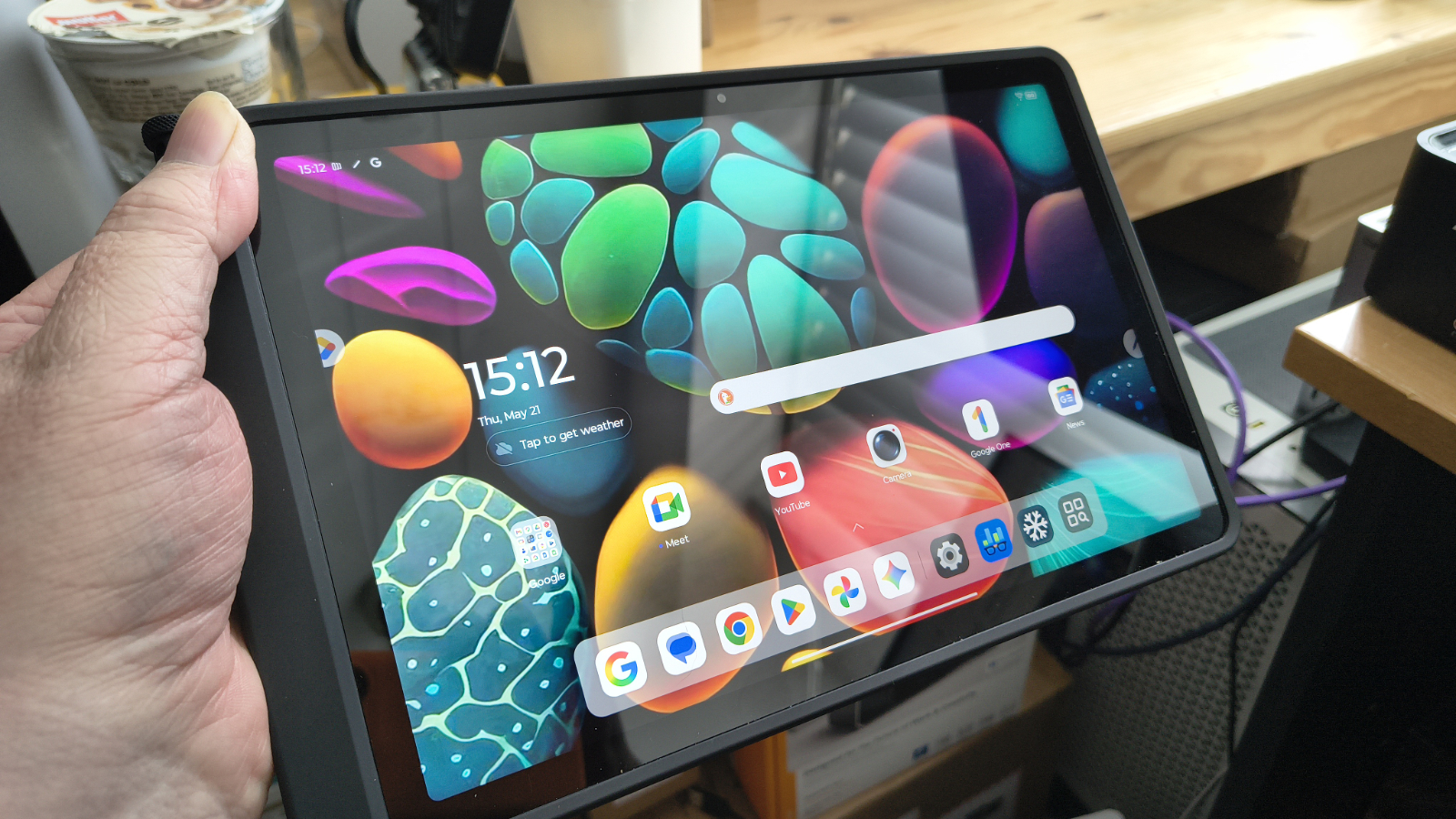
The device is powered by the Qualcomm Snapdragon 7s Gen 3, a 4nm octa-core SoC that balances high-efficiency processing with enough graphical headroom to handle complex ERP applications, real-time mapping, and high-definition video calls.
Chronology of the Launch
The journey of the ThinkTab X11 began in earnest on March 2, 2026, when Lenovo officially unveiled the series at Mobile World Congress (MWC) in Barcelona. The announcement was positioned as a strategic expansion of Lenovo’s commercial portfolio, aiming to bridge the gap between their traditional "Think" series laptops and the growing demand for mobile, ruggedized Android solutions.
Following the initial reveal, the device began its staggered rollout. As of the second quarter of 2026, the tablet has been listed as "Coming Soon" in key regions, with a firm confirmation of availability for the EMEA (Europe, the Middle East, and Africa) region starting in April 2026. While North American availability remains unconfirmed, the product’s design as a global commercial SKU suggests a broader, albeit selective, release strategy.
Supporting Data and Technical Specifications
To understand the ThinkTab X11’s position in the market, one must look at the hardware configuration. The device is not a "one-size-fits-all" solution, which is evidenced by the confusingly large array of SKUs currently available—eight distinct models in the UK alone.
Core Hardware Breakdown:
- Processor: Qualcomm Snapdragon 7s Gen 3 (4nm).
- Memory/Storage: 8GB or 12GB LPDDR5 RAM; 128GB to 512GB UFS 3.1 storage.
- Battery: 10,200mAh (removable).
- Connectivity: Wi-Fi 6E, Bluetooth 5.4, and optional 5G capabilities.
- Security: Side-mounted fingerprint reader and front-facing NFC for access control.
- Durability: IP68 submersion (1.5m for 30 min) and MIL-STD-810H.
In synthetic benchmark testing, the Snapdragon 7s Gen 3 demonstrates a clear advantage over older rugged tablets. In Geekbench 6, the X11 achieved a multi-core score of 3,293, significantly outperforming the Samsung Galaxy Tab Active5 5G’s 2,668. Most impressively, the battery life testing revealed the device’s endurance, with the X11 running for over 28 hours in standard productivity scenarios, with nearly 40% charge remaining.
Official Responses and Market Positioning
Lenovo has positioned the ThinkTab X11 as a "commercial product," signaling that it is not intended for the high-street consumer. During the MWC launch, Lenovo representatives emphasized the importance of "operational continuity."
The industry consensus is that Lenovo is directly challenging the Samsung Galaxy Tab Active5 Pro. By offering a starting price of approximately €499 (or ~£499 in the UK), Lenovo is pricing the X11 at a parity level with the current market leader. However, the company has remained quiet on specific volume-contract pricing, noting that enterprise buyers should expect custom pricing based on fleet size and service agreements.
Market analysts suggest that the "ridiculous" number of SKUs—ranging from models with full navigation suites (GPS, Beidou, Galileo) to those without, and varying pen support—is a double-edged sword. While it allows businesses to buy exactly what they need without paying for unused features, it creates a significant barrier to entry for procurement managers trying to navigate the product catalog.
Implications for Enterprise Users
The introduction of the ThinkTab X11 has several implications for the future of field-based work:
1. The Death of the "Disposable" Tablet
The most critical implication is the shift toward repairability. For years, tablets were considered disposable items that, once the battery failed, were relegated to the recycling bin. The X11’s user-accessible battery compartment proves that manufacturers are listening to the demand for longer-term sustainability in enterprise fleets.
2. Dual USB-C Versatility
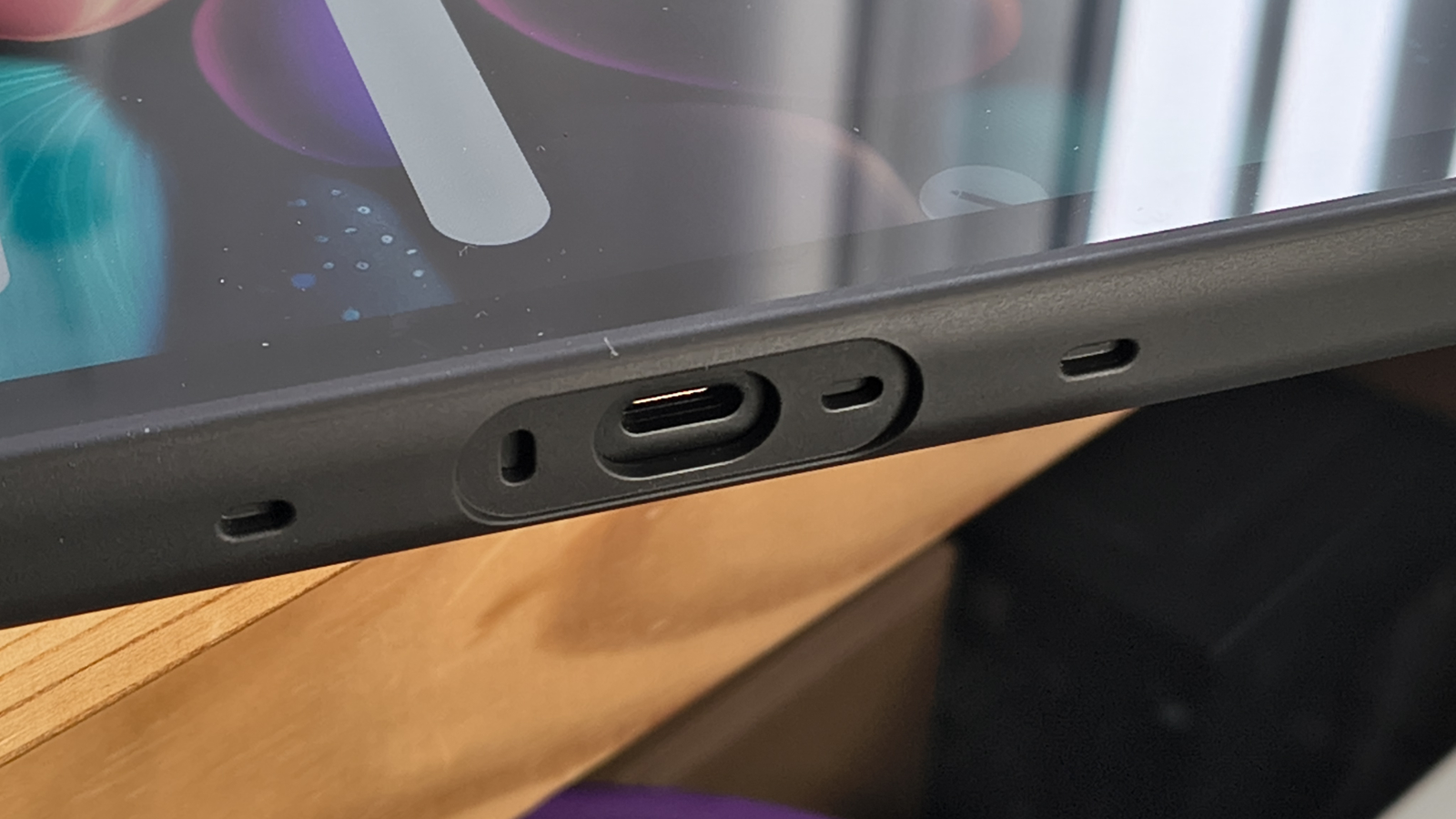
The inclusion of two USB-C ports is a standout feature that sets the X11 apart. It allows for simultaneous charging and peripheral use (such as a keyboard, barcode scanner, or external drive) without the need for cumbersome docking stations. This is a game-changer for technicians who need to perform data offloads while keeping the device powered.
3. The Camera Bottleneck
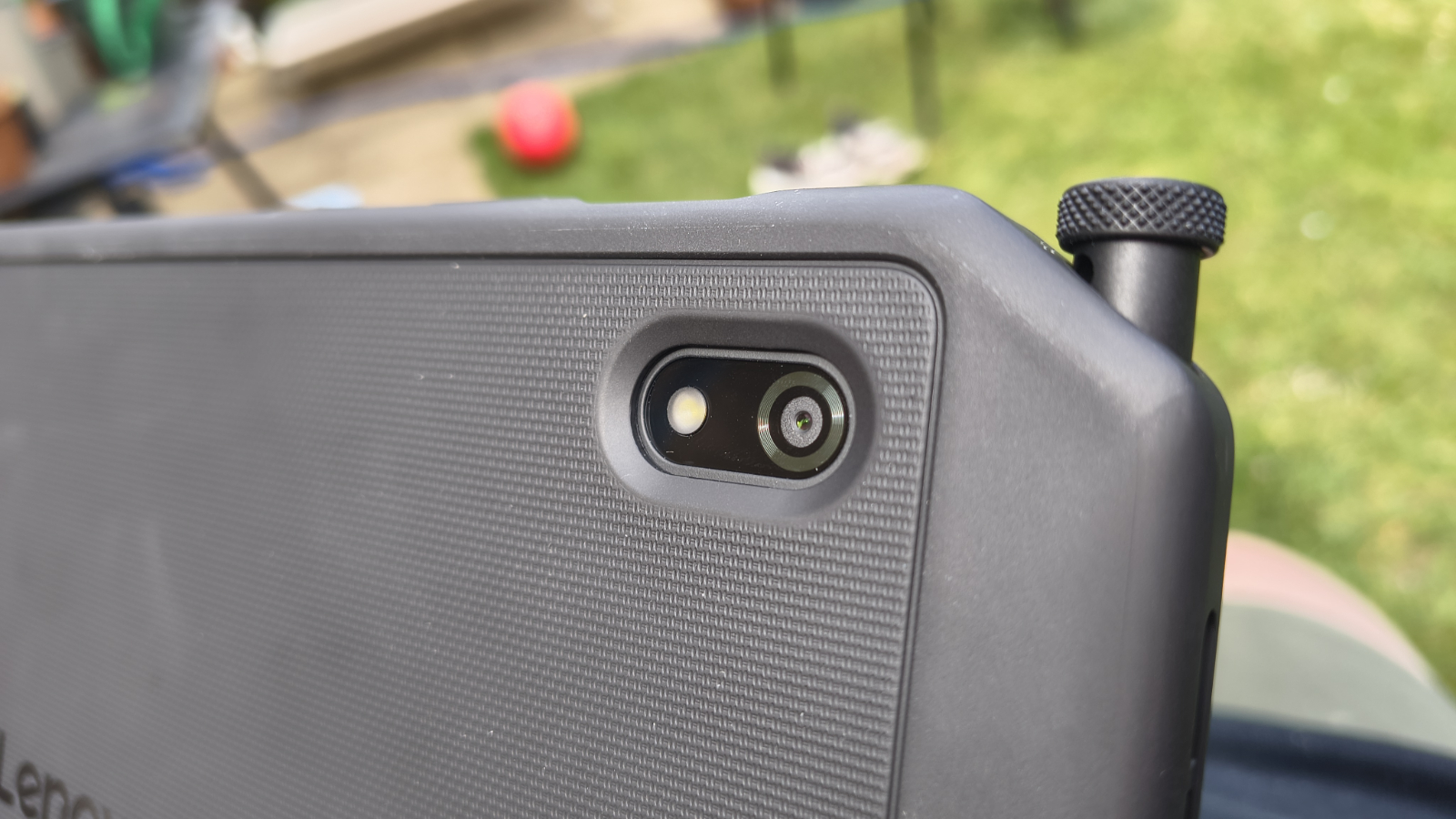
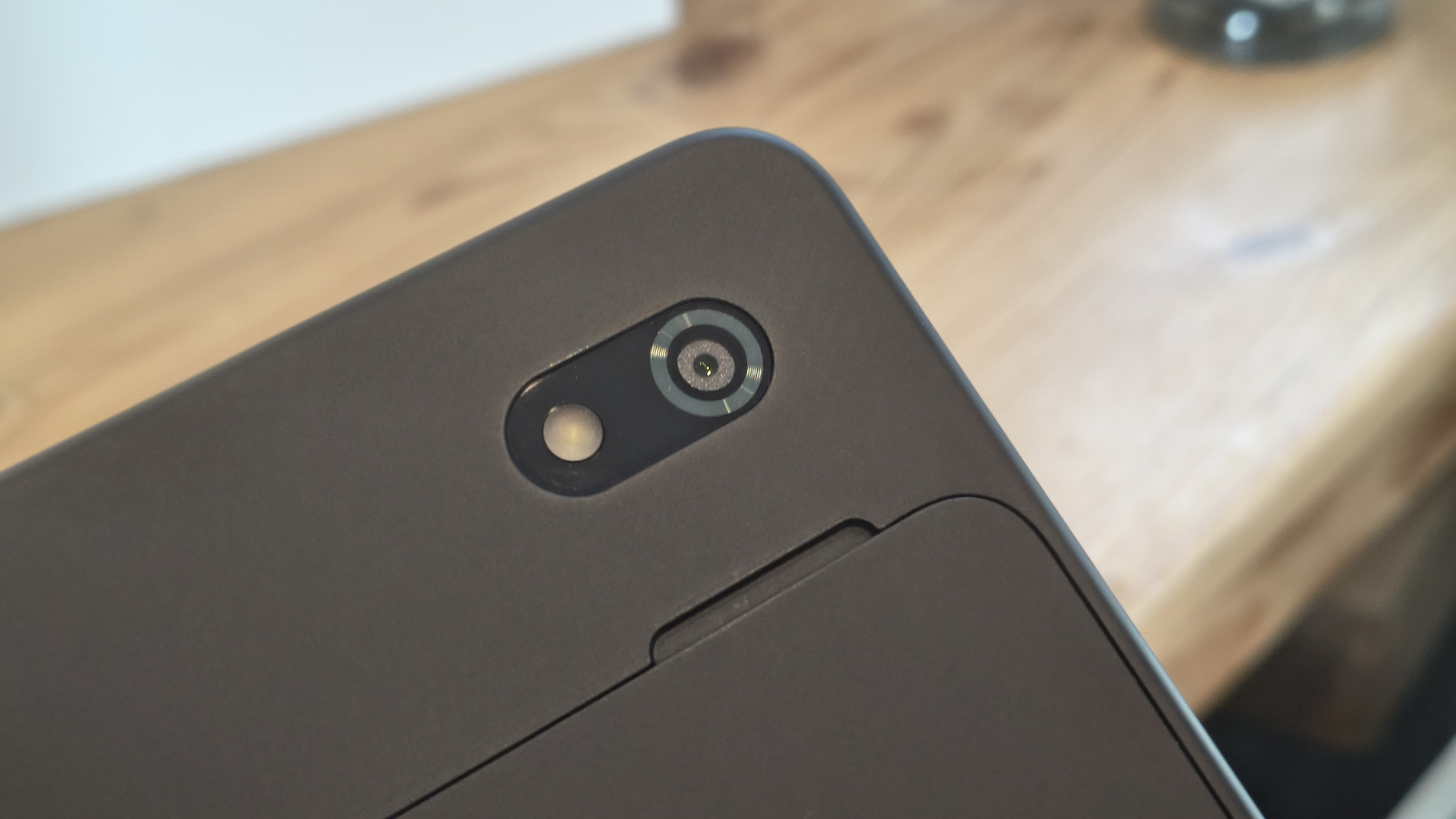
Despite the high marks for design and performance, the camera hardware remains a weak point. The 13MP rear sensor and 8MP front sensor are functional for document scanning and video conferencing, but they feel dated compared to modern smartphone standards. For industries requiring high-fidelity documentation (e.g., insurance adjusters or remote medical diagnostics), the camera quality may be a limiting factor.
4. The Naming Dilemma
A recurring criticism of Lenovo’s current strategy is the complexity of its naming conventions. The confusion between the "ThinkPad" (laptop) and "ThinkTab" (tablet) brands, combined with the "Gen 1" suffix, is creating friction. As one expert noted, "A customer shouldn’t need a degree in Lenovo-ology to understand what they are buying."
Final Verdict: Is It Worth the Investment?
The Lenovo ThinkTab X11 Gen 1 is a formidable piece of engineering. It successfully navigates the delicate balance between ruggedized durability and modern, responsive performance.
Buy it if:
- You manage a field-based workforce and need a device that can survive drops, spills, and extreme environments.
- You require a "battery-less mode" for fixed-location or vehicle-mounted operation, which is a critical feature for fleet management.
- You want a device that supports long-term field use through a replaceable battery system.
Don’t buy it if:
- You are a general consumer looking for a sleek, high-end entertainment tablet.
- You are based in a region (such as the US) where distribution timelines are still being ironed out, potentially leading to support and warranty delays.
In summary, the ThinkTab X11 is a "workhorse" device. It may lack the polish and camera prowess of a consumer flagship, but for the enterprise user, it offers reliability, power, and a commitment to longevity that is currently hard to beat. Lenovo has set a high bar for the "Gen 2" iteration; if they can simplify their SKU catalog and upgrade the optics, they may well find themselves at the top of the rugged tablet mountain.


 Iffa Jayyana
 Asep Darmawan