Rifan Muazin
In the modern era of travel, the "proof of presence"—the photograph—has arguably become as important as the experience itself. From the Louvre to the smallest artisan café in Tokyo, the ubiquitous glow of smartphone screens often dictates how we consume culture. Yet, nestled within the lush expanse of Aichi Earth Expo Memorial Park in Nagakute City, Aichi Prefecture, Ghibli Park is staging a quiet, defiant revolution against this digital saturation.
By enforcing a strict prohibition on photography and video recording within the vast majority of its interior exhibits, Studio Ghibli has inadvertently created a new paradigm for theme park design. For those accustomed to curating their lives for social media, the initial restriction can feel like a limitation; however, as our recent site visit confirmed, this policy is the cornerstone of a transformative experience that prioritizes genuine sensory engagement over digital documentation.
The Architecture of Silence: Understanding the Ban
When guests first arrive at Ghibli Park, they are greeted by life-sized, tangible manifestations of some of cinema’s most beloved films. From the rustic charm of My Neighbor Totoro’s Kusakabe house to the cluttered, magical chaos of Howl’s Moving Castle, the park is a masterclass in set design.
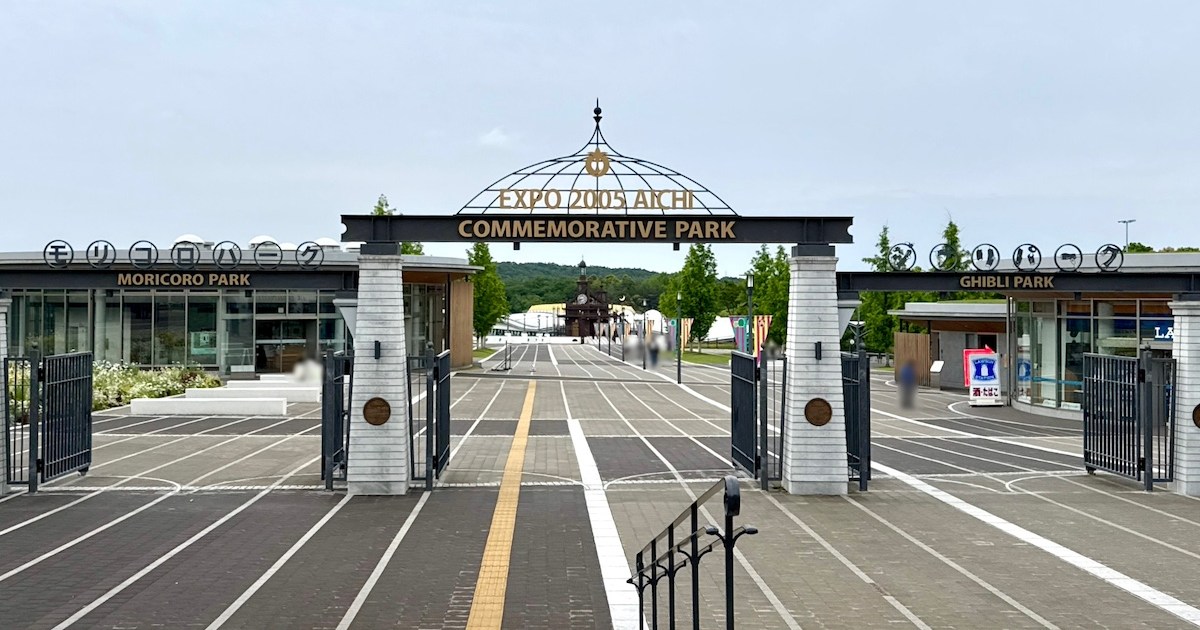
The policy is clear: with the exception of the "Becoming Characters in Memorable Ghibli Scenes" exhibit inside Ghibli’s Grand Warehouse—which specifically features 14 dioramas designed for photography—the interiors are strictly off-limits to cameras and smartphones.
This is not a capricious rule designed to frustrate fans; it is a calculated choice in spatial management and atmospheric preservation. In an era where "influencer culture" can turn a quiet corner into a congested bottleneck, the ban ensures that the flow of human traffic remains fluid. Without the constant stop-and-start of visitors framing shots or adjusting lighting, the narrow corridors and intimate rooms of the park maintain a sense of calm. The ban effectively eliminates the "live-streamer" phenomenon, protecting the privacy of fellow guests and ensuring that the focus remains on the environment rather than the performance of visiting it.
Chronology of a Policy: From Concept to Implementation
The decision to limit photography was not a last-minute adjustment, but rather an extension of Studio Ghibli’s long-standing philosophy. Since the inception of the Ghibli Museum in Mitaka, Tokyo, the studio has maintained a "no photography" policy, arguing that visitors should experience the space with their own eyes rather than through a viewfinder.
- Early Conceptualization: During the planning phases, Goro Miyazaki, the director of Ghibli Park, emphasized that the park was intended to be "lived in." His instructions to staff included nuances such as folding laundry as if the characters had just stepped out of the room, and ensuring that props were tactile.
- Operational Rollout: Upon opening the initial phases of Ghibli Park, the studio extended these philosophical constraints to the Aichi location. The goal was to create a space that felt like a "real" residence, rather than a museum set.
- The Visitor Experience: Over the past year, the policy has faced public scrutiny—both praise for its preservation of atmosphere and mild frustration from those wishing to share their journey online. However, as the park continues to mature, the consensus among regular visitors is that the policy acts as a "filter," ensuring that those who attend are there for the craft, not just the social media cachet.
Supporting Data: The Sensory Dividend
What happens when you take away the phone? According to psychological research into "digital amnesia"—the tendency to rely on technology to remember experiences—removing the camera forces the brain to encode memories more deeply.
In Ghibli Park, this phenomenon is palpable. Because guests cannot rely on a digital archive to "save" their visit, they engage in higher-order sensory processing:
- Olfactory Memory: Visitors report noticing the faint, authentic scent of mothballs in the Kusakabe family dresser or the smell of aged wood in the kitchen.
- Tactile Engagement: Because the park encourages visitors to open closets, touch the furniture, and inspect the dishes, the physical connection to the environment becomes the primary takeaway.
- Spatial Awareness: Without the screen, visitors are forced to navigate the scale and architecture of the buildings, leading to a profound appreciation for the craftsmanship involved in building a "fully functional" house with a wood-fired stove and working hearth.
Official Stance and The Creative Vision
Studio Ghibli has remained consistent in its messaging: they are not interested in creating a "content farm." The official stance, echoed in the documentary Until Ghibli Park is Finished, suggests that the park is a living, breathing entity.

"It is good to touch the house as much as possible," Goro Miyazaki noted during the construction phase. By removing the camera, the park prevents the "museum-ification" of these spaces. When you are allowed to touch, open, and explore, the house ceases to be a static display and becomes a narrative space. The lack of photography preserves the mystery of these spaces. In an age where every detail of a new attraction is usually spoiled by thousands of YouTube "walkthroughs" before a fan even sets foot in the park, Ghibli Park remains a rare commodity: a place of genuine, un-spoiled surprise.
Implications: The Future of Theme Park Design
The success of Ghibli Park’s restrictive policy poses a difficult question for the industry at large: Have we traded the quality of our experiences for the volume of our content?
In many modern theme parks, the "experience" has been commodified. The drive to create "Instagrammable moments" has led to a race for aesthetic over substance. Lines are no longer just for rides; they are for photo ops. Retail spaces are designed around the exclusivity of merchandise, often leading to the rise of reseller markets that inject anxiety into what should be a leisure activity.

Ghibli Park offers an alternative model. By eschewing the pressure to produce social media content, it fosters:
- Reduced Friction: Interactions between guests are more organic, as the competition for "the perfect shot" is removed.
- Increased Value: The focus shifts from what the park looks like to how the park feels. This adds an inherent value to the ticket price that cannot be replicated by viewing a video online.
- Emotional Resilience: By removing the "spoiler" element of high-definition video documentation, the park maintains a sense of wonder. Stepping into the dimly lit, cluttered bedroom of Howl’s castle is a visceral experience that a screen simply cannot translate.
Conclusion: A Return to Presence
The photography ban at Ghibli Park is more than just a rule—it is a philosophical stance on the nature of memory. It serves as a reminder that the most vivid memories are not those captured on a sensor, but those etched into our own consciousness through active participation.
As the world continues to move toward a more digitized, screen-heavy existence, Ghibli Park stands as a sanctuary. It is a place where you are invited to put your phone in your pocket, open a creaky wooden door, and discover the world of Hayao and Goro Miyazaki for yourself—not for the benefit of your followers, but for the benefit of your own imagination. In a world that is constantly asking us to share, Ghibli Park asks us to simply be.


 Neng Nana
 Asro
Asro