Basiran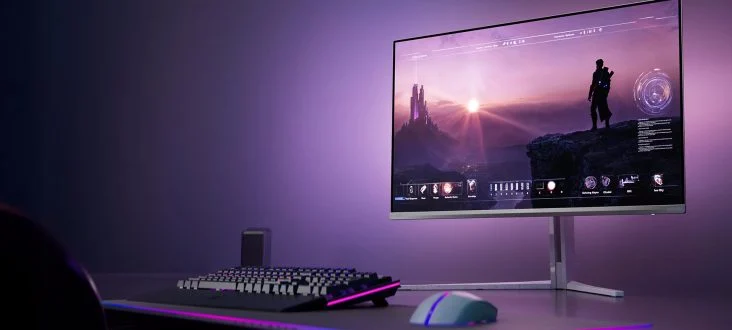
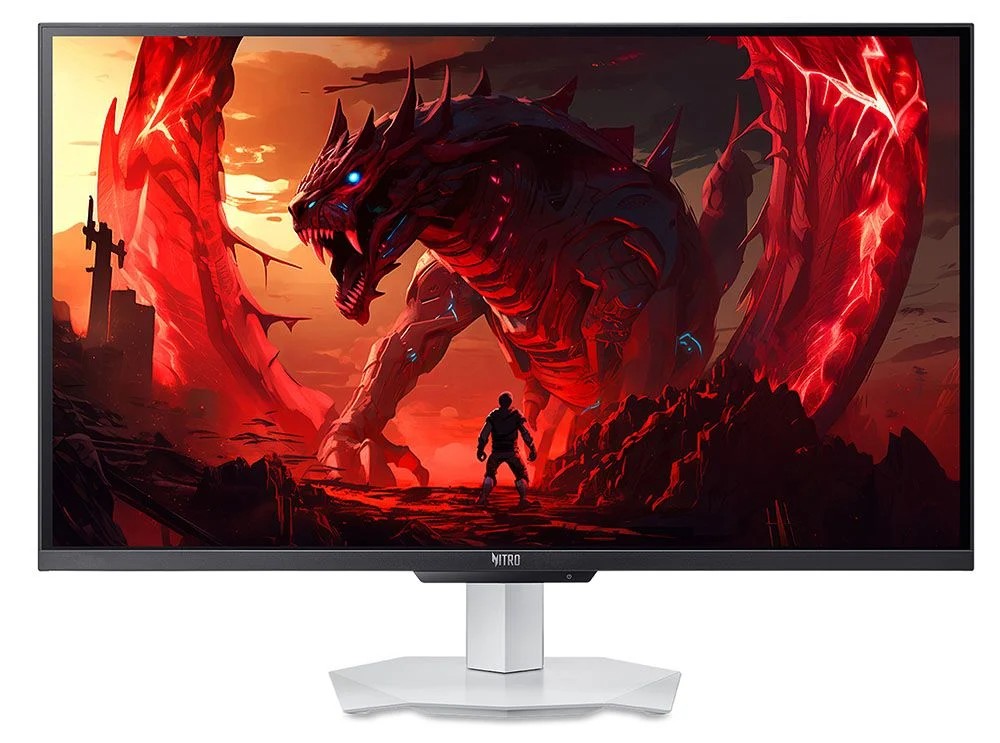
The landscape of high-end gaming displays is shifting rapidly as manufacturers push the boundaries of pixel density, color accuracy, and refresh rates. Philips Evnia, the dedicated gaming sub-brand of MMD (a specialist display company), has officially announced the launch of its flagship 32M2N8900P. This 31.5-inch 4K gaming monitor represents the pinnacle of current display technology, utilizing a 4th-generation QD-OLED panel to bridge the gap between competitive gaming performance and professional-grade color production. With a retail price set at £829.99 and a scheduled market arrival in June 2026, the 32M2N8900P is positioned to challenge incumbents in the premium monitor segment.
Main Facts: A Technical Overview
At the heart of the 32M2N8900P lies the latest iteration of Samsung Display’s Quantum Dot OLED (QD-OLED) technology. By combining self-emissive OLED pixels with a quantum dot layer, the monitor achieves a level of vibrance and contrast that traditional LED-backlit LCD panels struggle to emulate.
The monitor boasts a native 4K resolution (3840 x 2160), providing exceptional clarity across its 31.5-inch footprint. Gamers are treated to a 240Hz refresh rate, ensuring fluid motion in fast-paced titles, while the 0.03ms (GtG) response time practically eliminates ghosting and motion blur. Beyond raw speed, the panel offers true 10-bit color reproduction, covering 99.5% of the DCI-P3 color gamut and 97.7% of the Adobe RGB space. These specifications make the display a legitimate tool for video editors, graphic designers, and colorists who require precision in their creative workflows.
To address the common industry concerns regarding longevity, Philips Evnia has backed the 32M2N8900P with a comprehensive three-year warranty that specifically covers pixel burn-in—a significant peace-of-mind feature for consumers wary of the organic nature of OLED displays.
Chronology: The Evolution of the Evnia Line
The release of the 32M2N8900P is the culmination of a multi-year strategy by Philips to reposition its gaming portfolio.
- The Inception (2022): Philips launched the "Evnia" brand, moving away from the more utilitarian branding of its professional monitors. The goal was to emphasize aesthetics, premium materials, and a "gamer-centric" experience.
- The Early OLED Expansion (2024): Following initial forays into standard gaming monitors, Evnia began integrating OLED technology into its mid-tier offerings, testing the waters with 27-inch and 34-inch ultra-wide formats.
- The Integration Phase (2025): The brand focused on "Smart" features, introducing the Evnia Precision Center software, which allowed for better synchronization between monitor settings and external lighting peripherals.
- The Flagship Launch (May 2026): Philips announced the 32M2N8900P, marking its most ambitious entry into the "4K/240Hz" space. This launch signifies a maturation of their supply chain, as they now possess the ability to bring 4th-gen QD-OLED panels to market at a competitive price point.
Supporting Data: Performance and Connectivity
Beyond the panel, the 32M2N8900P is designed as a central hub for a modern desktop environment.
Connectivity and Multi-Tasking
The rear I/O is remarkably robust. With the inclusion of HDMI 2.1 and DisplayPort 2.1, the monitor is fully equipped to handle high-bandwidth signals required for 4K 240Hz gaming, ensuring compatibility with current-gen consoles and high-end PC hardware. The integration of a USB-C port supporting 65W power delivery is a standout feature, allowing users to connect laptops or tablets to the display, charging them while simultaneously transmitting video and data. The built-in KVM (Keyboard, Video, Mouse) switch allows users to control two different computers using a single set of peripherals, further simplifying the desk setup.
Software and Immersion
Philips has doubled down on its "Ambiglow" technology. By utilizing AI-enhanced processing, the monitor analyzes the screen content in real-time and projects matching colors onto the wall behind the screen. The new "AmbiScape" system elevates this by allowing synchronization with up to 10 external Matter-certified smart lights, effectively turning the entire room into an extension of the game world.
Furthermore, the monitor includes competitive gaming aids:
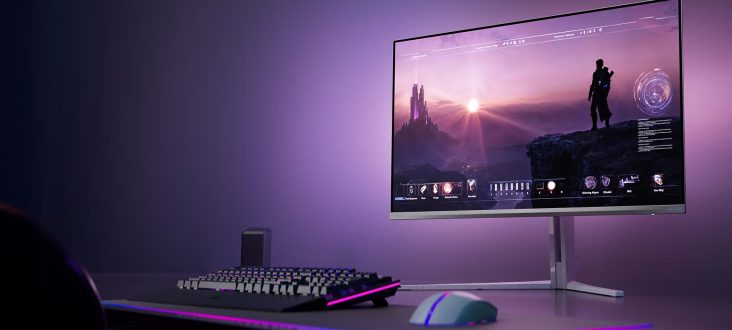
- Smart Crosshair: A software-based aiming reticle that is always centered, providing a consistent reference point.
- Shadow Boost/Stark Shadow Boost: Advanced gamma mapping that lifts the brightness of dark areas without washing out the highlights, providing a tactical advantage in titles with low-light environments.
Official Responses and Strategic Positioning
In official statements, Philips Evnia representatives have emphasized that the 32M2N8900P is not merely a monitor but a "lifestyle centerpiece."
"We understand that modern users do not separate their gaming life from their professional life," a company spokesperson noted. "By providing VESA DisplayHDR True Black 500 certification alongside our 240Hz refresh rate, we are ensuring that the 32M2N8900P performs equally well during a high-stakes competitive match as it does during a high-end color grading session."
The pricing strategy at £829.99 is particularly aggressive. In a market where high-end OLEDs often exceed the £1,000 threshold, Philips is betting that the combination of brand trust, a three-year burn-in warranty, and the inclusion of advanced connectivity (KVM, 65W PD) will attract power users who are looking for a singular solution for their office and gaming needs.
Implications for the Display Industry
The release of the 32M2N8900P has several broader implications for the monitor industry as we head into the second half of 2026:
The "OLED-fication" of the Desktop
With monitors like the 32M2N8900P and competitors like the recently launched Gigabyte GO27Q24G hitting the market, the cost barrier to entry for OLED technology is collapsing. As these panels reach the 32-inch 4K form factor—long considered the "gold standard" for desktop enthusiasts—the demand for legacy IPS and VA panels in the high-end gaming tier is expected to wane.
The Rise of Smart Ecosystems
The integration of Matter-certified smart lighting reflects a growing trend in PC peripherals: the transition from "isolated hardware" to "smart home ecosystems." By allowing a monitor to control the lighting of an entire room via the Evnia Precision Center, Philips is attempting to increase brand stickiness. Once a user has set up an AmbiScape ecosystem, they are more likely to purchase subsequent peripherals from the same manufacturer to maintain compatibility.
Durability and Consumer Trust
The decision to include a 3-year burn-in warranty is a strategic necessity rather than a luxury. As QD-OLED panels gain market share, consumer anxiety regarding screen degradation remains the primary obstacle to widespread adoption. By formalizing this protection, Philips is effectively moving the goalposts, forcing competitors to offer similar guarantees to remain relevant.
Final Thoughts
As we approach the mid-2026 release date, the Philips Evnia 32M2N8900P stands as a testament to how far display technology has come in a remarkably short time. By balancing the raw performance of a 240Hz 4K OLED with the practical requirements of the modern professional—such as KVM switching and 65W power delivery—Philips has crafted a display that refuses to compromise. Whether this device will define the standard for the coming year remains to be seen, but it is clear that the transition to OLED in the PC space is no longer a future trend; it is the current reality.
For the enthusiast who has been waiting for the "perfect" monitor—one that handles fast motion without artifacts, displays deep blacks for cinematic immersion, and offers enough color accuracy for professional work—the wait is nearing its end. The question remains: is your current setup ready to make the jump to the next generation of visual fidelity?

 Nila Kartika Wati
 Nana Wu