Ammar Sabilarrohman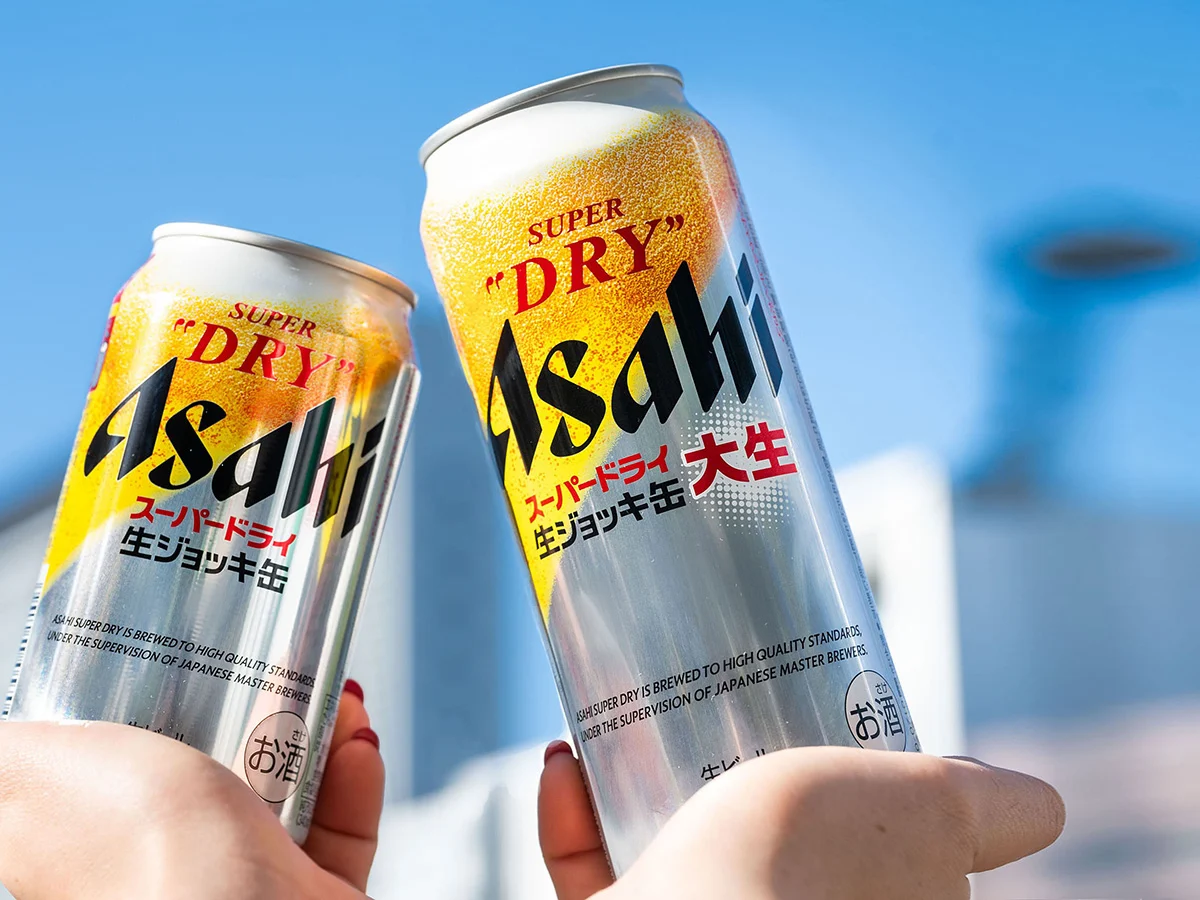
For travelers and locals alike, the Japanese izakaya experience is often synonymous with the iconic nama—a crisp, cold draft beer served in a heavy glass mug, topped with a delicate, velvety layer of foam. It is a sensory ritual: the condensation on the glass, the perfect ratio of liquid to froth, and the refreshing, clean finish of a beer poured straight from the tap.
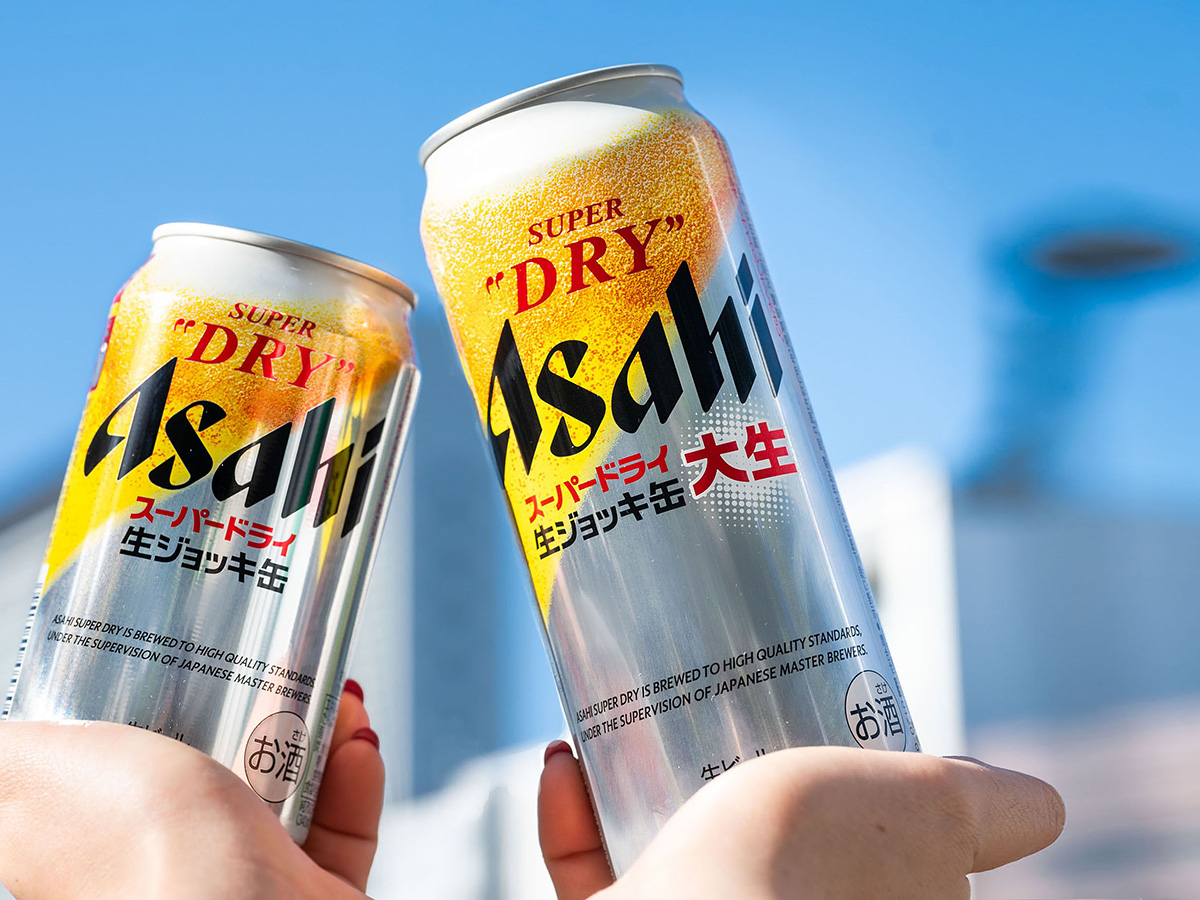
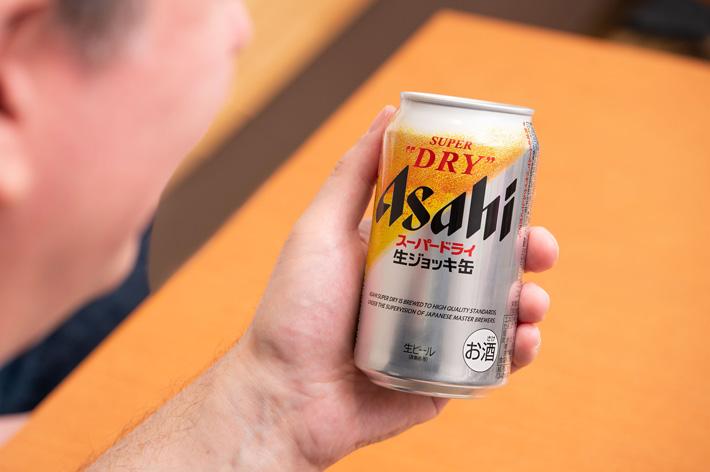
However, the convenience of modern life rarely aligns with the leisurely pace of an izakaya. For those on the move or seeking the comfort of home, the traditional canned beer has long been the only viable alternative. Yet, canned beer has historically lacked the "theatre" and the specific texture of a draft pour. That gap in the market has now been decisively closed by Asahi Breweries, Ltd., with the introduction of their groundbreaking "Asahi Super Dry Nama Jokki Can."
The Genesis of the "Nama Jokki"
The concept of the Nama Jokki (literally "draft beer mug") is rooted in a simple but ambitious goal: to replicate the tavern experience within the confines of a portable aluminum vessel. Launched to significant acclaim, this product is the world’s first canned beer designed to naturally develop a thick, creamy head the moment it is opened.
The innovation relies on a patented design that departs from the standard beverage can. Unlike traditional cans that require a small tab-actuated opening, the Nama Jokki features a full-aperture lid. When the user pulls the tab, the entire top of the can lifts off, transforming the can itself into a drinking vessel. As the lid is removed, the pressure differential triggers a rapid nucleation process, causing a fine, bubbly head to rise naturally—mimicking the precise pour of a professional bartender.

Chronology of an Innovation
The development of the Nama Jokki was not an overnight success but the result of years of rigorous research and development.
- 2017–2019: Asahi’s R&D team began testing various interior coatings and lid mechanisms. The primary challenge was balancing the carbonation levels required for the "Super Dry" profile with the specific foam-inducing texture needed for the interior surface.
- October 2021: Following rigorous testing and quality assurance, the product was officially validated by industry databases, including Mintel, as the world’s first canned beer to naturally produce a foamy head upon full opening.
- Market Launch: The initial rollout in Japan was met with such overwhelming demand that Asahi had to temporarily suspend sales shortly after the launch to manage supply chain shortages. This "beer panic," as it was dubbed by local media, underscored the massive consumer appetite for an elevated at-home drinking experience.
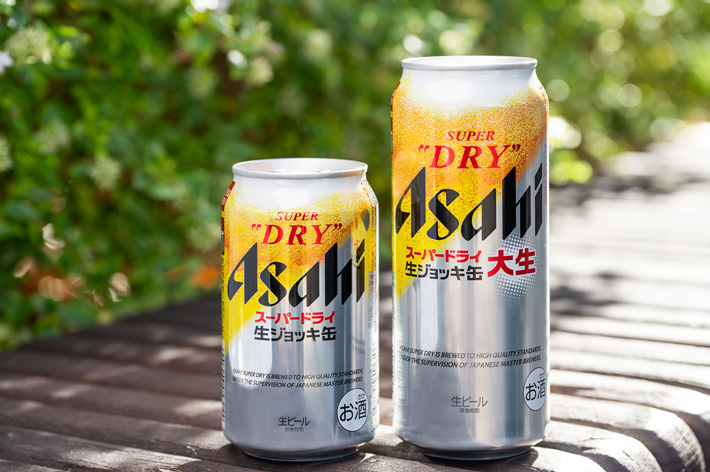
- Ongoing Expansion: Since its debut, the product has become a staple in Japanese convenience stores, available in 340ml and 485ml formats, cementing its place as a cultural phenomenon in the Japanese beverage market.
Supporting Data and Technical Mastery
The success of the Nama Jokki is not merely aesthetic; it is a masterclass in materials science. The interior of each can is treated with a specialized double-coating process. This microscopic texture increases the surface area and creates thousands of nucleation points, which forces the carbon dioxide in the beer to form significantly smaller bubbles than those found in standard canned beers.
When poured or opened, these smaller bubbles create a denser, more stable head. In the world of beer appreciation, this foam is not just for show—it serves as a protective layer that prevents the beer from oxidizing too quickly, preserving the crisp, sharp, "Karakuchi" (dry) flavor profile that Asahi Super Dry is world-renowned for.
The design also prioritizes safety. While the lid is wide-open, the edges are precision-engineered to be smooth, ensuring that the consumer can drink directly from the can without the risk of abrasions. This design choice mirrors the ergonomics of a traditional beer mug, allowing for a "full swig" experience that provides a superior mouthfeel compared to the narrow aperture of a standard soda or beer can.

Official Perspectives: The "Izakaya at Home" Concept
Asahi Breweries has framed the Nama Jokki as a solution to the "time-poor" consumer. In official statements, the company emphasizes that their goal was to democratize the draft beer experience.
"We wanted to remove the barrier between the professional draft pour and the consumer," an Asahi spokesperson noted during the product’s reveal. "By making the can the glass, we are allowing people to enjoy the ‘first sip’ sensation of a fresh draft beer in a park, a hotel room, or during a seasonal hanami (cherry blossom viewing) picnic."

The product has been widely lauded by industry critics for its "sensory-first" approach. By engaging the sense of smell more effectively—thanks to the wide opening that allows the aroma of the hops and malt to reach the nose more directly—Asahi has successfully elevated the convenience store purchase into a premium experience.
Societal and Cultural Implications
The Nama Jokki has had a profound impact on Japanese drinking culture. It has effectively bridged the gap between the "high-end" bar experience and the "low-effort" home consumption model.

1. The Souvenir Economy
For international tourists, the Nama Jokki has become more than just a drink; it is a sought-after souvenir. It serves as a tangible piece of Japanese technological ingenuity. Travelers frequently cite the "wow factor" of opening the can as a highlight of their trip, often bringing them back home to share with friends as a demonstration of Japanese innovation.
2. Convenience and Outdoor Leisure
In Japan, where outdoor public gatherings such as hanami or fireworks festivals are central to social life, the Nama Jokki has become the gold standard for beverage choices. It eliminates the need to carry glass cups or portable taps, providing a professional-grade pour in a disposable, recyclable package.
3. Changing Consumer Expectations
The success of this product has raised the bar for global beverage manufacturers. Consumers are now asking: if a canned beer can provide the experience of a fresh draft, why should we settle for the flat, metallic taste of traditional canned options? This is forcing competitors to invest heavily in can-liner technology and lid design, potentially ushering in a new era for the canned beverage industry at large.
Looking Ahead: A Global Shift
While the 485ml cans remain a staple of the Japanese market, the implications of this technology are global. Asahi’s ability to scale a high-tech, precision-engineered manufacturing process for mass consumption suggests that the "Nama Jokki" model may soon be adapted for other beer styles and international markets.
The Nama Jokki serves as a reminder that innovation does not always require changing the product itself—in this case, the beer inside remains the classic Asahi Super Dry—but rather changing the delivery mechanism. By shifting the focus to the user experience, Asahi has transformed a commodity product into an interactive event.
Conclusion: An Essential Japanese Experience
Whether you are a seasoned beer connoisseur or a traveler looking for a refreshing accompaniment to a convenience store bento, the Asahi Super Dry Nama Jokki Can is a must-try. It encapsulates the Japanese philosophy of omotenashi (hospitality)—anticipating the needs of the guest before they even realize them.

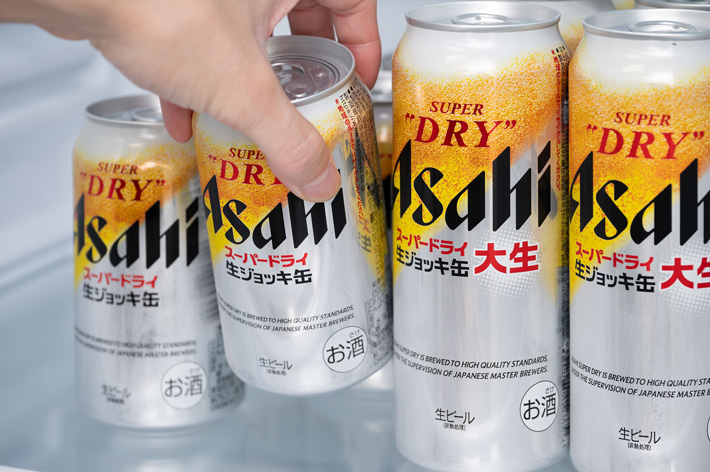
The next time you find yourself in Japan, look for that distinct wide-lid can in the refrigerated section of your local konbini. It is more than just a drink; it is a portable, pocket-sized pub that brings the spirit of the Japanese izakaya wherever your journey takes you.
Disclaimer: Underage drinking (less than 20 years of age in Japan) and drink-driving are strictly prohibited by law. Please consume alcohol responsibly and ensure that you dispose of your cans in accordance with local recycling regulations. Enjoy the experience, but always prioritize safety and local etiquette.


 Neng Nana
 Asro
Asro