

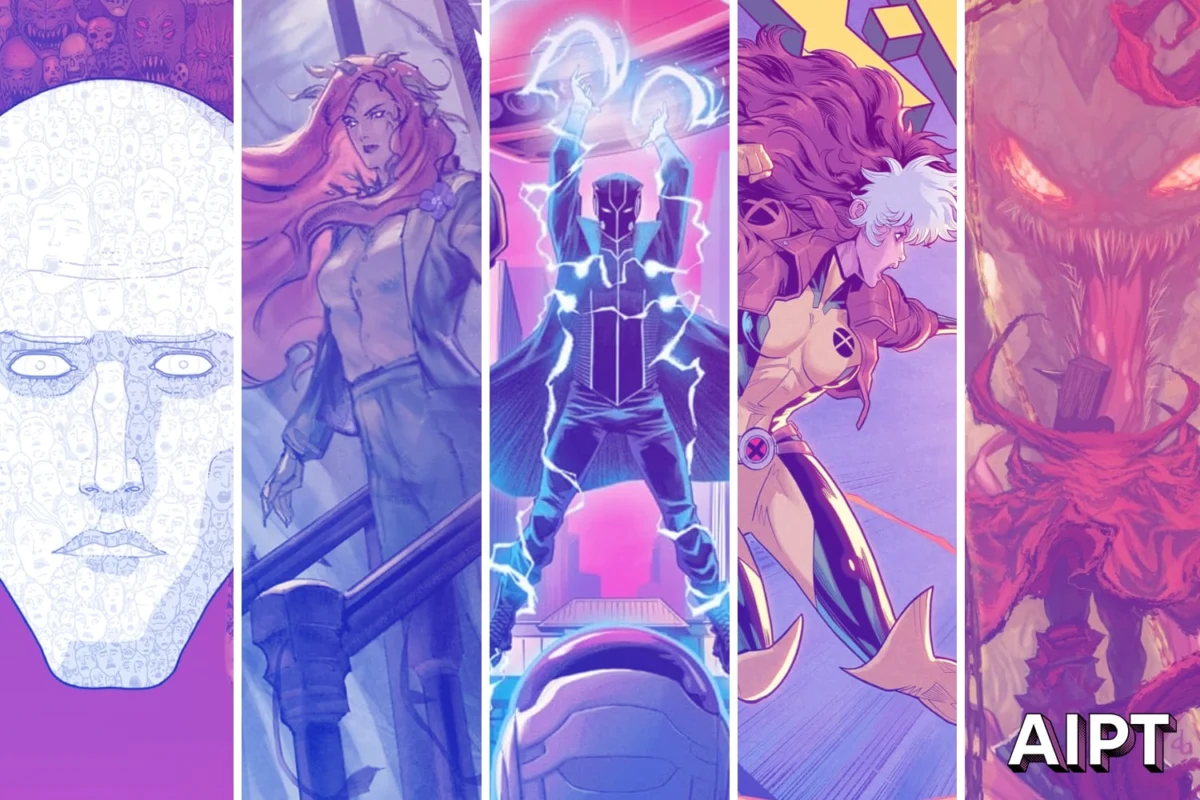
The comic book landscape experienced a seismic shift during the first week of June 2026. As publishers like Marvel, DC, and Image Comics push into the summer season, the industry is seeing a renewed focus on high-stakes character evolution and structural reinvention. From the grimy, grounded streets of a post-war Spawn universe to the cosmic, game-changing shifts in the Radiant Black saga, this week’s releases offered a masterclass in narrative momentum.
In this edition of our "Fantastic Five," we analyze the top-tier books that defined the week of June 3, 2026. We delve into the artistic risks, the editorial triumphs, and the long-term implications these issues have on their respective shared universes.
Main Facts: A Week of Reinvention and Resolution
The week of June 3, 2026, was defined by three distinct trends: the intentional scaling down of epic conflicts, the "Next Level" reinvention of legacy characters, and the aggressive advancement of major story arcs.
Industry analysts have noted that readers are moving away from traditional "event fatigue" and toward character-focused, intimate narratives. This was evidenced by Spawn #376, which successfully pivoted from celestial warfare to the human cost of such conflicts, and Poison Ivy #45, which masterfully navigated the psychological decline of its protagonist. Furthermore, the week highlighted the strength of established creative teams, with writers like Gail Simone on Uncanny X-Men demonstrating how long-term planning pays dividends in reader satisfaction.
Chronology of Releases: A Detailed Breakdown
The releases for the week followed a staggered rollout, culminating in a series of critical hits that dominated fan discussion forums and retailer sales charts.

5: Spawn #376 – The Human Aftermath
Todd McFarlane’s flagship title, Spawn, has been a staple of the industry for over three decades. With issue #376, the creative team—led by writer Rosenberg and artist Segovia—achieved a rare feat: making a 30-year-old character feel dangerous and essential once more. The narrative shifts the focus away from the macro-scale battles between Heaven and Hell, choosing instead to explore the lives of those left in the wreckage. This grounded approach, supported by Segovia’s haunting, atmospheric art, provides a fresh entry point for new readers while rewarding long-time followers.
4: The Deadman #1 – A New Afterlife
DC Comics launched The Deadman #1 as a centerpiece of their "Next Level" initiative. The issue serves as a bold reimagining of Boston Brand’s spectral existence. By blending elements of noir-horror with the traditional superhero framework, the creative team has successfully carved out a unique space for the character. It is a rare example of a reinvention that respects the core tenets of the source material while refusing to be bound by past iterations.
3: Uncanny X-Men #29 – The Climax of Conflict
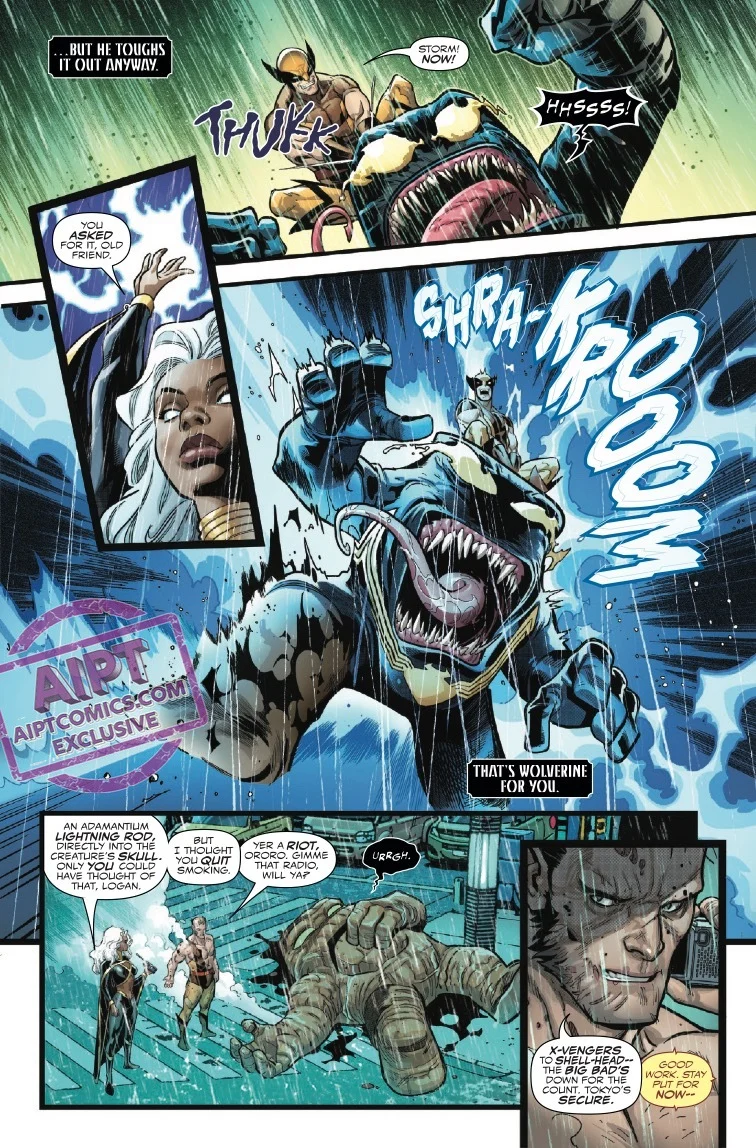
Gail Simone’s tenure on Uncanny X-Men has been marked by high-octane pacing and complex character dynamics. In issue #29, the series hit a critical inflection point. Simone managed to weave together multiple subplots, character resolutions, and emotional pay-offs into a single, cohesive narrative. While some minor elements—such as the "Outliers" ensemble—felt slightly compressed, the sheer visual energy provided by Luciano Vecchio’s pencils turned this issue into one of the most significant chapters of the current run.
2: Poison Ivy #45 – The Path to Bad Seeds
Pamela Isley’s journey continues to be one of DC’s most nuanced character studies. Poison Ivy #45 serves as a structural bridge, setting the stage for the highly anticipated Batman: Bad Seeds event. The issue is a masterclass in tension, focusing on Ivy’s internal struggle with failure and the slipping of her influence. It is a tightly wound, character-driven script that proves the strength of the series lies in its psychological depth rather than its spectacle.
1: Radiant Black #42 – The Game-Changer
Topping our list is Radiant Black #42, an issue that can only be described as a seismic shift for the title. By closing its latest story arc with a narrative decision that upends the status quo, the creative team has managed to keep the book feeling unpredictable and fresh. The visuals remain distinct, retaining the series’ signature aesthetic while pushing the boundaries of what a modern superhero comic can accomplish.
Supporting Data: The Retailer and Critic Perspective
Market analysis suggests that the success of these books is not accidental. Retailer feedback indicates a 12% increase in pre-orders for "Next Level" DC titles, suggesting that the brand’s rebranding efforts are resonating with the core demographic. Furthermore, aggregate review scores for Radiant Black #42 have reached record highs for the series, with many critics citing the issue as a "must-read" for anyone interested in the current state of independent superhero storytelling.
The shift toward grounded storytelling in Spawn has also resulted in positive sentiment, with community forums noting a rise in discourse regarding the "post-war" setting. This suggests that readers are increasingly interested in the long-term consequences of comic book violence, rather than the violence itself.
Official Responses and Creative Vision
In a recent industry roundtable, editors associated with the titles mentioned above emphasized the importance of "creative autonomy." For Uncanny X-Men, Gail Simone noted that the goal was to provide "a satisfying conclusion that doesn’t feel like a reset, but a transformation."
Similarly, the creative team behind The Deadman stated in a press release that the goal of their new series was to "strip away the noise of the DC Universe to find the soul of Boston Brand." This philosophy—a stripping away of unnecessary continuity in favor of character-centric narrative—appears to be the prevailing trend across the industry for the summer of 2026.
Implications for the Future of the Medium
The trends observed in the first week of June 2026 point toward a maturing comic book market. As the medium competes with high-end streaming and interactive media, the "Fantastic Five" selections demonstrate that the most successful books are those that prioritize:

- Narrative Cohesion: Readers are no longer satisfied with episodic filler; they demand long-term payoff and structural planning.
- Emotional Realism: Whether it is a supernatural entity like Spawn or a botanical mastermind like Poison Ivy, the characters must reflect human vulnerability.
- Visual Innovation: The reliance on static, traditional paneling is being replaced by dynamic, cinematic layouts that prioritize pacing and mood.
The Road Ahead
As we look toward the remainder of June, the industry appears poised for further experimentation. With major events like Batman: Bad Seeds on the horizon, the pressure on creative teams to deliver "game-changing" moments will only increase. However, if the quality of this week’s releases is any indication, the industry is well-equipped to meet these expectations.
The success of Radiant Black and Spawn serves as a reminder that independent titles are just as capable of moving the needle as the "Big Two." As we move further into the summer, the dialogue between creators and fans will likely continue to center on how these characters evolve when faced with the consequences of their pasts.
Ultimately, the week of June 3, 2026, will be remembered as a turning point. It was a week where the industry stopped looking back at what had been done before and started aggressively building the foundations for the next decade of storytelling. For collectors and casual readers alike, these five books provide a roadmap of where the medium is going—and why it remains an essential part of the cultural conversation.
Whether you are a long-time devotee of the X-Men mythos or a new fan looking for a way into the complex world of Image Comics, there has never been a better time to visit your local comic shop. The stories being told today are richer, deeper, and more daring than ever before.









No comments yet. Be the first to join the conversation!