


For over a quarter of a century, the name "atmos" has been synonymous with the evolution of sneaker culture, not just within the bustling streets of Tokyo, but across the global fashion landscape. Derived from the word "atmosphere," the brand was founded with a singular, ambitious goal: to be as essential, omnipresent, and familiar to the sneaker community as the air we breathe. Today, as a titan of the Japanese retail scene, atmos stands as a bridge between high-end fashion, technical innovation, and the raw, unadulterated energy of street culture.

Main Facts: The atmos Phenomenon
Established in the year 2000 in the heart of Harajuku, Tokyo, atmos has transitioned from a local sneaker boutique to a cultural institution. The retailer is renowned for its highly curated selection of footwear, often featuring rare, limited-edition, and exclusive models that cannot be found elsewhere.

Beyond its retail prowess, atmos is a creative powerhouse. The shop frequently collaborates with industry giants like Nike, adidas, and Salomon, infusing global silhouettes with a distinctively Japanese aesthetic. With a physical presence in major Japanese cities—including Tokyo, Osaka, Kyoto, and Okinawa—the brand serves as a pilgrimage site for international tourists and local enthusiasts alike. Its identity is anchored by its iconic "sneaker wall" and a commitment to promoting Tokyo’s unique street style to the international stage.
Chronology: A 25-Year Journey of Style
The history of atmos is a mirror reflecting the trajectory of global sneaker culture.

- 2000: atmos opens its doors in Harajuku, setting the stage for a new era of "sneakers as fashion."
- Early 2000s–2010s: The shop cements its reputation through daring collaborations, cementing the concept of the "exclusive store model."
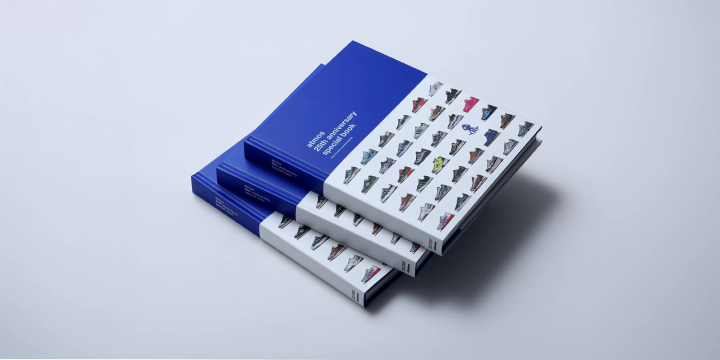
- 2025: Marking a massive milestone, the brand celebrates its 25th anniversary. To commemorate this, atmos released a "25th Anniversary Special Book" in collaboration with SHOES MASTER, the legendary sneaker magazine. This publication serves as a definitive archive of the shop’s history, detailing the shifts in design and culture that defined the last quarter-century.
- 2026: The brand continues its momentum with high-profile releases, including the reissue of the adidas "ULTRASTAR" in a MADE IN GERMANY format and the launch of the Salomon XT-4 "Great Wave" collection, an homage to classical Japanese art.
Supporting Data: The Current Landscape
As of mid-2026, atmos continues to dictate trends through a mix of heritage releases and cutting-edge collaborations.

Recent Flagship Releases
- adidas ULTRASTAR (MADE IN GERMANY): Priced at ¥44,000, this release signals a return to luxury craftsmanship. As a staple of 1980s street culture, the ULTRASTAR’s return via an exclusive Japanese release highlights the prestige of the local market.
- Salomon XT-4 "The Great Wave": This ¥33,800 model represents the fusion of technical sportswear and fine art. Inspired by Hokusai’s The Great Wave off Kanagawa, it stands as a testament to the brand’s ability to localize global technical performance gear.
- Air Jordan 1 Low "Banned": Priced at ¥23,650, this release taps into the nostalgia of the "Banned" colorway—the very shoe that fundamentally changed the marketing of basketball footwear.
Apparel and Lifestyle
The store’s influence is not limited to footwear. The Spring/Summer 2026 collection, titled "Replay: Back to Blue," encapsulates the brand’s versatility. By blending "Heisei retro" aesthetics with modern tech-wear, the collection features high-end materials like structured real leather, cementing the store’s role as a full-lifestyle curator. Furthermore, the "atmos pink" line, targeted at a fashion-forward audience, has expanded to include game-ready apparel that blurs the lines between stadium gear and street-ready high fashion.

Official Perspectives and Operational Standards
The ethos of atmos is consistently communicated through its commitment to the "atmos community." According to company statements, the store aims to remain an accessible, friendly space, regardless of the exclusivity of the products on its shelves.

However, prospective international customers should note that the brand maintains a strictly domestic-focused distribution model. Currently, atmos does not offer international shipping. This policy reinforces the "Japanese exclusivity" of their releases, driving physical foot traffic to their major hubs in Shibuya, Harajuku, and Omotesando. The store’s digital presence serves primarily as a window for international fans to admire the current lineup and coordinate their travel to Japan.

Implications: The Future of the Sneaker Boutique
The success of atmos holds significant implications for the future of global retail.

The "Flagship" Experience
In an age of e-commerce dominance, atmos proves that the physical store remains the most powerful tool for brand building. By maintaining a dense network of stores in key fashion districts like Harajuku, the brand ensures that it is not merely a place of commerce, but a cultural hub where trends are born.

Localization as a Global Strategy
The success of the "Great Wave" Salomon collaboration highlights a growing trend: global brands are increasingly deferring to local retailers to create region-specific storytelling. By allowing atmos to interpret classic designs through a Japanese lens, international brands like Salomon and adidas gain deeper credibility with local consumers, while simultaneously creating "must-have" items for international collectors who travel to Japan to secure them.

Sustainability and Cultural Preservation
The publication of the 25th-anniversary book in partnership with SHOES MASTER serves as more than just marketing; it is an act of cultural preservation. As sneakers move from functional items to historical artifacts, the role of retailers like atmos in documenting this history becomes vital.

A Destination for Every Enthusiast
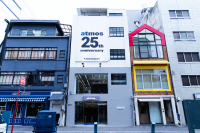
For those planning a visit to Tokyo, atmos is an essential stop. With multiple locations offering distinct vibes—from the trendy, youthful energy of the "atmos pink" flagship in Harajuku to the sophisticated, curated layouts in Omotesando—the brand offers a comprehensive look at the Japanese sneaker scene.

Essential Locations:
- atmos OMOTESANDO: A beacon for refined, high-end sneaker selections.
- atmos HARAJUKU: The spiritual home of the brand, located in the epicenter of youth fashion.
- atmos SHIBUYA: Situated in the most iconic district of Tokyo, serving as a pulse-point for the latest releases.
- atmos pink Flagship HARAJUKU: A dedicated space for a fresh, feminine, and sporty aesthetic.
As the industry continues to move forward, atmos remains grounded in its core philosophy: to provide the atmosphere of the street, the excitement of the game, and the timeless appeal of a well-crafted shoe. Whether you are a seasoned collector chasing a rare "Banned" Air Jordan or a casual observer of Tokyo’s vibrant street culture, atmos offers an unparalleled window into the past, present, and future of global sneaker history.
For the latest updates on their collections and to browse their current offerings, enthusiasts are encouraged to visit the official atmos Online Store. While international shipping remains unavailable, the digital archive of their releases remains one of the most comprehensive resources for anyone looking to understand the evolution of the modern sneaker.












No comments yet. Be the first to join the conversation!