Lina Hope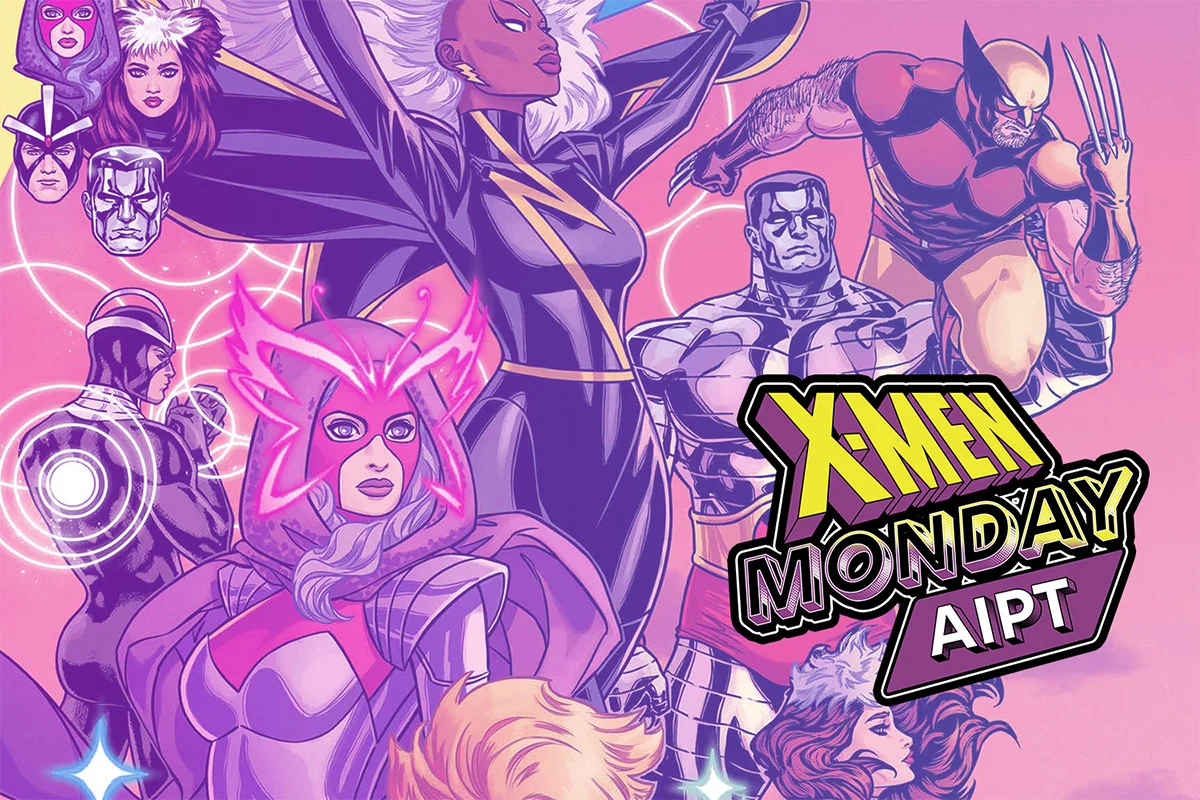
The X-Men franchise has always thrived on its own rich, sprawling mythology. Few eras in the mutant saga are as cherished—or as influential—as the late 1980s “Outback Era.” This period, defined by high-stakes drama, isolation, and a distinct shift in tone under the creative stewardship of Chris Claremont and Marc Silvestri, is now set to receive a long-awaited spotlight. Marvel Comics has officially announced X-Men: Outback, a five-issue limited series that promises to transport readers back to the dusty, perilous plains of the Australian desert.
As fans prepare for this nostalgic journey, AIPT’s X-Men Monday column has announced that series writer Steve Orlando will be sitting down for an exclusive Q&A. This is a rare opportunity for readers to engage directly with the architect of this new project as he navigates the complex history of one of the team’s most iconic iterations.
The Core Narrative: Returning to the Outback
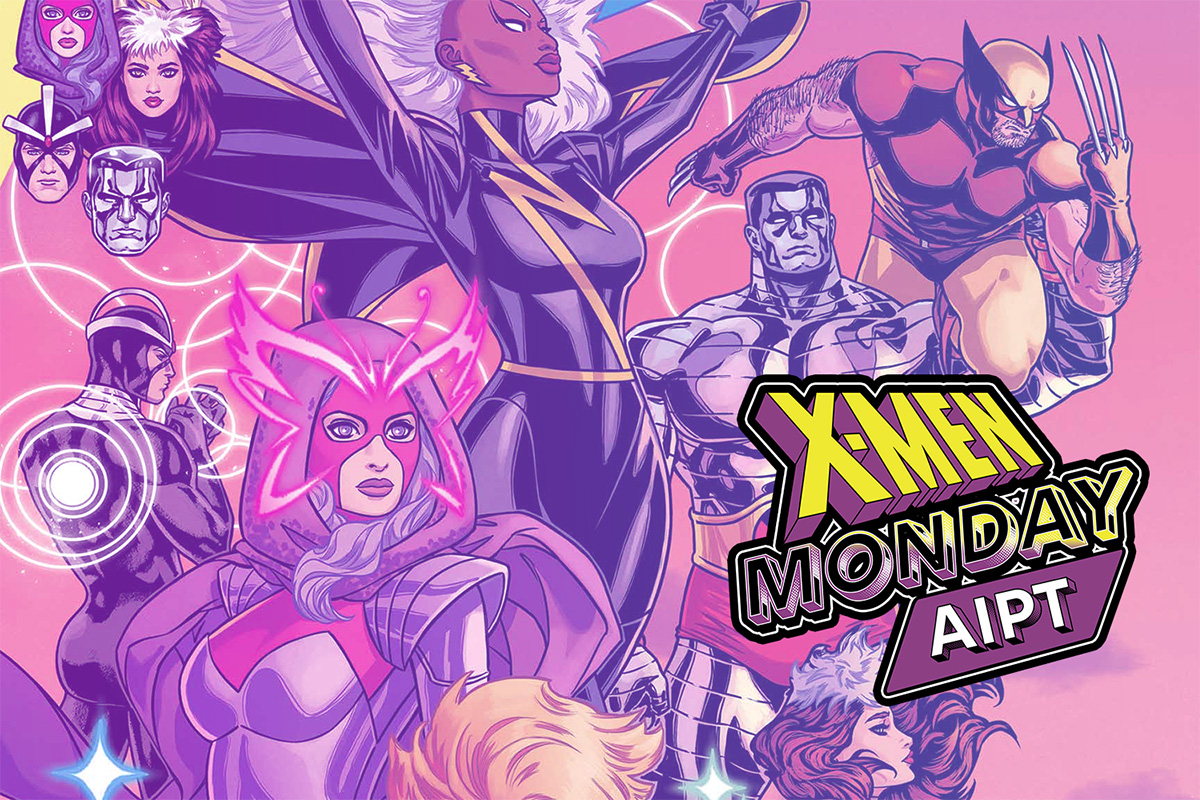
X-Men: Outback is not merely a rehash of old issues; it is a meticulously crafted expansion of the lore established during the team’s residence in the Australian base after the "Fall of the Mutants" event. The series, slated for a June 2026 release, will focus on the quintessential Outback lineup: Storm, Wolverine, Psylocke, Dazzler, Havok, Colossus, and Longshot.
Writer Steve Orlando, no stranger to the mutant corner of the Marvel Universe, is teaming up with interior artist Stephen Segovia to bring this vision to life. The aesthetic appeal of the book is bolstered further by cover artist Russell Dauterman, whose work has become synonymous with high-end, modern X-Men visuals. For long-term readers, this creative team suggests a balance between the grit of the late 80s and the sophisticated character work expected from contemporary Marvel titles.

The series promises to bridge gaps in the existing canon, exploring untold stories that transpired while the X-Men were effectively “dead” to the rest of the world. By operating in the shadows and cut off from their traditional support systems, this team faced threats that tested their psychological fortitude as much as their physical combat capabilities.
A Chronological Perspective: Why the Outback Matters
To understand the weight of this upcoming series, one must appreciate the historical context of the Outback era. Following the events of Fall of the Mutants (1988), the X-Men were presumed dead by the public and their allies. Rather than reuniting with the X-Mansion, they established a base in the Australian outback, utilizing the teleportation powers of the mutant Gateway.
Key Milestones of the Original Era:
- The Rebirth (1988): The team establishes a base in the ghost town of Cootamundra, Australia.
- The Siege Perilous: The eventual dissolution of the team as they walked through the mystical portal, leading into the X-Tinction Agenda crossover.
- The Cultural Shift: This era marked a transition from the colorful, bright adventures of the early 80s to a more cynical, global espionage-themed narrative.
- Character Development: Psylocke’s transition into a more aggressive combatant and Storm’s period of isolation and vulnerability became cornerstones of her character arc for decades to come.
By choosing to revisit this specific window, Orlando is tapping into a period where the X-Men were arguably at their most vulnerable. The limited series format allows for a focused, five-issue narrative arc that avoids the bloat of massive crossovers, ensuring the character dynamics remain the focal point.
Supporting Data: The Creative Synergy
The success of X-Men: Outback rests on the collaboration between its creative leads. Steve Orlando has spent his recent tenure at Marvel mastering the “deep dive” into obscure continuity. His approach typically involves honoring the tone of the original creators while introducing modern narrative pacing.
Stephen Segovia, known for his dynamic, high-energy layouts, is perfectly suited for the Outback’s harsh, unforgiving landscape. The visual identity of the book, supplemented by Dauterman’s covers, is designed to trigger a sense of "retro-modernism." This strategy has proven successful for Marvel in recent years, as seen in the X-Men Legends and Giant-Size initiatives, which cater to a multi-generational fanbase that values both historical reverence and high-quality production standards.
The Call for Questions: Engaging the Fandom
As part of the X-Men Monday tradition, the floor is now open for fan inquiries. This is a critical component of the promotional cycle, as it allows the writer to address concerns regarding continuity, character motivations, and the creative process behind balancing nostalgia with new stakes.
Submission Guidelines for Readers:
- Focus: The inquiry should be centered on the X-Men: Outback limited series.
- Deadline: All submissions must be received by Wednesday, June 3, 2026, at 5 PM ET.
- Platform: Interested parties can submit their questions via the official Google Form hosted by AIPT.
These sessions are more than just PR exercises; they act as a bridge between the creators and the "X-Fans" who have spent decades analyzing every panel of the original Outback run. Fans are encouraged to ask about specific character interactions, the integration of Gateway as a plot device, and how Orlando plans to handle the specific power levels and psychological states of the team during this timeframe.
Implications: The Legacy of the Outback
What does the return to the Outback mean for the wider X-Men publishing line? In an era where the franchise is constantly shifting—from the Krakoan Age to new status quos—X-Men: Outback serves as a grounding mechanism. It reminds the audience that the X-Men’s history is a living, breathing thing that can be revisited, expanded, and recontextualized.

Potential Narrative Impact:
- Character Reclamation: If successful, this series could provide a definitive “lost chapter” for characters like Longshot or Dazzler, whose contributions during the Outback era are often overshadowed by Wolverine or Storm.
- Continuity Cementing: The series provides an opportunity to resolve minor narrative inconsistencies that occurred during the frantic production cycles of the late 80s.
- Future Spin-offs: Depending on the critical and commercial reception of this five-issue arc, Marvel may be inclined to explore other “lost eras” of X-Men history, creating a series of prestige limited series that fill in the gaps of the franchise’s 60-year history.
Furthermore, by utilizing the X-Men Monday platform, Marvel ensures that the most dedicated segment of their audience feels heard. The transparency of this process fosters a sense of community ownership, which is vital for the longevity of a franchise that relies as much on its history as it does on its future.
Conclusion
As the June release date for X-Men: Outback approaches, the anticipation is palpable. Steve Orlando’s commitment to the source material, combined with the artistic prowess of Segovia and Dauterman, positions this limited series as a must-read for both veteran fans and newcomers looking to understand one of the most iconic chapters in mutant history.
The opportunity to participate in the upcoming X-Men Monday Q&A is not just a chance to get an answer to a burning question—it is a chance to influence the discourse surrounding one of the most beloved teams in comic book history. Whether you are curious about the technical aspects of the team’s survival in the desert or the emotional weight of their exile, the stage is set for a deep and meaningful conversation.
Ensure your voice is heard before the June 3 deadline, and prepare to return to the Outback—where the X-Men were never truly alone, but always, in every sense, on their own.

 Sagoh
Sagoh
 Ammar Sabilarrohman