

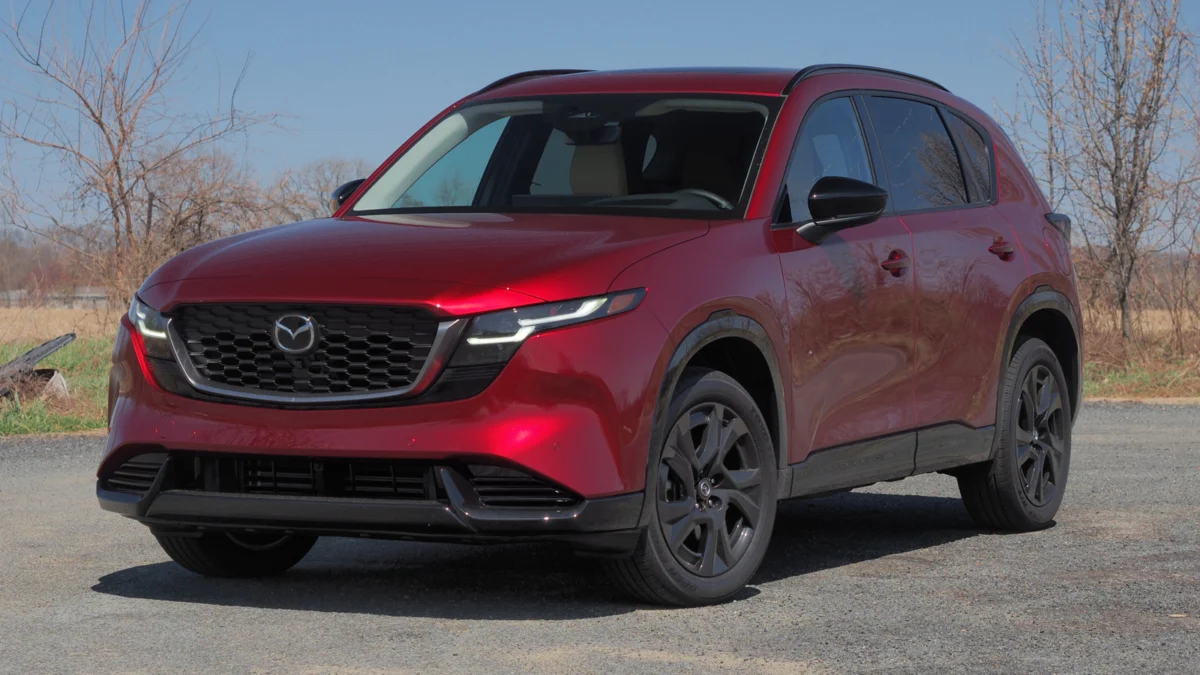
For years, the automotive industry has operated under a simple, albeit frustrating, rule: if you want a car that drives like a sports sedan but possesses the utility of an SUV, you buy a Mazda. Yet, for just as long, that choice came with a caveat that felt like a tax on the enthusiast driver. Critics and owners alike frequently lamented that while Mazda’s chassis tuning was peerless, its cabin technology was, at best, a decade behind the curve.
With the launch of the 2026 Mazda CX-5, the Japanese automaker is finally silencing its most vocal detractors. By abandoning its stubborn refusal to embrace touch-first interfaces, Mazda has signaled a new era for its brand. However, as with any major transition, the results are a fascinating, if occasionally flawed, study in corporate compromise.
Main Facts: A New Chapter for the CX-5
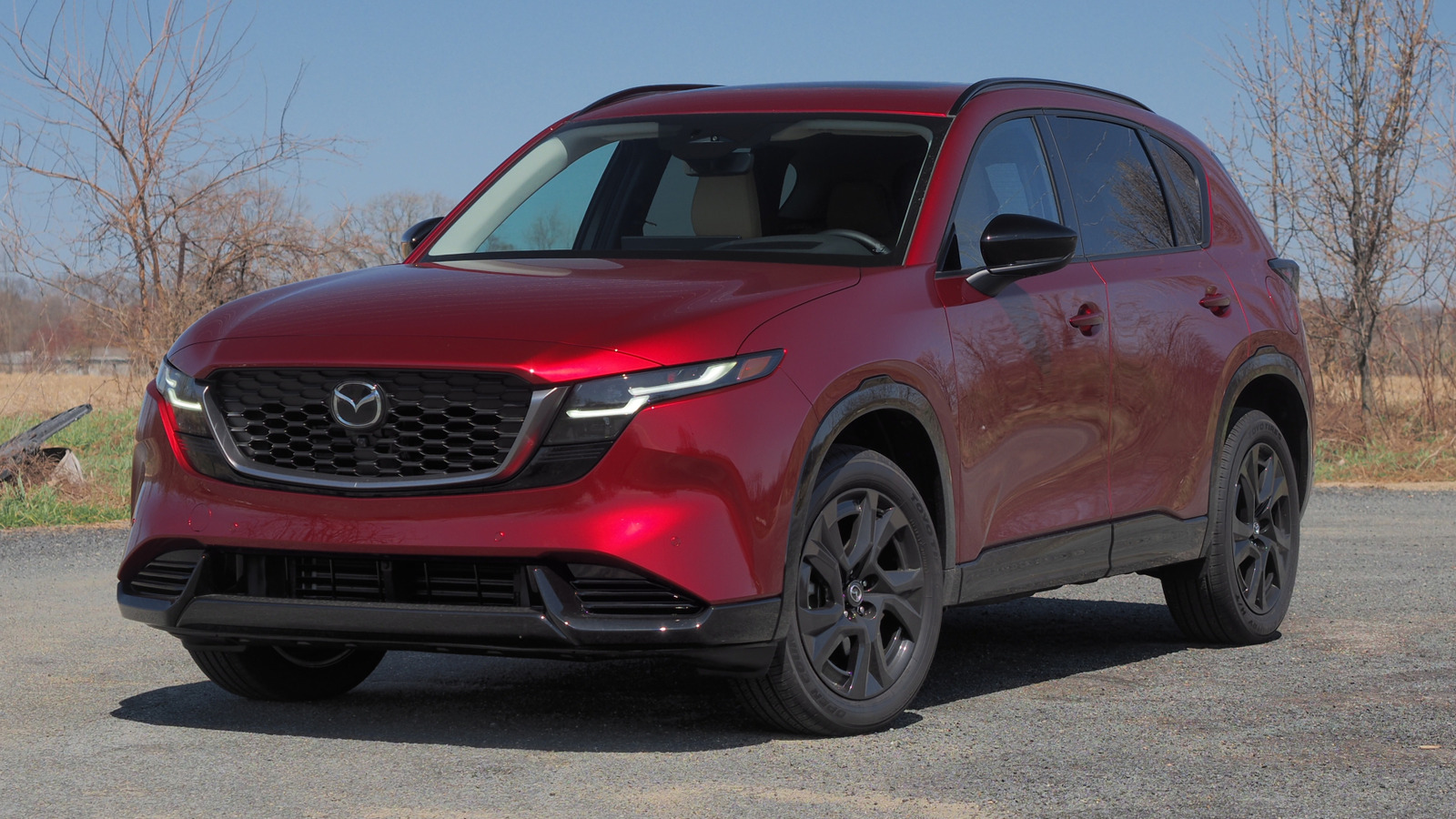
The 2026 Mazda CX-5 arrives in a highly competitive segment with a starting price that remains enticingly under $30,000 (before destination fees and taxes). Despite its accessible entry point, the vehicle has been treated to a significant aesthetic and technological overhaul.
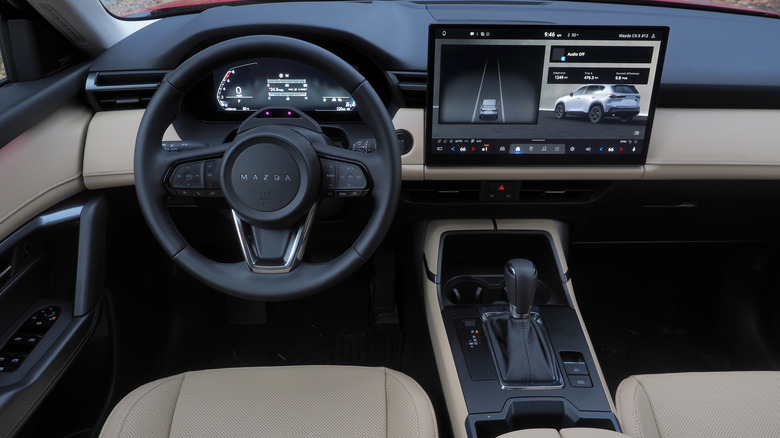
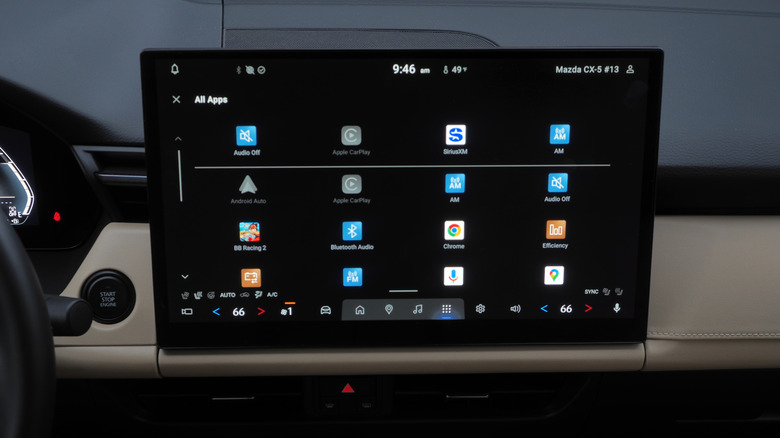
The most prominent feature is the new Mazda Connect infotainment system, which finally discards the clunky "click wheel" and joystick controller that defined the previous generation. In its place sits a massive, crisp touchscreen—measuring 12.9 inches on most trims and expanding to a commanding 15.6 inches on the flagship S Premium Plus model. This shift to a touchscreen-first philosophy aligns the CX-5 with modern industry standards, effectively removing the primary barrier that kept many prospective buyers away from the brand.
The Chronology of Contentious Design
To understand why the 2026 update is so monumental, one must look back at Mazda’s historical design philosophy. For the better part of a decade, Mazda stood as an outlier in the industry. While competitors rushed to install massive, finger-print-magnet screens, Mazda’s engineering team argued that touchscreens were a distraction. They posited that physical controls—specifically a rotary dial—allowed drivers to keep their eyes on the road, reducing cognitive load.
The reality, however, failed to live up to the theory. As smartphone projection systems like Apple CarPlay and Android Auto became standard, the rotary dial proved to be an ergonomic nightmare. Navigating a map or selecting a song via a scroll wheel was, at best, inefficient and, at worst, dangerous.
Mazda’s initial "solution" was to include a touchscreen that was locked out while the vehicle was in motion—a feature that could only be bypassed by digging deep into buried sub-menus. It felt like a "fudge"—a half-hearted concession that pleased nobody. The 2026 model marks the end of this era, replacing the hodgepodge of controls with a dedicated, native touch interface that prioritizes accessibility over the brand’s previous, rigid safety theories.
Supporting Data and Ergonomic Trade-offs
While the move to a large, vivid touchscreen is a net positive, it has brought with it a new set of challenges. In their rush to modernize, Mazda appears to have fallen into the common trap of "form over function."
The Iconography Problem
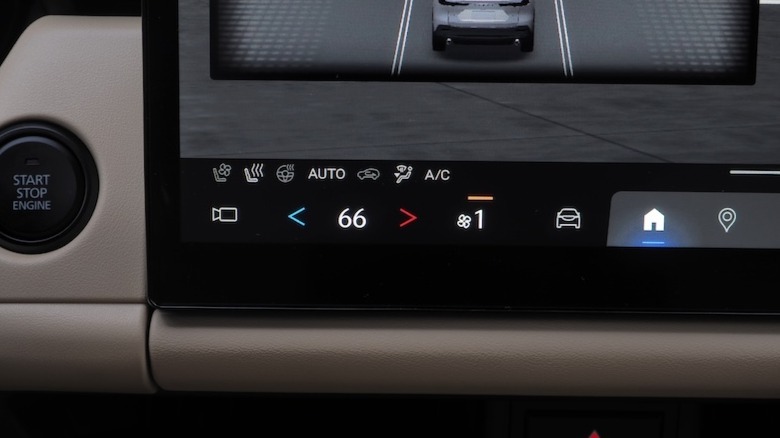
The 15.6-inch display on the premium trim is undeniably impressive, but it suffers from poor UI scaling. Many of the most essential controls—such as climate adjustments—are relegated to small, difficult-to-hit icons. For example, while basic temperature and fan speed settings remain visible, secondary functions like heated seat activation or steering wheel warming are buried in sub-menus.
The Loss of Physicality
Perhaps most controversial is the loss of the physical volume knob, a feature that Mazda owners once touted as a hallmark of the brand’s tactile excellence. In the 2026 model, volume is now managed via on-screen controls, a move that feels like a regression for a company that prides itself on the "driver-centric" experience.
The Window Switch Paradox
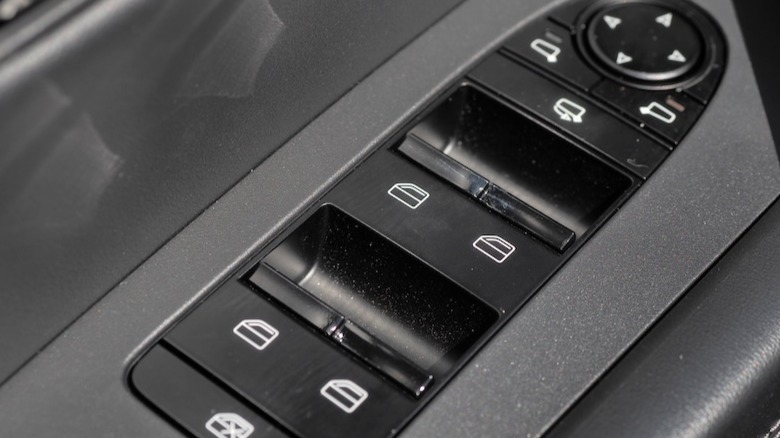
The ergonomic oddities extend beyond the screen. The power window switches have been redesigned; they look standard, but they require a specific, almost unnatural dexterity to operate, as only the very tip of the switch moves. Additionally, features like the "i-stop" (auto start/stop) toggle, which was previously a physical button, have been digitized and hidden within the touchscreen menu, forcing the driver to navigate multiple screens to perform a simple task.
Official Responses and Strategic Direction
Mazda has framed this transition as a listening exercise. The company acknowledges that while safety remains paramount, the consumer’s demand for intuitive, smartphone-like interaction cannot be ignored. The incorporation of Google built-in underpinnings into the new Mazda Connect system suggests that the automaker is pivoting toward software-defined vehicle architecture.
However, Mazda has not abandoned all its traditionalist roots. Unlike many of its rivals, which have moved to button-based gear selectors or electronic shifters to clear up console space, the 2026 CX-5 retains a classic, physical transmission shifter. This is a deliberate nod to the driving purist, suggesting that while Mazda is modernizing its software, it is unwilling to sacrifice the visceral, mechanical feel of its vehicles.
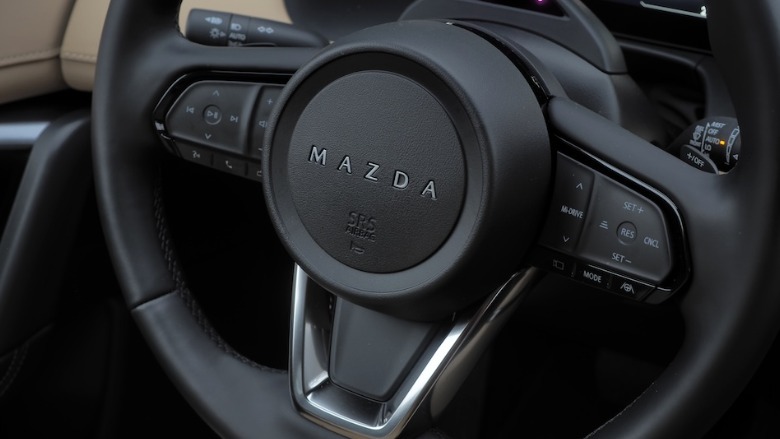
Furthermore, the brand has shown a spark of brilliance in its steering wheel controls. The integration of a dedicated shortcut button for the exterior camera system and drive-mode selection is an inspired choice, proving that Mazda still understands how to design for the driver when it chooses to do so.
Implications for the Future
The 2026 Mazda CX-5 is a vehicle of transition. It is the bridge between the analog-focused Mazda of the past and the digital-forward Mazda of the future. The implications of this update are significant for three reasons:
- Brand Perception: By fixing its biggest flaw, Mazda is likely to capture a broader market segment—specifically younger buyers who view the infotainment system as the centerpiece of the vehicle, rather than a secondary concern.
- Software Flexibility: Because the new system is built on modern, Google-compatible architecture, Mazda now has the ability to push over-the-air (OTA) updates. This means that many of the current UI complaints—such as the tiny icons or menu navigation—could potentially be resolved through software patches in the near future.
- The "Sweet Spot" Strategy: The existence of the 2.5 S Select trim represents a smart packaging strategy. By offering the 12.9-inch touchscreen, wireless smartphone projection, and wireless charging at a lower price point ($33,485), Mazda provides a high-value entry into their modern tech ecosystem, leaving the luxury-focused features for the higher, more expensive trims.
Conclusion: A Work in Progress
Is the 2026 Mazda CX-5 perfect? No. In its zeal to embrace the future, Mazda has traded some of its tactile, physical charm for a digital experience that still has some growing pains. Yet, the overall result is an undeniable improvement.
For years, the refrain among automotive journalists was: "The CX-5 is the best driving car in its class—if you can tolerate the infotainment." With this 2026 refresh, that sentence has been rewritten. The infotainment is no longer a deal-breaker; it is simply a work in progress. For a company that has spent years swimming against the tide of industry trends, this pivot is both brave and necessary. As the software matures, the 2026 CX-5 may well be remembered as the car that finally allowed Mazda to have its cake and eat it too—marrying world-class driving dynamics with the digital connectivity the modern world demands.











