Suro Senen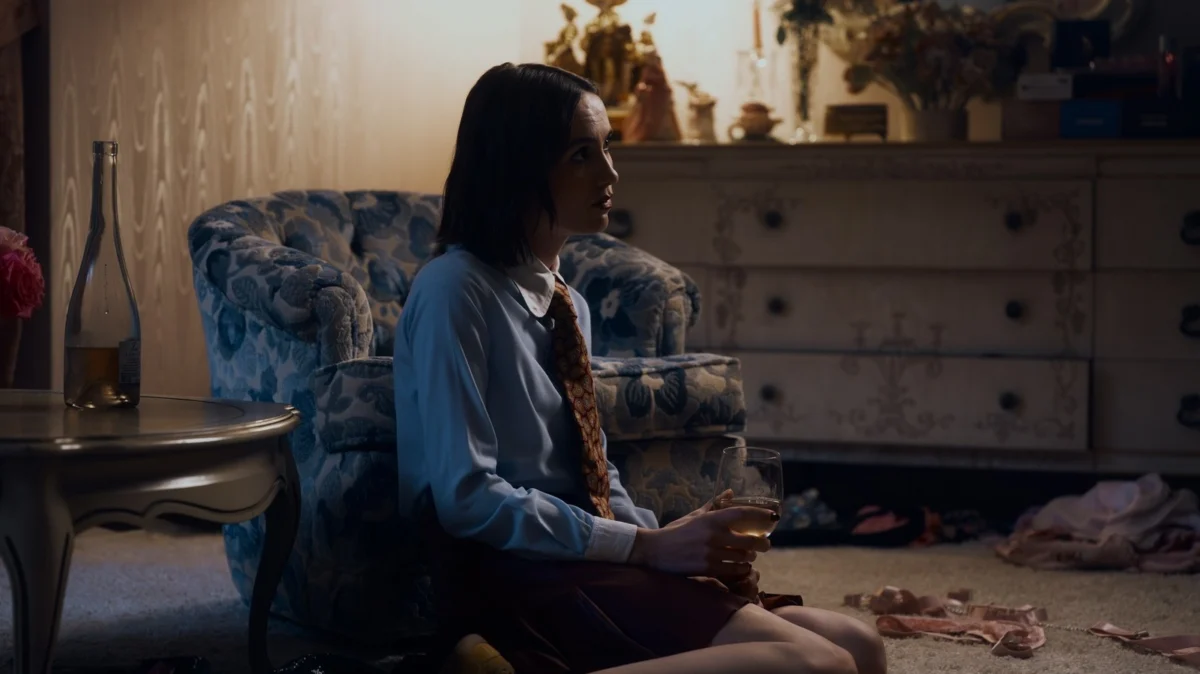
Content Warning: This article contains detailed discussions regarding addiction, substance abuse, and themes of trauma.
After years of cultural dominance, neon-drenched aestheticism, and intense narrative scrutiny, HBO’s Euphoria has drawn its final, harrowing breath. The third season, widely anticipated to be the show’s swan song, concluded with a finale titled "In God We Trust"—an episode that traded the show’s trademark glitter for the cold, stark reality of mortality. For a series that built its reputation on the chaotic, often nihilistic exploration of adolescent trauma, the final act proved to be its most divisive and devastating departure yet.
The State of the Union: A Landscape of Despair
Following a bold five-year time jump, the third season of Euphoria did not offer the audience a sense of growth or redemption. Instead, it presented a grim tableau of lost potential. Rue Bennett (Zendaya), the heart of the series, found herself ensnared in the dangerous machinery of the drug trade, acting as a mule for the chilling figurehead Laurie (Martha Kelly).
The rest of the ensemble fared little better. Maddy Perez (Alexa Demie) was seen navigating the soul-crushing drudgery of a low-level assistant role, while the once-promising Nate Jacobs (Jacob Elordi) found himself entangled in a web of debt that ultimately led to his demise in the penultimate episode. Cassie Howard (Sydney Sweeney), seemingly detached from the harsh reality surrounding her, pivoted to the world of adult content creation to fund a fantasy wedding, while Lexi Apatow (Maude Apatow) carved out a niche as an assistant to a high-powered television executive. The world of Euphoria was no longer just a high school drama; it had evolved—or devolved—into a neo-Western nightmare of survival, debt, and exploitation.
Chronology of the Finale: A Descent into Finality
The finale picked up immediately where "Rain or Shine" left off, plunging the viewer into the high-stakes tension of Laurie’s compound.
The Escape and the Aftermath
Rue’s desperate attempt to extract herself from Laurie’s clutches served as the episode’s opening adrenaline spike. Following a daring, albeit violent, escape—during which she is physically dragged by a horse-riding assailant—Rue manages to secure a temporary refuge at the home of her long-time sponsor, Ali (Colman Domingo).
As Rue sought safety, the structural foundations of her enemies began to collapse. The DEA, acting on intelligence, raided both Laurie’s compound and the operations of the strip-club owner Alamo (Adewale Akinnuoye-Agbaje). Laurie, realizing her empire was crumbling, chose to end her own life rather than face justice. However, this liberation proved pyrrhic. While Rue had successfully distanced herself from the cartel, she could not distance herself from the addiction that defined her existence.
The Death of a Protagonist
The most shocking narrative pivot occurred when Ali, upon waking, discovered Rue unresponsive on his couch. Despite her efforts to stay clean, she had ingested painkillers provided by Alamo. As it was later revealed, these pills were laced with lethal doses of fentanyl. The death of the show’s narrator and central protagonist was not a grand, cinematic moment; it was a quiet, crushing tragedy that underscored the relentless, indiscriminate nature of the opioid epidemic.
The Final Reckoning
In the wake of Rue’s passing, the remaining characters spiraled into their own versions of closure. Cassie converted Nate’s abandoned mansion into a content-creation hub, with Lexi serving as a de facto showrunner—a cynical commentary on the commodification of their own trauma.
The climax arrived at Alamo’s club. Ali, armed with a sawed-off shotgun, arrived to confront the man responsible for the proliferation of the substances that killed Rue. In a twist of fate, Bishop—a subordinate who had turned—had sabotaged Alamo’s weapon. Ali, fueled by grief and righteous fury, executed his mission. Following the confrontation, Ali traveled to the Texas homestead Rue had often envisioned in her dreams, finding a final, haunting vision of her before the screen faded to black, leaving only the somber final words: "God help us all."
Supporting Data and Thematic Analysis
The narrative choices made by showrunner Sam Levinson in this final season have ignited a firestorm of debate among critics and fans alike. By opting for a "bleak-by-design" conclusion, the production leaned heavily into the themes of deterministic tragedy.
Throughout the series, Rue’s journey was often framed through the lens of her father’s death—a catalyst that set her on a path of self-destruction. The finale suggests that her fate was sealed long before the events of the final season, framing her addiction not as a series of choices, but as a destiny. This fatalistic approach has drawn comparisons to classic tragedies, where the protagonist is powerless against the crushing weight of their circumstances.
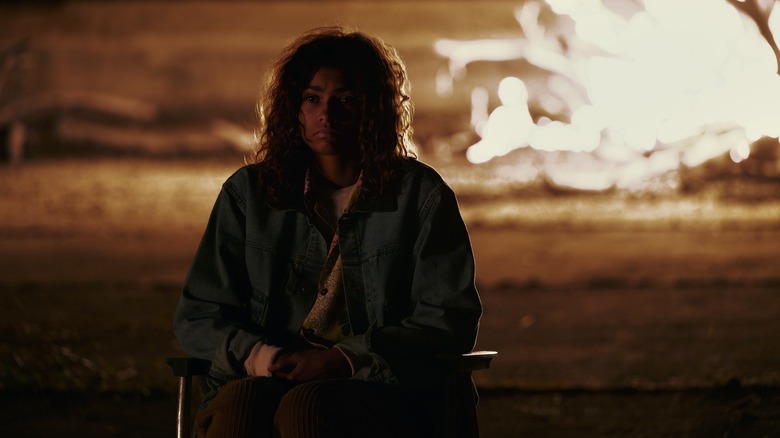
Furthermore, the "Western" aesthetic adopted in the latter half of the season—the open plains, the focus on homesteads, and the concept of a final showdown—served to distance the show from the intimate, claustrophobic high-school settings of Season 1. This shift highlighted the isolation of the characters, emphasizing that while they were once connected by the halls of East Highland High, they were ultimately alone in their respective downfalls.
Official Responses and Industry Context
The departure of Euphoria from the HBO slate marks the end of a defining era for the network. While there has been no formal statement from Zendaya regarding the emotional toll of the final arc, the production team has maintained that the ending was intended to be "honest."
Critics have pointed out that the decision to kill off the main character is a bold, if controversial, move. "Sam Levinson has always prioritized the visceral experience over narrative neatness," noted one television critic. "The ending is not meant to provide closure in the traditional sense. It is meant to leave the audience in a state of mourning, mirroring the loss of the characters themselves."
There is also the matter of production logistics. Given the meteoric rise of the cast’s careers—particularly Zendaya, whose status as a global icon has made scheduling increasingly complex—the finality of the season serves a practical purpose. By concluding the narrative definitively, HBO avoids the ambiguity of a "limbo" status that often plagues hit shows.

Implications: The Legacy of ‘Euphoria’
What does the death of Euphoria mean for the landscape of teen drama? For years, the show was criticized for its graphic portrayal of substance abuse, with some arguing it glorified the very lifestyle it claimed to warn against. The Season 3 finale, however, removes any ambiguity. By allowing the cycle of addiction to claim the life of its protagonist, the show makes a definitive statement: there are no easy escapes, and trauma, when left unaddressed, has a cumulative and often terminal cost.
The show leaves behind a complex legacy. It redefined the visual language of television, influenced fashion, and provided a platform for some of the most compelling performances of the last decade. Yet, its final act leaves viewers with a sense of emptiness. Whether this was a profound commentary on the tragedy of addiction or a final, self-indulgent flourish by its creator remains a point of contention.
As the credits roll on the final episode, the audience is left with a stark, unsettling reality. Euphoria did not offer a happy ending because, in the world Sam Levinson constructed, such an ending was never on the table. The series ends as it lived: in a blur of neon, sorrow, and the crushing realization that some cycles are simply too powerful to break.
If you or anyone you know is struggling with substance abuse or mental health issues, please seek professional support. You are not alone.
- SAMHSA’s National Helpline: 1-800-662-HELP (4357)
- Website: https://www.samhsa.gov/


 Jia Lissa
 Muslim