

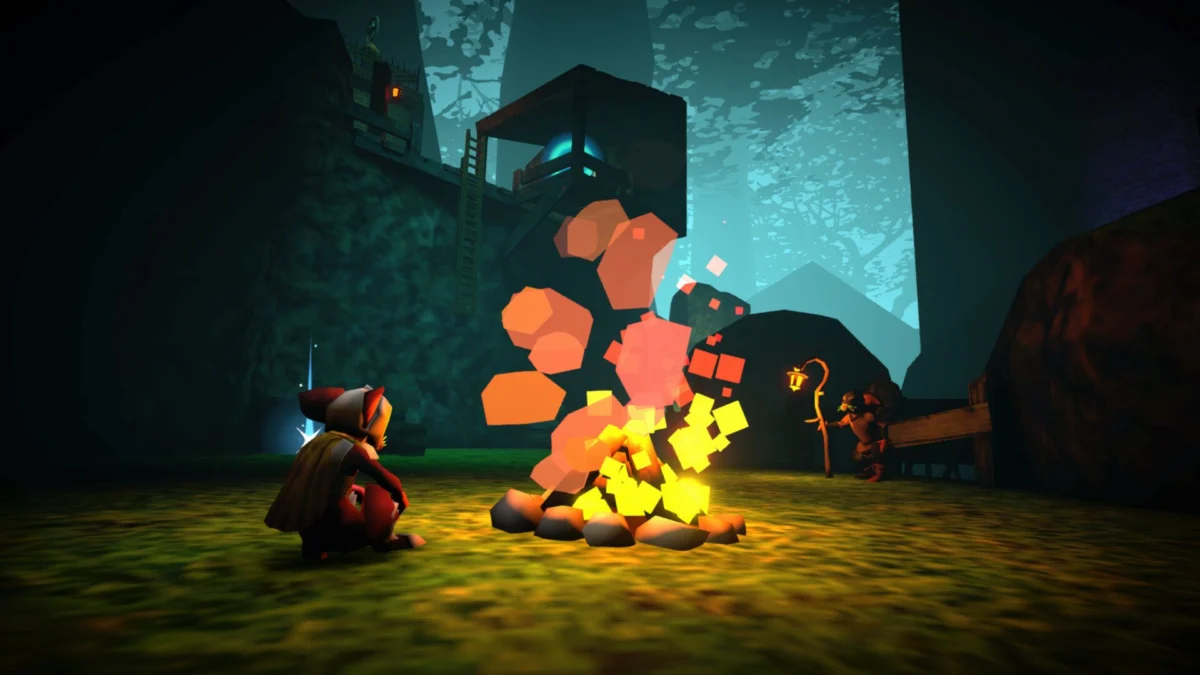
In the landscape of modern gaming, it is an exercise in reductionism to categorize titles based solely on their aesthetics. Often, two games might share a surface-level premise—such as a small, courageous rodent navigating a dark, punishing world—yet offer experiences that are fundamentally distinct. While Mina the Hollower has recently captured the spotlight with its top-down, retro-inspired aesthetic, a new challenger has emerged from the shadows: Mouseward.
Unlike its contemporaries, Mouseward opts for a fully realized 3D environment that feels reminiscent of the PlayStation 2 era, blended with the meticulous exploration of a Nintendo 64-style collectathon. It is a title that demands patience, precision, and a keen eye for detail, proving that even the smallest hero can cast a long, imposing shadow.
The Resurrection of Martin Fieldmouse: The Premise
Death is typically the final curtain in video games, a binary state that signals the end of progress and the reset of ambition. However, for Martin Fieldmouse, a member of the elite Mouse Guard, death is merely a temporary setback. Bound by an unbreakable oath, Martin claws his way out of his grave, shrouded in nothing but burial rags and the weight of a duty that transcends the afterlife.
The world Martin awakens to is one in decay. The kingdom is currently under the ideological grip of "The Natural Order," a religious dogma that serves as a thinly veiled excuse for the powerful to exploit the weak. It is a brutal, self-defeating philosophy that ignores the reality of the small fighting back. As Martin, players must navigate this crumbling society, peeling back the layers of a dark, arboreal world to restore honor to a fallen lineage.
A Tale of Two Difficulties: Accessible Depth
One of the most immediate points of friction in the soulslike genre is the barrier to entry. Mouseward addresses this by offering a dual-path approach to its gameplay. Players can opt for a more "toned-down," accessible adventure, or they can commit to the full, uncompromising soulslike experience.
In our hands-on evaluation of the demo, the higher difficulty setting was found to be refreshingly balanced. It avoids the pitfall of becoming a "brutal meatgrinder" for the sake of frustration. Instead, it encourages a deliberate, methodical approach. Players who attempt to treat the game as a mindless hack-and-slash title will find themselves quickly dispatched by even the most basic zombie mice. However, by embracing the tactical, slower pace of the soulslike genre—utilizing blocks, dodges, and spacing—those same enemies become manageable, transforming the experience from one of impossible odds to one of earned mastery.
Chronology of Exploration: From Graveyard to Oakbridge
The game’s progression is tied intrinsically to its level design. The demo begins in a desolate graveyard bordering the town of Oakbridge. The atmosphere is thick with dread; trees reach toward the sky like skeletal fingers, obscuring the moonlight and casting the entire village in a perpetual, haunting twilight.
As players navigate these opening hours, they discover that exploration is heavily rewarded. The world is dense with secrets. Poking into corners and examining the architecture often yields significant rewards, such as sets of armor or "fallen stars." These stars are crucial, serving as the primary currency for permanent stat upgrades at campfires. Similarly, the armor system adds a layer of strategic depth: while individual pieces provide base protection, equipping a complete set—leggings, helmet, and chestplate—unlocks unique abilities, incentivizing the player to hunt for matching sets rather than simply opting for the highest raw stats.

Supporting Data: The Collectathon Element
What sets Mouseward apart from the standard soulslike formula is its integration of collectathon mechanics. While the game provides the tension of a Dark Souls title, it mimics the curiosity-driven exploration of early 3D platformers.
The game’s menu provides a tracker for each region, listing the number of coins, equipment pieces, and fallen stars yet to be discovered. This serves a dual purpose: it encourages the player to engage with the verticality of the world—scouring rooftops, searching under scaffolding, and checking every alcove—while ensuring that progress is never purely linear. For those who find themselves truly stuck, the game offers a "stardust" mechanic, where defeated enemies drop currency that can be spent to highlight a missed item. Crucially, however, the game does not show the player how to reach the item, preserving the challenge of navigation.
Official Design Philosophy
The development team behind Mouseward has placed a significant emphasis on "level economy." Throughout the Oakbridge demo, the designers demonstrate a mastery of shortcut creation. As players survive increasingly difficult encounters, they are rewarded with the discovery of paths that loop back to earlier areas, effectively mitigating the need to run through gauntlets of enemies repeatedly.
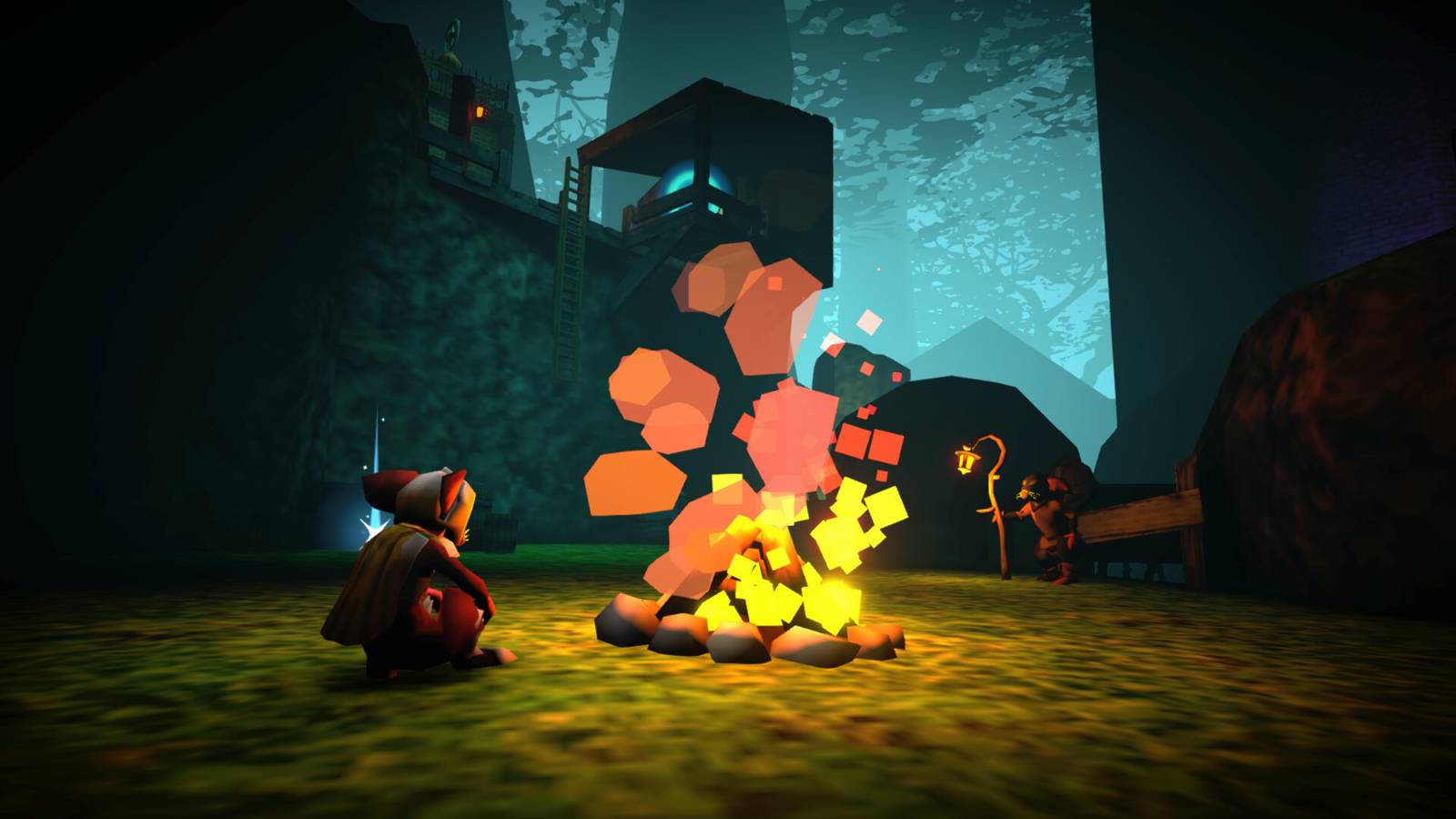
The town of Oakbridge itself stands as a testament to this design philosophy. Despite its intricate layout and high density of threats, the entire area is anchored by a single campfire savepoint. This creates a focused, high-stakes environment where every excursion feels like a calculated risk. Furthermore, the inclusion of non-hostile NPCs adds necessary narrative texture, providing context for the world’s decay and teasing the mystery behind Martin’s resurrection.

Implications for the Genre
The success of Mouseward will likely be measured by its ability to balance two competing design philosophies: the punishing, deliberate combat of a soulslike and the curiosity-driven joy of a 3D collectathon. By bridging these two worlds, Mouseward invites a broader audience to engage with mechanics that might otherwise be dismissed as too exclusionary.
The implications for the indie scene are clear: there is a hunger for high-quality, mid-budget action games that prioritize mechanical satisfaction over cinematic bloat. If the full version of Mouseward maintains the standard set by its initial demo, it could very well become a benchmark for how to synthesize disparate genres into a cohesive, compelling whole.
Conclusion: The Oath Unfulfilled
As the demo concludes, the player is left with more questions than answers. What exactly is the oath that tethered Martin to the mortal realm? How far does the rot of "The Natural Order" reach? And can a single mouse, no matter how skilled with a blade, truly topple a corrupt societal structure?
If the current trajectory is any indication, the answers to these questions will be well worth the struggle. Mouseward is not just a game about a mouse in a suit of armor; it is a game about persistence, the thrill of discovery, and the refusal to stay down when the world demands you remain in the grave. As we look toward the full release, it is safe to say that this small-scale adventure is shaping up to be one of the most intriguing entries in the action-RPG genre for the foreseeable future. Whether you are a fan of the punishing combat of the soulslike sub-genre or a lover of the exploration-heavy platformers of the 90s, Mouseward offers a compelling reason to pick up the controller and fight for the light.











No comments yet. Be the first to join the conversation!