

After months of speculation and iterative testing, Meta has officially pulled back the curtain on its new suite of “Plus” subscription products. Following in the footsteps of platforms like X (formerly Twitter) and Snapchat, the tech giant is diversifying its revenue streams by offering tiered, value-added services across its core ecosystem: Facebook, Instagram, and WhatsApp.
This shift marks a significant departure from the company’s traditional reliance on advertising—a model that has served it well for nearly two decades but is now facing the pressures of rising infrastructure costs and the immense capital requirements of the artificial intelligence arms race.
The Core Strategy: Enhancing the User Experience
Meta’s new subscription offerings are designed as "add-ons"—non-essential but desirable enhancements for power users. Naomi Gleit, Meta’s head of product, confirmed that these packages are intended to foster deeper engagement by providing exclusive utility and personalization features.
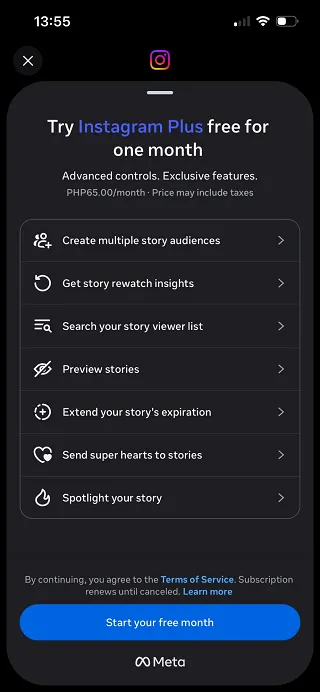
Instagram Plus
Priced at $3.99 per month, Instagram Plus targets creators and high-frequency users. Features include:
- Advanced Analytics: Deeper insights into Story performance beyond standard metrics.
- Creative Tools: Exclusive "Superlike" animations for interactions.
- Extended Content: The ability to extend the lifespan of a Story beyond the standard 24-hour window.
WhatsApp Plus
For the messaging giant, Meta is targeting the personal expression market with a $2.99 per month subscription. This package focuses on customization, offering:
- App Themes: Personalized interfaces for the chat experience.
- Premium Content: A library of exclusive stickers and custom ringtones.
These offerings signify that Meta is moving toward a "modular" subscription model. Rather than forcing a blanket fee, the company is attempting to capture consumer surplus by charging for features that appeal to niche segments of its billions-strong user base.
A Chronology of the Subscription Pivot
Meta’s journey toward a multi-tiered subscription model has been a measured, deliberate rollout.
- 2023: The Meta Verified Foundation. The company launched "Meta Verified," a creator-focused subscription service that prioritized account security, impersonation protection, and direct access to customer support. It served as a litmus test for user appetite for paid social experiences.
- March 2026: Instagram Plus Testing. The first hints of a "Plus" tier appeared in internal testing, signaling that Meta was ready to move beyond verification and into feature-gating.
- April 2026: WhatsApp Plus Expansion. Meta extended its testing to the messaging platform, diversifying its strategy to include mobile-first customization features.
- May 2026: The AI Integration. TechCrunch reported on the emergence of "Meta One" plans, marking the company’s official move into monetizing its massive generative AI infrastructure.
- June 2026 and Beyond: Meta has confirmed that regional testing for new AI-focused tiers will begin in Singapore, Guatemala, and Bolivia, with further testing in Saudi Arabia, Morocco, Thailand, and Bangladesh.
The Economics of Scale: Data and Revenue
While Meta has remained tight-lipped regarding specific subscription figures, the financial implications are massive. Analysts estimate that Meta Verified has already captured approximately 35 million users across Facebook and Instagram. At standard subscription pricing, this suggests an annual revenue injection of roughly $2 billion.
The Advertising Paradox
Despite the success of these programs, it is vital to maintain perspective. Roughly 98% of Meta’s revenue still flows from its advertising engine. The core philosophy of Meta—built on massive, frictionless global reach—remains incompatible with a "pay-to-play" model for its primary apps.
The strategy, therefore, is not to replace the ad-supported model but to layer a premium experience on top of it. This provides a hedge against the volatility of the digital ad market while catering to the "power user" demographic that is willing to pay for status, security, and advanced functionality.
The AI Frontier: Monetizing Intelligence
Perhaps the most significant development is the launch of the "Meta One" initiative. As Meta pours hundreds of billions of dollars into the hardware, data centers, and engineering talent required to dominate the generative AI landscape, the company faces mounting pressure from shareholders to show a return on investment.
The Meta One Tiers
Meta is now positioning two distinct AI-focused subscription tiers:
- Meta One Plus ($7.99/month): Focused on casual power users requiring faster access and more creative flexibility.
- Meta One Premium ($19.99/month): Designed for professionals and power users, providing the compute capacity necessary for complex, data-heavy requests.
Gleit noted that these plans are specifically engineered for "bigger, more complex requests." By tiering its AI offerings, Meta is effectively charging for the underlying compute power—a move that mirrors the pricing models of other AI giants like OpenAI and Google. Importantly, the basic version of Meta AI will remain free, ensuring the company does not alienate its massive user base while it develops its premium ecosystem.
Implications for the Tech Landscape
Meta’s push into subscriptions has several long-term implications for the industry.
1. The Cost of AI Infrastructure
Meta’s aggressive spending on AI infrastructure is not sustainable on ad revenue alone in the long term, particularly if margins are squeezed by competition. By introducing paid AI tiers, Meta is establishing a "compute tax" on heavy users, helping to offset the massive capital expenditures required to stay competitive in the generative AI race.
2. The Shift in Platform Philosophy
For years, the mantra of the social web was "everything is free, you are the product." The transition to "Plus" services suggests a maturation of the business model. As social platforms become utility-heavy (providing messaging, creative tools, and AI assistants), they are evolving into SaaS (Software as a Service) providers.
3. Global Market Segmentation
By launching in diverse markets like Guatemala, Bolivia, and Thailand, Meta is testing the elasticity of its pricing. In emerging markets, the willingness to pay for "premium" features can provide critical data on how to scale these services globally. It also allows Meta to tailor its offerings to local consumer habits before a full-scale US or European rollout.
Conclusion: A New Era for Meta
Meta is currently walking a tightrope. It must continue to grow its ad-driven user base while simultaneously creating a compelling, premium-tier experience for those willing to pay.
The expansion of its subscription offerings—from the security-focused Meta Verified to the compute-heavy Meta One AI plans—demonstrates a clear, multi-pronged strategy to diversify its income. While these subscriptions are unlikely to replace the ad revenue that built the company, they represent a vital new pillar in Meta’s business model. As the cost of maintaining the world’s most advanced AI infrastructure continues to climb, these small monthly fees may eventually represent the difference between maintaining dominance and being left behind in the next technological cycle.
For now, the message to users is clear: the basics remain free, but the future—smarter, more customized, and more capable—will come with a price tag.












No comments yet. Be the first to join the conversation!