

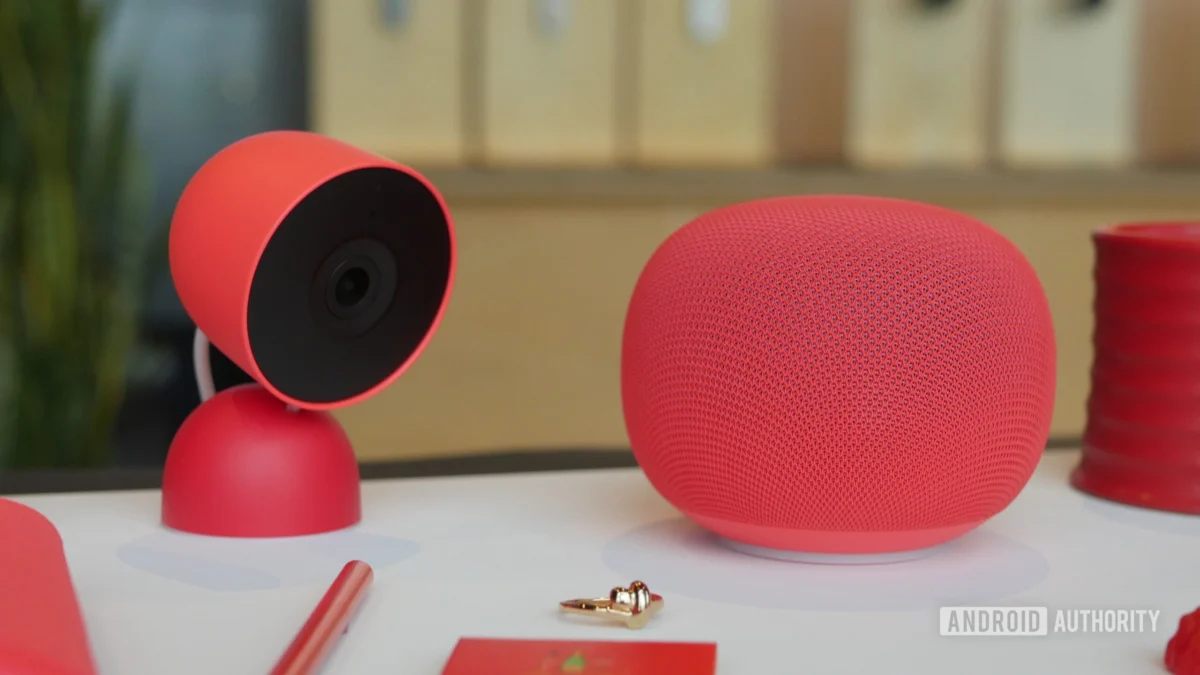
After months of speculation and a significantly delayed rollout, the tech community may finally have a concrete date for the arrival of Google’s next-generation smart home hardware. A product listing on Best Buy Canada has surfaced, indicating a June 25, 2026, release date for the much-anticipated "Google Home Speaker."
While Google has remained characteristically tight-lipped regarding the precise launch day, this development provides the strongest signal yet that the company is preparing to ship its first hardware device built from the ground up to integrate with its Gemini AI model.
The Current State of the Launch: A Snapshot of Uncertainty
For consumers and tech enthusiasts who have been tracking the progress of the Google Home Speaker since its initial unveiling in October 2025, the journey has been one of patience. The product was originally teased as a centerpiece of Google’s new vision for the smart home, promising a shift away from legacy "Google Assistant" limitations toward a more conversational, intuitive, and capable AI-driven experience.
As of mid-June 2026, the situation remains fluid. While Best Buy Canada has boldly listed the device for a June 25 release, the situation south of the border is less definitive. Best Buy’s US portal continues to display the device as "Coming Soon," with no specific calendar date attached. Similarly, Google’s official store maintains the broad, somewhat nebulous "Coming Spring 2026" window—a promise that, given the current calendar, is rapidly approaching its expiration.
Retailers are notorious for utilizing placeholder dates to manage logistics and inventory systems, and it is entirely possible that June 25 serves as an internal target rather than a confirmed global street date. However, in the fast-paced world of consumer electronics, such listings rarely appear in major retail databases without a nudge from the manufacturer’s distribution pipeline.
A Chronology of the Gemini-Native Smart Home Strategy
To understand why the release of this $99.99 speaker is so significant, one must look back at the strategic pivots Google has made over the last 18 months.
October 2025: The Big Reveal
At the October 2025 event, Google shocked the industry by moving away from the "Nest" branding that had defined its hardware for nearly a decade. Instead, the company introduced the "Google Home Speaker." This was not merely a hardware refresh; it was a rebranding of the entire smart home philosophy. Google announced that this device would be the first to feature custom on-device processing designed specifically for Gemini.
The "Intentional Delay"
At the time of the announcement, Google executives confirmed that the spring 2026 release date was a strategic choice. The company noted that it wanted to prioritize the "Gemini for Home" rollout across existing devices, such as the Nest Hub and older smart speakers. By ensuring that the software ecosystem was optimized before the hardware reached consumer hands, Google hoped to avoid the fragmented, buggy launch experiences that have occasionally plagued the smart home sector.
Winter 2025 – Spring 2026: The Testing Phase
Throughout the winter, Google focused on integrating Gemini into its broader smart home architecture. This included deep-linking Gemini with Google TV, improving natural language processing for smart home commands (like controlling lights and thermostats), and refining the "multi-modal" capabilities that allow the assistant to understand context—not just commands.
June 2026: The Final Stretch
With the current spring window nearing its close, the emergence of the Best Buy listing suggests that the "testing phase" is concluding. The delay has allowed Google to refine the hardware-software synergy, ensuring that when the speaker finally hits shelves, it can demonstrate the true power of an AI-first smart home.
Technical Capabilities and Design Philosophy
The Google Home Speaker is positioned as a mid-range, highly capable device. At its $99.99 price point, it faces stiff competition from the likes of Amazon’s Echo and Apple’s HomePod Mini. However, Google is banking on three distinct advantages:
1. Gemini-Native Intelligence
Unlike legacy smart speakers that rely on a static, rule-based assistant, the Google Home Speaker is designed to act as a conversational partner. Through its custom processing chip, the device is expected to handle complex, multi-turn queries, summarize news, manage calendars with semantic understanding, and provide personalized insights that go far beyond "What’s the weather?"
2. Audio Performance and Ecosystem
The hardware features 360-degree sound, a staple for modern smart speakers, but with a refined acoustic architecture that promises to outperform its predecessors. Furthermore, the device is designed for seamless integration with the Google TV Streamer, allowing users to create a home-theater-style audio setup. Multi-room audio support remains a core feature, allowing users to sync their music and podcasts across multiple rooms with minimal latency.
3. Aesthetics and Customization
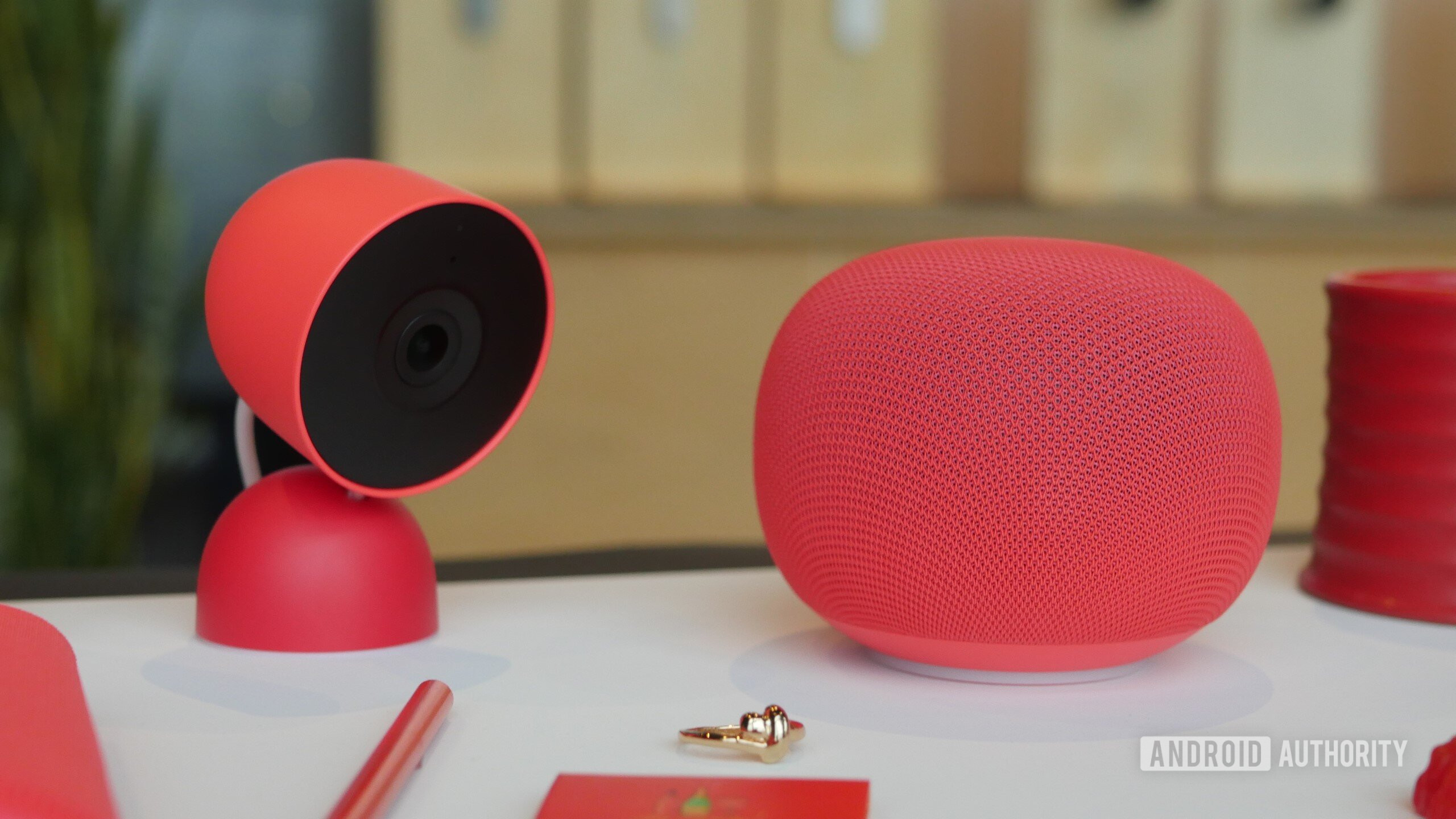
Google has leaned heavily into a "soft-tech" design language. Available in Porcelain, Hazel, Berry, and Jade, the device is crafted to blend into home decor rather than standing out as a piece of machinery. This focus on color and texture is a clear signal that Google views the speaker as an essential piece of home furniture, not just a gadget.
Official Responses and Corporate Strategy
When contacted by Android Authority regarding the specific June 25 date, a Google spokesperson remained characteristically vague, stating only that the company "would share more details soon."
This corporate reticence is standard procedure for Google, which prefers to control the narrative via dedicated launch events or controlled press releases. However, the lack of a denial regarding the June 25 date is, in itself, telling. Had the date been completely erroneous, the company would likely have sought to correct the record to prevent consumer frustration.
The broader strategy here is clear: Google is attempting to regain its footing in the smart home market. After ceding ground to competitors who have been faster to integrate LLMs (Large Language Models) into their hardware, Google is betting that a "quality over speed" approach will win back user trust. By waiting to launch the hardware until Gemini is truly capable of managing a modern, complex smart home, Google hopes to position the Home Speaker as the "brain" of the residence, rather than just a smart peripheral.
Implications for the Smart Home Industry
The launch of this device will have several immediate impacts on the competitive landscape:
- Pressure on Competitors: If Google successfully delivers a robust, Gemini-native experience for under $100, other manufacturers will be forced to accelerate their own AI hardware integrations. The standard for "smart" is shifting from simple voice recognition to deep AI comprehension.
- The End of the "Nest" Era: The decision to drop the Nest branding in favor of a simpler "Google Home" identity suggests a consolidation of the brand. This may signal that future smart home products will follow a unified naming convention, potentially simplifying the confusing array of "Google Home," "Nest," and "Assistant" labels.
- The Subscription Dilemma: A significant question remains regarding how much of this "Gemini" power will be free and how much will require a "Gemini Advanced" or "Google One" subscription. As the industry shifts toward AI-driven hardware, the recurring revenue model becomes a critical component of the user experience.
Conclusion: A Turning Point for Google
As we look toward the final week of June, the anticipation is palpable. If the Best Buy Canada leak proves accurate, we are just days away from the launch of a device that could redefine how we interact with our living spaces.
Whether the Google Home Speaker will be the "iPhone moment" for the smart home remains to be seen. However, by combining custom processing, deep-learning capabilities, and a refined design, Google has certainly set the stage for a significant comeback. The "Spring 2026" window is nearly closed, but for the smart home market, the season of AI-driven interaction is only just beginning.












No comments yet. Be the first to join the conversation!