Lina Hope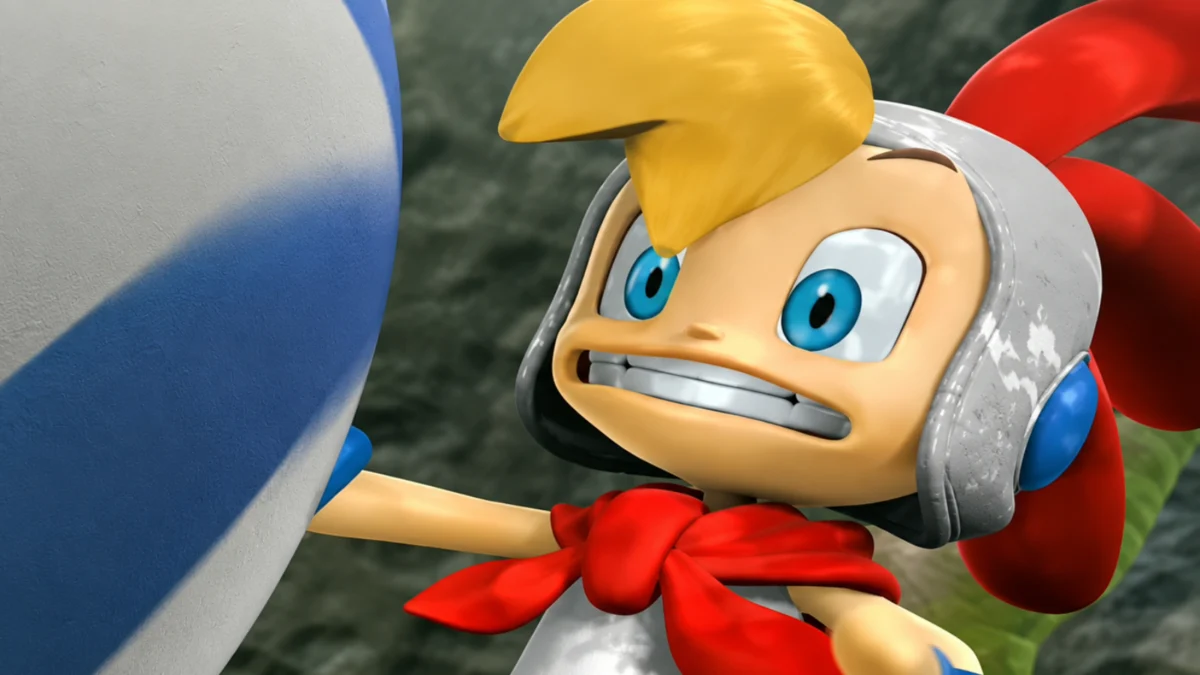
In the annals of gaming history, few development stories are as peculiar as the birth of Billy Hatcher and the Giant Egg. While the 2003 Nintendo GameCube title remains a beloved, albeit niche, cult classic, a shocking revelation from a former Sega of America executive has cast a new, surreal light on the game’s origin.
Mike Fischer, the former Vice President of Sega of America, recently disclosed that the legendary Sonic the Hedgehog co-creator Yuji Naka proposed a title for the game so inappropriate that it would have likely rendered the project unsellable in Western retail markets. The revelation, shared in a deep-dive interview with Sega-16, highlights the massive cultural and linguistic disconnect that once existed between Sega’s Japanese headquarters and its North American operations.
The Genesis of a Cult Classic
To understand the gravity of the controversy, one must first look at the game itself. Billy Hatcher and the Giant Egg was a bold, experimental 3D platformer developed by the legendary Sonic Team. Released during a period when Sega was transitioning away from hardware manufacturing, the game was seen as an attempt to capture the whimsical, high-energy magic that had defined the studio’s success in the 90s.
The game follows the titular Billy, a boy transported to the magical world of Morning Land. Donning a rooster suit, Billy must roll, grow, and hatch giant eggs to thwart the nefarious Dark Raven and restore light to the world. With its vibrant, saturated color palette, gravity-defying mechanics, and an iconic, earworm-worthy soundtrack, Billy Hatcher carved out a permanent place in the hearts of GameCube enthusiasts. Despite its modest commercial performance, it remains a "what if" title—a game that many fans believe deserved a sequel that never arrived.
A Chronology of Linguistic Clashes
The conflict over the game’s identity was not merely a matter of creative preference; it was a fundamental disagreement over brand identity and localization.
The "Laying an Egg" Problem
According to Mike Fischer, the friction began immediately after the game entered the Western localization pipeline. Yuji Naka, whose vision for the game was absolute, originally pushed for the title Giant Eggs.
From a Japanese perspective, the title was literal and descriptive. However, for the Sega of America marketing team, the title was a branding disaster. In American English, the idiom "to lay a big egg" is a common pejorative used to describe a project that fails miserably or flops. The irony of releasing a flagship title that, by its very name, invited critics to call it a failure was not lost on the American team.
The Compromise and the "Cock" Controversy
Fischer’s team intervened, suggesting that the game be named after its protagonist, Billy Hatcher. After much back-and-forth, the compromise of Billy Hatcher and the Giant Egg was reached. Fischer notes that Naka was reportedly incensed by the change, viewing it as a dilution of his creative vision.
However, the situation devolved further when Naka attempted to bridge the gap between his original vision and the American pushback. Recognizing that the protagonist was dressed as a rooster, Naka sought a title that emphasized this avian theme. In an exchange that Fischer describes as one of the most surreal moments of his career, Naka allegedly asked, "Well, I know another name for the boy wearing a rooster suit. Another name for rooster is ‘cock.’ Can we call the game Giant Cock in English?"
The room, according to Fischer, fell silent. The request was a linguistic misunderstanding of catastrophic proportions, highlighting the vast divide between the Japanese developers’ understanding of the English language and the cultural taboos of the Western market.
Supporting Data: The Localization Minefield
The struggle to name Billy Hatcher is a prime example of the "localization minefield" that defined the early 2000s. During this era, Japanese developers often exerted total control over their intellectual properties, even when they lacked the cultural nuance required to market those products in the United States or Europe.
- Cultural Context: In Japan, the word "cock" is often viewed through a purely biological or culinary lens in the context of farm animals. However, in Western English, the word carries a vulgar connotation that would have guaranteed the game an "Adults Only" or "Mature" rating—or, more likely, total rejection by retailers like Wal-Mart and Target.
- Brand Protection: Sega of America’s refusal to accept the title was not just a matter of taste; it was a matter of survival. By 2003, Sega was in a precarious financial position. Releasing a game with a title that would be perceived as a vulgar joke would have been a public relations disaster for a company already struggling to prove its relevance in a post-Dreamcast world.
- Creative Autonomy vs. Marketability: The tension between Yuji Naka and the Western arm of Sega was well-documented throughout the late 90s and early 2000s. Naka, a visionary who often treated his games as artistic extensions of his own psyche, frequently clashed with Western executives who prioritized market research and audience perception.
Official Responses and Behind-the-Scenes Friction
The interview with Sega-16 is perhaps the most candid assessment of the internal atmosphere at Sega of America during this era. Mike Fischer did not mince words when discussing the dynamics of the development process.
Fischer openly characterized Yuji Naka as "the most miserable person" he had ever worked with. This sentiment, while harsh, reflects the intense pressure cooker that Sega had become. The struggle over Billy Hatcher was not an isolated incident; it was emblematic of a broader cultural friction where Japanese creative leads were losing their grip on the realities of the global marketplace.
To date, neither Yuji Naka nor current representatives of Sonic Team have issued a formal statement regarding Fischer’s account. Given Naka’s subsequent career moves and the long passage of time, it is unlikely that an official rebuttal will emerge. However, industry insiders have corroborated the general sentiment that localization in the early 2000s was a battleground where developers and marketers were often at war.
Implications for Modern Gaming
The Billy Hatcher naming scandal serves as a vital case study for the modern gaming industry. Today, localization is handled by dedicated teams that work in tandem with developers from the earliest stages of pre-production. The era of "surprising" the Western market with a title that translates to a vulgarity is, for the most part, a thing of the past.
The Evolution of Localization
Modern studios utilize "cultural consultants" to ensure that game titles, character names, and lore do not accidentally offend or confuse target demographics. The Billy Hatcher story reminds us of the risks inherent in silos; when developers operate in isolation from the markets they serve, the results can be unintentionally hilarious, yet professionally ruinous.
The Legacy of the Rooster Suit
Despite the behind-the-scenes turmoil, Billy Hatcher and the Giant Egg remains a beloved title. Perhaps there is a certain irony that a game conceived in such a tense, hostile environment resulted in such a bright, cheerful experience. The game’s cult status today is bolstered by these stories; they add a layer of human fallibility to a digital product, making the game feel more "real" to the fans who still play it on original hardware.
In retrospect, the decision to reject Giant Cock in favor of Billy Hatcher and the Giant Egg likely saved the game from being relegated to a historical footnote of "offensive marketing" rather than being remembered as a charming, if flawed, attempt to innovate the platforming genre. While the name Billy Hatcher may not have launched a global franchise, it successfully avoided the infamy that would have followed a less-vetted alternative.
As the industry continues to globalize, the story of Yuji Naka and the "Giant" blunder serves as a permanent reminder of the power of words, the necessity of cultural awareness, and the importance of having someone in the room who can say "no"—even to the most legendary of creators.


 Lina Irawan
 Muslim