

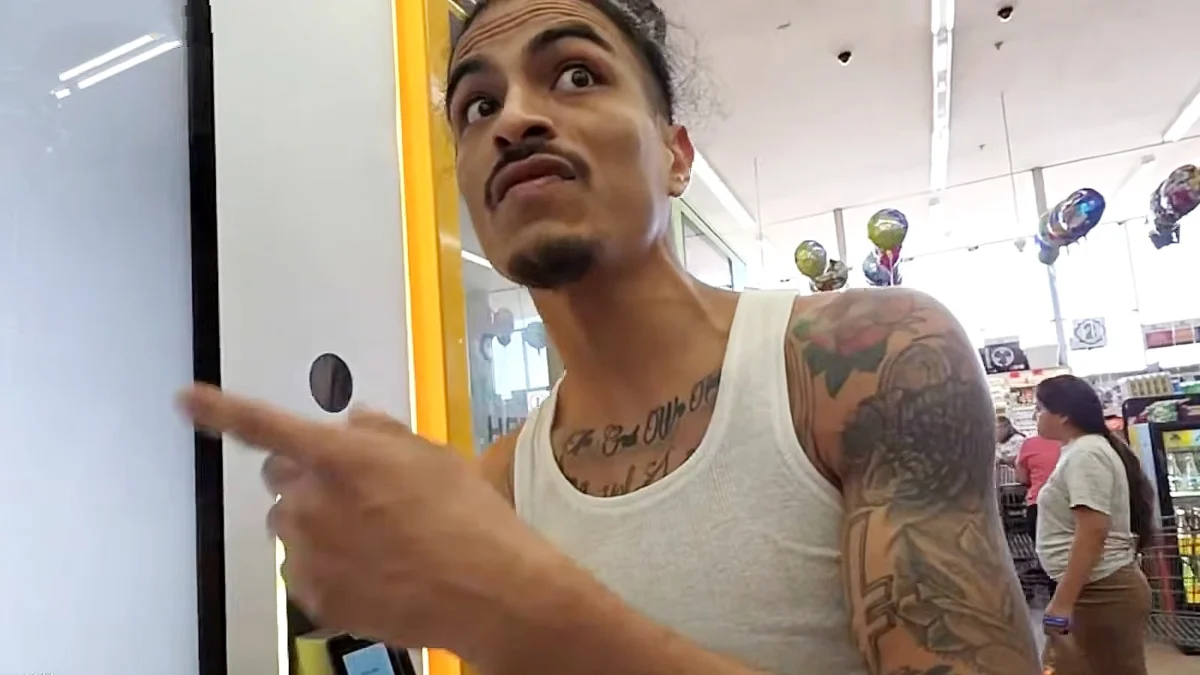
The high-stakes world of the Pokémon Trading Card Game (TCG) has long been plagued by the shadow of aggressive retail scalping. However, a recent incident involving livestreamer YungFika has highlighted a disturbing evolution in how these opportunistic resellers guard their territory. What began as a routine excursion to scout Pokémon vending machine stock quickly devolved into a heated confrontation, shedding light on the desperate, superstitious, and increasingly hostile tactics employed by those looking to corner the market on cardboard collectibles.
The Incident: A Routine Stream Turns Hostile
On May 31, during a scheduled livestream, content creator YungFika visited several retail locations to document his search for Pokémon TCG products in public-facing vending machines. These machines, often located in the lobbies of major retail chains, have become prime targets for collectors and resellers alike due to their automated, albeit limited, inventory.
Upon arriving at one such location, Fika encountered a group of three men loitering near the machine. The tension became palpable the moment Fika initiated a purchase. Rather than allowing the transaction to proceed normally, the group confronted him, accusing the streamer of sabotaging a "10-minute method" they were utilizing to manipulate the machine’s inventory.
This confrontation was captured in real-time, providing an unfiltered look at the territorial nature of modern retail scalping. As Fika attempted to navigate the situation, the group’s demeanor shifted from verbal intimidation to physical posturing, eventually escalating to the point where one individual blocked access to the machine, issuing a vague but ominous ultimatum: "That’s it for you."
A Chronology of the Confrontation
The interaction, which unfolded over several minutes, serves as a case study in the breakdown of retail decorum.
- Initial Contact: Fika approaches the vending machine, only to find the trio waiting. As he begins his transaction, the group interrupts, claiming that Fika has "ruined" their strategy.
- The "10-Minute Method" Defense: One of the men explains that their strategy involves leaving a single pack in the machine for a ten-minute duration. They theorized that this inactivity or specific item placement triggers an internal refresh, potentially releasing better stock or higher-value sets.
- Escalation: When Fika questioned the intensity of their behavior—noting that the products are intended for children—the group became openly hostile. They directed insults at the streamer and demanded he vacate the area.
- The Physical Barrier: As the argument continued, one man physically positioned himself in front of the machine, effectively barring Fika from further interaction and escalating the verbal threat to a physical confrontation.
- Reporting the Incident: After successfully completing his purchase, Fika retreated and alerted store personnel. He explicitly informed the employee that the individuals were threatening customers and that he had documented the interaction on camera.
- The Parking Lot Standoff: After leaving the store, Fika was shocked to discover that the group had tracked his livestream in real-time. They intercepted him in the parking lot, claiming to have "found" his stream. The interaction concluded with Fika handing one of the men a job application form—a biting commentary on their choice of "profession"—before departing as the group shouted after him.
Decoding the "10-Minute Method" and Machine Mechanics
The claims made by the group regarding a "10-minute method" highlight a growing culture of "vending machine superstition" among scalpers. While major retailers and The Pokémon Company have implemented various countermeasures—such as staggered stock releases, purchase limits, and remote monitoring—to deter bulk buying, there is no verified evidence that leaving a pack in a machine for ten minutes influences stock algorithms.
Most of these automated kiosks function on simple inventory management systems. They are designed to dispense items based on customer demand and pre-programmed release schedules. The belief held by the scalpers that their presence and specific timing "triggers" a better refresh is likely a psychological response to the inherent randomness of stock replenishment. By manufacturing a "system," these individuals attempt to exert control over a market that is fundamentally designed to be accessible to the general public.
The Broader Context: Scalping as a Systemic Issue
The confrontation involving YungFika is far from an isolated event; it is a symptom of a larger, systemic crisis within the TCG hobby. As the value of rare cards has surged, so too has the desperation of those seeking to profit from the secondary market.
Economic Implications
Scalpers frequently use sophisticated bots or organized groups to clear retail shelves of premium products, often selling them at massive mark-ups on platforms like eBay, TCGPlayer, or local marketplace groups. This artificial scarcity drives up prices, alienates younger collectors, and turns a hobby built on community and discovery into a cutthroat investment landscape.
A Pattern of Violence
The audacity shown by the group in this incident mirrors a disturbing trend of increased criminality in the hobby. In May, a Florida man was arrested after breaking into a retail store using a chainsaw, allegedly stealing over $12,000 worth of Pokémon cards. This incident, combined with the harassment of streamers like Fika, suggests that the barrier between "reselling" and criminal behavior is thinning.
Official Responses and Industry Countermeasures
The Pokémon Company has been forced to take note of these developments. In its native Japan, the firm has begun exploring the use of government ID checks for purchases to prevent repeat buyers from monopolizing supply. This move reflects a realization that standard retail policies are no longer sufficient to maintain an equitable market.
However, in the United States and other international markets, the responsibility often falls on retail management and local security. The store employee in the Fika incident acted as the first line of defense, but the reality remains that retail workers are rarely trained or equipped to handle aggressive groups intent on monopolizing specific products.
Implications for Content Creators and the Hobby
The incident raises significant questions regarding the safety of creators who document the Pokémon TCG experience. If a streamer cannot visit a public vending machine without facing physical threats and digital tracking, the integrity of the hobby is at risk.
Furthermore, the "tracking" of Fika’s stream in the parking lot highlights the dangers of real-time broadcasting. By following a creator’s live feed, hostile actors are able to turn a digital platform into a tool for real-world harassment. This event will likely prompt a reassessment of safety protocols for content creators, who may now need to consider delaying their broadcasts or avoiding specific locations to ensure their personal security.
Conclusion: A Hobby at a Crossroads
The confrontation between YungFika and the group of scalpers is more than just a viral moment; it is a stark reminder of the toxicity that can arise when commercial greed intersects with a lack of oversight. Pokémon cards, once a simple joy for children and collectors, have become a high-value commodity that draws the worst impulses out of those who view them only as "product" to be moved for profit.
Until retailers implement more robust security measures and the hobby community actively condemns these territorial and aggressive tactics, encounters like the one in this parking lot will likely continue. For now, the takeaway for collectors and creators alike is one of caution: in the current landscape of the Pokémon TCG, the hunt for a rare pack has become, quite literally, a dangerous game.











No comments yet. Be the first to join the conversation!