

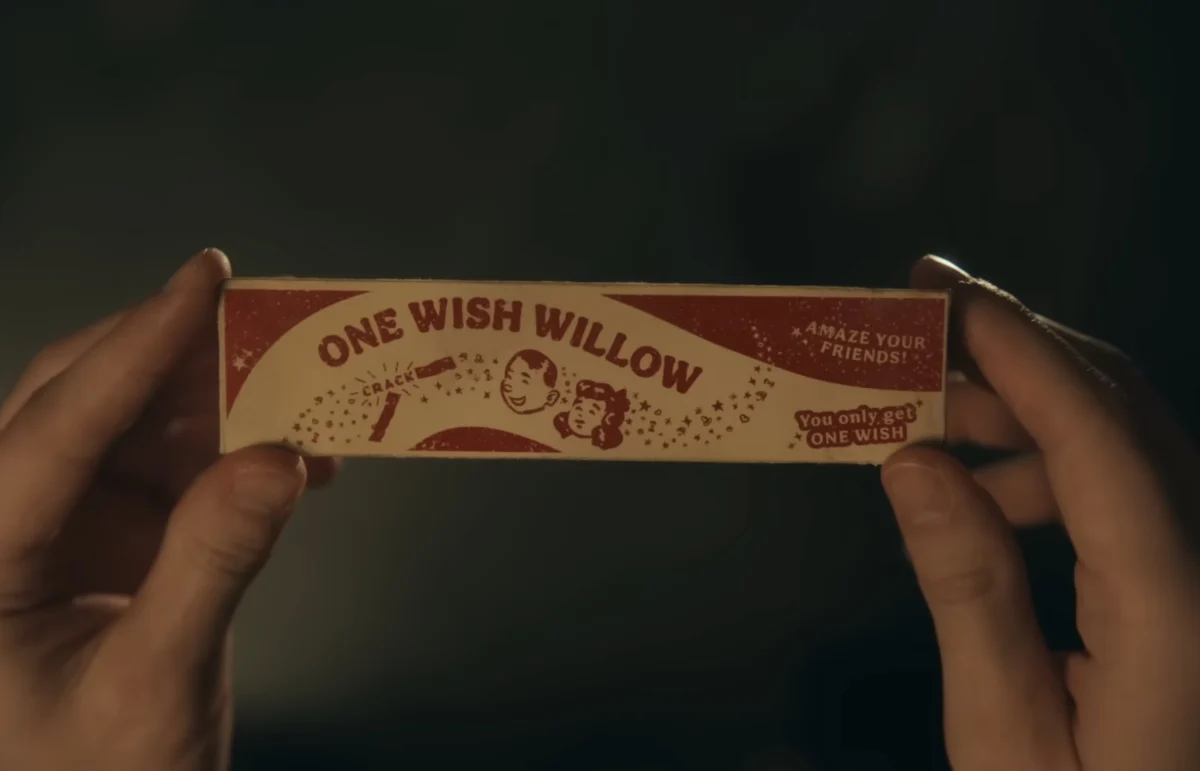
The landscape of modern independent cinema is rarely disrupted by the kind of organic, wildfire success currently surrounding the thriller Obsession. In an era dominated by franchise fatigue and algorithmic marketing, the film has achieved something increasingly rare: a genuine, audience-driven cultural footprint. As Obsession continues to shatter box office expectations and dominate digital discourse, the industry’s gaze has turned toward its architect, director Curry Barker. Now, the creative community and major studio heads are asking a singular, high-stakes question: What comes next for the man who turned a modest premise into a viral sensation?
The Meteoric Rise of a Modern Classic
Obsession did not arrive in theaters with the backing of a massive marketing engine. Instead, it was propelled by the "word-of-mouth" effect—a phenomenon that has become the gold standard for independent success in the post-pandemic era. Audiences, captivated by the film’s tight pacing and unsettling narrative twists, turned to social media platforms to decode the film’s central mystery, essentially crowdsourcing its popularity.
The result has been a shift in power dynamics. As reports emerge of "seven-figure offers" landing on Barker’s desk from major studios, the filmmaker finds himself in the enviable position of being able to dictate his own career trajectory. Yet, despite the allure of blockbuster budgets and established IP, Barker remains characteristically measured. He is currently navigating the "sophomore pressure" that follows a breakout hit, balancing the demands of high-stakes studio interest with his own creative impulses.
A Chronology of Creative Evolution
To understand where Barker is headed, one must first look at the trajectory that brought him to this juncture.
- Pre-Release (The Vision): During the development phase, Barker focused on the concept of the "One Wish Willows." His primary goal was to create a contained, high-concept horror experience that felt grounded in human desperation.
- The Viral Breakout: Upon release, the film’s narrative twists—specifically those regarding the mechanics of the wishes—began to circulate on platforms like X (formerly Twitter) and TikTok. This created a secondary layer of engagement, as fans dissected the film’s logic and moral quandaries.
- The Critical Pivot: As the film transitioned from a niche indie title to a broader cultural conversation, critics began to praise Barker’s ability to balance supernatural dread with existential anxiety.
- The Current Phase: Today, Barker is in the "option" phase of his career. While he has confirmed his interest in various future projects, he has not yet committed to a singular vision, opting instead to let the dust settle on the Obsession frenzy before committing to his next feature-length endeavor.
The Anthology Ambition: A New Direction
In a candid interview with Total Film, Barker addressed the persistent rumors of a direct sequel. While he did not rule out the possibility of an Obsession 2, he expressed a much deeper, more creative enthusiasm for a pivot into episodic television.
"I obviously have a couple more things that I’m excited about next, but I do see Obsession 2, maybe," Barker remarked. "But what really is exciting to me is maybe an anthology. Like a one-hour episode [where] each episode is a different wish that goes completely off the rails."
This proposed structure—a high-concept horror anthology where the "One Wish Willows" serve as the connective tissue—would allow for a modular approach to storytelling. Barker’s proposed model for the project is particularly intriguing: he would potentially direct the pilot to establish the tone, the visual language, and the cinematography with his regular Director of Photography (DP), then invite a curated roster of emerging filmmakers to put their own stylistic "spin" on the concept.
This would transform Obsession from a singular film into a brand, or a "cinematic sandbox," where the horror of a wish gone wrong can be explored through a variety of lenses.
Addressing the "Logic Gap"
One of the most fascinating aspects of Barker’s recent press tour has been his refreshing transparency regarding the flaws in his own work. Every high-concept horror film relies on a set of rules, and Barker has admitted that the rules governing his "One Wish Willows" contain a significant plot hole.
"It’s kind of a plot hole. It’s something I don’t like to think about too much because it totally doesn’t make sense," Barker admitted. The logic issue is simple: if the world of Obsession is meant to be our own, then a deluge of wishes being granted—especially those involving massive wealth or supernatural phenomena—should logically lead to a world populated by "dragons" or, at the very least, a drastically altered global economy.
Barker’s struggle to reconcile the internal consistency of his world highlights a common tension in speculative fiction: the balance between emotional resonance and rigid world-building. Initially, he mused that each wish might transport the character to an "alternate reality," thereby shielding the primary world from the consequences of multiple wishes. However, he quickly walked back this explanation when reminded of scenes in the film where multiple characters interact with the effects of these wishes in real-time.
Rather than viewing this as a failure of writing, many critics have argued that this "hand-wave" is precisely what makes Obsession so compelling. The film prioritizes the feeling of a wish going wrong over the sterile mechanics of how the magic functions, a choice that leans into the dream-like, often irrational nature of horror.
Implications for the Industry
The success of Obsession and the subsequent interest in Barker’s career signal a broader shift in Hollywood. Studios are increasingly looking for "filmmaker-led" projects—titles where the vision of a single auteur can define the aesthetic of a project from inception to screen.
For Barker, the decision to potentially pursue an anthology series over a traditional, big-budget sequel is a strategic one. It allows him to maintain creative control without the burden of sustaining a multi-film narrative. It also speaks to the current state of "prestige horror," where directors like Ari Aster, Robert Eggers, and now Curry Barker are being given the keys to larger productions based on the strength of their unique, often idiosyncratic, visions.
If Barker moves forward with the anthology idea, it could set a new precedent for how viral films are adapted into series. Rather than stretching a two-hour premise into a thin, ten-hour season, an anthology format allows for the exploration of the core "mythology" without diluting the intensity of the original concept.
Conclusion: The Path Forward
Whether Curry Barker chooses to revisit the world of Obsession through a feature-length sequel or an expansive, multi-director anthology series, his next move will be under intense scrutiny. He has proven that he understands the pulse of the modern audience, and more importantly, he possesses the self-awareness to recognize that the most effective horror doesn’t always need to be perfectly logical to be terrifying.
As the industry waits for an official announcement, the buzz surrounding Obsession serves as a reminder that original, high-concept storytelling is still the most valuable currency in Hollywood. Barker has the "clout," as they say in the industry, to make almost anything happen. The only question left is which wish he chooses to grant himself next. If his track record is any indication, it will be one that continues to push the boundaries of what horror can be, regardless of whether or not it makes perfect sense.









No comments yet. Be the first to join the conversation!