

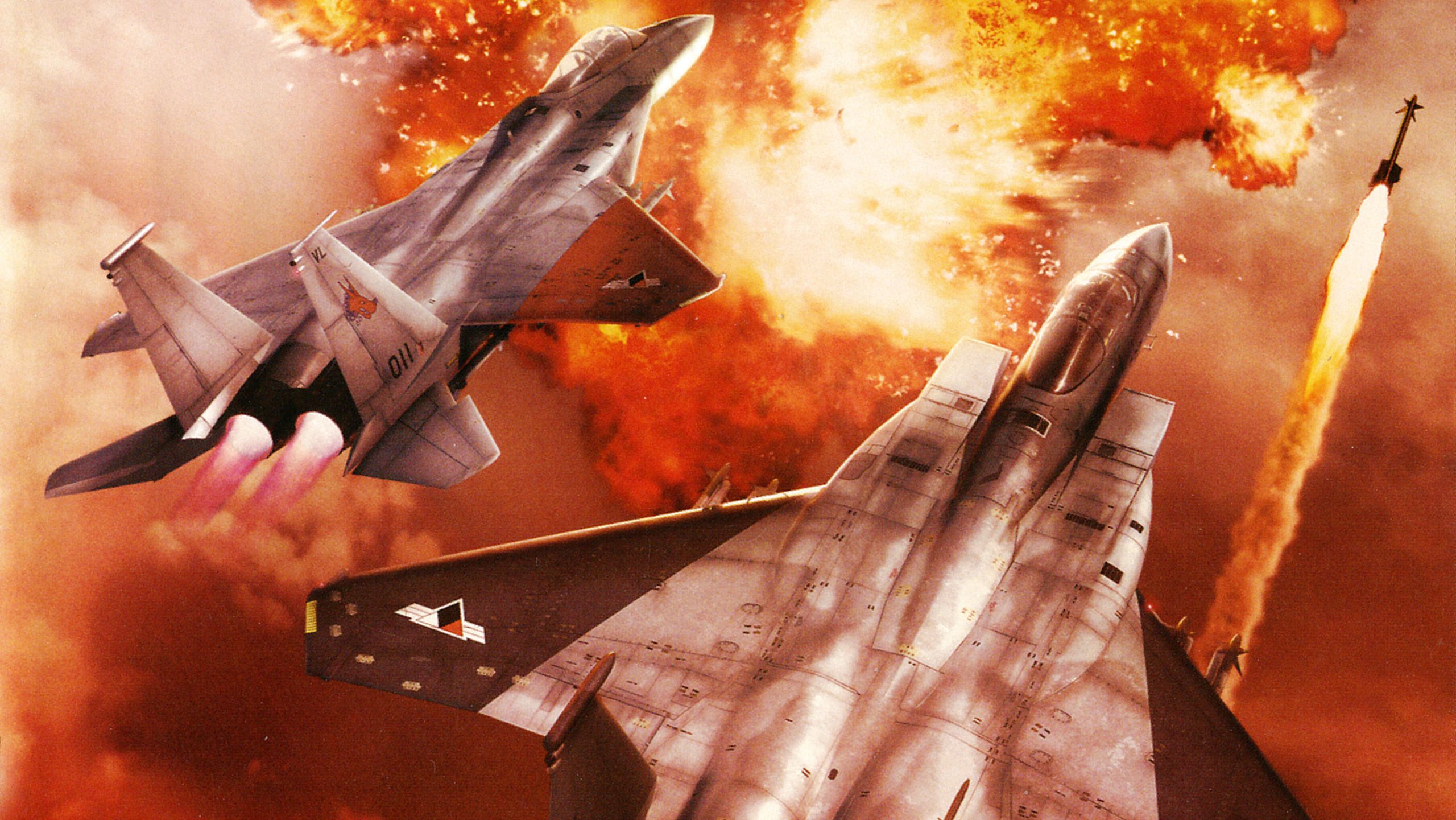
The skies of the gaming world are about to get a lot more crowded. During Sony’s most recent State of Play presentation, amidst a whirlwind of high-budget action titles and blockbuster reveals, a subtle but significant announcement captured the attention of long-time flight combat enthusiasts. Bandai Namco confirmed that Ace Combat Zero: The Belkan War—a cult classic originally released for the PlayStation 2 two decades ago—is finally making its way to PC.
This transition marks a milestone for the Ace Combat franchise, which has historically maintained a tenuous relationship with the PC platform. The release is being positioned as a centerpiece of the promotional strategy for Ace Combat 8: Wings of Theve, which is slated for a worldwide launch on October 1.
Main Facts: The Return of a Legend
The inclusion of Ace Combat Zero as a pre-order incentive for the Deluxe Edition of Ace Combat 8 is a strategic move by Bandai Namco to bridge the generational gap between the series’ PS2-era roots and its modern iteration. Ace Combat Zero, released in 2006, is widely considered the peak of the series’ narrative and mechanical depth.
Unlike the modern iterations of the franchise, Zero has never received an official remaster, high-definition port, or digital release. For years, fans have relied on legacy hardware or complex emulation to experience the title. The upcoming PC port promises to bring this legendary entry to a new audience, complete with technical updates suitable for modern hardware.
Ace Combat 8: Wings of Theve will arrive on Steam and PlayStation 5 on October 1, 2024. Players who opt for the $90 Deluxe Edition will gain immediate access to Ace Combat Zero upon its release, along with an early access window for Wings of Theve starting September 29.
A Chronological Perspective: Two Decades of Aerial Combat
To understand the significance of this release, one must look back at the trajectory of the series. The Ace Combat franchise began in the mid-90s, defining the "arcade-flight" genre with a unique blend of accessible controls and high-stakes cinematic storytelling.
- 1995-2005: The Golden Era: During the PS1 and PS2 lifecycle, the series flourished with titles like Ace Combat 04: Shattered Skies and Ace Combat 5: The Unsung War. These games established the fictional world of Strangereal, a backdrop characterized by political intrigue, world-ending superweapons, and deep lore.
- 2006: The Pinnacle: Ace Combat Zero served as a prequel to the PS2 trilogy. It introduced a darker, more personal narrative that focused on the nature of being a mercenary pilot.
- 2010s: The Struggle: Following the mixed reception of Ace Combat: Assault Horizon, which deviated from the series’ core identity, the franchise entered a period of uncertainty.
- 2019-Present: The Renaissance: The release of Ace Combat 7: Skies Unknown marked a triumphant return to form, reigniting interest in the series’ unique brand of aerial ballet and dramatic orchestral scores. Now, with Ace Combat 8, the developers are looking to solidify this momentum by looking backward.
Supporting Data: Why Zero Remains the Standard
Why is there so much excitement surrounding a 20-year-old game? The answer lies in the gameplay systems that Zero introduced—mechanics that have arguably never been topped by its successors.
The Reputation System
The most notable feature of Zero is its dynamic mission structure. Unlike linear campaigns, Zero tracks the player’s behavior. By monitoring how many "defenseless" targets a player destroys versus tactical military assets, the game categorizes the protagonist into one of three archetypes: Mercenary, Soldier, or Knight. This system dictates:
- Enemy Encounters: Different "Ace" squadrons will challenge the player based on their reputation.
- Narrative Divergence: The ending and the specific rivals faced change according to the player’s moral standing.
- Replayability: The reputation system provides a high degree of replayability, encouraging players to experience the campaign multiple times to see different narrative branches.
The Aesthetic of Conflict
Ace Combat Zero is renowned for its fusion of Arthurian and Norse mythology. From the names of the enemy squadrons to the "Round Table" location—a massive, contested airspace—the game elevates the act of dogfighting to a mythic struggle. This, paired with the iconic, flamenco-inspired soundtrack, creates an atmosphere of "fantastical grandeur" that is rare in military simulators.
Official Stance and Market Implications
Bandai Namco has been relatively quiet regarding the specific technical enhancements of the PC port. However, industry analysts suggest that this release is a litmus test for the viability of remastering the entire PS2 trilogy.
The strategy of bundling a legacy title with a new release is a calculated risk. By pricing the Deluxe Edition at $90, Bandai Namco is betting that the nostalgia of the veteran fanbase, coupled with the anticipation for Ace Combat 8, will drive high-margin sales. While some critics argue that the $90 price point is steep for a game that will eventually be available separately, the "early access" perk of 48 hours for Wings of Theve serves as a significant value-add for dedicated fans.
Implications for the Future of the Series
The inclusion of Ace Combat Zero on PC suggests a shift in how Bandai Namco views its back catalog. As the industry continues to prioritize digital preservation, bringing legacy titles to PC is no longer just a fan-requested feature—it is a competitive necessity.
Expanding the PC Audience
For years, the PC community has felt like a secondary concern for the Ace Combat development team. Ace Combat 7 was a surprise hit on Steam, proving that there is a massive, underserved market for high-fidelity aerial combat on PC. By bringing Zero to Steam, Bandai Namco is signaling that it intends to treat PC as a primary platform alongside consoles moving forward.
The "Armored Core" Effect
There is an interesting parallel between Ace Combat and Armored Core. Both franchises have spent decades defining niche genres, and both have seen a resurgence in popularity due to a renewed focus on what made their original iterations great. Just as Armored Core VI: Fires of Rubicon succeeded by refining the core mechanics that fans loved, Ace Combat 8 appears to be leaning into the "Ace" fantasy—the 1-on-1 duels, the deep lore, and the high-stakes drama—that Zero perfected.
Final Thoughts: A High-Flying Future
The announcement of Ace Combat Zero for PC is more than just a marketing gimmick; it is an acknowledgment of the series’ historical significance. For a generation of gamers, Zero was the moment the series transformed from a simple "shoot-em-up" into a sophisticated piece of interactive storytelling.
As the industry moves toward increasingly complex, open-world experiences, there is something refreshingly focused about the Ace Combat philosophy. Whether it is the rhythmic intensity of a flamenco guitar backing a high-speed dogfight or the moral weight of the "Knight" versus "Mercenary" choice, Ace Combat Zero remains a masterclass in game design.
By making this title accessible once again, Bandai Namco isn’t just selling a game; they are curating a legacy. With Ace Combat 8: Wings of Theve looming on the horizon, the skies have never looked more inviting. Players should prepare their flight sticks, calibrate their monitors, and brace themselves for the return of the Belkan War. The Round Table awaits, and this time, the entire PC gaming world is invited to the dogfight.











No comments yet. Be the first to join the conversation!