

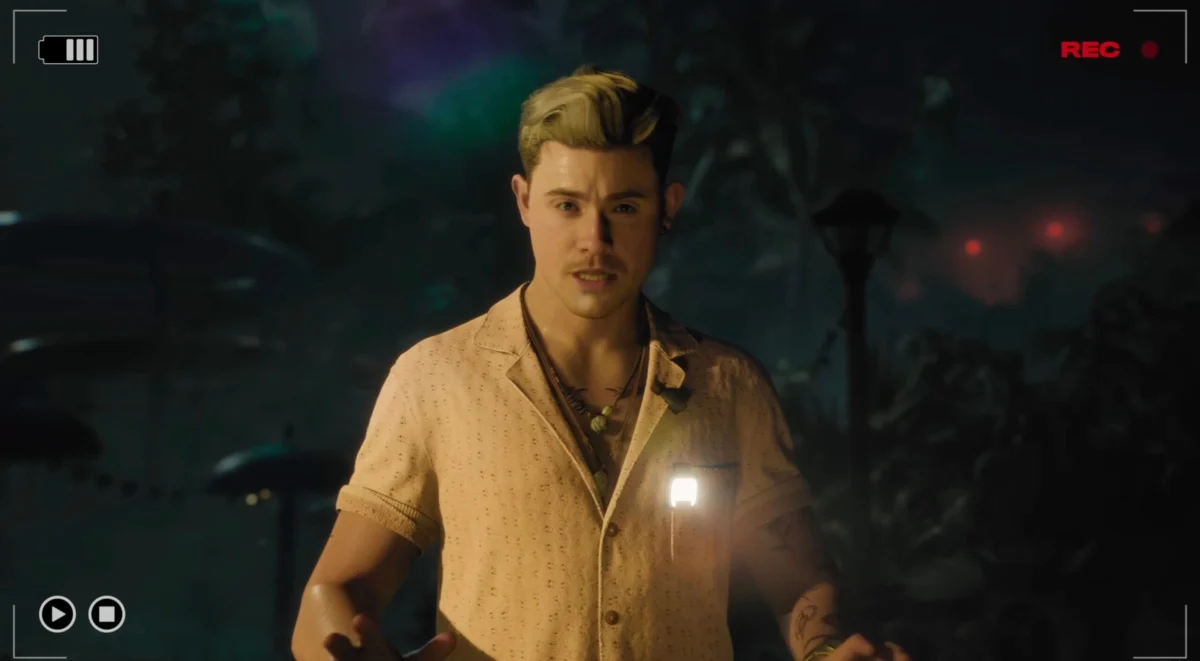
The landscape of interactive horror has been forever altered by the announcement that sent shockwaves through the gaming community during the June 2, 2026, PlayStation State of Play. Amidst a showcase of high-octane action and graphical fidelity, a trailer emerged that few expected: Until Dawn 2.
While the original 2015 title from Supermassive Games became an instant cult classic for its "butterfly effect" mechanics and snowy, slasher-inspired dread, the sequel promises to flip the script entirely. Developed by Firesprite—the studio behind the critically acclaimed PS VR2 title Horizon: Call of the Mountain—this follow-up intends to trade the frigid peaks of Blackwood Mountain for the humid, deceptive allure of a tropical island.
The Evolution of a Modern Horror Franchise
The Legacy of the Original
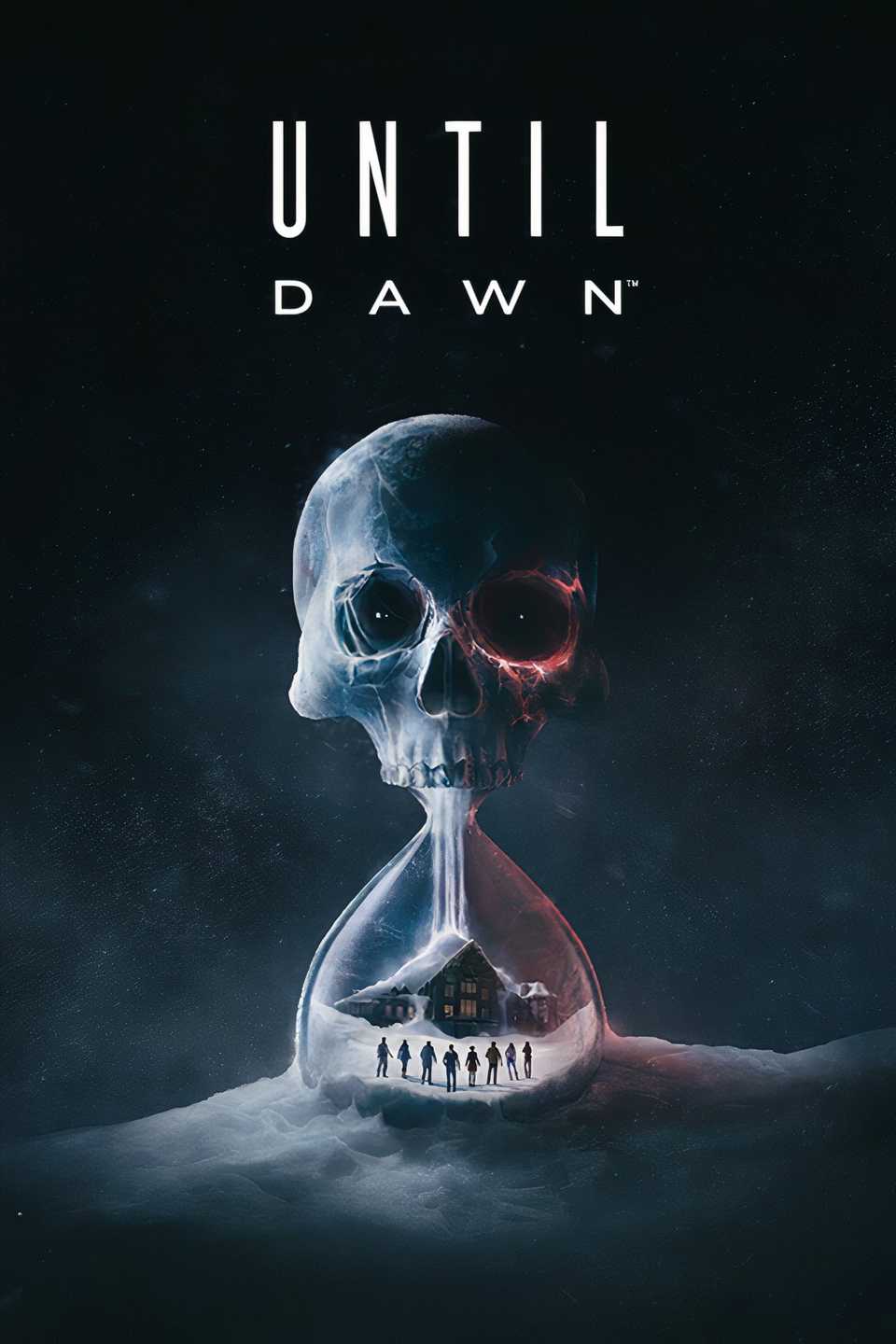
To understand the weight of this announcement, one must look back at the cultural footprint left by the 2015 original. Until Dawn was a watershed moment for narrative-driven horror. It successfully gamified the "cabin in the woods" trope, placing players in the shoes of eight teenagers tasked with surviving the night in an isolated, snow-covered resort.
Its defining feature was its uncompromising commitment to player agency. Through a complex web of split-second decisions and QTEs (Quick Time Events), the game famously allowed for a binary outcome that felt earned: everyone could survive, or everyone could perish. This brutal transparency regarding character mortality turned Until Dawn into a communal experience, with players comparing their "survivor lists" on social media and forums for years to come.
The Shift in Development
Perhaps the most jarring aspect of the announcement is the change in stewardship. Supermassive Games, the architects of the Dark Pictures Anthology and the original Until Dawn IP, will not be at the helm. Instead, Sony has entrusted the project to Firesprite.
For many fans, this raises questions about the "soul" of the franchise. Supermassive became synonymous with the cinematic horror genre, refining their specific brand of branching narrative design over the last decade. However, Firesprite’s work on Horizon: Call of the Mountain demonstrated a mastery of environmental immersion and high-fidelity technical performance. By bringing in a new studio, Sony appears to be positioning Until Dawn 2 as an evolution of the series rather than a mere retread.
A New Setting: The Tropical Horror Pivot
Trading Parkas for Sunscreen
The shift from the claustrophobic, frozen tundra of Blackwood to a remote tropical island is a bold stylistic choice. Horror is often predicated on the environment being a character itself, and the psychological impact of isolation changes drastically when the sun is beating down on the characters.
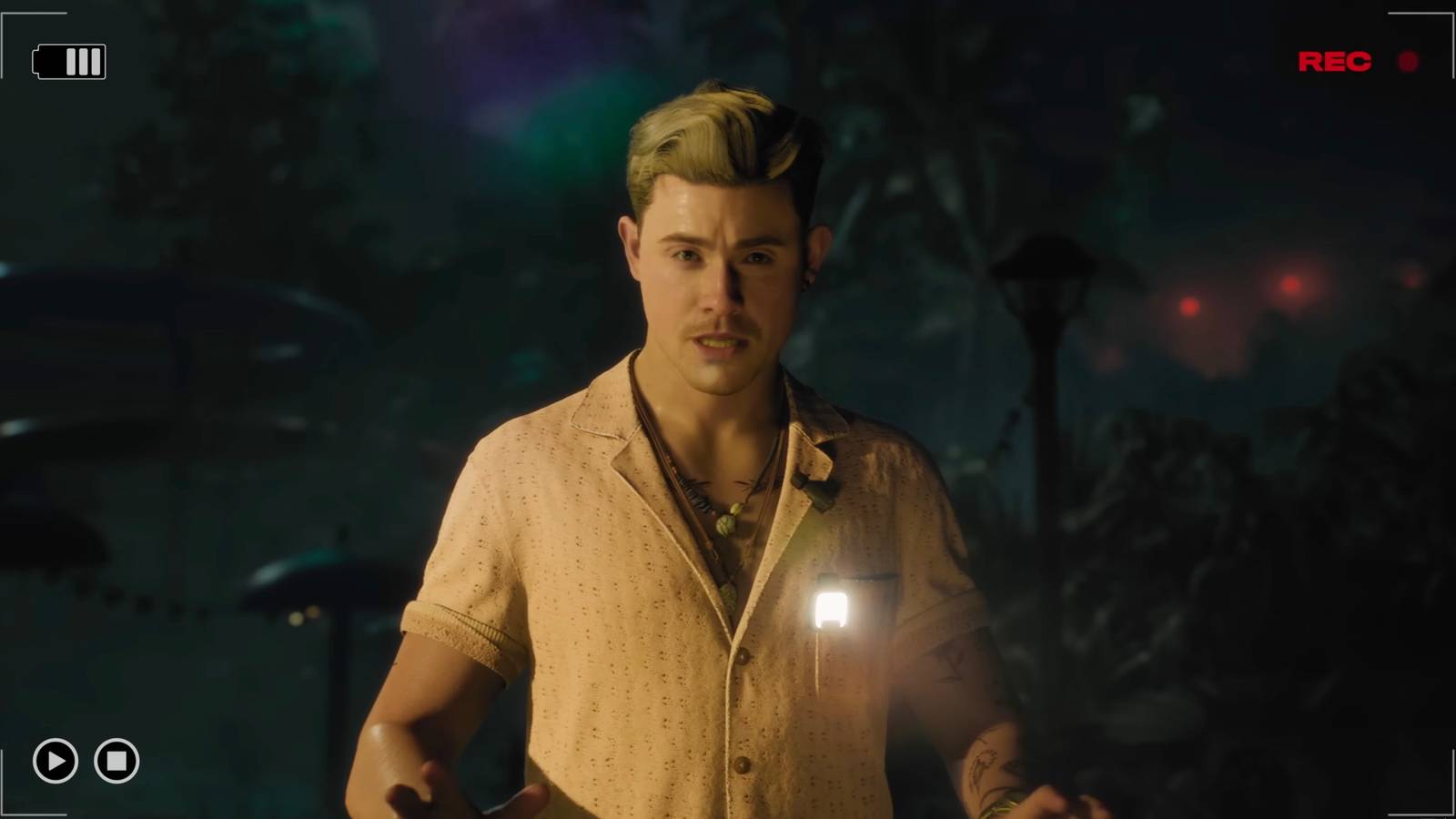
According to preliminary details released on the official PlayStation Blog, the narrative premise centers on a group of self-styled influencers. They operate a web series titled Dead True, dedicated to staging fake paranormal encounters to chase clout and subscriber counts. Their hubris leads them to an ancient, supposedly haunted island, where they intend to film their "most ambitious" episode yet.

The "Dead True" Dynamic
The decision to make the protagonists "influencers" is a modern, cynical commentary on contemporary social media culture. In the original game, the characters were somewhat archetypal teenagers struggling with interpersonal drama. In Until Dawn 2, the conflict is likely to be compounded by their performative nature. How does a group of people react to genuine terror when their primary instinct is to look for the "best angle" or ensure the camera is recording?
This shift suggests that the horror will be grounded not just in supernatural elements, but in the psychological degradation of characters who have spent their lives crafting a false reality, only to have a violent, authentic reality thrust upon them.
The Thread of Continuity: Dr. Hill and the Narrative Web
Despite the change in location and developers, the trailer offered a glimmer of narrative tethering to the original. The inclusion of Dr. Hill—the mysterious, condescending analyst from the first game—confirms that the sequel is not a reboot, but a continuation of the Until Dawn universe.
This raises significant questions: Is Dr. Hill a supernatural entity? Does he represent the player’s own morality, or is he a puppet master manipulating these events across different locations? The presence of "The Analyst" implies that the meta-commentary on player choice remains a core pillar of the experience. We are not just watching a movie; we are being psychoanalyzed by the game itself.
Chronology and Development Timeline
- August 2015: Until Dawn is released to critical acclaim, solidifying the interactive horror genre.
- 2016–2025: Supermassive Games expands the genre with The Dark Pictures Anthology and The Quarry.
- June 2026: Until Dawn 2 is officially unveiled during the PlayStation State of Play.
- 2027 (Expected): Targeted launch window for the sequel.
The relatively short window between the announcement and the planned 2027 release suggests that the project has been in development for several years, likely in tandem with the growth of Firesprite’s internal teams under the Sony umbrella.
Official Responses and Industry Implications
The Studio Perspective
Firesprite has remained tight-lipped regarding specific gameplay mechanics, focusing instead on the atmosphere of the island and the "deadly consequences" of the players’ actions. In a brief statement, a studio spokesperson emphasized that they are "building upon the foundation of choice-based trauma" established by the original, while attempting to push the boundaries of what the PlayStation 5 hardware can achieve in terms of lighting, texture, and character performance.
Market Impact
The decision to move forward with a direct sequel to a 2015 title highlights Sony’s strategy of leveraging its most valuable narrative IPs. By bringing Until Dawn back to the forefront, Sony is signaling a renewed focus on single-player, narrative-driven experiences that bridge the gap between cinema and gaming. Furthermore, it reinforces the value of the horror genre, which has seen a massive resurgence in the mid-2020s.
Implications for the Horror Genre
The "Influencer" Trope as Modern Slasher Fodder
The horror genre has always been a reflection of societal anxieties. In the 80s, the "cabin in the woods" reflected the fear of urban disconnection. In 2027, the "influencer on a haunted island" reflects the fear of our digital personas being stripped away by the harsh, indifferent reality of nature. This is a fertile ground for a game like Until Dawn 2.
Technical Fidelity and Immersion
Because Firesprite is utilizing the Decima engine (or a derivative thereof), we can expect a visual fidelity that surpasses the original in every conceivable metric. The rendering of tropical foliage, water physics, and the specific lighting of a decaying ancient ruin will be critical to the horror experience. In a game where players must scan the environment for clues to save their characters, the clarity of the environment is not just an aesthetic choice; it is a gameplay mechanic.
Conclusion: A Date with Destiny
As we look toward 2027, the anticipation surrounding Until Dawn 2 is palpable. While the shift from the snowy mountains to the tropical islands may feel like a departure, the core DNA of the series—the terrifying, high-stakes responsibility of deciding who lives and who dies—remains firmly intact.
Firesprite faces the daunting task of living up to a title that defined a genre, but they have the resources, the hardware, and the narrative framework to make it happen. Whether the "Dead True" crew finds the fame they are looking for or meets a fate far more gruesome, one thing is certain: the horror, like the sun on their island, will be inescapable.
Grab your sunscreen, sharpen your decision-making skills, and prepare for the next chapter in the Until Dawn saga. If the first game taught us anything, it is that in this world, no one is safe—and your choices are the only thing standing between your characters and the grave.











No comments yet. Be the first to join the conversation!