Muslim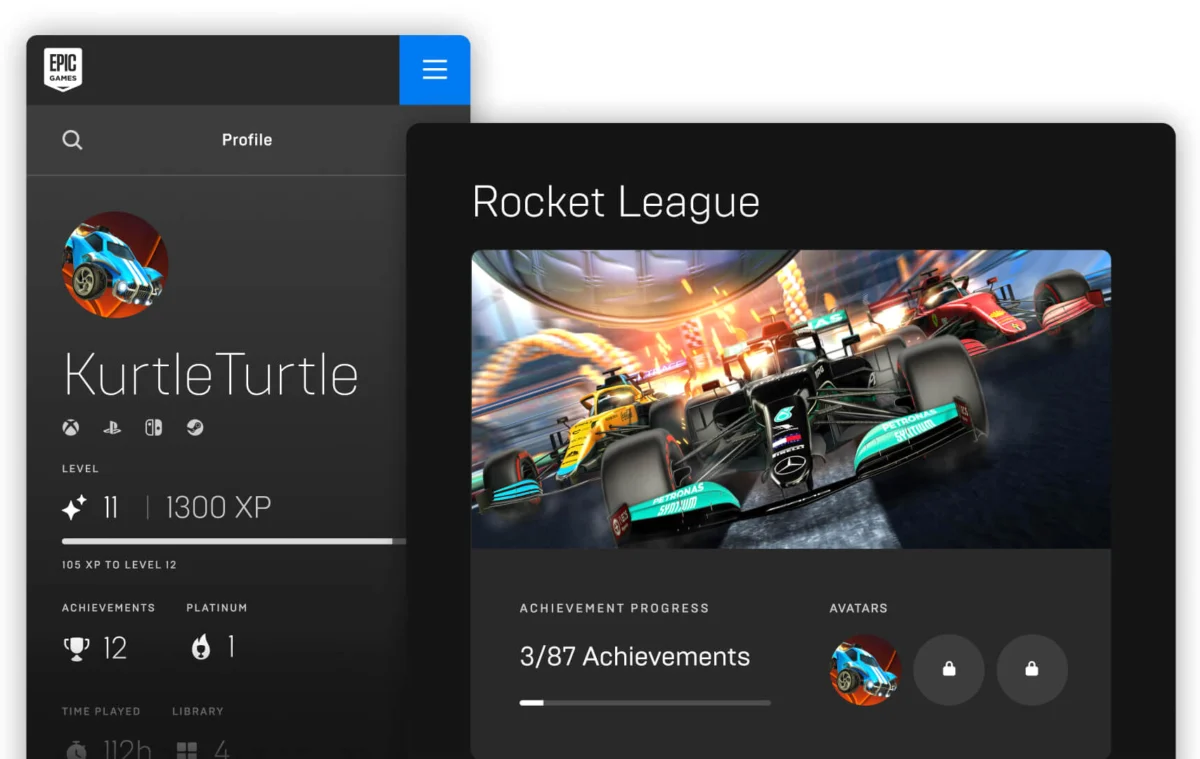
For enthusiasts who find the rhythmic snap of a RAM stick into its slot or the delicate application of thermal paste to be a meditative experience, the current hardware market has been a landscape of frustration. With supply chain constraints and fluctuating component pricing dominating the discourse, building a dream rig has, for many, shifted from a hobby to a financial hurdle. However, relief has arrived in an unexpected form: the virtual workshop.
The Epic Games Store (EGS) has announced that PC Building Simulator is currently available for free to all users. This represents a significant value proposition, as the title—which has become a staple for hardware enthusiasts—currently retails for £14.99 on competing platforms like Steam. This move is part of Epic’s aggressive strategy to bolster its user base while providing high-quality experiences to its community. Simultaneously, Epic has confirmed a long-awaited update to its storefront architecture: the official rollout of an integrated Achievement system.
The Digital Workshop: PC Building Simulator Explained
Since its initial debut in 2018, PC Building Simulator has evolved from a niche curiosity into a comprehensive pedagogical and recreational tool. Developed to mimic the intricacies of actual hardware assembly, the simulation offers a sandbox environment that is as educational as it is entertaining.
Sandbox Freedom and Career Stakes
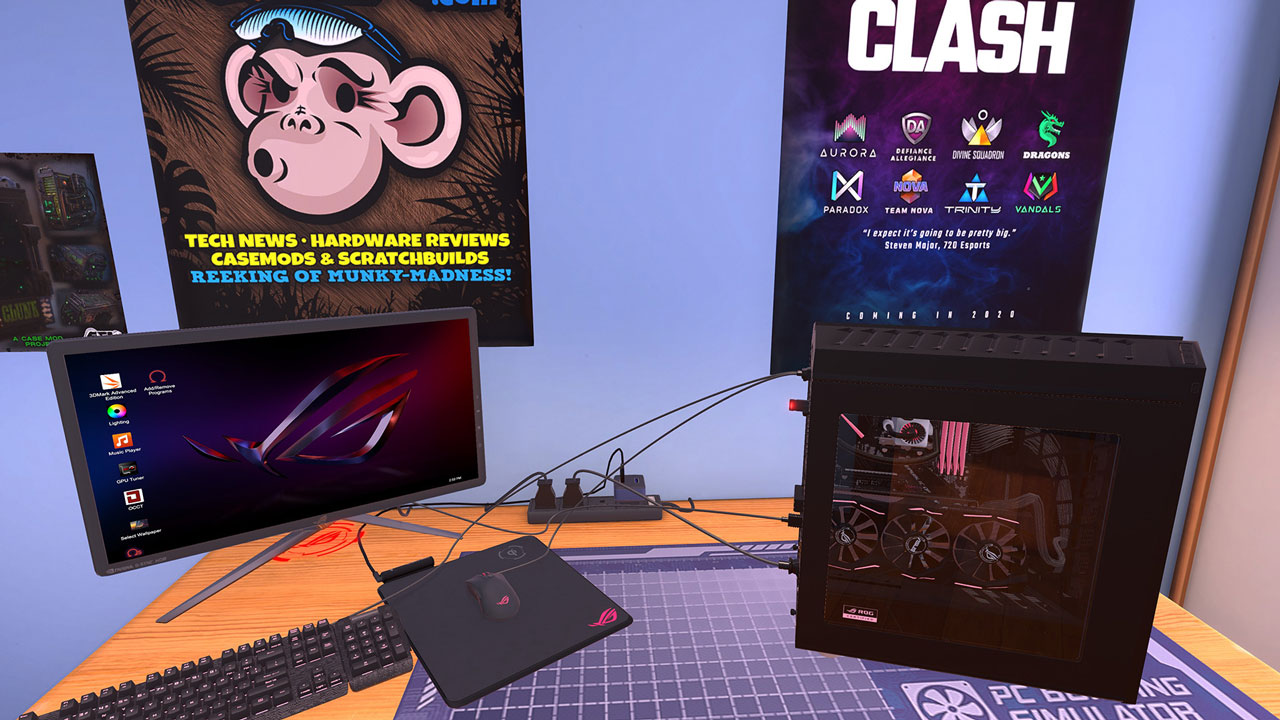
The game provides two distinct pathways for players. The "Free Build" mode serves as a pressure-free playground. Here, players are granted access to a vast catalog of modern, licensed hardware components. Whether you are looking to test a specific aesthetic configuration, experiment with cooling loops, or simply visualize how a specific GPU might fit into a compact ITX case, the sandbox mode removes the financial risks associated with real-world component incompatibility or damage.
For those who prefer a more structured experience, the "Career Mode" offers a compelling simulation of the business side of IT services. Players take on the role of a workshop proprietor, managing customer expectations, balancing hardware costs against labor fees, and navigating the nuances of profit margins. This mode serves as a grounded look at the realities of running a repair and custom-build business, requiring players to diagnose faults, upgrade aging hardware, and optimize systems to meet specific benchmarks.
Advanced Simulation Features
The developers have consistently updated the title to reflect the realities of high-end computing. Beyond simple assembly, the game allows for:
- Overclocking: Players can push their virtual CPUs and GPUs to the limit, adjusting voltages and clock speeds within the BIOS interface to maximize performance.
- Benchmarking: The simulation integrates real-world tools, including 3DMark, allowing players to validate their builds through rigorous stress tests.
- Specialized DLC: Beyond the core game, expansion packs have introduced specialized scenarios, such as working as an eSports team technician, which involves managing the high-pressure, high-performance needs of professional gamers.
Chronology: From Indie Concept to EGS Staple
The journey of PC Building Simulator is a testament to the growth of the simulation genre.
- 2018: The title launched in early access, gaining immediate traction for its faithful reproduction of parts from major brands like ASUS, MSI, and Corsair.
- 2019-2020: The developers pivoted to include more complex features, such as custom water-cooling loops and refined RGB lighting controls, which were major requests from the community.
- October 2021: Epic Games included the title as its flagship free offer, bringing a massive influx of new users to the simulation. This event marked a turning point in the game’s visibility, moving it from a "niche hardware enthusiast tool" to a mainstream gaming staple.
Epic Games Store: The Achievement System Rollout
In tandem with the PC Building Simulator giveaway, Epic Games has addressed one of the most persistent criticisms of its storefront: the absence of a player-progression tracking system. On the heels of a successful beta period, Epic confirmed that its native Achievements system will begin a wide-scale rollout.
Implementation Strategy
Epic has designed the system to be "quick and easy" for developers to integrate. By reducing the technical overhead for third-party studios, Epic aims to populate its library with achievement-enabled titles rapidly. The system is designed to track user progress, rewarding players with XP that contributes to a global profile level, mirroring the gamified progression systems seen on platforms like Xbox or PlayStation.
Initial Wave of Supported Titles
The transition is not limited to a single genre. The first titles to receive full integration include a mix of high-profile indie hits and established AAA staples:
- Rocket League
- Hades
- Pillars of Eternity
- Kena: Bridge of Spirits
- Zombie Army 4: Dead War
- Alan Wake Remastered
Epic has promised that "widespread adoption" will occur throughout the remainder of the year. To support this, they have launched a dedicated Achievements detail page. This hub allows users to view their progress, compare their badges, and track their completion percentages across their library—a feature designed to foster deeper engagement and social interaction among EGS users.
Official Responses and Strategic Implications
The dual strategy of high-value giveaways and platform-feature maturation represents a broader shift in Epic’s market positioning.
Why the Giveaway Matters
For the average gamer, PC Building Simulator acts as a gateway drug to the hardware industry. By partnering with major hardware manufacturers, the game serves as a subtle marketing vehicle for real-world brands. When a player spends hours perfecting a virtual build with a specific brand of liquid cooler, they are more likely to recognize and trust that brand when it comes time to purchase hardware in the physical world.
The Impact of Achievements
The introduction of Achievements is more than just a "gamification" tactic; it is an infrastructure play. For many users, the lack of an achievement system was a psychological barrier that kept them anchored to competing platforms like Steam. By parity-matching these features, Epic is removing the final hurdles preventing users from adopting the EGS as their primary gaming launcher.
The Broader Context: Hardware and Software Synergy
The convergence of these two developments—a virtual hardware simulator and a robust social/progression layer—highlights how Epic is attempting to create a "complete" ecosystem.
The Financial Landscape
With the global semiconductor shortage impacting the retail price of GPUs and CPUs, the barrier to entry for PC gaming has never been higher. A free simulator allows enthusiasts to stay engaged with the hobby without requiring a multi-thousand-dollar investment. This serves to keep the PC gaming community vibrant during lean hardware cycles.
The Future of the EGS Ecosystem
Looking ahead, the integration of these features suggests that Epic is moving toward a more social-centric platform. The achievement page is just the start; community-requested features like social hubs, improved library organization, and user reviews are all part of a roadmap aimed at challenging Steam’s long-standing dominance.
While the free offer for PC Building Simulator is time-limited—expiring on October 14th—its legacy will likely persist in the form of a more engaged, tech-literate player base. Meanwhile, the Achievement system is a permanent structural upgrade, signaling that the Epic Games Store is maturing from a bare-bones storefront into a feature-rich platform.
For the user, this is an era of transition. Whether you are looking to build a digital workstation or simply chasing the satisfaction of a 100% completion rate on your favorite titles, the current offerings from Epic reflect a commitment to both the enthusiast community and the casual player. As the year progresses, the success of the Achievement rollout and the continued popularity of titles like PC Building Simulator will serve as key indicators of whether Epic can truly bridge the gap between a storefront and a fully realized gaming community.
Summary of Key Dates:
- PC Building Simulator Free Access: Ends October 14, 2021.
- Achievements Rollout: Commenced the second week of October 2021, with further integration continuing throughout the remainder of the year.


 Reynand Wu
 Azzam Bilal Chamdy