

By Alfredo Federico Robelo | June 3, 2026
The intersection of cinema and the animal kingdom has long been a lucrative, albeit treacherous, landscape for Hollywood studios. There is an undeniable marketability to the "cute animal" trope; for decades, marketing departments have relied on the universal appeal of furry protagonists to drive box office returns and home video sales. However, as the history of film demonstrates, centering a feature-length narrative on an animal—whether through live-action puppetry, erratic CGI, or voice-over-heavy narratives—often results in a creative collapse.
When the formula is reduced to mere commercial calculation, devoid of artistic intent or narrative cohesion, the product is doomed. These films were rarely designed to compete for accolades or critical acclaim, yet the staggering lack of effort in their production often pushes them beyond the realm of "disappointing" and into the territory of cinematic legend for all the wrong reasons. Below, we examine the most egregious offenders in the sub-genre of animal-centered cinema.
The Economics of the "Cute Factor"
The rationale behind animal-centric films is simple: anthropomorphism creates an immediate emotional connection. From a technical standpoint, however, these projects are nightmares. Directors often struggle to balance the unpredictability of live animals with the stiff artificiality of modern CGI.

Industry analysts note that while these films often target a younger demographic that is less critical of technical shortcomings, they frequently underestimate the sophisticated standards of contemporary family audiences. When the "cute factor" is used as a smokescreen for a non-existent script or abysmal production design, the audience—and, subsequently, the critics—often respond with harsh, lasting derision.
A Chronological Descent: From Classics to Direct-to-Video Dross
The decline of the animal-themed family film can be tracked through several distinct eras. While the early 90s saw a brief resurgence of interest in live-action animal comedy, the early-to-mid 2000s marked a sharp pivot toward excessive, low-budget, and increasingly bizarre sequel-itis.

The Era of Over-Extended Franchises
As studios realized the low barrier to entry for family comedies, they began churning out sequels that bore little resemblance to the charm of their predecessors.
- Dr. Dolittle: Million Dollar Mutts (2009): By the time this direct-to-video installment arrived, the premise had been squeezed dry. It serves as a prime example of a franchise running on fumes, with the novelty of talking animals replaced by repetitive, low-energy gags.
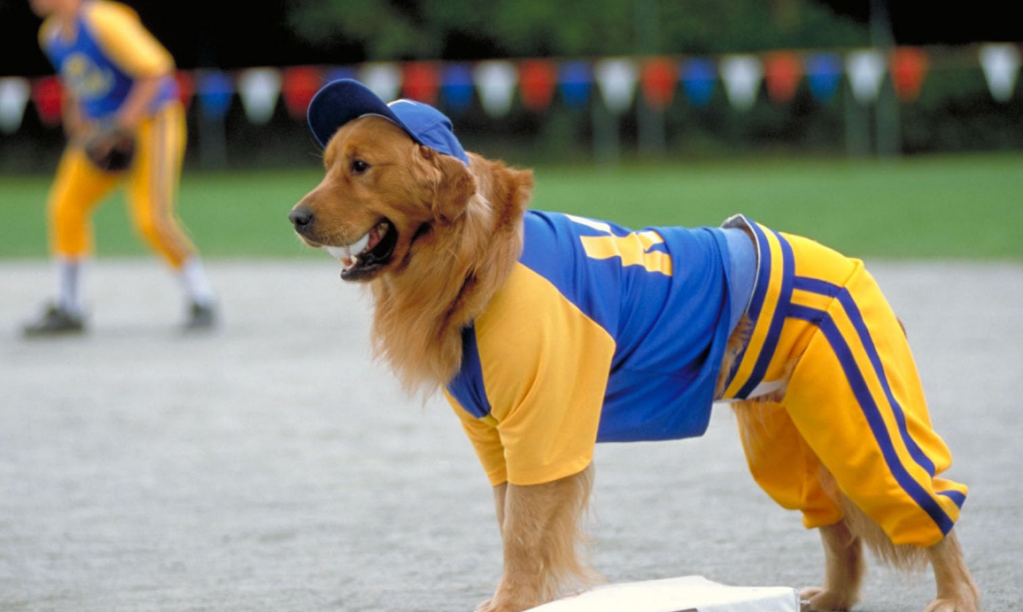
- Air Bud: Seventh Inning Fetch (2002): The Air Bud series began with a whimsical, albeit silly, premise. However, by the time the golden retriever reached the baseball diamond, the suspension of disbelief required had become insurmountable. The sports-based formula had become a rigid, exhausted trope.
- Beverly Hills Chihuahua 3: Viva la Fiesta! (2012): This film represents the nadir of the "talking dog" craze. By the third installment, the production quality had plummeted, with the film serving more as a background filler for streaming services than a genuine attempt at family entertainment.
The CGI "Uncanny Valley" and Misguided Remakes
The mid-2000s and early 2010s saw a surge in live-action/CGI hybrids, often resulting in nightmarish character designs and disjointed performances.
- Marmaduke (2010): Perhaps the most infamous entry in the genre, Marmaduke was plagued by "uncanny valley" CGI mouth movements and a script that felt stretched paper-thin. It turned a beloved newspaper comic strip into an exhausting, 88-minute endurance test.
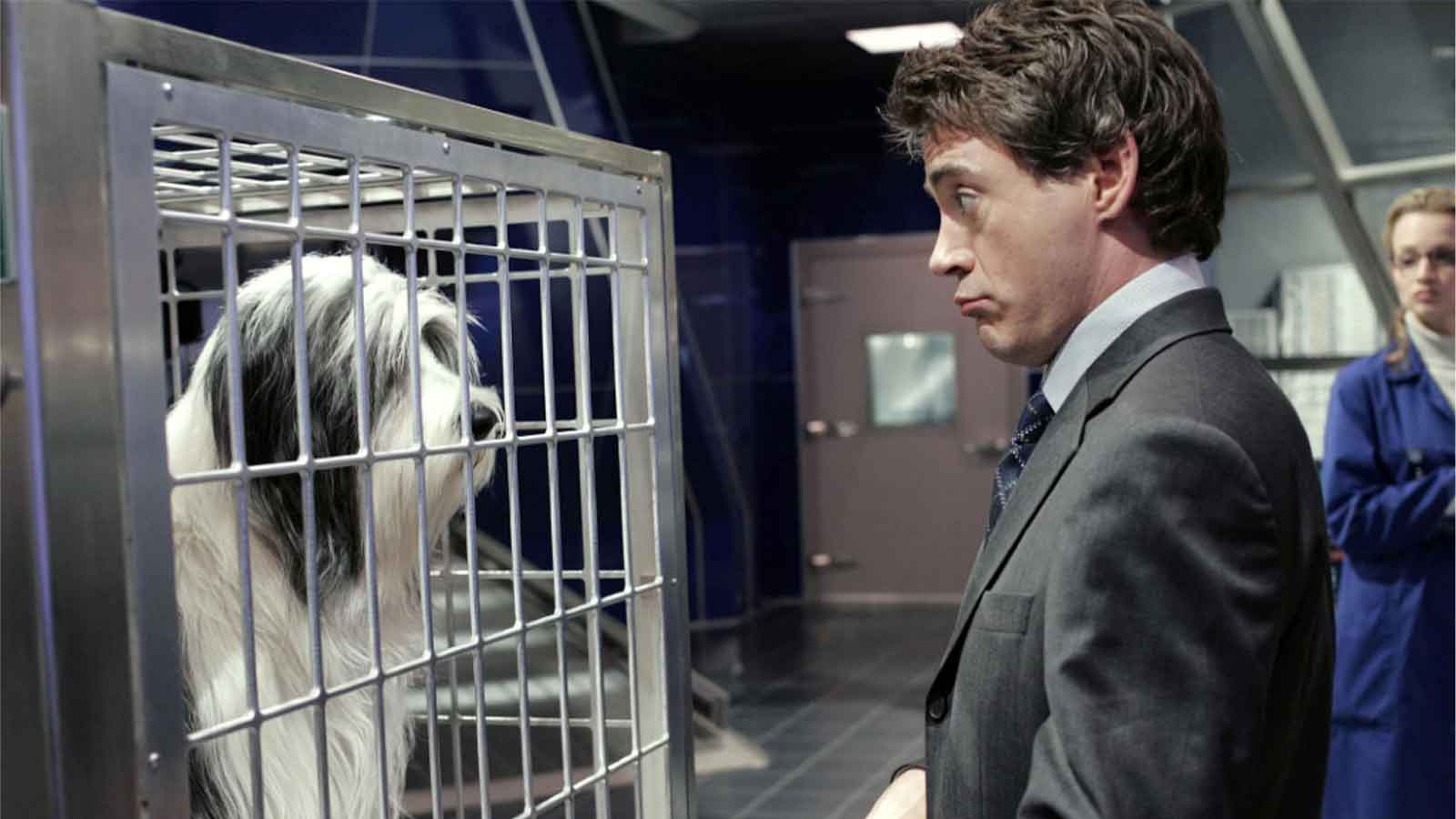
- The Shaggy Dog (2006): Tim Allen’s foray into the Shaggy Dog universe was met with tepid reviews. While it possessed a higher budget than its direct-to-video counterparts, it lacked the heart of the original, serving as a sterile, corporate-mandated update that failed to resonate with a new generation.
- Underdog (2007): A high-profile attempt to capitalize on nostalgia, the Underdog film failed to capture the manic energy of the original cartoon. It is a cautionary tale of how a recognizable intellectual property cannot compensate for a lack of narrative vision.
Case Studies in Creative Bankruptcy
Beyond the franchise fatigue, certain films stand out for their sheer audacity and bizarre execution. These entries suggest that the "animal-themed movie" category has, at times, descended into a sort of nihilistic experimentation.
The "What Were They Thinking?" Tier
- MVP: Most Vertical Primate (2001): Following the success of MVP: Most Valuable Primate (the hockey-playing chimp), the producers doubled down on the absurdity by introducing a skateboarding chimpanzee. It remains a baffling artifact of early 2000s "quirkiness."
- A Talking Cat!?! (2013): This film has achieved a status of infamy in the digital age. With a title that includes both an exclamation point and a question mark, the film delivers exactly the low-budget, poorly edited mess one would expect. Notably, the late Eric Roberts provided voice work that sounded as though it were recorded in a separate zip code from the rest of the production.
Supporting Data: Critical Consensus and Box Office Impact
The financial performance of these films provides a clear metric of their failure. According to industry tracking data from the last two decades, films in this sub-genre often experience a "front-loaded" opening weekend followed by a precipitous drop-off.

Critics have consistently pointed toward three recurring failures in these productions:
- Script Incoherence: The assumption that children do not require a structured plot.
- Technological Mismatch: The reliance on CGI that has not aged well, often looking worse than practical effects from decades prior.
- Tonality Shifts: A jarring clash between "edgy" humor (aimed at parents) and simplistic slapstick (aimed at children), resulting in a film that satisfies neither demographic.
Official Responses and Industry Implications
When questioned about the decline in quality within the animal-themed family genre, industry insiders often point to the changing nature of distribution. "The rise of home video and subsequently the streaming era created a vacuum," says media analyst Sarah Jenkins. "Studios needed low-cost content that could be categorized under ‘Family’ to fill their libraries. Quality became secondary to volume."
Indeed, the shift from theatrical releases to direct-to-video (and now, direct-to-SVOD) has effectively lowered the stakes. When a film is not expected to carry a massive marketing campaign for a theatrical debut, the incentive to ensure creative quality diminishes significantly.
Future Outlook: Is There Redemption for the Genre?
Despite this litany of failures, the animal-themed movie is not extinct. Recent successes, such as the Paddington franchise, demonstrate that when a studio invests in a strong script, emotional depth, and seamless visual effects, the genre can still achieve both critical and commercial greatness.
The lesson for Hollywood is clear: the animal is merely the vessel. The audience’s willingness to suspend their disbelief is not a bottomless well; it must be earned through coherent storytelling and respect for the viewer’s intelligence. As we look toward the future, the "worst of" lists like this one will likely continue to grow, but they serve a vital purpose—reminding studios that a cute face on a poster is no substitute for a soul in the story.
Until studios stop viewing animals as cheap gimmicks and start viewing them as characters, the annals of cinema will continue to be littered with the remains of these ambitious but ultimately hollow ventures. For the casual viewer, these films stand as a testament to the fact that just because you can make a dog talk or a monkey skateboard, it doesn’t mean you should.











No comments yet. Be the first to join the conversation!