

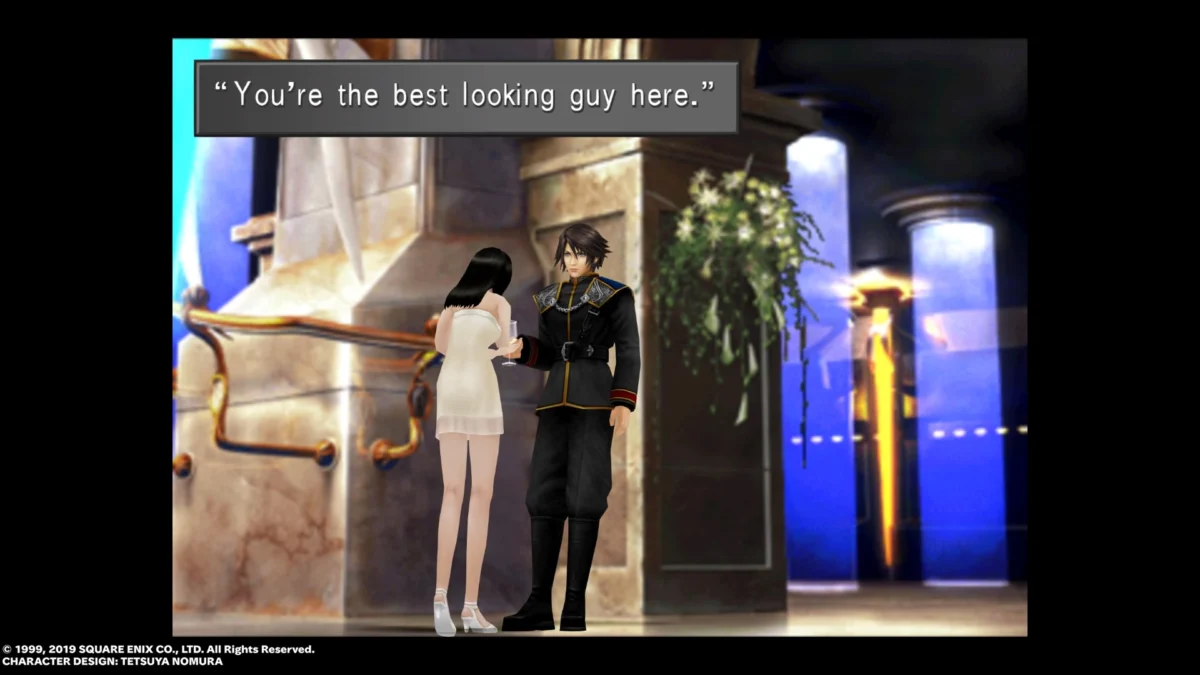
For over twenty-five years, Final Fantasy VIII has occupied a singular, somewhat polarizing, yet deeply beloved space in the annals of role-playing game history. While its innovative "Junction" system and bold, cinematic storytelling often spark debate, there is one element of the 1999 Square masterpiece that remains beyond reproach: the musical score. Composed by the legendary Nobuo Uematsu, the Final Fantasy VIII Original Soundtrack (OST) is not merely background noise; it is the heartbeat of the game, a sonic tapestry that weaves together the political intrigue, military discipline, and intimate romance of Squall Leonhart’s journey.
The Architectural Foundation: A Shift in Musical Philosophy
When Final Fantasy VIII arrived on the original PlayStation in 1999, it signaled a shift in Square’s aesthetic priorities. Moving away from the stylized, chibi-inspired proportions of Final Fantasy VII, the eighth entry leaned into a "realistic" visual design that demanded a more grounded, yet equally sweeping, musical approach.
Nobuo Uematsu, having already established himself as the titan of video game composition, delivered a score that expanded the technical and emotional vocabulary of the series. The OST does not simply accompany the action; it provides a constant backdrop to the volatile intersection of global military conflict and individual passion. By experimenting with structure and orchestration, Uematsu moved the series toward a more sophisticated, cinematic arrangement style that would influence the trajectory of JRPG scores for decades to come.
Chronology: A Sonic Journey Through Four Discs
To understand the scope of this soundtrack, one must view it as a four-disc narrative arc. Each disc serves a specific thematic purpose, guiding the player through the game’s escalating stakes.
The Opening Overture: "Liberi Fatali"
The experience begins with one of the most iconic pieces in the history of the medium: "Liberi Fatali." This track is a masterclass in tone-setting. Featuring a haunting, pseudo-Latin choir, it eschews the purely mystical themes of earlier Final Fantasy entries in favor of a darker, militaristic intensity. It was one of the first instances in the franchise where vocals were utilized so prominently to drive a cinematic opening. Over a quarter-century later, the track remains a defining moment for the series, encapsulating the game’s shift from fantasy tropes to a grounded, high-stakes military drama.
The Calm and the Institutional
The transition from the epic opening to the tranquil halls of "Balamb Garden" is jarring yet brilliant. The theme for the Garden is meditative, almost bordering on "elevator music," yet it serves a crucial narrative function. It creates a sense of home, comfort, and institution. This duality—the tension of the battlefield versus the quietude of the classroom—is a recurring motif that the soundtrack navigates with expert precision.
Atmospheric World-Building
As the player traverses the world, the soundtrack excels at painting landscapes with sound. Tracks like "Blue Fields" (the world map theme) and "Breezy" (Balamb Town) showcase Uematsu’s ability to create atmosphere with minimal percussion and layered melody. These pieces are airy and summery, providing a necessary respite from the heavier themes of the plot. Later in the game, "Fisherman’s Horizon" emerges as a complex, fan-favorite composition that perfectly captures the isolation and quaint charm of its namesake location, while "Find Your Way" acts as a dungeon theme that pays homage to the mysterious, mystical roots of the original Final Fantasy.
Supporting Data: The Mechanics of Conflict and Romance
A soundtrack’s success is measured by how well it supports the gameplay loop. In Final Fantasy VIII, the music elevates the routine of battle and the pacing of the narrative.
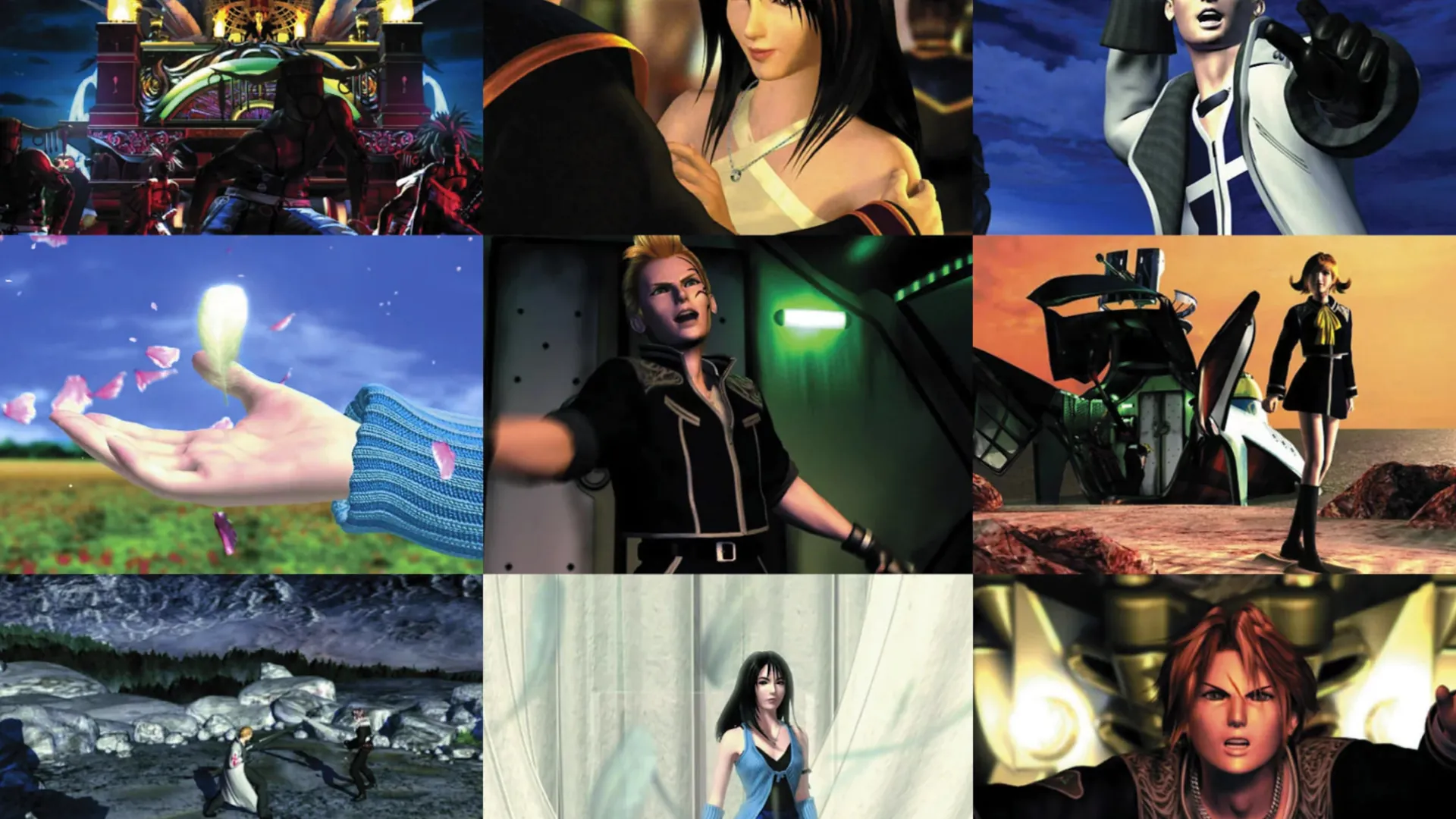
The Triumvirate of Battle
The battle music in FFVIII is arguably the strongest in the entire series. Three tracks define this experience:
- "Don’t Be Afraid": A standard battle theme that balances urgency with a steady, rhythmic pulse. Its influence is evident in modern titles like Final Fantasy XVI.
- "The Man With The Machine Gun": Perhaps the most beloved track on the OST. This Laguna-exclusive theme is a triumph of catchy electronics and driving percussion, offering a high-energy contrast to the more somber tracks in the collection.
- "Force Your Way": The boss battle theme that rounds out this trio, injecting a sense of genuine peril into every major encounter.
The Anatomy of Love
Because Final Fantasy VIII is fundamentally a story about human connections, the romantic themes are vital. "Julia" provides an achingly beautiful piano-led interlude in the first disc, while "Love Grows" serves as the emotional emotional anchor for the burgeoning relationship between Squall and Rinoa. Finally, "Eyes On Me"—the game’s vocal centerpiece—remains a gold standard for RPG love songs, featuring swelling strings and a performance that perfectly mirrors the internal vulnerability of the protagonists.
Critical Analysis: Where the Score Falters
Even a masterpiece is subject to critique. While the vast majority of the OST is impeccable, there are minor missteps where the soundscape loses its focus. Tracks such as "Fear" and "Unrest" occasionally suffer from a lack of dynamic range, with melodies that feel repetitive or lacking in the intended tension. "Cactus Jack," in particular, is often cited by fans for its shrill, abrasive quality, which—while perhaps intentional—often fails to connect with the listener. However, these instances are anomalies in an otherwise flawlessly curated collection.
Official Responses and Cultural Impact
Nobuo Uematsu has often spoken of Final Fantasy VIII as a project of intense experimentation. In various interviews and retrospective features, Uematsu has noted that the hardware constraints of the PlayStation were a catalyst for his creativity, forcing him to arrange pieces with greater complexity to squeeze every ounce of emotion out of the hardware’s sound chip.
The cultural impact of these tracks cannot be overstated. From the thousands of renditions performed by orchestras worldwide to the sheer, relentless ubiquity of "Shuffle or Boogie"—the inescapable, catchy rhythm that accompanies the game’s iconic Triple Triad card mini-game—the music has transcended the software itself. It is a score that people dream about, a soundtrack that defines a generation of gamers.
Implications: A Turning Point in Gaming Audio
The Final Fantasy VIII Original Soundtrack represents a pivotal moment in the evolution of video game music. It proved that a game’s score could be as structurally complex as a film score, capable of conveying subtle shifts in political atmosphere, romantic tension, and existential dread.
By bridging the gap between the chiptune era and the modern orchestral age, Uematsu’s work on Final Fantasy VIII provided the blueprint for the cinematic storytelling that would define the next two decades of Square Enix titles. The soundtrack is not just a collection of songs; it is a historical record of a studio pushing its boundaries. Despite the passage of time and the rapid evolution of audio technology, the music of Final Fantasy VIII remains an absolute treat for the ears, standing as a testament to the fact that when melody meets emotion, the result is timeless.
Whether you are revisiting the halls of Balamb Garden or bracing for the final confrontation against Ultimecia, the score remains the constant, guiding light of the experience—a masterwork that ensures the legend of Seed will never fade.












No comments yet. Be the first to join the conversation!