For over a decade, PlayStation fans have looked across the console divide with envy, watching their Xbox counterparts enjoy the seamless convenience of backward compatibility. While Xbox users could simply slide a legacy disc into their Series X or download a digital classic from the store, PlayStation owners were tethered to the aging, hardware-dependent constraints of the PlayStation 3 era. That era of frustration has finally come to an end.
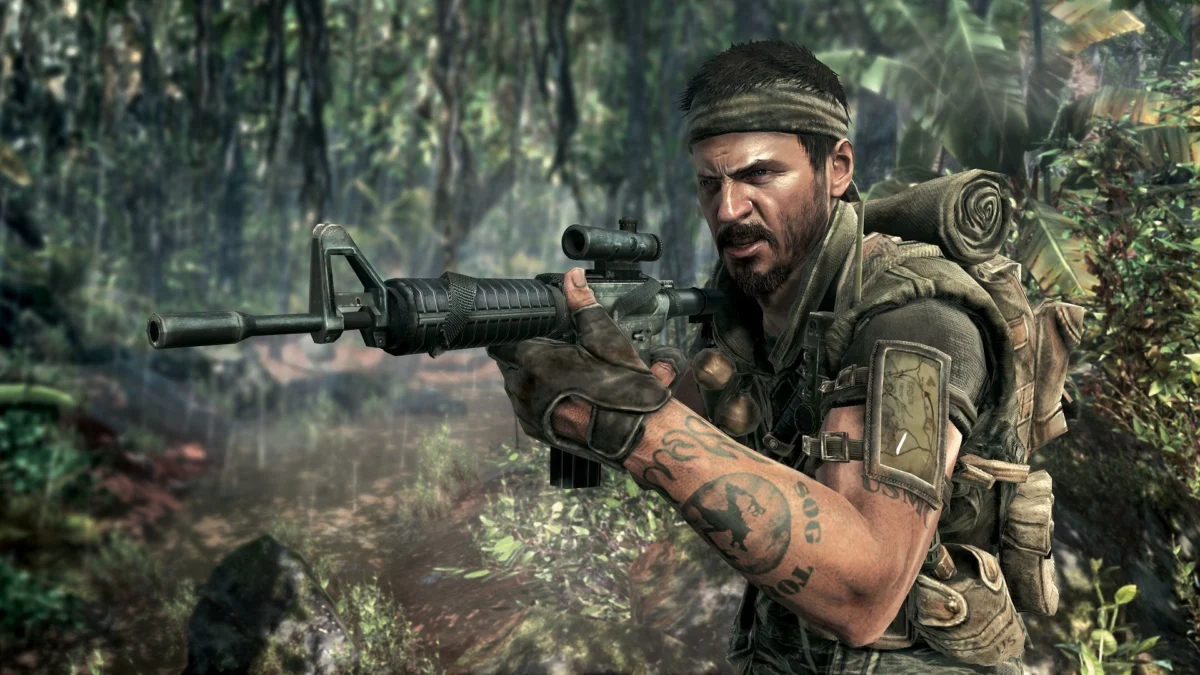
Activision has officially launched Call of Duty: Black Ops and Call of Duty: Black Ops II on the PlayStation 4 and PlayStation 5, marking the first time these foundational pillars of the first-person shooter genre have been natively accessible on modern Sony hardware. This release not only bridges a significant gap in the franchise’s digital history but also invites a new generation of players to experience the titles that defined the golden age of competitive online gaming.
The Core Facts: Availability and Pricing
The re-release, handled in collaboration with Iron Galaxy Studios, is currently available via the PlayStation Store. As of the launch announcement, both Call of Duty: Black Ops and Call of Duty: Black Ops II are being offered at an introductory promotional price of $19.99 each.
Prospective players should note that this discount is time-sensitive. The promotional pricing will conclude on August 6, at which point both titles will revert to their standard retail price of $39.99. The ports include the complete feature set that cemented the Black Ops reputation: the gritty, conspiratorial single-player campaigns, the robust competitive multiplayer suites that birthed modern eSports, and, most importantly, the foundational Zombies mode that spawned a multi-game narrative phenomenon.
A Chronology of Conflict: Why Now?
To understand the significance of this release, one must look at the historical landscape of the Call of Duty franchise.
The PS3 Era (2010–2012)
Call of Duty: Black Ops (2010) and Black Ops II (2012) were massive cultural touchstones developed by Treyarch. They were the apex of the franchise’s "Golden Age." However, the PlayStation 3 architecture—notorious for its complex "Cell" processor—made emulation notoriously difficult for later Sony consoles. When the PlayStation 4 launched in 2013, it abandoned backward compatibility, leaving the Black Ops library trapped on the PS3.
The Divergent Paths
While PC players on Steam could maintain access to these titles through the platform’s forward-thinking preservation efforts, the console market split. Microsoft’s aggressive push for backward compatibility allowed Xbox users to play these games with enhanced frame rates and resolution. PlayStation users, meanwhile, were left with three choices: keep their dust-covered PS3 consoles, use the now-defunct PlayStation Now streaming service (which lacked the full, reliable performance of native code), or simply miss out.
The Modern Resolution
The move to bring these titles to PS4 and PS5 follows a broader industry trend toward "legacy preservation." By leveraging Iron Galaxy Studios—a developer renowned for their technical expertise in porting and optimization—Activision has effectively rectified a long-standing grievance in the PlayStation ecosystem.
Supporting Data: Why Black Ops Remains Essential
The Black Ops sub-series is widely regarded as the narrative and mechanical soul of the Call of Duty franchise.

- Black Ops (2010): Set during the height of the Cold War, the game follows Alex Mason, an operative subjected to intense psychological conditioning. Its narrative structure—a series of interrogation-room flashbacks—provided a level of storytelling depth rarely seen in the shooter genre at the time.
- Black Ops II (2012): This title was a visionary step forward. By splitting the timeline between the 1980s and the "near-future" of 2025, it introduced branching storylines and "Strike Force" missions that reacted to player choices. It was the first Call of Duty to truly experiment with player agency, a feature that remains a benchmark for the series.
- The Zombies Phenomenon: It is impossible to discuss these titles without mentioning the cooperative Zombies mode. What began as a hidden mini-game in World at War exploded into a massive, lore-heavy experience in Black Ops and Black Ops II. From the introduction of the "Pack-a-Punch" machine to the complex Easter eggs that spanned multiple maps, these two games are widely considered the "holy grail" for fans of the survival-horror game mode.
Official Responses and Developer Integration
While Activision has kept the marketing focused on the player experience, the involvement of Iron Galaxy Studios is telling. Iron Galaxy has spent years perfecting the art of "modernizing the past," having previously worked on high-profile ports for titles like The Elder Scrolls V: Skyrim (Switch) and various Batman: Arkham collections.
Their role in this project signifies a commitment to stability. Players can expect these versions to handle modern controller inputs, high-definition output scaling, and the improved stability of the PS5’s hardware, though they remain faithful to the original game code to preserve the "feel" of the gunplay—a factor that long-time fans cite as the most important element of the original experience.
Implications: The Future of Legacy Gaming
The release of these titles carries significant implications for the gaming industry at large.
1. The Preservation Mandate
As digital storefronts age, the risk of "software rot" or total loss of access becomes a major concern. By bringing these games to the modern PlayStation Store, Activision is ensuring that these titles are not locked behind the hardware failure of a 15-year-old console. It serves as a blueprint for other publishers to follow: if a game is a classic, it should be available on the current generation.
2. Market Impact on Pricing
The $19.99/$39.99 pricing structure is a bold move. It validates the "long-tail" value of legacy software. Many publishers opt for free-to-play models for their modern shooters, but by pricing these classics as premium experiences, Activision acknowledges that the Black Ops brand still carries enough weight to warrant a purchase on its own merits, rather than as a secondary add-on.
3. Community Resurgence
The re-release will inevitably lead to a surge in player counts for the original multiplayer servers. For the competitive community, this represents a return to "simpler times"—an era before the heavy integration of seasonal battle passes, complex weapon blueprints, and overwhelming UI elements. It allows players to return to a version of Call of Duty that focused on map design, weapon balancing, and core combat loops.
Conclusion: Is It Worth the Upgrade?
For veterans of the franchise, the decision is simple: the chance to revisit the maps of Nuketown, Firing Range, and Kino der Toten on a modern console is worth the price of admission alone. For newer players who entered the series with Modern Warfare (2019) or Warzone, these titles offer a historical education in what made Call of Duty a global powerhouse.
The Cold War has returned to PlayStation. While the graphics may show their age, the gameplay remains as sharp, fast, and addictive as it was in 2010. By modernizing access to these foundational titles, Activision has provided a much-needed service to the gaming community, proving that even as technology advances, the best shooters of the past still have a place in the present.
Whether you are looking to relive the psychological thrills of Alex Mason’s journey or you simply want to survive one more round against the undead, the arrival of Black Ops on PS4 and PS5 is a landmark event in console history. Be sure to secure your digital copy before the promotional window closes on August 6—a small price to pay for a decade of gaming history.