Evan Lee Salim
In the volatile landscape of modern game development, few decisions are as daunting as abandoning a core concept mid-production. Yet, that is exactly what Funktronic Labs has done with Scramble Knights, a title that has undergone a radical transformation. Originally conceived as a competitive battle royale, the project has officially been rebranded as Scramble Knights Online, pivoting toward a cooperative, Monster Hunter-inspired MMO-lite experience. This move, while bold, serves as a poignant case study in the importance of market awareness, the realities of player liquidity, and the courage required for a studio to admit when a project’s initial trajectory is no longer viable.
The Genesis of the Pivot: A Hard Lesson in Reality
For three years, the team at Funktronic Labs labored under a singular vision: to carve out a space for an indie-developed battle royale in an industry dominated by massive, well-funded juggernauts. Despite persistent skepticism from observers and industry critics who questioned the viability of a small studio launching a battle royale in the saturated market of 2026, the team remained steadfast.
However, the "haters"—as the studio affectionately referred to their detractors in a recent update—eventually proved to be grounded in a cold, statistical reality. As the project neared its next phase of development, the team performed a rigorous audit of their goals against the harsh metrics of the current gaming landscape.
Studio co-founder Eddie Lee, speaking in an official video update, laid bare the math behind their decision. "A live-service Battle Royale was not going to work for us," Lee admitted. The team concluded that to maintain "optimal flow" and "player liquidity"—the necessary volume of active participants required to ensure that matches are consistently fair, challenging, and instantaneous—a minimum of 2,000 to 3,000 concurrent users would be required at all times.
When the team examined the reality of player acquisition and retention, they faced an uncomfortable truth: achieving that level of consistent, concurrent engagement for a niche indie battle royale was, as Lee put it, "damn near impossible." Rather than pushing forward with a flawed model that would likely result in "dead" servers shortly after launch, the studio opted for a clean break.
Chronology of a Transformation
The journey of Scramble Knights has been one of iterative discovery.
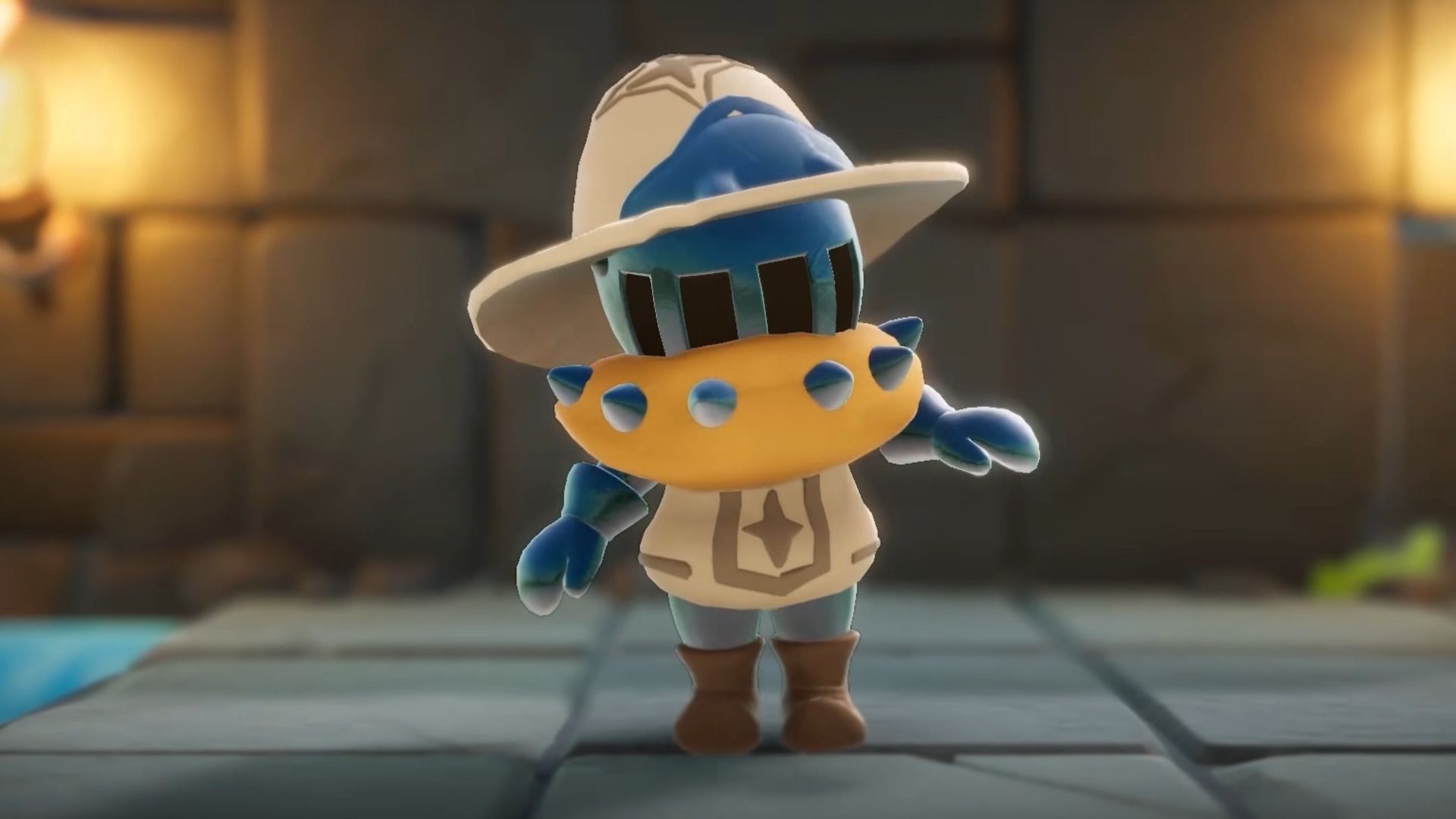
- The Conceptual Phase (2023–2025): Funktronic Labs initiated development on a Zelda-inspired battle royale. The goal was to blend the frantic, high-stakes nature of the battle royale genre with a charming, stylized aesthetic.
- The Skepticism Phase: Throughout this period, the project faced public scrutiny regarding its target demographic and the sustainability of a battle royale in a post-peak market environment.
- The Audit Period (Early 2026): Funktronic conducted an internal deep dive into their live-service requirements. The realization set in that the "math simply wasn’t numbering."
- The Epiphany: During a brainstorming session to save the project, a new vision emerged—a "Monster Hunter-inspired MMO-lite experience." According to Lee, the realization was immediate and visceral: "Holy shit, this is it. I felt it, I felt that magic."
- The Rebranding (Present): The project officially shifted from Scramble Knights Royale to Scramble Knights Online, with a new focus on PvE (Player vs. Environment) and cooperative adventure.
The New Horizon: What is Scramble Knights Online?
With the pivot confirmed, the focus of the studio has shifted to defining the new identity of Scramble Knights Online. The game is set in the shared online kingdom of Terracotta, a sprawling archipelago designed for exploration and cooperative play.
The gameplay loop is centered on "questing with friends." Players will explore the vast, interconnected world, engage in combat against challenging monsters, conquer intricate dungeons, and unearth treasures. These rewards feed back into a core progression system where players return to a home base to upgrade gear, craft armor, and refine weapons, preparing themselves for increasingly difficult encounters.
Funktronic is careful to avoid labeling the game as a full-scale Massively Multiplayer Online (MMO) game, acknowledging that the term carries certain expectations of scale and infrastructure that may not align with their indie ethos. Instead, they are positioning it as a "shared online experience." It is an evolution of their original "adventure with friends" concept, now refined to emphasize community and long-term progression rather than the zero-sum nature of a battle royale.
Addressing the Community and Competitive Elements
One of the most significant questions raised by the pivot is whether the competitive DNA of the original project has been entirely purged. The studio has confirmed that while the game is now heavily tilted toward cooperative PvE, PvP (Player vs. Player) elements will remain part of the experience. This suggests a hybrid model, perhaps reminiscent of survival games or extraction shooters where players can cooperate to survive threats but may still find themselves in conflict with other adventurers for limited resources.
By maintaining some level of PvP, Funktronic is likely hoping to retain the original appeal of the project for those who were drawn to the high-stakes combat, while simultaneously broadening the game’s appeal to a demographic that prefers building and questing over constant, high-pressure competition.
Market Implications: The "Indie-as-a-Service" Dilemma
The decision to pivot is a significant indicator of the current state of indie development. For years, the "live-service" model was seen as the holy grail—a way to ensure recurring revenue and long-term engagement. However, as the market reaches a saturation point, many developers are finding that the "always-on" nature of live services requires a level of player density that only a fraction of games can sustain.
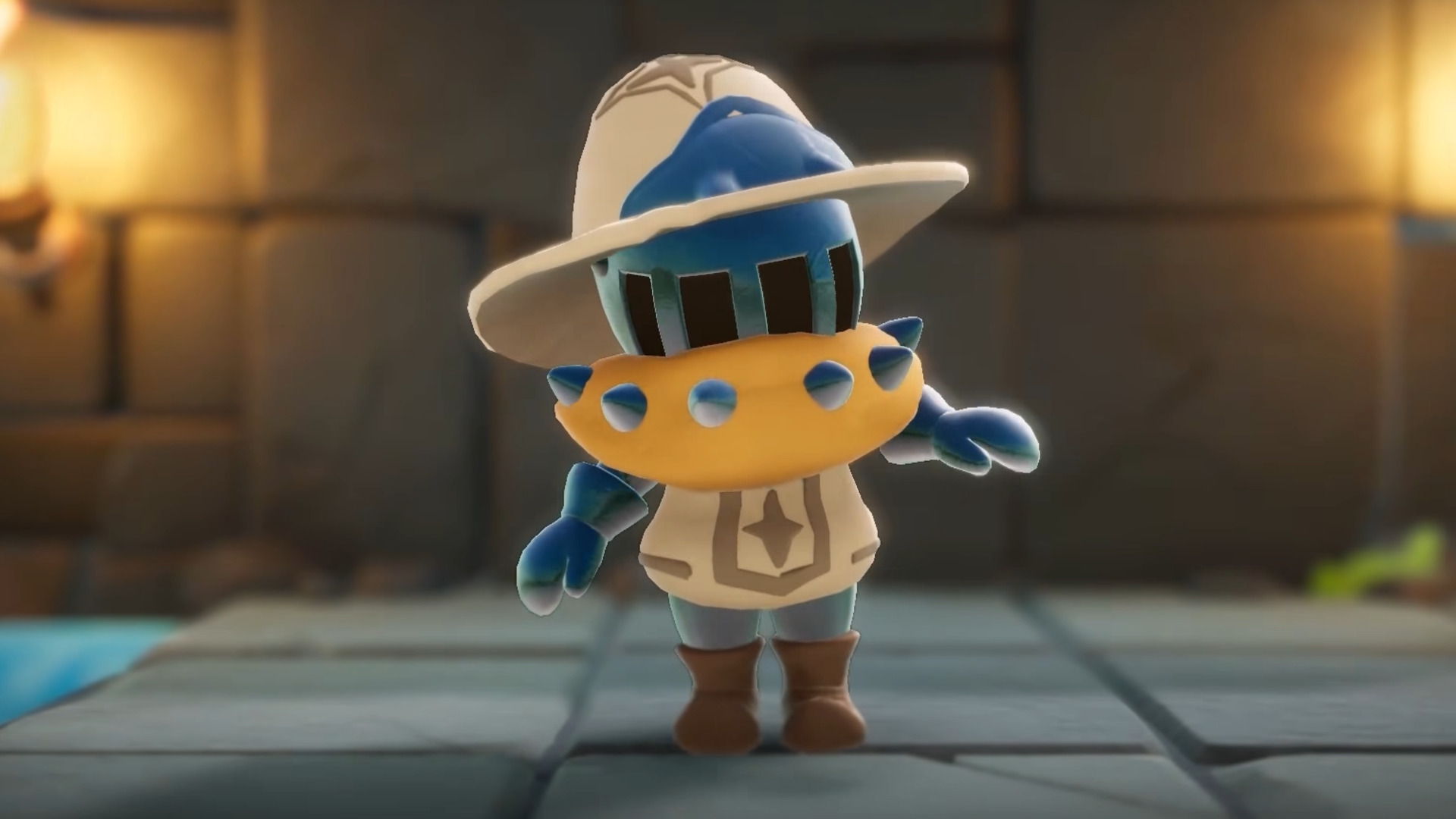
Funktronic Labs’ admission that they needed to change course is a testament to the maturation of the indie sector. It highlights a growing awareness that "indie-as-a-service" is a high-risk gamble. By transitioning to a model that emphasizes PvE progression and shared adventure, Funktronic is opting for a more sustainable, "vertical" growth path—where the value is found in the depth of content and the social bonds between players, rather than the constant, frantic churn of a battle royale lobby.
Looking Ahead: The Road to Early Access
As the studio prepares for an Early Access release this fall, the industry will be watching closely. With a price point projected to be between $15 and $20, Scramble Knights Online is positioning itself as an accessible, high-value title for players looking for a shared adventure without the commitment of a subscription-based MMO.
The transparency shown by the studio—from the "haters were right" thumbnail to the candid breakdown of concurrent user requirements—has earned them a level of goodwill that is rare in the industry. By prioritizing the "magic" of the gameplay experience over the rigid adherence to a trend, Funktronic Labs may have inadvertently ensured the long-term survival of their project.
Ultimately, the transformation of Scramble Knights serves as a reminder that the best games are often the ones that evolve to meet the needs of their players, rather than forcing players to conform to a pre-conceived business model. Whether this pivot will translate into the success they envision remains to be seen, but the studio’s willingness to change course in the face of insurmountable odds is, in itself, a victory for the integrity of their creative process.


 Reynand Wu
 Sagoh
Sagoh