

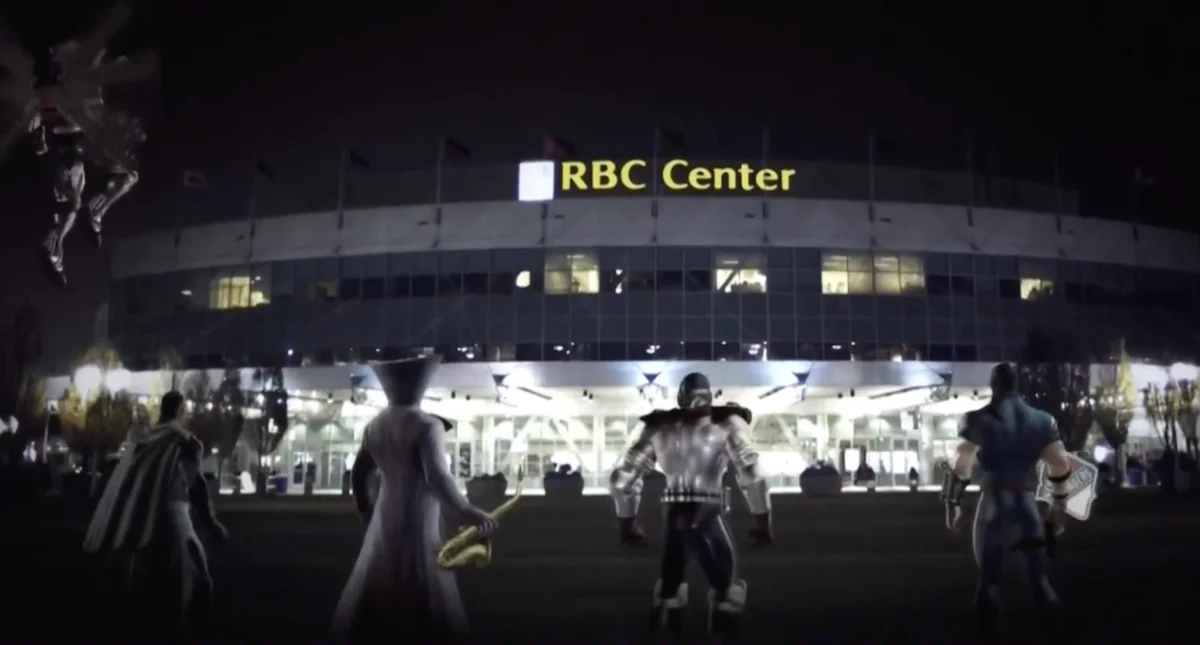
In the annals of sports marketing, few initiatives have been as ambitious—or as spectacularly misguided—as the NHL’s "Guardian Project." Conceived in the late 2000s and unveiled during the 2011 NHL All-Star Game in Raleigh, North Carolina, the project sought to merge the high-octane world of professional hockey with the lucrative, mythic appeal of the comic book industry. At the helm of this experiment was none other than Stan Lee, the legendary architect of the Marvel Universe.
Yet, fifteen years later, the project serves not as a bridge between fandoms, but as a cautionary tale regarding corporate synergy and the limits of brand licensing. What was intended to be a multi-platform franchise spanning graphic novels, animation, and merchandise ultimately became a footnote in hockey history—a "spectacular failure" that, for many, is better left in the penalty box.
The Genesis of the Guardians: A Premise in Motion
The core concept, while simplistic, carried a certain logic. The NHL, eager to broaden its demographic appeal and capture the imaginations of younger audiences, looked toward the superhero boom that was dominating cinema. If teams already possessed mascots, colorful uniforms, and hyper-competitive identities, why not elevate them to the status of comic book titans?
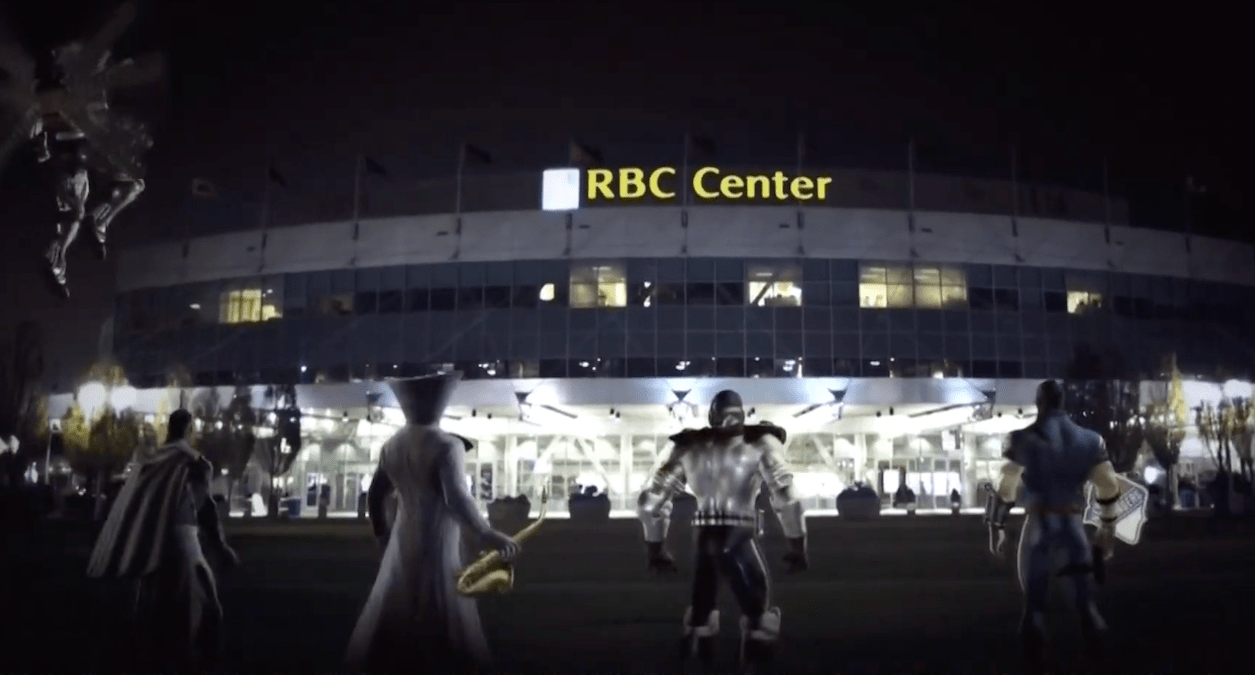
Stan Lee, ever the showman, was recruited to oversee the creative direction. The result was a roster of 30 distinct superheroes, each tethered to an NHL franchise. The debut at the 2011 All-Star Game was a sensory overload of CGI animation. Fans watched in confusion as their favorite teams were transformed into spandex-clad warriors to battle "Devin Dark," an ethereal, cloud-like antagonist threatening to consume the hockey world.
The narrative, which concluded on a cliffhanger that was never properly resolved, featured the Guardians being kidnapped, save for the Hurricane, and teased the revelation of the team leader’s identity. It was a high-budget spectacle that left the audience in the arena—and viewers at home—utterly bewildered.
Chronology of a Cultural Misfire
To understand the collapse of the Guardian Project, one must look at the timeline of its rapid rise and near-instantaneous disappearance:
- 2009–2010 (Development): The NHL and Guardian Media Entertainment announce a partnership with Stan Lee’s POW! Entertainment. Press releases promise an immersive universe where every NHL team has a designated "Guardian."
- January 30, 2011 (The Reveal): The Guardians make their grand debut at the NHL All-Star Game in Raleigh. The reception is lukewarm at best; sports commentators and hockey purists struggle to reconcile the gritty reality of the sport with the cartoonish aesthetic of the project.
- Spring 2011 (The Graphic Novel): The Guardian Project Special Edition is released. It features scripts by veteran writer Chuck Dixon and supplemental art by comic legend Neal Adams. Despite the pedigree of the creators, the stories are criticized for their derivative nature and lack of emotional stakes.
- 2012–2013 (Quiet Exit): Without the momentum of a successful film or television series, the project quietly dissolves. The merchandise fails to sell, and the NHL quietly removes references to the Guardians from official team pages.
- 2015–Present (Obscurity): The project becomes a "ghost" of the internet. It is rarely mentioned in official NHL history, and secondary market prices for the original graphic novels fluctuate wildly due to their status as rare, albeit unwanted, collectibles.
Derivative Designs: When "Inspired" Means "Copied"
The fatal flaw of the Guardian Project was not the ambition, but the execution. Critics were quick to point out that the characters felt like uninspired "clones" of established comic book icons.
For instance, the Pittsburgh Penguin was gifted the ability to fire ice missiles—a direct theft of Marvel’s Iceman—and was equipped with a visor reminiscent of Cyclops from the X-Men. The Montreal Canadian, a hero in a blue-and-red armored suit, bore an uncanny resemblance to Iron Man. The Arizona Coyote was essentially Wolverine with a coat, and the Florida Panther was a diluted version of Black Panther, stripped of its cultural context and relocated to the Sunshine State.
These design choices revealed a fundamental misunderstanding of the target audience. Hockey fans, who pride themselves on the authenticity and intensity of their sport, found the generic, mass-produced superhero tropes patronizing. The "Guardian" avatars did not represent the spirit of the cities they hailed from; they represented the aesthetic of a boardroom trying to calculate the most efficient way to sell toys to ten-year-olds.
Supporting Data: The "Mike Mason" Lore
Perhaps the most egregious aspect of the project was the "in-universe" explanation for the heroes’ existence. According to the lore established in the Guardian Project Special Edition, these superheroes were not mythic figures born of ancient struggles, but the doodles of a teenager named Mike Mason.
While this meta-fictional approach was intended to evoke the "kid dreaming of heroism" trope, it effectively cheapened the characters. It explicitly told the reader that these heroes weren’t "real" in the context of the story—they were just drawings that came to life. This narrative choice undermined any attempt to create a cohesive, serious universe, rendering the high-stakes battles with Devin Dark feel trivial and inconsequential.
Official Responses and Strategic Implications
The NHL has historically remained tight-lipped about the failure of the Guardian Project. Commissioner Gary Bettman, known for his relentless pursuit of league expansion and revenue growth, viewed the project as an experimental marketing venture. When the metrics—toy sales, website traffic, and fan engagement—failed to materialize, the league simply stopped talking about it.
Industry analysts suggest that the project was a byproduct of the NHL’s "fourth-sport" syndrome. Constantly looking for ways to eclipse the NBA, MLB, and NFL in the American cultural consciousness, the league often experiments with high-risk, high-reward marketing. The Guardian Project taught the NHL that fans prefer organic, team-driven narratives—such as the "Vegas Golden Knights" origin story or the legendary rivalries of the Original Six—rather than manufactured, corporate-mandated "mythology."
The Legacy of the Guardians
Today, the Guardian Project is relegated to the dusty corners of the internet. It serves as a reminder that even the most talented creative minds, such as Stan Lee, are not immune to the pitfalls of "work-for-hire" projects devoid of genuine passion.
Stan Lee was undeniably a visionary, but the Guardian Project lacked the collaborative fire of his work with Jack Kirby or Steve Ditko. Without a strong editorial backbone or a compelling narrative hook, the Guardians were destined to fail.
As the NHL continues to grow, attracting new fans through sophisticated digital content and authentic storytelling, the Guardian Project remains a cautionary tale. It is a reminder that sports fans do not need capes and laser-blasts to find their heroes. They find them on the ice, in the final seconds of a tie-breaking game, where the drama is real, the stakes are physical, and the outcome is never scripted by a marketing team.
Looking back, the Guardians were a mirage—a fleeting, flashy, and ultimately forgettable attempt to force a connection between two worlds that, perhaps, were never meant to overlap in such a clinical, corporate fashion. The NHL moved on, the fans moved on, and Devin Dark was defeated—not by a team of superheroes, but by the simple, relentless passage of time.











No comments yet. Be the first to join the conversation!