Dwi Wanna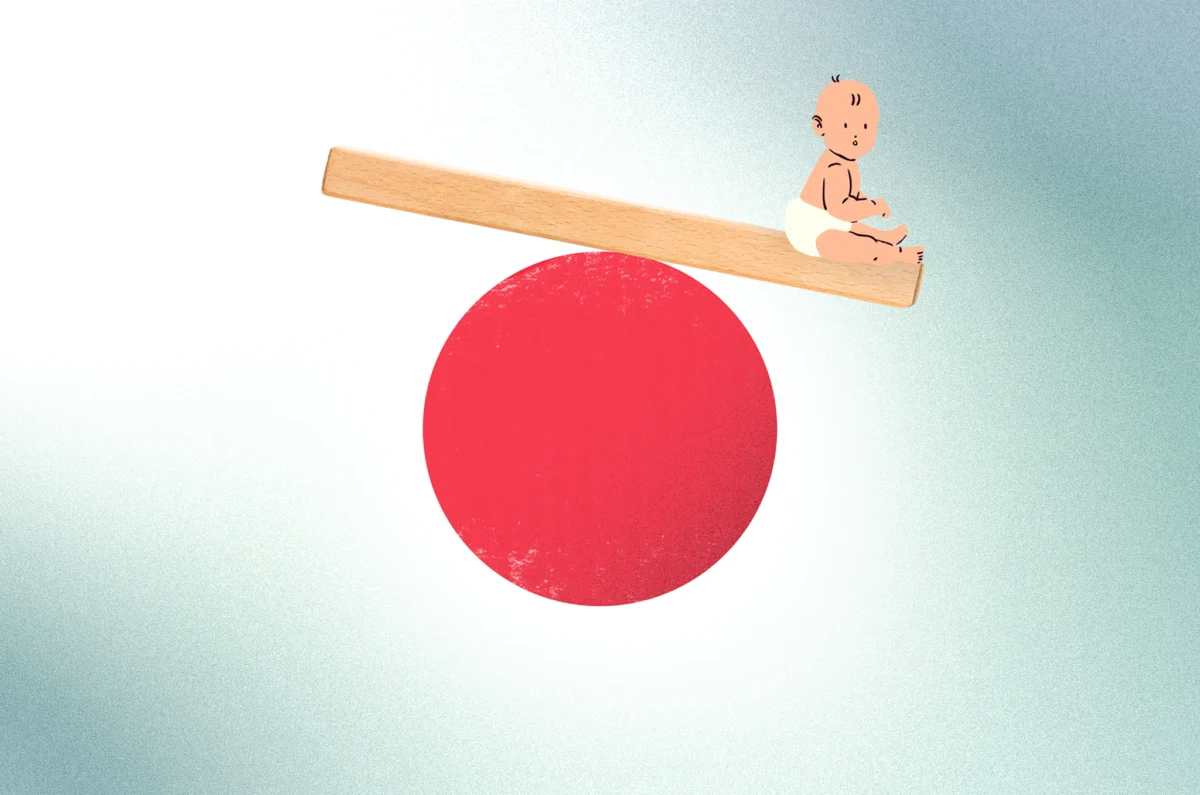
This week, Japan finds itself at the intersection of cultural milestones, sporting triumphs, and sobering social challenges. From the emotional finale of one of the nation’s most beloved boy bands to a deepening demographic crisis and a high-stakes search for a missing American student, the country is currently grappling with a diverse array of headlines.
The Search for James ‘Weston’ Higginbotham: A Family in Turmoil
The disappearance of 20-year-old American college student James “Weston” Higginbotham has triggered an extensive search operation across Kyoto. Higginbotham, an Alabama native, vanished on May 29 while visiting Japan with his family. The circumstances surrounding his disappearance have captured international attention, not least because of the reported domestic tension that preceded it.
Chronology of the Disappearance
Higginbotham was last seen on CCTV footage at approximately 8:00 p.m. in Kyoto’s Yamashina district. He was dressed in a distinctive ensemble: lavender pants, a “Save the Bees” T-shirt, and white sneakers. According to his mother, Nancy, the family had engaged in a heated argument earlier that day regarding her use of generative AI technology—specifically ChatGPT.
Nancy Higginbotham noted that her son often retreated to wooded areas to "blow off steam" when stressed. “That’s his happy place,” she told CNN. “I’m thinking he’s just off in the woods, and he got lost.” Despite the passage of time, the family remains steadfast in their commitment, declaring they will not depart from Japan until Weston is safely recovered. Local authorities are currently coordinating with mountain rescue teams to comb the trails surrounding the Yamashina area.

Crisis in Fukushima: Bear Rampage Sparks Safety Concerns
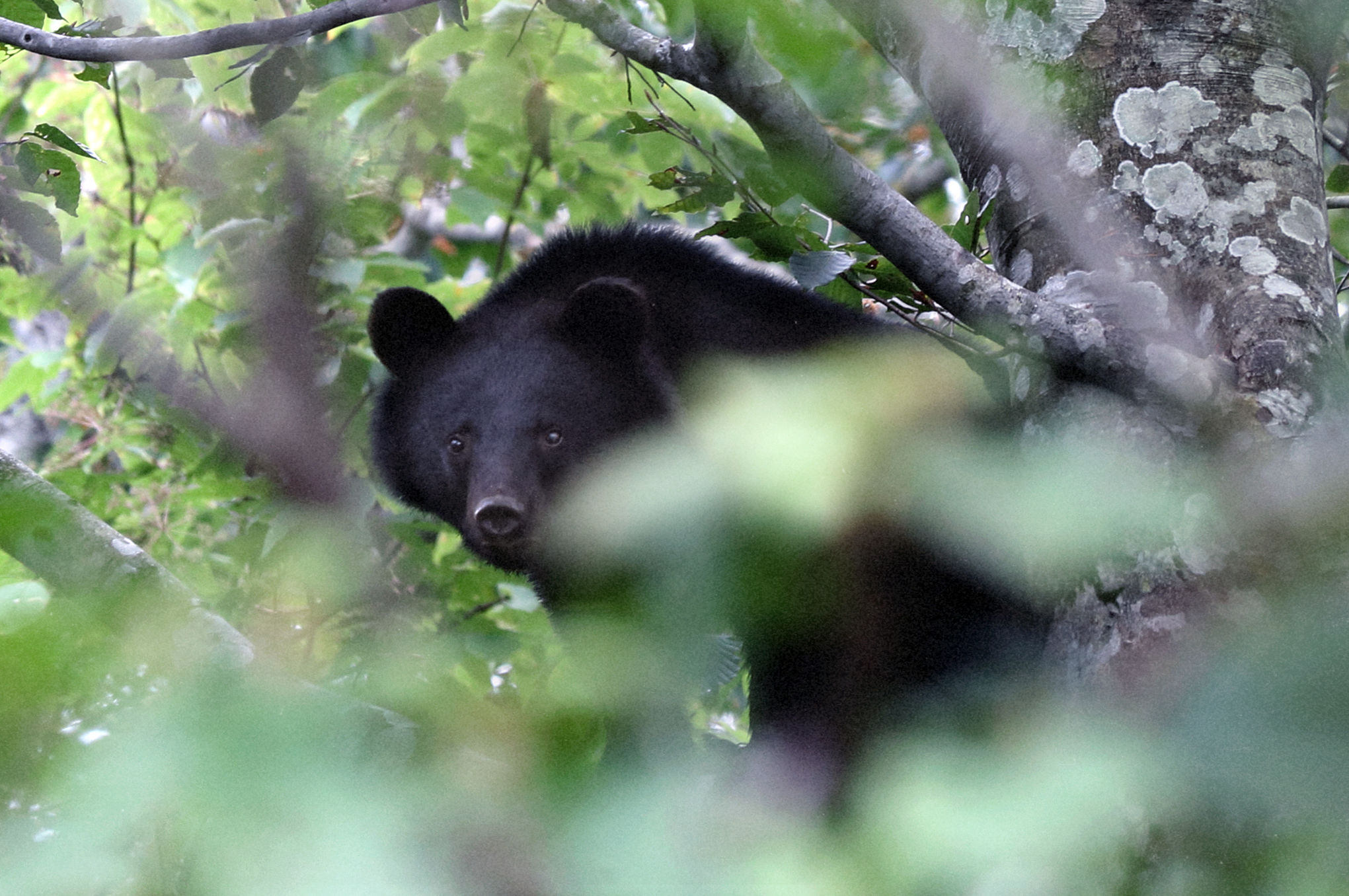
Fukushima is on high alert after a series of bear attacks left four people injured on Tuesday. The incident, which occurred in the Sasakino district, serves as a stark reminder of the escalating human-wildlife conflict in rural and semi-industrial areas of Japan.
A Factory Intrusion
The rampage began at the Fukushima Steel Works Co., where the bear attacked two male employees. The animal then moved toward a residential area, injuring an elderly woman in her 80s, before ending up on the grounds of the electronics manufacturer Oki Sympho-Tech, where it injured a 66-year-old security guard.
Official Response and Safety Protocols
The situation turned bizarre when the bear barricaded itself inside the Oki Sympho-Tech facility. Authorities opted for tranquilizers rather than lethal force, citing the presence of flammable materials within the factory as a deterrent to using high-caliber firearms. However, the plan faltered; the bear remained active after being struck by a sedative dart and subsequently escaped through an unlatched window.
Fukushima Mayor Yuki Baba addressed the public following the escape, emphasizing the difficult balance between public safety and the ethical treatment of wildlife. As of now, the animal remains at large, and residents are advised to exercise extreme caution when near wooded perimeters.
Demographic Winter: Japan’s Birth Rate Hits Record Low
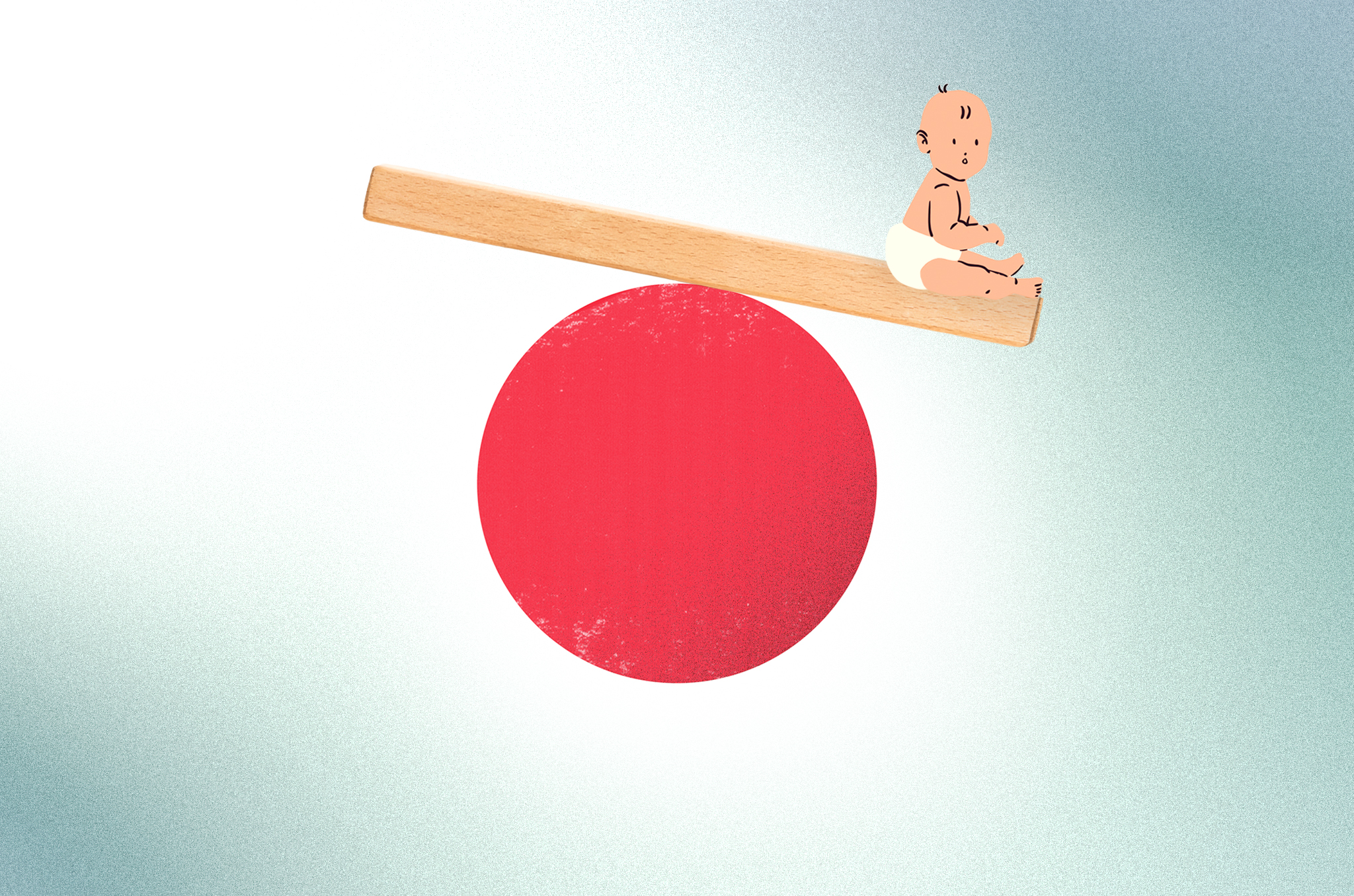
Beneath the daily headlines, a more profound, long-term crisis continues to unfold. Data released this Wednesday by the Ministry of Health, Labour and Welfare confirmed that the number of babies born to Japanese nationals in 2025 plummeted to a record low of 671,236.
Supporting Data and Statistical Analysis
The implications of these figures are significant. The nation’s total fertility rate—the average number of children a woman is expected to bear in her lifetime—slipped by 0.01 percentage points to 1.14. This marks the 10th consecutive year of decline.
Economists and sociologists have expressed alarm, as this drop has outpaced even the most pessimistic projections from the National Institute of Population and Social Security Research. Previously, experts did not anticipate annual births falling into the 670,000 range until the 2040s. The current acceleration suggests that the structural pressures on Japanese families—ranging from economic stagnation to rigid workplace culture—are intensifying faster than policy interventions can mitigate.
Luxury and Legacy: The Record-Breaking Yamazaki 50-Year-Old
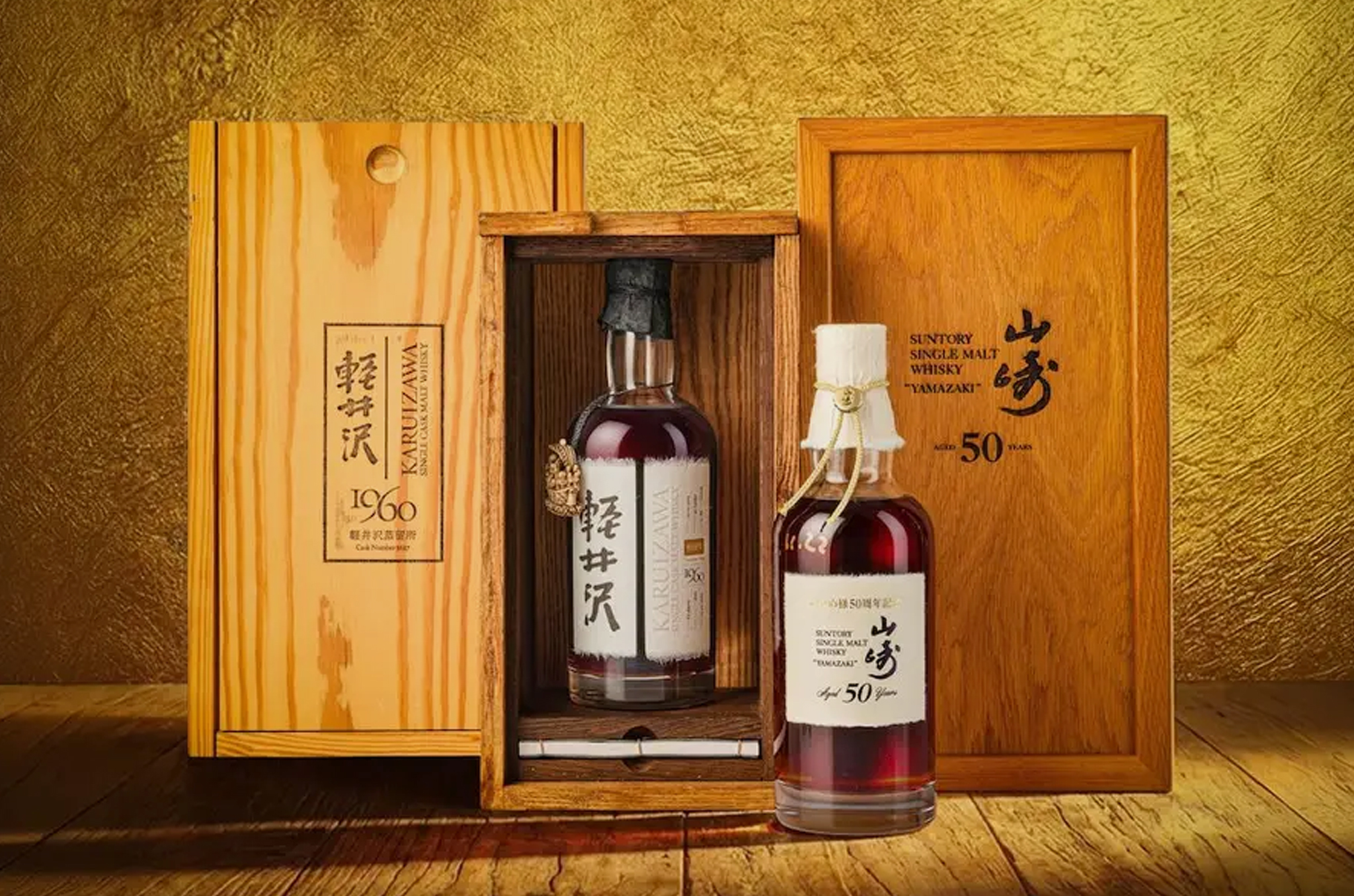
In the world of high-end collectibles, Japanese whisky continues to command astronomical prices. On Saturday, a rare Club Natsume edition of the Yamazaki 50-Year-Old set a new world record at Bonhams Hong Kong, selling for HK$8.25 million (US$1.05 million).
The Value of Rarity
The hammer price shattered all expectations, far exceeding the pre-sale estimate of US$360,000 to US$530,000. This sale represents a 30% increase over the previous record for Japanese whisky, held by a Yamazaki 55-Year-Old since 2020.
The bottle in question is a relic of Japanese craftsmanship, originally intended as a private gift to celebrate the 50th anniversary of Nagoya’s exclusive Club Natsume. Never meant for the open market, its scarcity is bolstered by its signature washi paper label and the authenticating signature of Suntory Chief Blender Shinji Fukuyo. Its sale confirms that Japanese single malts have firmly cemented their position as the "blue chip" assets of the global spirits market.
Arashi’s Final Bow: A Cultural Farewell and a Social Media Firestorm
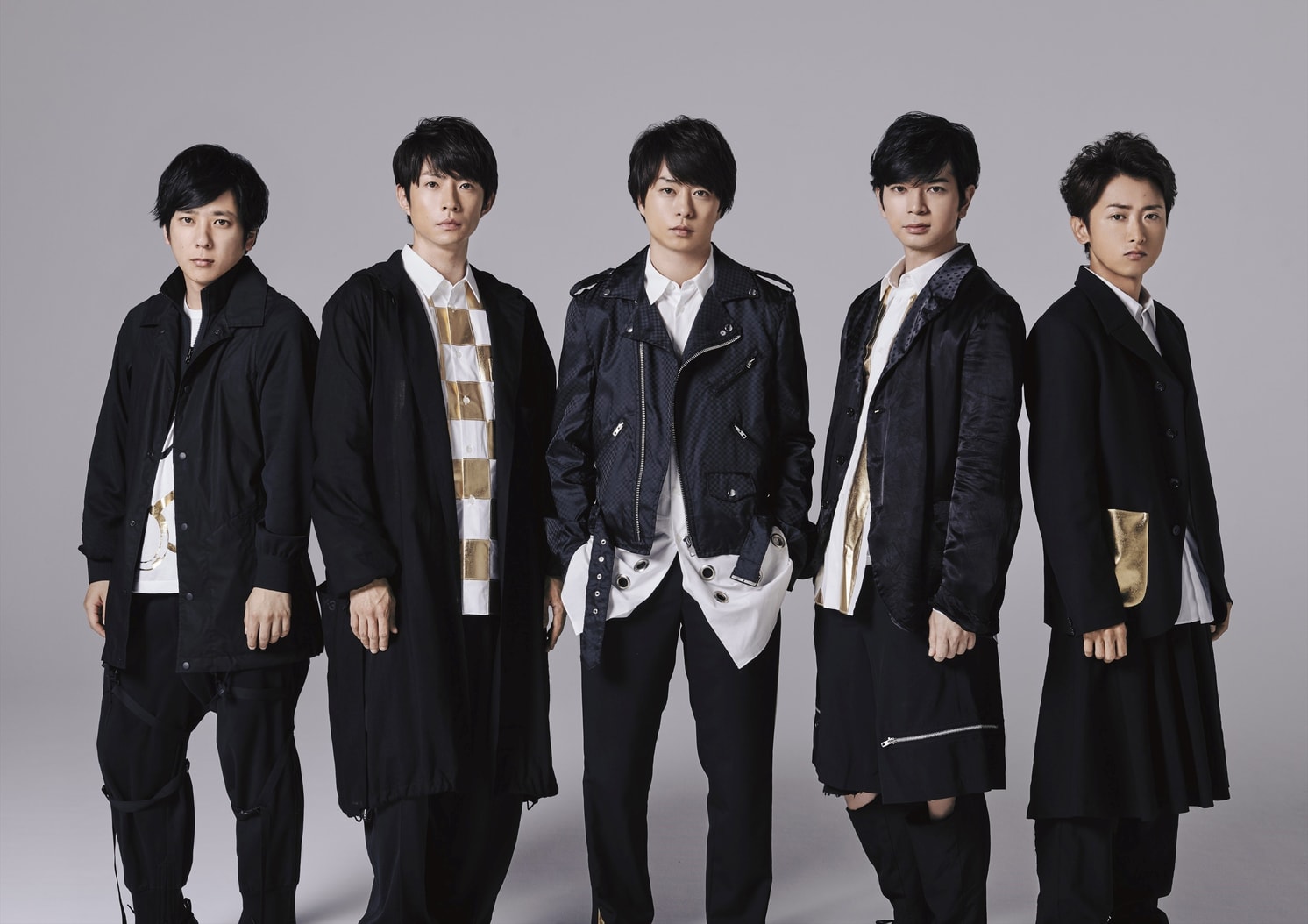
After an illustrious 28-year career, the legendary J-pop group Arashi performed their final concert on Sunday at the Tokyo Dome. The event was a cathartic experience for millions of fans, yet it also highlighted the sometimes-strained relationship between fandom and reality.
The Performance
The three-and-a-half-hour setlist served as a retrospective of the group’s evolution, featuring 33 tracks ranging from their debut single to their final release, "Five." High-energy performances of "Love so Sweet" and "Happiness" were balanced by the global sound of "Whenever You Call," written by Bruno Mars.
The Social Debate
While the concert was a triumph, it sparked a national debate on social media. A husband posted on Threads detailing how his wife chose to attend the concert rather than attend her own father’s wake. The post went viral, garnering over 37 million views on X (formerly Twitter). The discourse centered on a clash of values: the perceived necessity of witnessing a historic cultural moment versus traditional familial duty. It remains a poignant example of how pop culture icons often become deeply embedded in the personal lives and moral frameworks of their devotees.
Sporting Excellence: Murakami’s Rise and National Pride
The sporting world has seen a mix of individual brilliance and team success. Chicago White Sox slugger Munetaka Murakami was named the American League Rookie of the Month for May, a testament to his rapid adaptation to Major League Baseball.
Murakami’s Impact
With eight home runs and 18 RBIs in May alone, Murakami has become a focal point for the White Sox. Despite his current placement on the 10-day injured list due to a hamstring strain, he boasts a season total of 20 home runs, placing him firmly in the league’s top tier.
Broader Sporting Context
The national mood was further buoyed by the Samurai Blue’s 1-0 victory over Iceland in a 2026 World Cup warm-up match. Koki Ogawa’s late goal provided the winning margin before a capacity crowd of 62,212 at the National Stadium.
Meanwhile, in women’s football, Japanese stars are making their mark abroad. Aoba Fujino, Ayaka Yamashita, and Yui Hasegawa were instrumental in Manchester City’s dominant 4-0 FA Cup final victory over Brighton. These achievements underscore the continued influence of Japanese athletes on the global stage, providing a bright spot amidst the heavier news of the week.
Final Thoughts
As Japan moves forward, the contrast between the celebration of cultural icons and the harsh realities of demographic and environmental challenges remains stark. The nation is currently defined by a tension between its storied past—exemplified by the record-breaking Yamazaki whisky—and the uncertainties of its future, as seen in the plummeting birth rates and the unpredictable nature of urban-wildlife encounters. Whether through the lens of a missing student or the final notes of a stadium concert, the headlines of this week reflect a nation at a significant crossroads.


 Neng Nana
 Asro
Asro