Nila Kartika Wati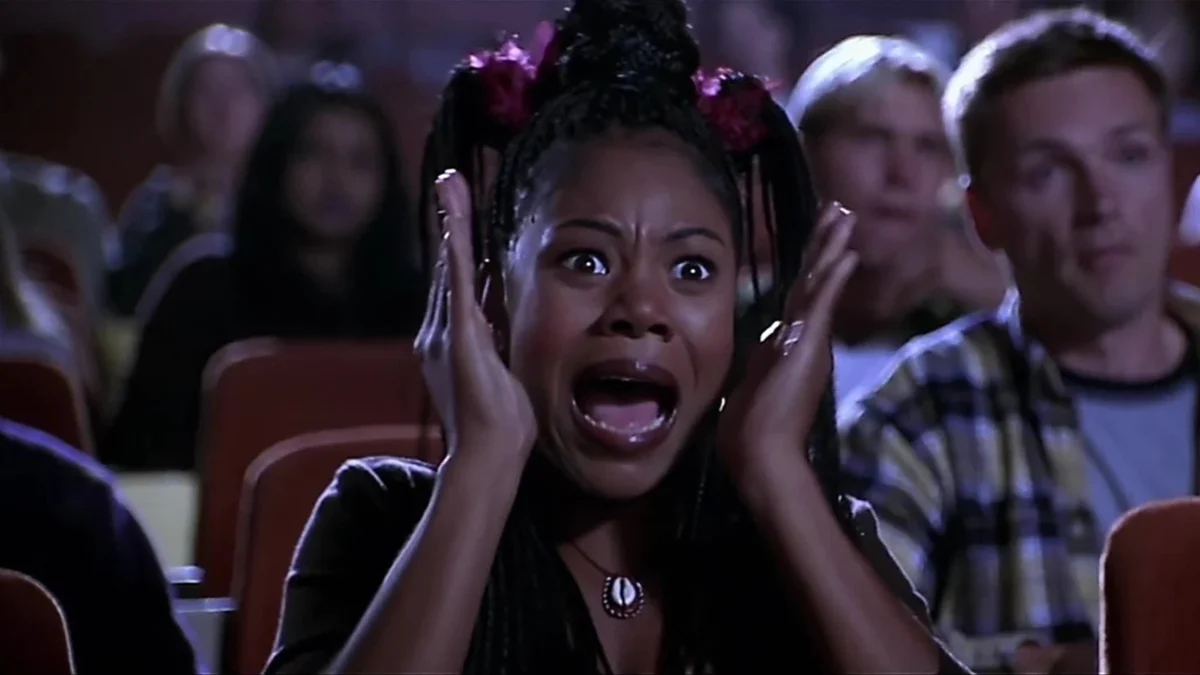
Introduction: The Meta-Horror Paradox
As we stand in 2026, the landscape of horror cinema has shifted dramatically. With the release of the latest installment in the Scary Movie franchise, the time felt right to look back at the 2000 original—a film that, for many, was a definitive cultural touchstone of the turn of the millennium. As a lifelong devotee of Wes Craven’s Scream—a series that successfully deconstructed the slasher genre while simultaneously revitalizing it—approaching the original Scary Movie for the first time in 2026 offers a unique, if jarring, perspective.
The original film, helmed by Keenen Ivory Wayans and written by a collaborative team including Shawn and Marlon Wayans, arrived at a moment when the horror genre was already eating itself. By 2000, the Scream trilogy had pushed meta-commentary to its absolute limit, leaving little room for a parody that didn’t risk feeling redundant. Decades later, the film remains a fascinating, if deeply uneven, relic of its time.
Main Facts: A Product of Its Environment
Released by Dimension Films—the same powerhouse behind the Scream series—Scary Movie was a calculated business move by Bob and Harvey Weinstein. The studio essentially opted to hedge its bets: if the audience wanted to watch the genuine article, they had Scream 3; if they wanted to laugh at the tropes, they had Scary Movie.
At its core, Scary Movie is a hyper-kinetic mashup. It leans heavily on the plot architecture of Kevin Williamson’s Scream, effectively recreating iconic sequences with a comedic, often slapstick, filter. It also incorporates elements from the I Know What You Did Last Summer franchise, The Matrix, The Blair Witch Project, and The Usual Suspects. While it was a massive commercial success, spawning a franchise that would eventually drift toward the influence of David Zucker, the original entry serves as a mirror to the late-90s obsession with "knowing" cinema.
Chronology: The Race to the Screen
The production history of Scary Movie is defined by a sense of extreme urgency. In the late 1990s, the parody genre was shifting away from the sophisticated spoofing of Mel Brooks toward a more chaotic, sketch-based style.
- Late 1999: Production ramps up as the Weinsteins identify a gap in the market for a high-budget slasher parody.
- Summer 2000: The film hits theaters, coinciding with a period where the public was already saturated with horror sequels.
- The "Shriek" Factor: It is worth noting that Scary Movie was not the only film of its kind. The direct-to-video Shriek If You Know What I Did Last Friday the 13th arrived around the same time, highlighting a industry-wide scramble to capitalize on the waning "teen slasher" boom.
- 2001-2006: The franchise moves through various iterations, with the Wayans brothers eventually departing after the second installment, leading to a shift in tone under director David Zucker.
Supporting Data: The Anatomy of a Gag
The quality of Scary Movie is notoriously inconsistent. In modern parlance, the film "throws everything at the wall to see what sticks." This approach results in a viewing experience that oscillates between inspired comedic genius and juvenile, dated humor.
The Hits
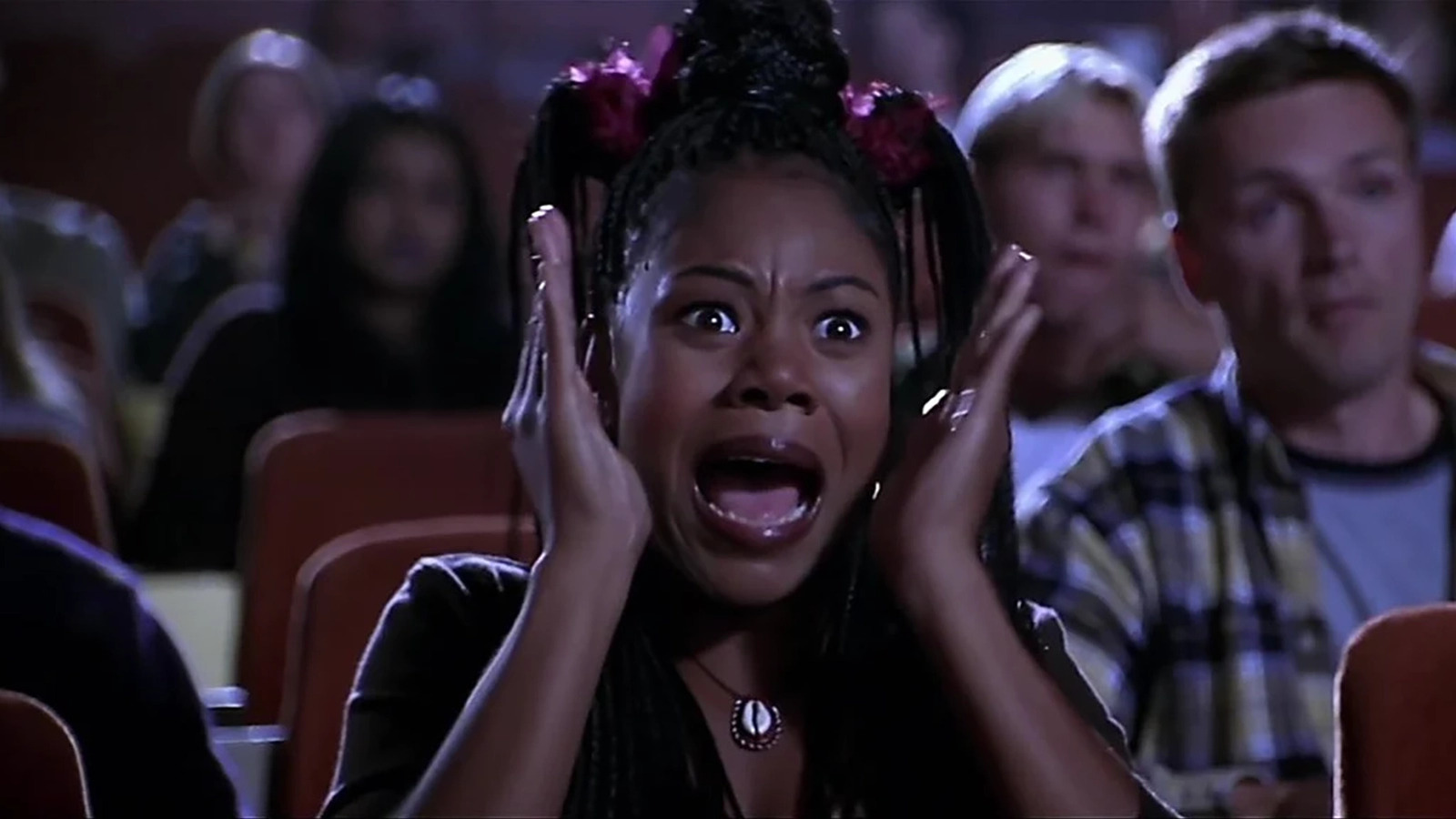
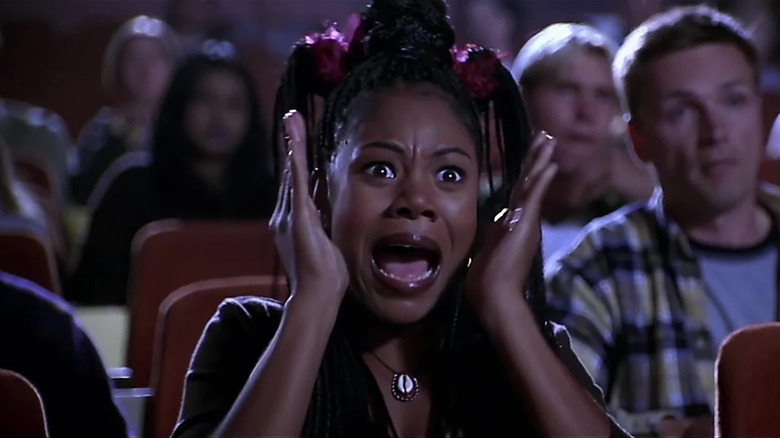
The film’s greatest legacy is arguably the catapulting of Anna Faris and Regina Hall into stardom. Faris, in particular, demonstrates a commitment to the bit that elevates the material far above its script. Scenes such as the "movie theater" sequence, where Brenda (Hall) engages in an increasingly aggressive confrontation with a loud audience, remain iconic. It is a masterclass in physical comedy and timing that still holds up twenty-six years later.
The Misses
Conversely, the film’s reliance on shock humor—much of which is rooted in -phobic tropes—has aged poorly. Beyond the offensiveness, there is a fundamental structural laziness. The script frequently mimics the scenes it parodies so closely that it borders on plagiarism, failing to offer the "insight" that made Scream so revolutionary. When the jokes fail, the film relies on a "louder is better" philosophy that can be exhausting for a contemporary viewer.
Official Responses and Creative Tensions
The behind-the-scenes atmosphere of the original Scary Movie was reportedly fraught with tension. A lingering question that emerges upon re-watch is the nature of the filmmakers’ intent. Was this a loving homage to the horror genre, or was there an underlying vein of bitterness?
The climax of the film, which features the Ghostface-inspired killers revealing their motives, includes a bizarre, pointed reference to the cancellation of the Wayans’ television sitcom, The Wayans Bros. This meta-narrative injection suggests that the filmmakers were using the platform to vent personal frustrations with the Hollywood machine. This creates a strange dissonance; the film wants to be a goofy, lighthearted romp, but it frequently lapses into a cynical, aggressive tone that feels disconnected from the horror movies it is supposedly satirizing.
Implications: The Franchise Legacy
Looking back from 2026, the implications of Scary Movie for the industry are profound. It proved that parody could be a high-grossing venture, provided it was packaged as a "pop-culture event." However, it also set a precedent for a "lazy" style of filmmaking where a collection of references is mistaken for a coherent narrative.
The Evolution of the Series
The franchise’s trajectory is a case study in diminishing returns followed by strange reinventions.
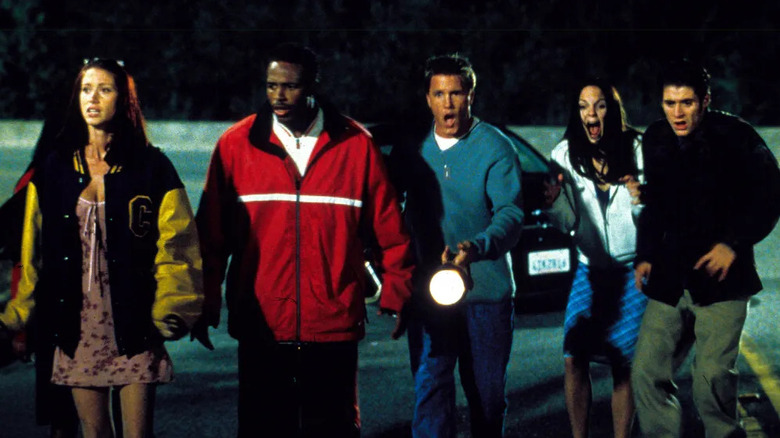
- The Wayans Era: Scary Movie 2 is arguably the peak of the series. By abandoning the strict plot-following of the first film, the writers were able to embrace a more surreal, chaotic style that felt more authentic to the "parody" spirit.
- The Zucker Era: When David Zucker (of The Naked Gun fame) took over, the franchise pivoted toward a more polished, albeit "stiffer," style of comedy. The crassness was dampened, but the creative spark became even more elusive.
- The 2026 Perspective: With the latest installment hitting screens, we see a return to the roots of the series. There is a renewed sense of energy, and perhaps a more mature understanding of the "toxic fandom" themes that have defined horror since the 2022 Scream "requel."
Conclusion: Is the Joke Still Funny?
Watching Scary Movie in 2026 is an exercise in nostalgia and critique. As a product of the year 2000, it captures a specific moment when the line between creator and consumer was starting to blur. The film is undeniably a time capsule—a loud, messy, and occasionally brilliant reflection of a genre that refused to die.
While the original film is far from perfect, its influence is undeniable. It paved the way for a generation of comedies that prioritize speed and recognition over substance. Yet, for all its flaws, there remains a persistent, hopeful question: could a truly great Scary Movie exist? With the franchise currently undergoing a revival, the hope is that the next generation of filmmakers will move beyond the lazy mimicry of the past and finally deliver a satire that is as sharp, smart, and self-aware as the horror films it aims to skewer. Until then, the original remains a "hit-or-miss" curiosity—a film that is perhaps best appreciated as a artifact of the era, rather than a timeless piece of comedy.
In the final analysis, the film’s legacy is defined by its survivors: Faris and Hall. Their performances remain the heartbeat of the project, proving that even in the most cynical, corporate-mandated parody, a little bit of genuine talent can transcend the limitations of a script. Whether you find the film a classic or a disaster, its place in the cinematic record is secure—a testament to the fact that horror, even when it’s being made fun of, never truly stays dead.

 Nana Wu
 Jia Lissa