

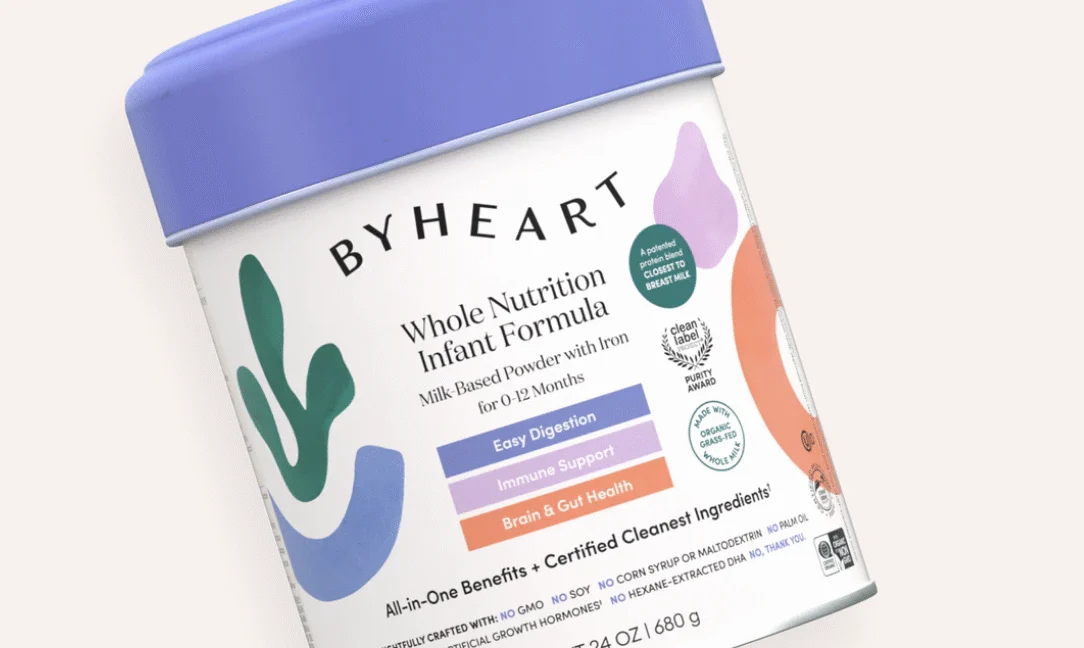
The U.S. Food and Drug Administration (FDA) has officially concluded its investigative efforts into a concerning outbreak of infant botulism linked to powdered infant formula, leaving families and consumer safety advocates with more questions than answers. Despite a rigorous, months-long investigation, federal regulators have failed to pinpoint the exact origin or mechanism of contamination, effectively closing the case on what has become a cautionary tale regarding supply chain transparency and corporate accountability.
The agency’s concluding report, titled “Post-Outbreak Response Activities,” states plainly that while investigators explored several hypotheses, they could not definitively identify the root cause of the Clostridium botulinum contamination. For the parents of the affected infants, and the legal teams representing them, this lack of resolution is not merely a bureaucratic disappointment—it is an alarming indicator of systemic vulnerabilities in the nation’s infant nutrition infrastructure.
A Chronology of the Crisis
The outbreak, which gripped the attention of the public health community, began when reports of infants falling ill with botulism—a rare but potentially fatal neuroparalytic illness—were linked to the consumption of powdered formula. As the FDA and Centers for Disease Control and Prevention (CDC) mobilized, the investigation traced the path of the product through complex distribution and supply chains.
The investigation eventually zeroed in on ByHeart, a prominent formula manufacturer, and the dried milk ingredients provided by their suppliers, Organic West Milk and the Dairy Farmers of America.
For weeks, the FDA conducted inspections of manufacturing facilities, reviewed production logs, and scrutinized the sourcing of raw ingredients. The goal was to establish a clear line of contamination: did the pathogen enter the product at the farm level, during the drying process, or within the final manufacturing facility? By the time the FDA issued its final summary this week, the trail had effectively gone cold. The agency confirmed that while they examined every link in the chain, the "source or root cause" remains an enigma.
Finger-Pointing: The Industry’s Defense
In the absence of a definitive FDA conclusion, the corporate entities involved have engaged in a defensive cycle of finger-pointing, each distancing themselves from the contamination event.
ByHeart, the company whose brand name appeared on the affected cans, has leaned heavily on the FDA’s inconclusive report to shield itself from liability. In a statement released this week, the company noted that the "FDA has shared that it did not identify any deficiencies in ByHeart’s facilities that could explain the root cause of this outbreak." ByHeart’s strategy appears to be one of positioning itself as a victim of its own supply chain rather than the perpetrator of a safety failure.
Simultaneously, the suppliers are pushing back. Bill Van Ryn, an owner of Organic West Milk, has consistently maintained that "nothing has been proven about our milk yet," suggesting that the contamination could have occurred anywhere downstream from their facility.
The Dairy Farmers of America (DFA) have been equally adamant, insisting that their processing met all federal and industry-standard safety benchmarks. In a pointed statement, the DFA shifted the focus toward the final manufacturer, noting that "manufacturers of end-use consumer products have a responsibility to properly process ingredients to ensure product safety." This "not-in-my-backyard" approach to food safety has left the public with a fractured view of who is truly responsible for ensuring the integrity of the most sensitive food product on the market: infant formula.
The Legal and Ethical Implications
Bill Marler, a prominent food safety attorney currently representing 25 of the families whose children were sickened in the outbreak, has been a vocal critic of the FDA’s handling of the situation. He describes the agency’s final report as “a little underwhelming, to put it mildly.”
Marler argues that the FDA’s “Post-Outbreak Response Activities” summary offers no actionable guidance for parents, nor does it provide a roadmap for manufacturers to prevent a recurrence. To Marler, the legal and moral responsibility remains squarely with ByHeart, regardless of where the bacteria originated.
"It is not only an ingredient problem that happened to pass through ByHeart," Marler wrote in a recent blog post. "That is ByHeart’s product, in ByHeart’s can, with ByHeart’s name on it, fed to a baby. Sourcing, verifying, and testing what goes into infant formula is the job."
Marler’s perspective highlights the "contract manufacturing" model that has become increasingly common in the food industry. When companies outsource the production of raw materials to third-party suppliers, the lines of accountability blur. Marler contends that when a company puts its name on a product, it assumes the duty of absolute due diligence—a standard he believes was not met in this instance.
Furthermore, Marler points out that this is not a historical anomaly. Infant botulism has been linked to infant formula in the past, a fact that makes the current lack of transparency and systemic failure even more frustrating for families who trusted these companies to protect their most vulnerable consumers.
The Future of Infant Formula Safety
While the investigation has concluded without a definitive culprit, the fallout is prompting changes—or at least promises of changes—within the industry. ByHeart has signaled its intent to resume production, asserting that it is now partnering with specialized laboratories to develop more sensitive testing protocols for C. botulinum.
However, critics remain skeptical. If a company can be linked to a major health crisis and then simply return to business as usual without a clear explanation of how the safety breach occurred, does the incentive structure for food safety actually exist?
The broader implications of this case extend beyond a single brand. It touches upon the regulatory authority of the FDA to hold complex, multi-tiered supply chains accountable. When the FDA cannot determine the root cause, it sends a signal that the modern food supply chain may be too opaque for traditional investigative methods to penetrate.
Consumer Guidance in an Uncertain Landscape
For parents, the takeaway from this saga is sobering. In an industry where "deficiency-free" facilities can still produce contaminated food, the burden of safety often falls on the consumer’s trust in the brand. The FDA’s silence on the root cause leaves parents with a persistent anxiety: if we do not know how the bacteria got into the formula, how can we be sure it won’t happen again?
Public health experts suggest that until there is more rigorous federal oversight—including mandatory, heightened testing for all raw ingredients and stricter liability laws for manufacturers—the risk remains.
Conclusion: A Call for Transparency
The FDA’s decision to close the investigation is a formal act, but it is not a solution. The unresolved nature of the C. botulinum outbreak serves as a stark reminder that the safety of the food supply is only as strong as its weakest link. As ByHeart prepares to resume operations and the legal battles continue, the central question remains: who is ultimately responsible for the health of a nation’s infants?
The industry’s current trend of deflection and the government’s inability to identify a root cause suggest that, for now, the answer is frustratingly unclear. As Marler and other advocates continue to push for greater accountability, the hope remains that this crisis will eventually serve as a catalyst for reform, ensuring that the next time a child is fed from a can of formula, the promise of safety is backed by more than just corporate public relations.
Until such systemic changes occur, the legacy of this outbreak will remain a haunting reminder of the fragility of the supply chain and the profound necessity for transparency in the food we feed our children.











