Suro Senen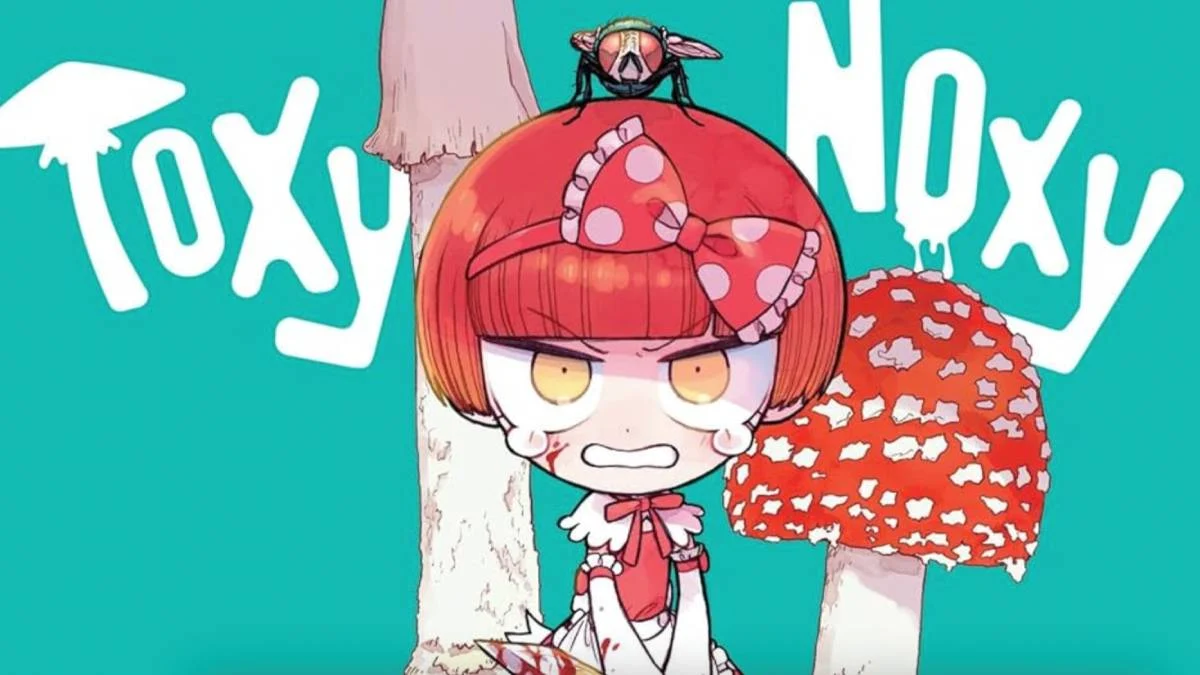
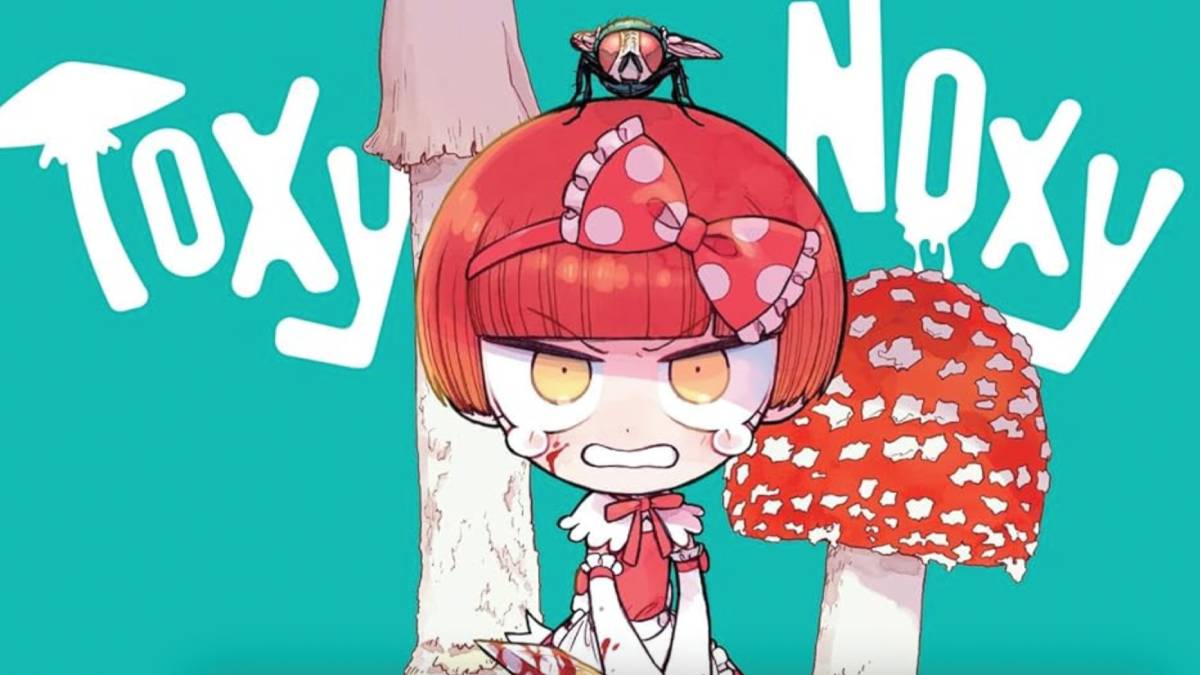
In the landscape of modern manga, few titles manage to subvert reader expectations as effectively—and as jarringly—as Yen Press’s latest acquisition, Toxy Noxy Foresty Forest (originally titled Doku Doku Mori Mori). At a cursory glance, the series presents itself as a whimsical, character-driven fantasy featuring adorable, anthropomorphic mushroom fairies. However, beneath the pastel-hued aesthetic and character designs that lean into the "gothic lolita" aesthetic, lies a visceral, haunting meditation on prejudice, the nature of morality, and the violent reality of survival.
As the series gains traction in North American and European markets, it has sparked significant conversation regarding its thematic depth. By contrasting the inherent "cuteness" of its protagonists against a backdrop of systemic violence and existential dread, the manga forces readers to confront a fundamental question: Can we truly judge a book—or a creature—by its cover?
The Core Premise: A Fable of Fungal Conflict
Toxy Noxy Foresty Forest centers on the life of Tamago, a mushroom fairy belonging to a peaceful, edible species. Living within a vibrant, lush forest, Tamago’s community exists in a state of precarious harmony. This normalcy is shattered when a group of ruthless mushroom hunters captures a rare, glowing Tsukiyotake—a poisonous variety of mushroom.
The inciting incident of the series is as brutal as it is transformative: shortly after the capture of this rare specimen, Tamago awakens to find her village decimated, with her parents among the casualties. The culprit appears to be the Tsukiyotake himself. Fuelled by a singular, burning desire for vengeance, Tamago—who eventually adopts the moniker "Aggy"—vows to hunt down her family’s killer.
However, as the narrative progresses, it becomes clear that the incident was far more complex than a simple act of villainy. The series effectively uses this "whodunnit" mystery to deconstruct the biases that the characters (and by extension, the readers) hold regarding "good" and "evil" based on biological classification.
A Chronology of Deception: Unpacking the Narrative Arc
To understand the weight of the story, one must look at the progression of the first volume, which serves as a masterclass in narrative subversion.
Phase 1: The Illusion of Order
The initial chapters introduce the reader to the idyllic, if slightly melancholic, life of the mushroom folk. The art style, characterized by soft lines and delicate features, lulls the audience into a false sense of security. Tamago, with her big, expressive eyes and ornate, frilled attire, seems plucked from a standard "cozy" fantasy.
Phase 2: The Rupture
The transition from cozy to chaotic is abrupt. The slaughter of the village serves as the primary catalyst for the genre shift. By introducing the Tsukiyotake not merely as a monster, but as a traumatized, suicidal survivor forced into a warrior’s existence, the author shifts the reader’s empathy. We learn that the Tsukiyotake is not a mindless beast, but a depressed individual struggling against the stigma of his own toxic nature.
Phase 3: The Gray Morality
As the plot unfolds, we are introduced to other characters, such as the Toxic Sasako, whose sole ambition is to find a sanctuary where she can perform her music without endangering those around her. Conversely, we witness the "edible" mushroom folk engaging in acts of calculated violence, proving that safety and morality are not synonymous with "edibility" or "harmlessness."
Supporting Data: The Sociology of the Mushroom Forest
While Toxy Noxy Foresty Forest is a work of fiction, it serves as a robust allegory for social structures and the "othering" of marginalized groups.
The Stigma of Toxicity
In the world of the forest, being a "poisonous" mushroom is a death sentence, or at the very least, a life of social exile. These characters are persecuted not for their actions, but for their inherent physical properties. The narrative highlights the "toxic mushroom hunters" as the true antagonists—entities who commodify life based on utility and physical traits.
Violence as a Necessity
The manga does not shy away from the reality of its world. The presence of corpses in the forest, the use of man-made glass shards as makeshift daggers, and the constant threat of death create an atmosphere of constant tension. This juxtaposition—cute characters performing acts of extreme violence—functions as a cognitive dissonance that keeps the reader perpetually off-balance.
Official Industry Perspective: The Yen Press Acquisition
Yen Press’s decision to localize Doku Doku Mori Mori under the title Toxy Noxy Foresty Forest indicates a growing market appetite for "dark cute" (kowai-kawaii) media. Editors at the publishing house have noted that the series stands out in their catalog specifically because of its ability to bridge the gap between aesthetic appeal and thematic darkness.
While there have been no official "responses" to the controversy of the content—as the material is intended for a mature audience that appreciates such subversion—the critical reception has been overwhelmingly positive. Critics have praised the series for its refusal to provide easy answers. The manga demands that the reader constantly re-evaluate their alliances. When a "hero" acts with cruelty and a "monster" acts with compassion, the reader is forced to discard their previous assumptions, making the act of reading an active, rather than passive, experience.
Implications: The Future of "Dark Cute" Manga
The implications of Toxy Noxy Foresty Forest are far-reaching for the manga industry. It demonstrates that the "cute" aesthetic is not a limitation but a tool—a Trojan horse that allows creators to sneak complex, heavy themes into the hands of readers who might otherwise gravitate toward more traditional, lighthearted fantasy.
Changing Perceptions
By utilizing characters that appear innocent, the author creates a sense of betrayal in the reader when they witness horrific events. This emotional manipulation is a calculated choice. It effectively mimics the feeling of being lied to by appearances—a key theme of the book. As readers move into the second volume (which is currently highly anticipated), the central question remains: Will Aggy be able to overcome her prejudice, or will she become the very monster she seeks to destroy?
The Legacy of the Series
If the success of the first volume is any indication, we are likely to see a shift in how "cute" manga is marketed and consumed. The series joins the ranks of works like Made in Abyss or Puella Magi Madoka Magica, which utilize the dissonance between art and story to leave a lasting impact on the audience. It serves as a reminder that the most dangerous things in nature—and in society—are often those that hide behind the most harmless-looking exteriors.
Conclusion: A Must-Read for the Discerning Reader
Toxy Noxy Foresty Forest is not a book for those seeking a simple, uplifting fairy tale. It is a challenging, sometimes disturbing, but ultimately brilliant piece of storytelling that rewards the reader for paying attention to the details. The contrast between the aesthetic and the thematic is not merely a stylistic choice; it is the soul of the story.
As we await further news on the release of Volume 2, fans are encouraged to revisit the first volume with a critical eye. When you look past the ribbons, the glowing caps, and the wide-eyed expressions, you see a world that reflects our own: one where prejudice is a weapon, where the lines between hero and villain are blurred, and where the most dangerous poison is often the assumption that we already know the truth.
For those who enjoy stories that refuse to coddle the reader, Toxy Noxy Foresty Forest is an essential addition to any collection. Just be prepared: once you enter this forest, your perception of "innocence" will never be the same again.


 Asro
Asro
 Muslim