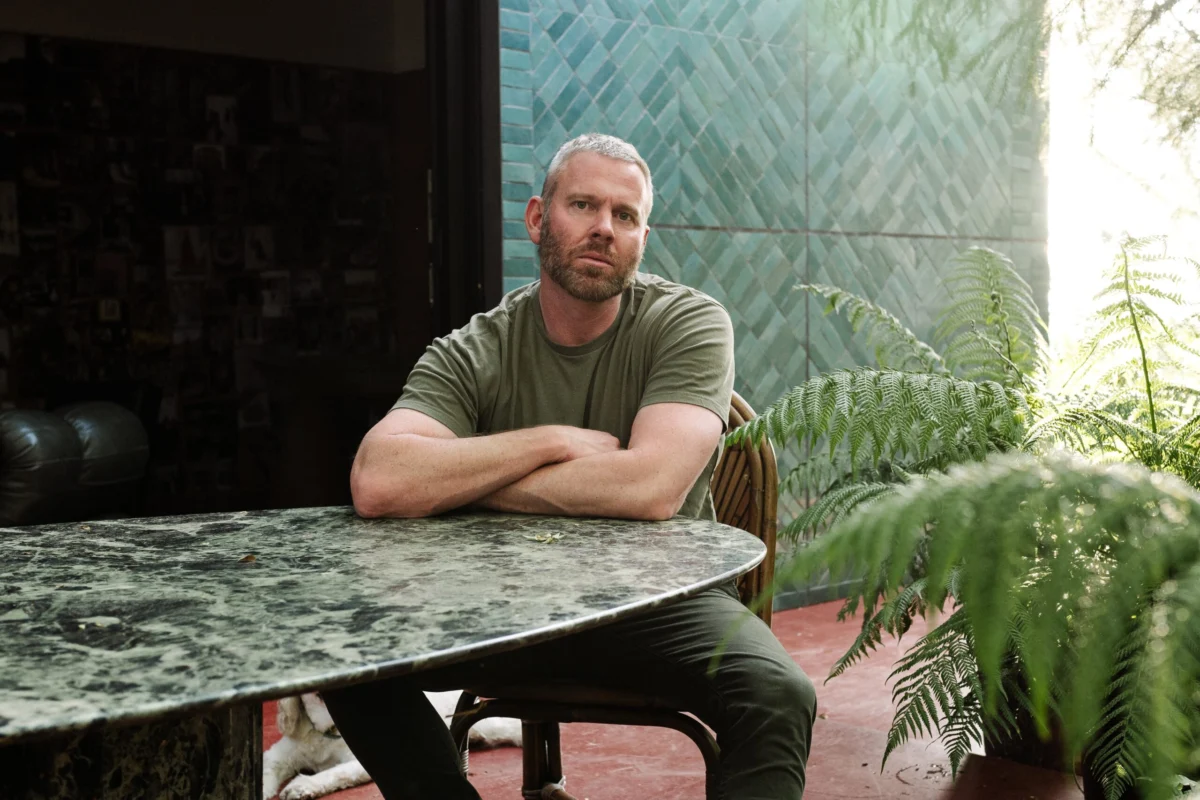
Raul Delapena Setiawan
The executive suite is undergoing a period of profound transformation. As brands navigate an increasingly fragmented media environment, shifting consumer behaviors, and the rapid integration of artificial intelligence, the role of the Chief Marketing Officer (CMO) has become more volatile than ever. For the week ending June 12, the marketing industry witnessed a series of strategic appointments that underscore a broader trend: companies are prioritizing seasoned expertise in digital transformation, e-commerce expansion, and brand storytelling to secure their competitive edge.
From the bold, body-positive mission of Canadian apparel brand Knix to the expansive, science-driven portfolio of Bayer’s consumer health division, the latest leadership moves reflect the diverse challenges facing modern marketers. This report details the key shifts, the strategic logic behind these appointments, and the implications for the future of brand stewardship.
Main Facts: High-Stakes Leadership Changes
The current landscape of marketing leadership is defined by a "talent grab" for executives who can bridge the gap between traditional brand building and high-performance digital commerce. Two major moves emerged as the focal points of the week:
1. Cyntia Leo Joins Knix as CMO
Knix, a trailblazing Canadian brand in the intimates and apparel sector, has officially appointed Cyntia Leo as its new Chief Marketing Officer. Leo joins the organization at a pivotal time, as the company aggressively pursues further expansion into the United States market. Known for her extensive background in scaling retail brands, Leo brings over a decade of high-level experience, most notably from her tenures at global powerhouses Urban Outfitters and Nike. Her mandate is clear: to maintain the brand’s authentic, taboo-breaking voice while scaling its digital-first strategy to a broader, more diverse consumer base.
2. Samantha Avivi’s Elevation at Bayer
In a move signaling internal stability and strategic continuity, Bayer has promoted Samantha Avivi to the role of global CMO for its consumer health division. Having joined the company in April 2024—formerly serving as CMO at Advance Auto Parts—Avivi’s rapid ascent to a global role underscores the company’s confidence in her ability to integrate complex health-tech narratives with consumer-facing retail strategies. Her promotion highlights the importance of institutional knowledge, even within organizations that are actively seeking external talent to spark innovation.
Chronology: The Week of June 12 in Context
The movement of executive talent rarely occurs in isolation. It is part of a larger, ongoing cycle of "The Great CMO Shuffle."
- Early June 2024: Industry analysts observed a cooling in the sheer volume of CMO departures compared to the record-breaking churn of 2023, but an uptick in the seniority of those moving into specialized roles.
- June 10, 2024: Rumors of internal restructuring at major consumer health conglomerates reached a fever pitch, setting the stage for the announcement of Avivi’s expanded global remit.
- June 11, 2024: Knix confirmed the appointment of Cyntia Leo, signaling a strategic pivot toward US-based growth and a tightening of its digital marketing funnel.
- June 12, 2024: Official confirmation of these moves solidified a week marked by a preference for candidates with cross-category experience—specifically those who understand the intersection of retail apparel and health-wellness.
Supporting Data: Why CMOs Are Moving
The instability in the CMO role is supported by a confluence of data points from the past 18 months. According to recent industry benchmarks, the average tenure of a CMO has hovered around 3.5 to 4 years, a figure that has been steadily declining.
The "Experience Gap"
Data indicates that companies are no longer looking for "generalist" marketers. The demand for leaders with specific experience in data analytics and customer lifecycle management (CLM) has risen by 22% year-over-year. Cyntia Leo’s background at Nike—a company synonymous with cutting-edge digital-to-physical retail experiences—perfectly mirrors this requirement.
Global vs. Regional Focus
Bayer’s elevation of Samantha Avivi reflects a move toward "globalized marketing hubs." As consumer health brands face increasingly localized regulatory hurdles, the ability to centralize marketing strategy while allowing for regional execution is a skill set that has seen a 15% increase in valuation in executive search criteria.
Official Responses and Strategic Rationale
While specific press releases were brief, the strategic logic behind these moves is evident through the statements provided by industry observers and corporate spokespeople.
On the Knix Appointment
Industry analysts have lauded the hiring of Cyntia Leo as a "strategic masterstroke." By bringing in a veteran of Nike and Urban Outfitters, Knix is signaling that it is no longer just a "disruptor" brand; it is aiming to become a household name in the intimates space. A spokesperson for the brand noted that Leo’s expertise in "omnichannel storytelling" was the deciding factor in her recruitment, as the brand looks to replicate its Canadian success in the highly competitive American retail environment.
On the Bayer Promotion
Bayer’s decision to elevate Samantha Avivi suggests that the company is satisfied with the cultural and strategic integration she achieved in just two months. A company representative stated that "Avivi’s ability to bridge the gap between complex science and consumer health accessibility has been instrumental in our recent quarterly growth." This promotion is a rare example of a "fast-track" internal move, which serves as a morale booster for the existing marketing team.
Implications: The Future of Brand Stewardship
These appointments are not merely administrative updates; they carry significant weight for the direction of the industry at large.
1. The Rise of the "Performance-Brand" Hybrid
The appointments of Leo and Avivi point to the death of the binary between "brand marketing" and "performance marketing." In the modern era, a CMO must be able to manage the top-of-funnel brand equity while simultaneously pulling the levers of lower-funnel conversion. Knix’s shift toward Leo suggests they are prioritizing the integration of high-concept advertising with direct-to-consumer (DTC) performance metrics.
2. Industry Consolidation and Talent Scarcity
As the marketing landscape becomes more saturated, top-tier talent is becoming increasingly expensive and harder to find. This has led to a "musical chairs" dynamic where brands are pulling talent from non-competing sectors to bring fresh perspectives. Hiring from Nike into the intimates sector, or from automotive retail into consumer health, is becoming the standard playbook for brands looking to disrupt their own categories.
3. The CMO as a Business Driver, Not Just a Communicator
Perhaps the most significant implication is the shifting definition of the CMO’s core responsibility. The "Chief Marketing Officer" is increasingly becoming the "Chief Growth Officer." Their success is no longer measured by impressions or brand sentiment alone, but by direct contributions to the bottom line, revenue growth, and customer acquisition costs (CAC).
4. Navigating the AI and Privacy Era
As these new leaders settle into their roles, they will face immediate pressure to address the "AI dilemma." CMOs are now expected to deploy generative AI to drive efficiency without sacrificing the brand’s human-centric appeal. Furthermore, with the impending phase-out of third-party cookies, the leaders appointed this week will be tasked with building first-party data ecosystems that prioritize privacy and transparency—a challenge that requires deep technical literacy alongside creative vision.
Conclusion: Preparing for the Next Chapter
The executive moves of the week ending June 12 provide a snapshot of an industry in transition. Cyntia Leo’s transition to Knix and Samantha Avivi’s global promotion at Bayer represent two sides of the same coin: the necessity of high-level expertise in a complex, digital-first, global economy.
For brands, the lesson is clear: if you are not actively cultivating, recruiting, and retaining leadership that can synthesize data, brand story, and revenue growth, you risk falling behind. As we look toward the remainder of 2024, it is highly probable that we will see more shifts of this caliber. The revolving door of the C-suite is turning, and the brands that thrive will be those that have secured the leaders capable of navigating the chaos.
Whether it is the intimate, disruptive marketing of a brand like Knix or the broad, scientific reach of a giant like Bayer, the CMO of tomorrow must be part creative director, part data scientist, and part growth hacker. The industry is watching, and the next few months will be a critical test for these new leaders as they look to turn their strategic visions into market-defining results.
The future of brands is being written in real-time. For more insights on the shifting marketing landscape and to connect with the leaders shaping the industry, join us at Brandweek. Secure your seat at the table where the next generation of brand strategy is defined.


 Laily UPN
 Ammar Sabilarrohman