


In an era where the consumer electronics market is flooded with minimalist, plastic-heavy audio hardware, Marshall is making a bold statement. With the launch of the new Milton ANC headphones, the company is successfully marrying its storied rock-and-roll heritage with the most advanced acoustic technologies available today. By prioritizing both iconic aesthetics and internal longevity, Marshall is not just releasing a pair of headphones; they are challenging the industry’s trend toward "disposable" tech.
Main Facts: Aesthetic Meets Advanced Engineering
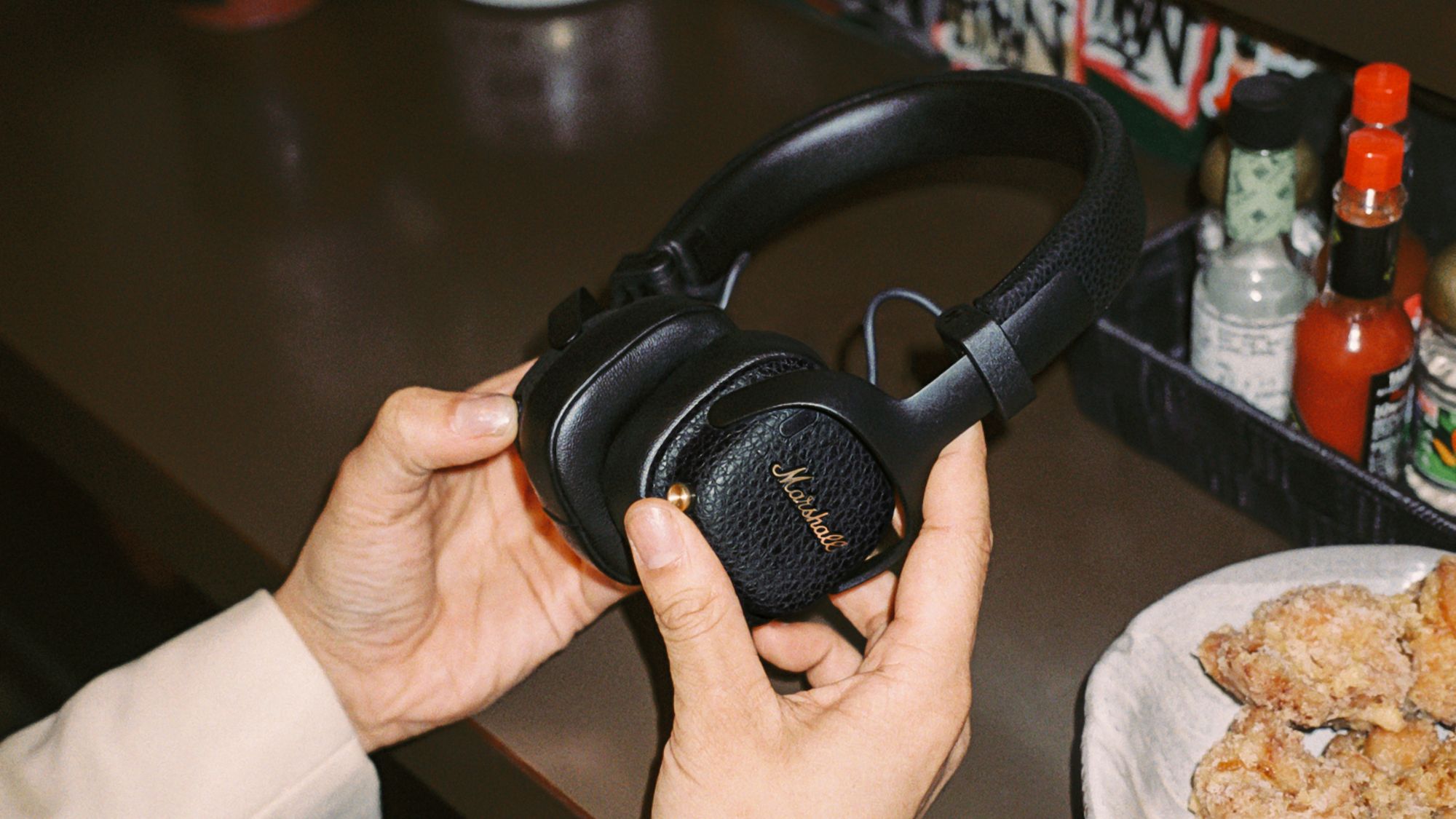
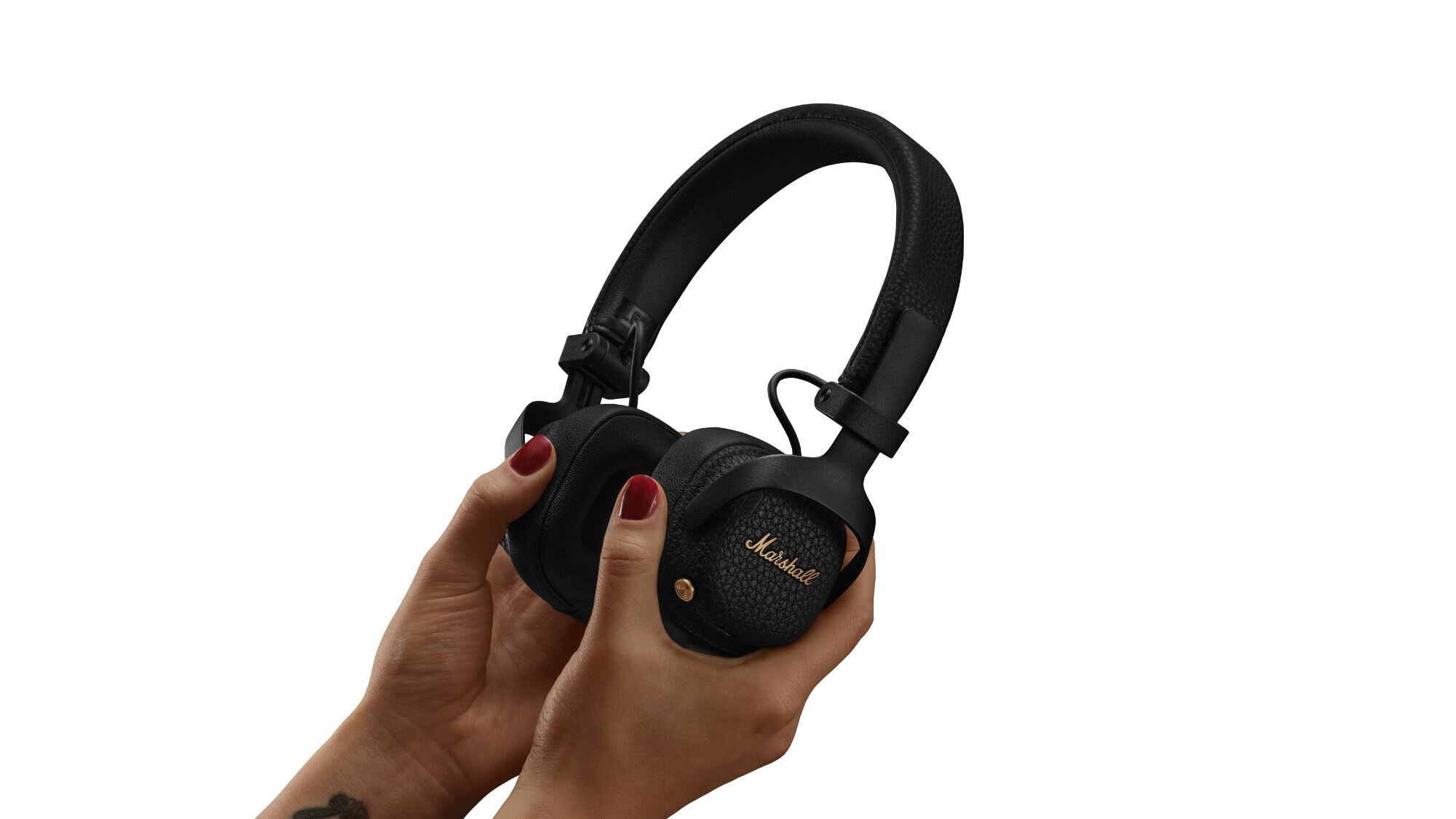
The Marshall Milton ANC is designed for the listener who refuses to choose between style and substance. At the core of the device is a refined, on-ear design that pays homage to Marshall’s legendary guitar amplifiers. The unit features a distinct, leather-like finish complemented by textured ear cups and a rugged, foldable hinge system.
Beyond the visual allure, the technical specifications are equally robust. The Milton ANC utilizes 32mm custom-tuned drivers that offer an impressive frequency response range of 20Hz to 40kHz, ensuring that high-frequency clarity and deep bass registers are both faithfully reproduced. Furthermore, the inclusion of Bluetooth 6.0 and LE Audio support ensures that the headphones are not only current but also future-proofed for the next generation of wireless connectivity.
The Power of Adaptive Intelligence
The "ANC" in the product name refers to the company’s new Adaptive Noise Cancelation technology. Unlike static noise-canceling solutions, the Milton ANC continuously samples ambient noise in the user’s environment. Whether you are navigating the chaotic din of a city subway, working in a bustling office, or sitting in a quiet café, the processors adjust the intensity of the noise-canceling signal in real-time. This is paired with a highly effective Transparency mode, allowing users to toggle back to their surroundings instantly without needing to remove the headset—a crucial feature for commuters and travelers.
Chronology: The Evolution of the Marshall Sound
Marshall’s journey from stage-side amplifiers to consumer headphones has been a deliberate, multi-year evolution.
- The Early Years (2010–2015): Marshall began its foray into the consumer market with entry-level on-ear models that prioritized "The Marshall Look." During this period, the brand established its design language: black vinyl, gold accents, and white script lettering.
- The Tech Shift (2016–2020): As Bluetooth technology matured, the company shifted focus toward wireless stability and battery life. Models like the Major and Monitor series gained a cult following for their portability and long-lasting performance.
- The Current Milestone (2026): The launch of the Milton ANC represents a culmination of these efforts. It is the first major launch to integrate Bluetooth 6.0 and a concerted effort toward user-replaceable parts, signaling a shift in the company’s philosophy toward long-term sustainability.
Supporting Data: Why the Milton ANC Stands Out
When evaluating the Milton ANC, the statistics speak to a high-performance device built for reliability.
Battery Life and Charging Efficiency
The most striking figure provided by Marshall is the battery longevity. With ANC engaged, the headphones boast 50 hours of continuous playback. When ANC is deactivated, that capacity climbs to 80 hours. For the average user—who may listen for 3 to 4 hours a day—this translates to nearly three weeks of use on a single charge. When the battery eventually hits zero, the device supports a full recharge in approximately two hours.
Codec Compatibility
To ensure high-fidelity audio, the Milton ANC supports a wide array of codecs, including:
- SBC & AAC: Standard support for universal compatibility with iOS and Android.
- LC3: Essential for the low-latency and high-efficiency benefits of the new Bluetooth LE Audio standard.
- LDAC: Providing high-resolution audio streaming for audiophiles using compatible Android devices.
Spatial Audio and Adaptive Loudness
Marshall has introduced "Soundstage," a proprietary spatial audio algorithm. This system creates a wider, more three-dimensional audio image, making stereo tracks feel like a live performance. Coupled with "Adaptive Loudness," the headphones intelligently adjust the frequency curve based on the volume level. This prevents the "thin" sound that often occurs when listening at lower volumes, ensuring that the bass remains punchy and the treble crisp regardless of the listener’s chosen output.
Official Responses and Strategic Vision
In recent communications, Marshall’s product engineering team emphasized that the Milton ANC was designed as a direct response to consumer frustration regarding the short lifespan of modern headphones.
"We believe that high-quality audio equipment should be an investment, not a recurring expense," a representative stated during the product announcement. "The most sustainable product is the one you don’t have to throw away. By integrating a user-replaceable battery, we are acknowledging that our customers want these headphones to be a companion for years, not months."
This commitment to repairability is a major differentiator. In a market where most competitors glue their batteries into the chassis, making them impossible to replace without professional tools or destroying the device, Marshall’s approach is a radical act of consumer advocacy.
Implications: The Future of the Audio Market
The release of the Marshall Milton ANC has significant implications for the wider audio industry.
1. The Death of Disposable Tech
Marshall’s move toward repairability puts pressure on other manufacturers. If a premium brand can offer high-end ANC features while maintaining a modular, repairable design, it becomes increasingly difficult for other companies to justify the use of permanent, non-replaceable batteries. Consumers are becoming more environmentally conscious, and the Milton ANC is perfectly positioned to capitalize on this shift.
2. The Bluetooth 6.0 Transition
By adopting Bluetooth 6.0, Marshall is staying ahead of the curve. This standard offers improved power efficiency and better data throughput, which is essential for the next wave of high-fidelity wireless audio. The integration of LE Audio is not just a marketing bullet point; it is a fundamental upgrade that will improve connection reliability in crowded wireless environments.
3. Design as a Brand Moat
In a world of "me-too" products, design is becoming the only way to stand out. While competitors chase the look of Apple’s AirPods Max or Sony’s WH-1000XM series, Marshall has stuck to its guns. The Milton ANC is unmistakably a Marshall product. This brand identity creates a "moat" around their customers—those who love the retro, rock-and-roll aesthetic are unlikely to be swayed by a generic-looking competitor, regardless of the specs.
Final Verdict
The Marshall Milton ANC is a compelling entry into the $200–$250 price bracket. At $229, it offers a sophisticated balance of style, extreme battery life, and modern connectivity. While it faces stiff competition, its unique selling proposition—the combination of retro design and a repairable, long-life battery—makes it a standout choice for the discerning listener.
Whether you are a long-time fan of the Marshall brand or simply in the market for a reliable, high-performance pair of headphones that won’t become electronic waste in two years, the Milton ANC is a product that commands attention. It represents a mature, forward-thinking approach to audio, proving that you can indeed respect the past while building for the future.









No comments yet. Be the first to join the conversation!