Raul Delapena Setiawan
The Star Wars franchise currently finds itself at a precarious crossroads. Decades after the conclusion of the original trilogy, and years removed from the polarized reception of the sequel trilogy, Lucasfilm is struggling to define its cinematic identity for a new generation. While the studio has announced a flurry of projects—many of which have languished in development hell or suffered quiet cancellations—the fandom remains fractured, divided by nostalgia for the past and a desire for something genuinely fresh.
Amidst this uncertainty, there is a clear, untapped solution resting within the library of the franchise’s own Expanded Universe. Claudia Gray’s 2015 novel, Star Wars: Lost Stars, is widely considered one of the greatest pieces of literature produced under the Disney-era Star Wars banner. It is a masterclass in character-driven storytelling, and it provides the perfect blueprint for a feature film that could bridge the gap between long-time enthusiasts and a younger demographic.
The Core Narrative: A Romeo and Juliet Story in a Galaxy Far, Far Away
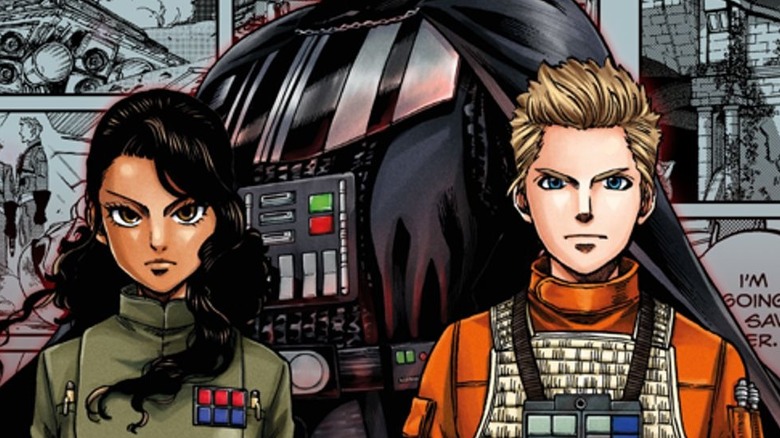
At its heart, Lost Stars is a grounded, intimate tragedy that manages to feel epic in scope. The story centers on two young protagonists from the Outer Rim planet of Jelucan: Thane Kyrell, an aristocratic boy with a rebellious streak, and Ciena Ree, a girl from a rural village. Their paths cross in a shared obsession with flight, eventually leading them both to the prestigious Imperial Academy.
Their bond is immediate and profound, yet the narrative hinges on a fundamental conflict of morality and ideology. As they progress through the ranks of the Imperial Navy, the true, authoritarian nature of the Empire begins to reveal itself to Thane. His disillusionment leads him to defect to the Rebellion, leaving Ciena behind to grapple with a lifetime of instilled loyalty to the Empire.
The brilliance of the narrative lies in how it anchors the macro-events of the original Star Wars trilogy—the destruction of the Death Star, the battle at Hoth, the fall of the Emperor—to the micro-drama of these two lovers on opposite sides of the conflict. It transforms the historical events fans know by heart into a deeply personal struggle, making the stakes feel more human than ever before.
A Chronological Perspective: Revisiting the Original Trilogy Through New Eyes
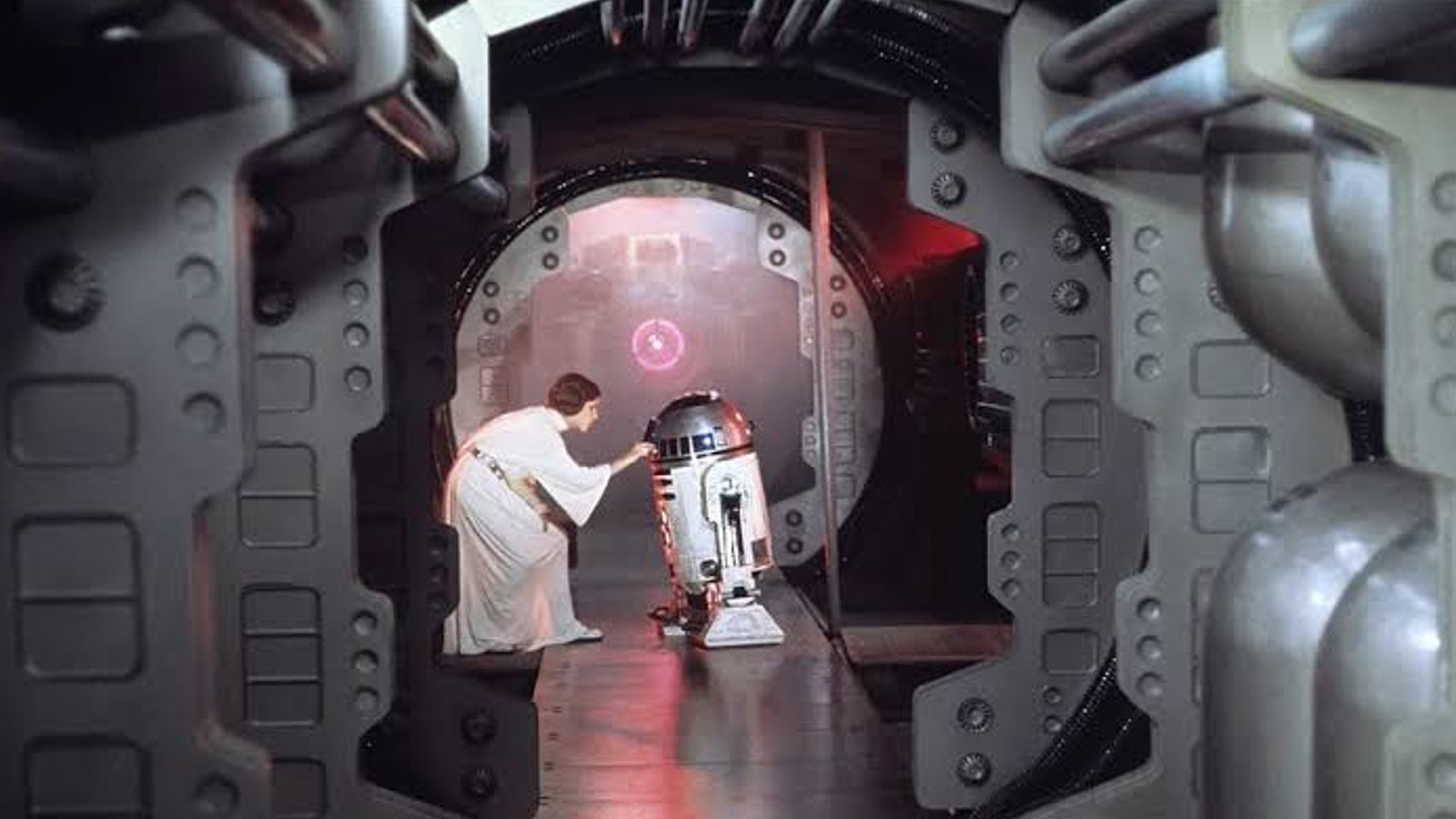
To understand why Lost Stars is the ideal cinematic candidate, one must look at the timeline. The novel spans the period leading up to A New Hope and extends through the Battle of Jakku, which takes place after the Emperor’s defeat in Return of the Jedi.
- The Academy Years: The early chapters provide a rare look at the inner workings of the Imperial military machine, humanizing the pilots and soldiers who, in the films, are often relegated to faceless, villainous roles.
- The Turning Point: The narrative does not shy away from the moral complexities of the Rebellion vs. Empire dynamic. Thane’s realization that the Empire is not the bringer of order he was promised acts as a mirror for the audience’s own evolving understanding of the galaxy.
- The Climax: Because Ciena remains loyal to the Empire, the story explores the tragic reality of "good" people serving a "bad" regime, a theme that Star Wars has only touched upon sporadically in its live-action films.
By adapting this timeline, Lucasfilm would not be retreading old ground, but rather reframing it. This provides the "nostalgia factor" that attracts older viewers while introducing a narrative structure—the star-crossed romance—that is universally compelling to younger audiences.
Supporting Data: The Case for Literary Adaptations
Lucasfilm has historically been hesitant to adapt its books and comics directly into films, preferring instead to use them as supplemental lore. However, the success of other franchises proves that the "source material" model is a winning one.
The current landscape of Star Wars cinema has faced significant headwinds. Recent reports suggest that upcoming theatrical ventures, such as the Mandalorian and Grogu film, are grappling with franchise fatigue. Box office returns for recent entries have failed to reach the heights of the Skywalker Saga, signaling that the audience is hungry for a shift in tone.
Furthermore, Claudia Gray has established herself as the premier architect of modern Star Wars lore. Her ability to synthesize the "Chosen One" prophecy and weave intricate character arcs has earned her a dedicated following. Integrating her work directly into the scriptwriting process—or, as many fans suggest, having her pen the screenplay for a Lost Stars adaptation—would provide the project with an immediate seal of approval from the most discerning segments of the fanbase.
Implications for the Franchise’s Future
If Lucasfilm were to pivot toward a direct adaptation of Lost Stars, the implications for the studio’s strategy would be significant.
1. Attracting Gen Z and Gen Alpha
The "Young Adult" (YA) label is often misunderstood as being "lesser," but in the current cinematic market, YA-driven stories are the lifeblood of blockbusters. Gen Z and Gen Alpha are looking for protagonists they can relate to—characters who are navigating their own moral awakenings. Lost Stars delivers this in spades, offering a relatable entry point into the galaxy that doesn’t require a master’s degree in Star Wars history to enjoy.
2. A Remedy for "Canon Fatigue"
Everything in the Disney Star Wars era is connected, which can sometimes feel like a burden to casual viewers. By adapting a self-contained story like Lost Stars, Lucasfilm can offer a film that feels complete, satisfying, and independent. It is a "one-and-done" movie that could restore confidence in the quality of the franchise’s output.
3. Cost-Effective Storytelling
Developing original scripts from scratch is a notoriously difficult, expensive, and time-consuming process. By adapting an already acclaimed story, Lucasfilm would have a proven narrative, established character arcs, and a built-in audience of readers who are already invested in the outcome. It is a risk-mitigation strategy that the studio desperately needs.
Official Responses and Industry Outlook
While Lucasfilm has not officially commented on a potential adaptation of Lost Stars, the buzz surrounding the book has not gone unnoticed. Inside the industry, there is a growing consensus that the "infinite connectivity" of the Star Wars universe is becoming a hurdle rather than a feature.
Critics have pointed to the success of animated projects like Tales of the Jedi, which subtly adapted elements of the Ahsoka novel, as proof that fans respond well to seeing their favorite book moments on screen. The appetite is clearly there. The challenge for Kathleen Kennedy and the leadership at Lucasfilm is to recognize that they have a gold mine in their own publishing house.
Conclusion: A Blueprint for Success
The struggle to please every type of Star Wars fan is a fool’s errand. The franchise is too large and its fanbase too diverse to achieve universal consensus. However, Lost Stars comes closer to that ideal than almost any other story in the current canon. It satisfies the purists by honoring the original trilogy, and it delights newcomers with a human, emotional core that transcends the space opera setting.
Lucasfilm has the opportunity to stop chasing trends and start utilizing the high-quality assets already at its disposal. Lost Stars is a story of love, betrayal, and war that "kicks ass." In the right hands—with the right director and a script that honors the nuance of Claudia Gray’s prose—it could be the film that finally brings the disparate factions of the Star Wars community back together.
It is time for the studio to stop looking for the next "big thing" and realize that, in the case of Lost Stars, the next big thing has been sitting on our bookshelves for nearly a decade.


 Sagoh
Sagoh
 Nana Wu