Laily UPN
In a development that would have been dismissed as industry fan-fiction mere years ago, fresh reports indicate that Intel is actively planning a new generation of processors featuring integrated graphics designed by Nvidia. If these reports hold true, the industry is poised to witness a historic marriage of the world’s most dominant CPU architecture and the undisputed leader in graphics processing technology, with a target market entry in early 2028.
Main Facts: The Strategic Integration
The information, brought to light by analyst Erdi Özüağ and supported by industry reporting from VideoCardz, suggests that Intel is exploring a radical departure from its proprietary "Arc" graphics strategy. While Intel has invested billions into its own integrated and discrete graphics divisions, the prospect of utilizing Nvidia’s architecture within an x86 package represents a seismic shift in how the company approaches competitive performance.
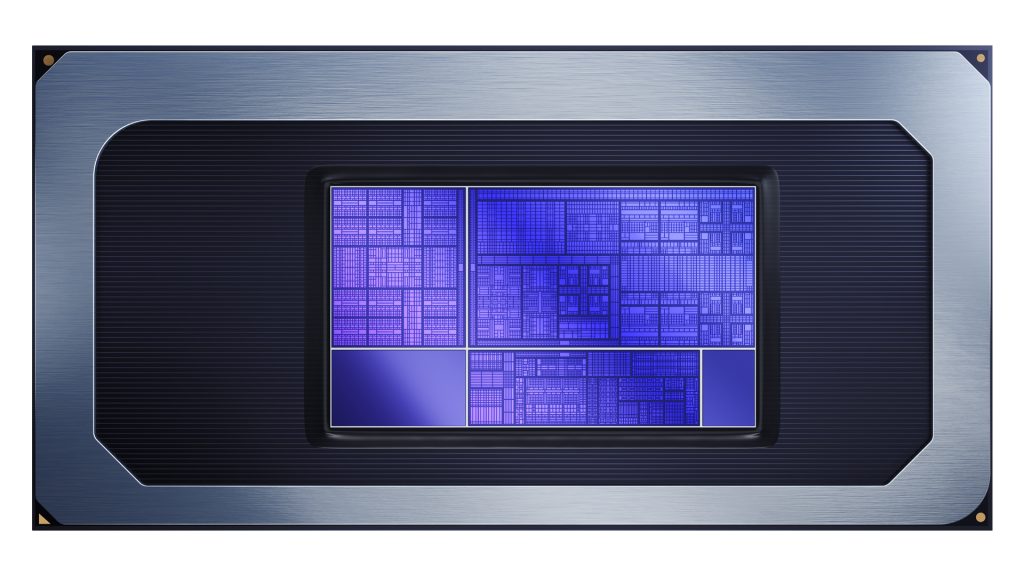
The collaboration, tentatively slated for a Q1 2028 release, is expected to make its public debut at CES 2028. While technical specifications remain elusive, the prevailing industry consensus is that these chips would not be traditional "monolithic" silicon. Instead, they would leverage Intel’s sophisticated tile-based (disaggregated) manufacturing process.
By combining Intel’s high-performance compute and SoC (System-on-Chip) tiles with a specialized, custom-designed Nvidia GPU tile, Intel could theoretically bypass the current performance ceiling of its internal graphics engines. This "best-of-both-worlds" approach would allow the CPU tile to focus on x86 compute efficiency while the Nvidia tile handles rendering, AI-driven upscaling, and advanced media encoding/decoding, potentially integrating Nvidia’s proprietary display engines into the package.
Chronology of the Relationship
To understand why such an unprecedented collaboration is now being discussed seriously, one must look at the shifting tectonic plates of the semiconductor industry over the past three years:
- 2024–2025: The Foundation of Cooperation: Following years of intense competition, Intel and Nvidia began exploring cross-licensing and foundry-related dialogues. The industry saw a thaw in hostilities as both companies recognized a common threat in the rise of ARM-based architectures and the insatiable demand for AI-optimized silicon.
- 2025: The Formal Partnership: Reports emerged regarding a burgeoning strategic partnership between the two tech giants. While initially focused on server-side infrastructure and AI interconnects, this partnership set the precedent for broader cooperation.
- Late 2025–Early 2026: Intel began refining its tile-based architecture with the rollout of the Core Ultra "Series 3" processors, demonstrating the viability of mixing and matching different process nodes and IP blocks on a single package.
- 2026–Present: Industry rumors began circulating regarding a shift in Intel’s graphics strategy, fueled by the challenges faced by the Arc division in gaining significant market share against Nvidia’s RTX series.
- Q1 2028 (Projected): The anticipated launch window for the first generation of hybrid Intel-Nvidia consumer processors, likely to be unveiled at the Consumer Electronics Show in Las Vegas.
Supporting Data: Why Now?
The semiconductor landscape is currently defined by the transition from general-purpose computing to domain-specific hardware. Intel’s transition to the 18A process node and its Foveros packaging technology provides the technical roadmap required for this integration.

Historically, integrated graphics were considered a "basic" utility—sufficient for desktop display and light media consumption. However, as consumer expectations for high-fidelity gaming and AI-accelerated workflows increase, the "integrated" tier is no longer sufficient. By integrating an Nvidia GPU tile, Intel could essentially provide "entry-level discrete" performance within an ultra-thin laptop chassis, effectively eliminating the need for a separate, power-hungry dGPU for a vast majority of users.
Furthermore, there is a secondary narrative regarding Intel’s foundry business. Reports suggest that Apple is in advanced consultations with Intel regarding the use of the Intel 18A foundry node. If Apple, a company notoriously protective of its hardware stack, is considering Intel’s manufacturing services, it validates Intel’s foundry strategy, providing the financial stability required to pursue high-risk, high-reward partnerships with rivals like Nvidia.
Official Responses and Industry Sentiment
To date, both Intel and Nvidia have maintained a strict "no comment" policy regarding these specific rumors. Such silence is standard for products in the early stages of development or negotiation. However, industry analysts have been quick to weigh in.
"This move is a tacit admission that while Intel has made massive strides in graphics, the consumer market remains tethered to the Nvidia ecosystem," says one semiconductor analyst. "For gamers and content creators, the ‘RTX’ brand is synonymous with quality. If Intel can put that brand inside their chip, they instantly win over a segment of the market that has been hesitant to switch to Core Ultra platforms due to perceived graphics limitations."
Conversely, critics argue that this could signal the beginning of the end for Intel’s internal graphics design division. If the company outsources its graphics IP to Nvidia, it risks becoming a "CPU-only" company, losing the vertical integration that has defined its business model for decades.
Implications for the Future of Computing
The implications of this potential deal are far-reaching, affecting consumers, competitors, and the broader tech economy:
1. The Death of the Entry-Level GPU
If this partnership proceeds, the market for discrete entry-level graphics cards (like the RTX 3050 or RX 6500 XT) may effectively vanish. An integrated solution capable of delivering high-frame-rate gaming with DLSS support would render dedicated budget cards obsolete, significantly lowering the barrier to entry for high-performance PC gaming.
2. The AI Integration Race
Nvidia’s primary competitive advantage is no longer just raw rasterization, but its CUDA and Tensor core ecosystem. By embedding an Nvidia GPU tile into a CPU, Intel would essentially bring professional-grade AI acceleration to the mainstream consumer. This would supercharge local AI tasks—such as real-time language translation, video editing, and generative AI—directly on the CPU package, without the need for external hardware.
3. AMD’s Strategic Dilemma
AMD currently occupies a unique position as the only company capable of manufacturing both high-performance CPUs and GPUs in-house. This gives them a cost and architectural advantage in integration. If Intel bridges the gap with Nvidia, AMD will face a new competitive landscape where they can no longer rely on their integrated graphics as a primary differentiator.
4. Intel’s Foundry Strategy
For Intel, this is as much about their foundry business as it is about CPUs. By proving they can integrate high-end third-party IP (Nvidia’s GPU) into their advanced 18A process, Intel sends a powerful message to potential foundry customers: their manufacturing platform is open, flexible, and capable of handling the most complex designs in the world.
Conclusion: A New Era of Collaboration
While the 2028 timeline is distant, the mere suggestion of an Intel processor with Nvidia graphics reflects the pragmatic reality of the current technological age. The era of the "siloed" semiconductor giant is fading, replaced by a complex ecosystem of co-dependency and strategic alliances.
If this partnership manifests, it will represent the most significant consolidation of power in the history of the personal computer. Whether this results in a revolutionary leap for consumers or a long-term erosion of Intel’s internal engineering capabilities remains to be seen. For now, the tech world watches, waiting to see if these two giants can successfully navigate the complexities of integration to define the future of the PC.


 Layla Zulfa
 Nana Muazin