Lina Hope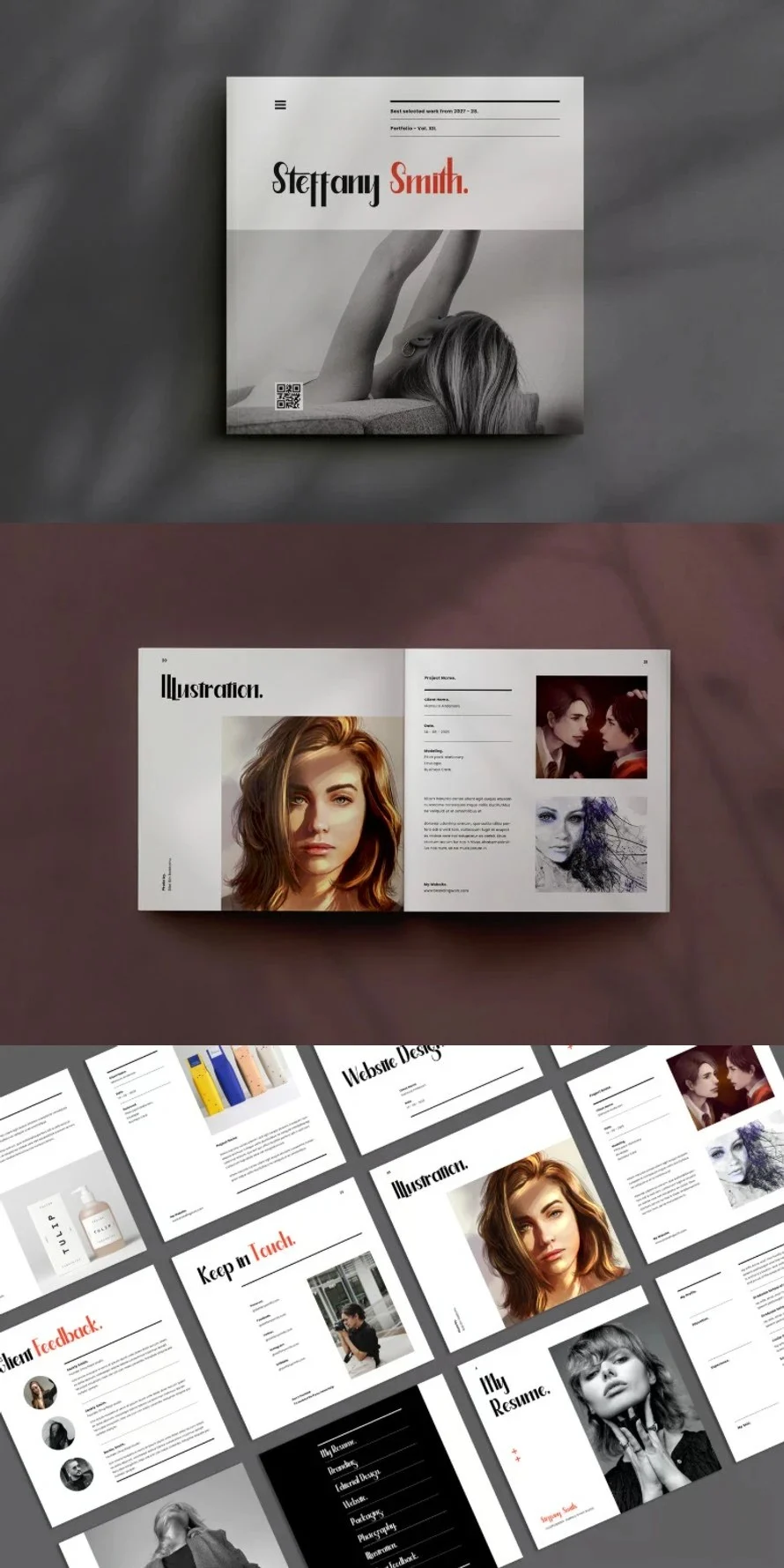
In the modern landscape of corporate identity and creative marketing, the first impression is often the only one that matters. For agencies, freelancers, and small businesses alike, a well-designed brochure serves as the physical manifestation of professional credibility. Among the various formats available to designers today, the square brochure has emerged as a preferred aesthetic choice—offering a balanced, modern, and highly versatile canvas that stands out in a sea of standard A4 documents.

This comprehensive guide explores the strategic importance of high-quality, professional-grade square brochure templates, analyzing how they streamline workflows, elevate brand perception, and provide a competitive edge in diverse market sectors.

Main Facts: The Strategic Advantage of Square Formats
The shift toward square-formatted marketing materials is not merely a trend; it is a calculated design choice. The square ratio provides a unique sense of symmetry that draws the eye, making it an ideal format for high-end portfolios, premium product catalogs, and concise company profiles.

The Power of Ready-to-Use Assets
One of the most significant challenges in design is the "blank page syndrome." Professional templates bridge the gap between concept and execution. By utilizing pre-organized, print-ready layouts, businesses can focus on their core message rather than struggling with grid systems, bleed settings, or typography hierarchies. These templates—often crafted by industry experts—feature professional-grade paragraph styles, master pages, and alignment guides that ensure consistency throughout the document.

Versatility Across Industries
While traditional brochures often stick to portrait or landscape orientations, the square brochure offers a "coffee table" aesthetic. It is inherently more tactile and engaging, making it perfect for:

- Creative Portfolios: For architects, photographers, and graphic designers, the square frame offers a neutral space that allows visual work to take center stage.
- Corporate Reports: Annual reports and company profiles benefit from the clean, structured look of square layouts, which convey transparency and organizational rigor.
- Retail Catalogs: Product showcases gain a boutique feel, turning a standard catalog into a curated shopping experience.
Chronology: The Evolution of the Brochure in Digital Design
The evolution of the brochure reflects the broader trajectory of digital design tools.

The Pre-Digital Era: Historically, creating a brochure was a labor-intensive process requiring physical mockups, typesetters, and complex print coordination. Turnaround times were measured in weeks, if not months.

The Desktop Publishing Revolution: The arrival of software like Adobe InDesign democratized professional layout. However, the technical barrier remained high for non-designers. The burden of creating professional grids from scratch hindered many small businesses.

The Template Era (2015–Present): With the rise of digital marketplaces, the industry shifted toward modular design. Designers began packaging their expertise into reusable files. The current generation of templates—specifically the square series featured here—represents the pinnacle of this evolution. These assets are now fully layered, cross-platform compatible (InDesign, Affinity Publisher), and built with modularity in mind, allowing for "drag-and-drop" functionality that was inconceivable a decade ago.

Supporting Data: Why Templates Win
Market research indicates that businesses utilizing high-quality visual assets experience a significant increase in client retention and lead conversion.

Efficiency Metrics
For a freelance designer or a marketing manager, time is the most valuable resource. Research into design workflows suggests that starting with a professionally structured template reduces the time required to complete a 24-page brochure by approximately 60–70%. By eliminating the need to design every page from the ground up, designers can dedicate more time to refinement, content strategy, and branding alignment.

Print and Digital Compatibility
Modern templates are engineered for dual-purpose utility. Because they are designed in high-resolution, vector-based environments, they transition seamlessly from high-quality offset printing to digital PDF distributions. This flexibility is essential in an era where a company’s brochure must live as a download on a website while simultaneously appearing as a physical piece on a conference table.

Official Responses and Industry Standards
Design professionals and agency heads frequently cite "consistency" as the primary driver for adopting standardized templates. According to industry experts, the "best" templates in the current market are those that adhere to strict typographic rules and balanced negative space.

"When you use a template, you aren’t just buying a layout; you are buying a professional grid," notes one lead designer. "The difference between a amateur brochure and a high-end corporate profile often comes down to the subtle application of margins, leading, and baseline alignment. High-quality square templates embed these professional standards into the file, ensuring that even someone with limited design experience produces a result that looks like it was crafted by a senior art director."

Key Features to Look For:
- Layered Organization: Files should be clearly labeled, allowing users to toggle elements on or off.
- Typography Sets: Use of free, high-quality fonts that maintain legibility across screen and print.
- Print-Ready Settings: Inclusion of bleed marks, crop marks, and CMYK color profiles, which are non-negotiable for commercial printing.
- Modular Layouts: The ability to duplicate, remove, or rearrange pages without breaking the document’s overall design integrity.
Implications: The Future of Brand Presentation
As we move toward a more visually saturated world, the implications of using "stock" versus "curated" templates are profound. Businesses that rely on poor-quality, cluttered layouts risk damaging their brand equity. Conversely, those that invest in clean, minimalist, and intelligently structured square templates signal to their audience that they value quality, precision, and detail.

The Economic Shift
The democratization of design assets—with platforms now offering access to millions of fonts, mockups, and templates for a flat subscription fee—has leveled the playing field. A small startup can now present its services with the same level of visual sophistication as a multi-national agency. This shift is driving a "design-first" culture, where the quality of the brochure is viewed as an extension of the quality of the product itself.

The Role of Customization
While templates provide the structure, the "art" lies in the customization. The most successful brands use these templates as a base and then inject their own unique color palettes, custom photography, and brand-specific voice. This hybrid approach—combining the efficiency of a template with the unique essence of the brand—is the secret to creating marketing collateral that feels both professional and personal.

Conclusion: Crafting Your Next Masterpiece
The transition to square-formatted brochures is more than a design choice; it is a strategic maneuver toward clarity and professionalism. By leveraging the collection of templates highlighted in this guide—ranging from architecture portfolios and culinary cookbooks to corporate annual reports—businesses can effectively communicate their value proposition with confidence.

Whether you are a freelancer showcasing your latest project or an agency head creating a client’s quarterly report, the tools are now at your fingertips. By embracing the structure provided by these modern, print-ready, and highly customizable assets, you are not just saving time—you are ensuring that your brand’s story is told with the aesthetic excellence it deserves.

Checklist for Your Next Brochure Project:
- Define Your Purpose: Is it for an image-heavy portfolio or a text-heavy annual report? Choose a template that prioritizes your primary content type.
- Audit Your Assets: Ensure you have high-resolution photography and your brand’s style guide (colors and fonts) ready before you begin.
- Test the Print: Always run a digital proof and, if possible, a physical test print before committing to a large-scale order.
- Prioritize Readability: Even in a beautiful square format, content must be legible. Stick to established hierarchy (Headings, Subheadings, Body Text).
- Iterate: Use the modular nature of your chosen template to create variations for different client needs.
The era of professional design is no longer locked behind the gates of expensive agencies. Through these resources, the tools for excellence are accessible to everyone, empowering you to create marketing materials that are as impactful as they are beautiful.


 Sagoh
Sagoh
 Lina Irawan