Lina Hope
The Timeless Appeal of a Post-Apocalyptic Icon
For many, the mention of Fallout 3 evokes a specific, haunting atmosphere—the grey-green tint of a ruined Washington D.C., the rhythmic clicking of a Geiger counter, and the lonely wanderlust of the Capital Wasteland. Since its release in 2008, Bethesda Game Studios’ shift of the Fallout franchise from isometric CRPG to a first-person immersive sim defined a generation of open-world RPGs. It successfully translated the dark, satirical, and brutal nature of the nuclear wasteland into a visceral 3D experience that remains, for many, the pinnacle of the series.
However, time is a cruel architect. While the narrative depth and world-building of Fallout 3 hold up remarkably well, the aging Gamebryo engine and the visual fidelity of the late 2000s have begun to show their age. As modern hardware pushes the boundaries of graphical realism, returning to the Capital Wasteland today can feel like peering through a dusty, low-resolution window. While whispers of an official Bethesda remaster have circulated within the gaming community for years, those rumors have yet to yield a tangible product. In the absence of an official corporate initiative, the modding community—a group historically responsible for keeping Bethesda’s titles alive—has stepped up to provide a glimpse of what the future could hold.
Chronology of a Cult Classic
To understand why the desire for a Fallout 3 remaster is so potent, one must look at its history.
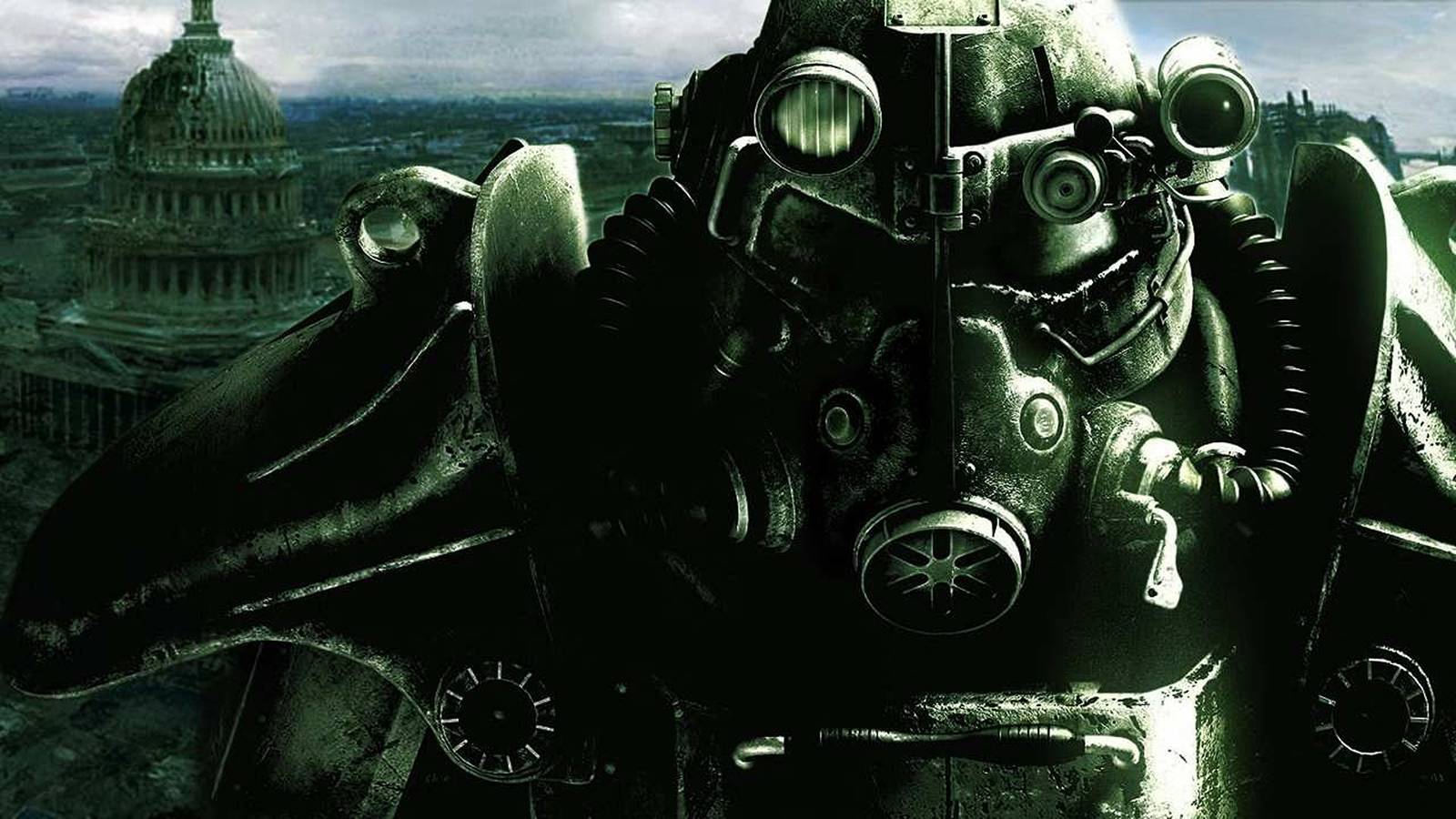
- October 2008: Fallout 3 launches to critical acclaim. It introduces millions to the series, setting the standard for Bethesda’s "exploration-first" design philosophy.
- 2009-2010: A suite of DLC expansions—Operation: Anchorage, The Pitt, Broken Steel, Point Lookout, and Mothership Zeta—solidifies the game as a comprehensive, long-term experience.
- 2015: Fallout 4 is released. While it offers vastly improved gunplay and graphical fidelity, many veteran players argue it lacks the gritty, hopeless atmosphere and RPG depth found in its predecessor.
- 2024-2026: Renewed interest in the franchise, spurred by the success of the Fallout television series and continued modding efforts, creates a massive demand for a modern version of the 2008 classic.
- May 2026: YouTube creator Julian Uccetta unveils a technical breakthrough, showcasing Fallout 3 running natively within Unreal Engine 5.7, effectively bridging the gap between 2008 game design and 2026 graphical standards.
The Unreal Engine Breakthrough: A Technical Deep Dive
The most significant development in the quest for a modernized Fallout 3 comes from independent developer Julian Uccetta. Uccetta has not simply "remade" a scene; they have engineered a sophisticated, custom-built plugin system designed to import Bethesda’s complex, data-driven architecture directly into Unreal Engine 5.7.
This is a monumental task. The original game runs on the Gamebryo engine, which utilizes a specific file structure and scripting language that does not inherently play nice with the modular, node-based systems of Unreal. Uccetta’s work demonstrates that the game’s core assets—physics, item placement, and level geometry—can be successfully ported to a modern engine that supports real-time global illumination, advanced shadow mapping, and high-fidelity textures.
The footage released by Uccetta highlights the "grabbing" mechanic—a small but vital element of Fallout gameplay. Watching the player pick up an object in the Unreal-powered version reveals that the physics are not just "intact"; they are a faithful recreation of the original’s tactile, slightly floaty feel. This dedication to "mechanic preservation" is what separates this project from a simple "high-res texture pack." It is an attempt to transplant the soul of the game into a new body.

Supporting Data: Why Fans Demand a Remaster
The sentiment from the community is clear: fans do not necessarily want a "reimagining" that changes the game’s core systems, but rather a "faithful modernization."
- Visual Fidelity: Players are looking for modern lighting, volumetric fog, and improved shaders that can accurately replicate the "bleakness" of D.C. without losing the original art direction.
- Stability: The original 2008 build is notoriously difficult to run on modern Windows 10/11 systems without significant troubleshooting. A modern remaster would theoretically solve the inherent crashes and "memory leaks" associated with the legacy Gamebryo engine.
- Modern Input: The community is eager for improved controller support and high-refresh-rate monitor compatibility, which were not prioritized during the game’s original development cycle.
The comment sections of Uccetta’s video project, which have garnered thousands of views, serve as a barometer for player desire. Phrases like "This is the exact remaster I want" and "my jaw dropped" reflect a recurring theme: the community is tired of waiting for a corporate announcement and is increasingly turning to independent, open-source-minded developers to satisfy their nostalgia.
The Corporate Stance and Official Silence
As of mid-2026, Bethesda Softworks has remained largely tight-lipped regarding a potential Fallout 3 remaster. While the studio has been occupied with Starfield updates, the long-term support for Fallout 76, and the pre-production phases of future titles, the Fallout intellectual property remains one of their most valuable assets.
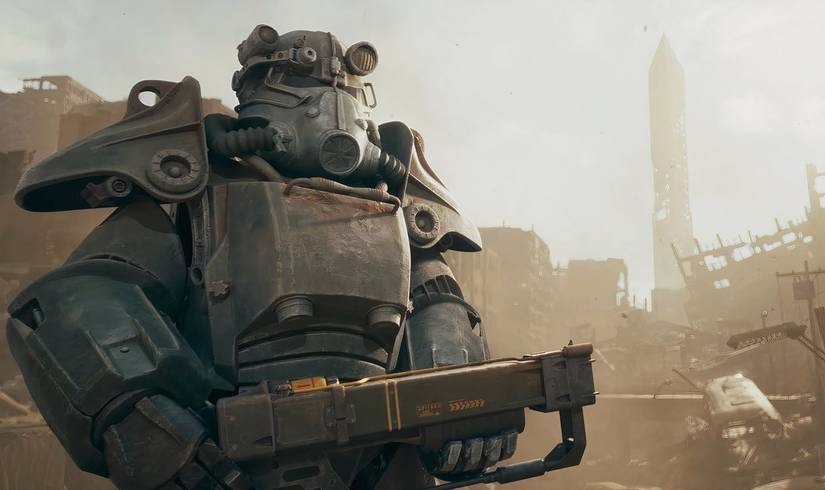
Industry analysts suggest that a full-scale remake would be a massive undertaking. Unlike a simple resolution bump, a true remake would require re-doing voice work, re-animating character models, and potentially rebuilding the quest scripting to avoid the "jank" that characterized the original release. However, the success of the Fallout television show has forced Bethesda to re-evaluate their back catalog. Whether they choose to invest in an internal remake or allow a "remaster-as-a-service" model remains to be seen.
Implications: The Future of Modding and Game Preservation
Uccetta’s project carries massive implications for the future of game preservation. By building a tool that can import Bethesda’s data-driven architecture into a contemporary engine, the developer has potentially unlocked a roadmap for other titles.
If this plugin system can be refined and made accessible, it could allow the community to "remaster" other legacy titles, such as Oblivion or Fallout: New Vegas, with relative ease. This represents a shift in power from the publisher to the player. In an era where legacy games are often removed from storefronts or left in a broken state, the ability for the community to "rescue" these titles and bring them up to modern standards is a vital component of gaming culture.

However, there are risks. Projects that rely on original game assets often exist in a legal grey area. Bethesda has generally been lenient with modders, provided they don’t redistribute copyrighted assets, but as projects like Uccetta’s reach higher levels of visual fidelity, the line between "mod" and "unauthorized product" becomes thinner.
Conclusion: A New Dawn for the Wasteland
For the dedicated fans who have spent thousands of hours in the Capital Wasteland, the hope for a Fallout 3 remaster is not just about better pixels; it is about honoring a cornerstone of RPG history. Projects like Julian Uccetta’s Unreal Engine 5 conversion prove that the game’s architecture is robust enough to survive the transition into the modern era.
While we wait for an official word from Bethesda, these fan-led initiatives provide more than just a temporary fix—they provide a blueprint. Whether or not an official title ever comes to fruition, the community has shown that they are more than capable of keeping the wasteland alive. For now, the prospect of playing a 2008 classic with 2026 technology remains one of the most exciting developments in the PC gaming landscape. The Capital Wasteland may be broken, but it is far from finished.


 Nana Wu
 Jia Lissa