Laily UPN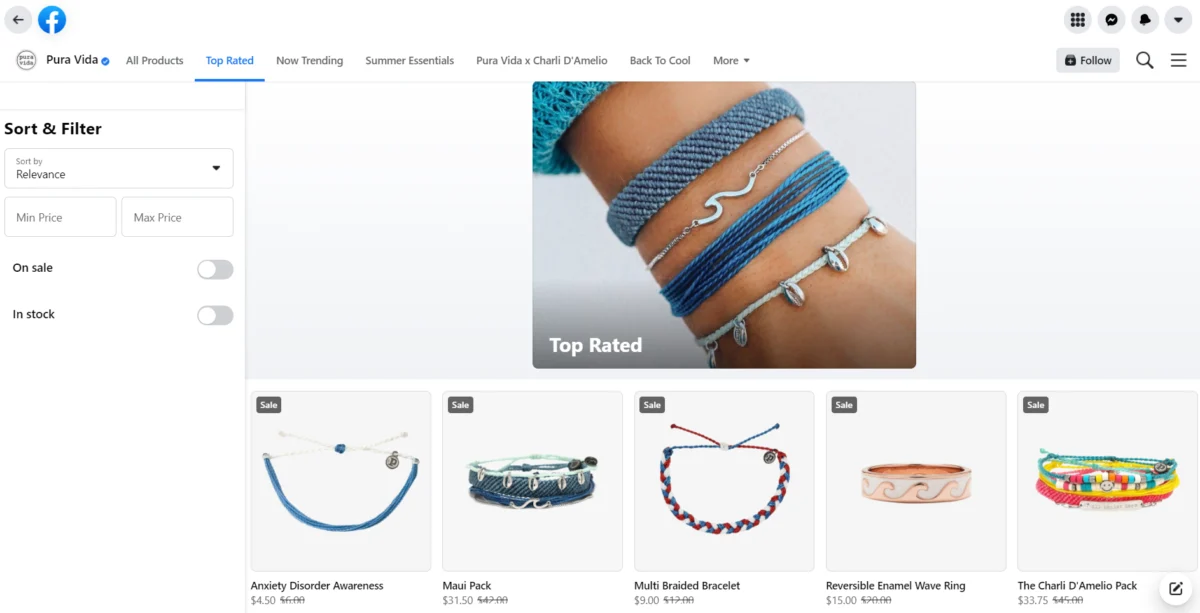
While the digital marketing landscape is often distracted by the mercurial trends of short-form video apps and niche social platforms, a quiet giant continues to dominate the e-commerce sector: Facebook. Despite the rise of newer competitors, Facebook remains the bedrock of social commerce, boasting an unparalleled combination of massive scale and high consumer buying intent.
According to the Sprout Social 2026 Content Strategy Report, 85% of consumers across all generational cohorts maintain active Facebook profiles. More importantly, the platform has solidified its position as the #1 network for product discovery. For brands looking to bridge the gap between social engagement and revenue, the Facebook Shop is no longer a "nice-to-have" experiment—it is a mandatory component of a modern digital retail strategy.

The Strategic Importance of Facebook Shops
A Facebook Shop functions as a mobile-first digital storefront integrated directly into a brand’s Facebook Page. By meeting customers exactly where they are—in a headspace already primed for consumption—brands can convert passive scrolling into active purchasing.
The business impact of this integration is undeniable. Data indicates that 70% of marketing leaders identify Facebook as the platform that drives the strongest, most consistent impact on their bottom line compared to any other social channel. This is largely driven by user intent: 40% of social media users explicitly utilize Facebook as a search engine for new products. By deploying a Shop, brands capitalize on this "discovery-to-purchase" pipeline, creating a frictionless path from a feed post to a checkout page.

Chronology of Evolution: From Social Network to Retail Hub
The journey of Facebook as a retail entity has been a calculated progression of infrastructure development:
- 2020-2021: The Genesis of Shops. Meta launched Facebook Shops to empower small businesses during the pandemic, allowing them to create a single online store for customers to access on both Facebook and Instagram.
- 2022-2024: Integration and Optimization. Meta refined the Commerce Manager interface, adding advanced analytics, product tagging, and seamless integration with third-party platforms like Shopify and BigCommerce.
- 2025: The Strategic Pivot. As of September 2025, Meta made a significant policy shift, moving away from native in-app checkout. The platform now focuses on high-intent referral traffic, requiring brands to send shoppers to their own websites to finalize transactions.
- 2026: The Data-Driven Era. Today, the focus has shifted toward "Social Merchandising"—the art of using data and short-form video to curate the user experience within the Facebook ecosystem, ensuring that the Shop serves as a high-conversion gateway rather than a static catalog.
Supporting Data: The Case for Facebook
The numbers reflect a platform that has matured, not withered. Sprout Social’s latest research highlights several key behavioral trends:

- The Video Factor: 48% of Facebook users report that they are most likely to engage with short-form video content (under 60 seconds). This makes the platform an ideal environment for product demonstrations.
- Customer Care Expectations: Facebook has become the premier destination for social customer service. 45% of users now turn to Facebook specifically to seek support or clarify product details before making a purchase.
- Discovery Velocity: Because Facebook’s algorithm is highly refined in recommending content based on user interest, brands that utilize Reels in conjunction with their Shop see a significant lift in organic discovery among non-followers.
Official Guidelines: Building Your Shop in 2026
Establishing a presence in the Facebook ecosystem requires a systematic approach through Meta Commerce Manager. While the platform provides a guided setup, the process follows a rigorous structure:
Phase 1: Infrastructure Setup
Users must navigate to the Meta Commerce Manager to create a commerce account. This acts as the "control room" for both Facebook and Instagram. The initial setup requires the selection of a Facebook Page to host the storefront, ensuring that all branding elements are aligned with the company’s identity.

Phase 2: Catalog Integration
The catalog is the heart of the operation. Whether imported via a partner like Shopify or manually uploaded, the catalog must be meticulously managed. Brands are encouraged to use high-resolution imagery and accurate metadata, as these elements directly influence the platform’s search visibility.
Phase 3: Merchandising and Customization
Once the catalog is live, the focus turns to the user experience. By creating "Collections," brands can group items by season, theme, or category (e.g., "Summer Essentials" or "Holiday Gifts"). This reduces "decision fatigue" for the consumer, a critical factor in improving conversion rates.

Implications for Modern Retail Strategy
The 2025 shift to off-platform checkout has fundamentally changed the mandate for marketing teams. Because the final transaction occurs on your website, your Facebook Shop is now a Top-of-Funnel Conversion Tool.
1. Leverage Short-Form Video (Reels)
Static images are no longer sufficient. To succeed in 2026, products must be shown in motion. Short-form videos provide the context shoppers need—how a garment drapes, how a gadget functions, or how a serum absorbs into the skin. When these videos are paired with "View Shop" tags, they create an immediate bridge between inspiration and action.

2. Prioritize Social Customer Care
Because 45% of users use Facebook for service, your response time is a direct metric of your sales potential. A neglected comment is a lost sale. Brands must treat their Facebook inbox with the same urgency as a customer service phone line or a live chat widget on their website.
3. Embrace User-Generated Content (UGC)
Trust is the currency of the 2026 internet. Consumers are increasingly skeptical of high-production advertising but highly receptive to UGC. By incorporating photos and videos from real customers into your catalog or featured collections, you provide the social proof necessary to close the sale.

4. Data-Driven Merchandising
The Commerce Manager is not just a storage space; it is a laboratory. By monitoring metrics like "product clicks" and "collection views," brands can perform A/B testing on their merchandising. If a specific collection is underperforming, the data allows for immediate pivots—swapping out products, changing cover images, or adjusting the order of items to better align with current demand.
Conclusion: The Path Forward
In 2026, the brands that win on Facebook are those that treat their Shop as an extension of their brand culture rather than just a digital warehouse. By combining the scale of Facebook’s massive, cross-generational audience with a sophisticated, data-driven content strategy, retailers can turn the platform into a consistent, reliable revenue engine.

While the technical setup of a Shop is straightforward, the true challenge lies in the orchestration of content, customer service, and data analysis. Centralizing these efforts through integrated social management tools is no longer optional for teams looking to scale. As the digital marketplace becomes increasingly crowded, the simplicity and trust associated with a well-managed Facebook Shop will remain a definitive competitive advantage.


 Nila Kartika Wati
 Neng Nana