Azzam Bilal Chamdy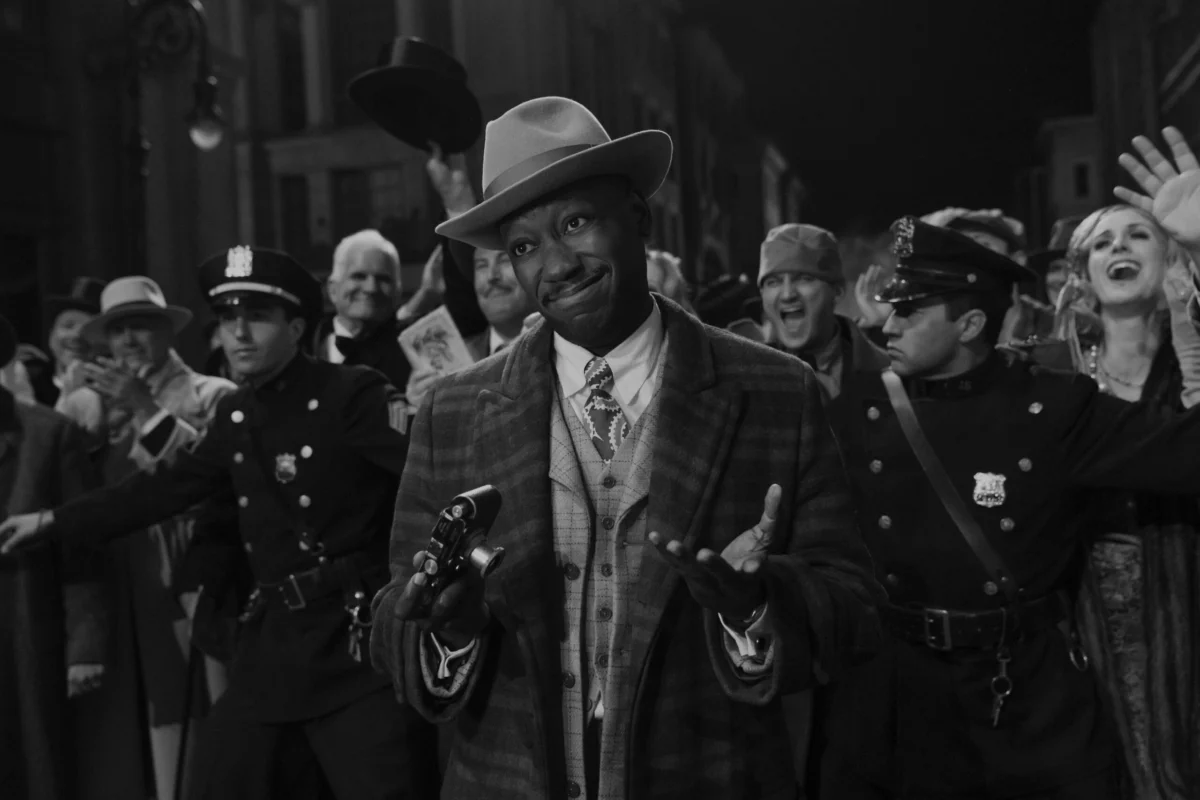
In the sprawling, interconnected multiverse of modern superhero media, few projects have managed to strike a balance between stylistic audacity and grounded, character-driven storytelling quite like Prime Video’s Spider-Noir. Anchored by the haunting, weary performance of Nicolas Cage as a detective grappling with his past, the series has become a standout hit, drawing critical acclaim for its period-accurate aesthetic and its subversion of traditional comic-book tropes.
At the center of this buzz is Emmy-winning actor Lamorne Morris, who portrays the tenacious investigative journalist Robbie Robertson. As the first season concludes with a series of narrative pivots that have left audiences clamoring for more, Morris sits down to discuss the surreal experience of donning the iconic suit, the evolution of his character, and his hopes for a potential second season.
The Evolution of a Multi-Hyphenate Talent
Lamorne Morris is no stranger to the spotlight. Having achieved global recognition as the lovable, high-energy Winston Bishop in the long-running ensemble sitcom New Girl, Morris spent years perfecting the art of comedic timing. However, his recent pivot to high-stakes drama—most notably his Emmy-winning turn in FX’s Fargo—marked a turning point in his career.
In Spider-Noir, Morris finds a unique middle ground. Robbie Robertson is a character who demands the charm of a leading man and the grit of a wartime reporter. "I get a chance to do it all," Morris reflects. "The writing is so spectacular that it allows everyone to have fun. When you’re a kid, you dream of playing at work, and this is truly that."
For Morris, the role of Robbie is a homecoming of sorts. As a lifelong fan of the Spider-Man mythos, the opportunity to inhabit the 1930s-era Marvel universe offered a rare chance to bridge his childhood fantasies with his professional maturation.
A Chronology of the Season One Finale
The finale of Spider-Noir served as a masterclass in narrative payoff. Throughout the season, the audience watched the slow-burn dynamic between Cage’s Ben, Karen Rodriguez’s Janet, and Morris’s Robbie. While Robbie initially operated as the supportive, front-line observer, the finale saw his character thrust into the center of the conflict.
When Ben’s secret identity as "The Spider" faced imminent exposure, it was Robbie who stepped into the breach, physically donning the suit to protect his friend. For Morris, the scene was more than just a plot point—it was a childhood dream realized.
Following this climax, the season concluded with a pivotal shift: Robbie’s departure from the Daily Bugle to take the helm at the Harlem Herald. This move not only honors the character’s nearly 60-year history in Marvel comics but also establishes a new, independent trajectory for the character, positioning him as an essential architect of the city’s resistance against corruption.
Behind the Scenes: The "Secret" Suit Fitting
One of the most compelling aspects of Morris’s performance was the genuine surprise he felt regarding his character’s arc. Unlike many modern productions where actors are given the full roadmap, the cast of Spider-Noir navigated the plot with a sense of discovery.
Morris recalls a moment on set where his co-star, Nicolas Cage, began discussing the finale’s implications, only for Morris to realize he hadn’t yet been given the full script. "Nick had been the only one who was given the whole series," Morris notes. "Once Nick realized I didn’t have the whole series, he went to the producers and was like, ‘We need to get the rest of the cast every episode. What are we doing?’"
The resulting suit fitting was a surreal milestone for the actor. "I took photos on my phone and I hadn’t been able to show anybody," he admits. "It felt like I was going out for Halloween as The Spider—which, I’m sure a lot of folks this Halloween will be Ben Reilly or The Spider. I knew it was a borrowed costume, and so it didn’t fully hit me… but it was just cool more than anything."

Supporting Data: The Resonance of the 1930s Setting
Spider-Noir distinguishes itself through its commitment to the noir genre. By setting the story during the Great Depression, the show provides a unique lens through which to view the hero’s journey.
Morris notes that the period setting allowed for a deeper level of immersion. "When you get a character that’s modern, the wardrobe doesn’t truly transport you as much as it could in that time period," he explains. "It helps you inform your character. Just to see how he gets ready in the morning… I wanted to really feel like [my mother] was watching an old film from back in the day."
The show’s visual presentation—offered in both black-and-white and color versions—has been a major draw for audiences. Morris, who watched the series multiple times in both formats, highlights how the visual contrast changes the "texture of the soul" of the show.
The Future: Implications for a Potential Season Two
While an official renewal for Spider-Noir remains pending, the cast and crew have left enough "jewels" in the finale to spark intense fan speculation. Morris is particularly excited about the potential for future storylines, hinting that his character’s journey is far from over.
"I’ll just say… World War II maybe," Morris teases when asked about his hopes for a second season. "Who are we fighting? It would be really cool just to see what kind of hijinks you could get into in such a serious situation."
Beyond the macro-historical implications, Morris emphasizes the personal stakes for Robbie. He notes that the finale contained a moment involving the character Megawatt (played by Andrew Caldwell) that permanently altered Robbie’s path. "Something else happens to Robbie in that moment, and it would be really cool to explore," he adds.
The Power of Fandom
Ultimately, Morris views the success of the show as a testament to the power of the comic book community. He believes that in the current media landscape, audience engagement is the final piece of the puzzle for greenlighting future seasons.
"The cool thing about a comic book fandom, the group behind all of that, is that they can influence culture in a way," says Morris. "So if fans want something bad enough, you make it happen, and that’s how it works."
As viewers continue to stream the series on Prime Video, the consensus seems clear: the blend of noir-inspired cinematography, strong performances, and a fresh take on the Spider-Man legacy has created a cultural touchstone. Whether or not the Harlem Herald returns to the screen remains to be seen, but for Lamorne Morris, the journey has already been a defining chapter in a storied career.
Spider-Noir is currently streaming on Prime Video. Fans are encouraged to continue the conversation regarding a potential second season on social media platforms.

 Nana Wu
 Jia Lissa