Rifan Muazin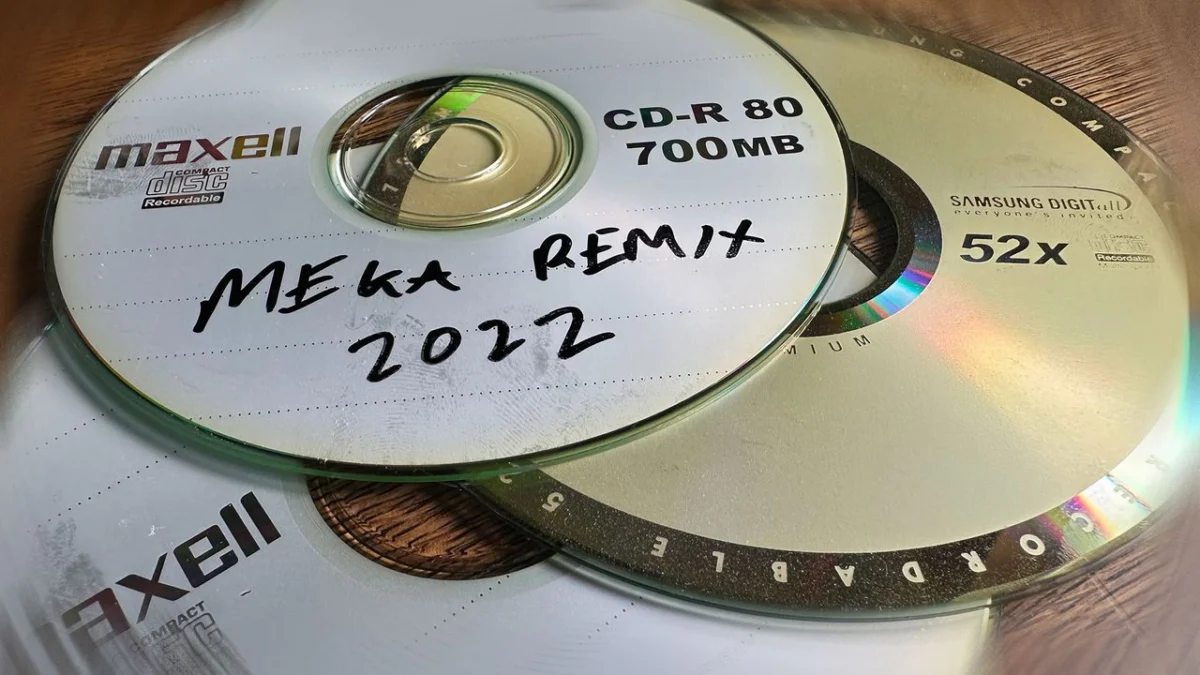
In a legal development that feels like a dispatch from a bygone era, the year 2026 has seen the conclusion of a years-long legal battle regarding the unauthorized reproduction and distribution of music CDs. Marc Kearns, a 47-year-old resident of East Cowick near Snaith, East Yorkshire, has been sentenced by the Hull Crown Court following a guilty plea for offenses related to the illicit mixing and sale of copyrighted music.
Kearns’ sentencing—a 26-month prison term, suspended for 18 months, coupled with a mandate for 250 hours of unpaid community service—serves as a stark reminder that copyright law remains a formidable force, even when applied to technologies that much of the world has largely relegated to the archives of history. The case highlights a peculiar intersection of nostalgia, modern digital piracy, and the enduring vigilance of trading standards authorities in the United Kingdom.
The Chronology of a "Retro" Crime
The investigation into Kearns’ activities was neither swift nor impulsive. It was a methodical process that spanned nearly a decade.
Initial Detection (2018)
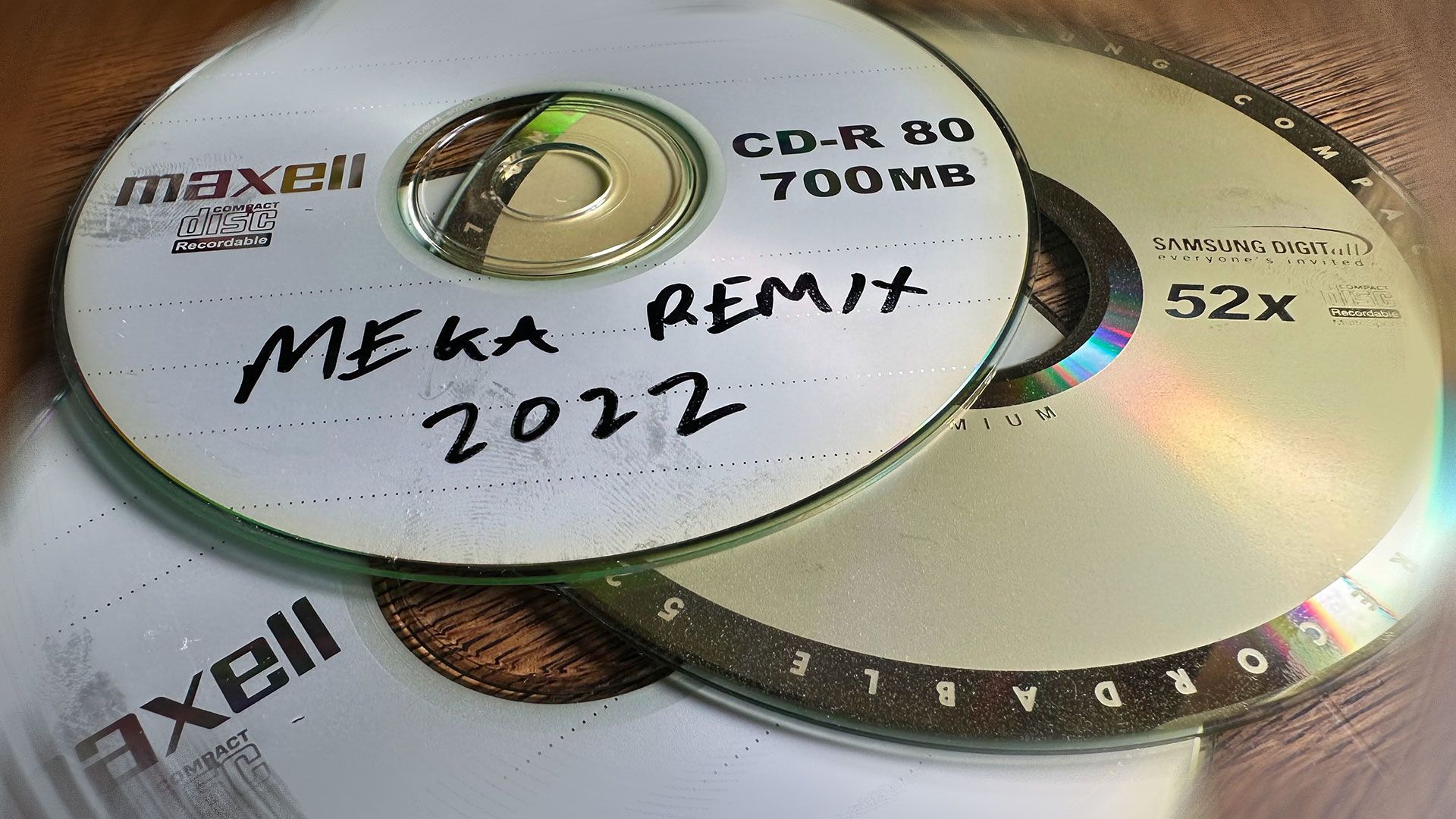
The trail began in 2018 when local Trading Standards officers first flagged irregularities in the market that pointed toward the unauthorized trade of music compilations. While the digital age has largely shifted to streaming services like Spotify, Apple Music, and YouTube, there remains a persistent, if niche, market for physical media. Kearns had seemingly tapped into this, creating custom-burned CDs that featured remixes of tracks from high-profile, well-known recording artists.
The Protracted Investigation (2019–2022)
By 2019, the scope of the operation had become clear enough to warrant a formal, long-term investigation. Law enforcement and council officials spent the next three years gathering evidence. In the world of physical media piracy, the evidence is often tangible: stacks of blank CD-R media, high-speed burning hardware, custom-printed labels, and the digital footprints left by the procurement of source files.
In September 2022, authorities executed a search warrant at Kearns’ premises. The seizure of equipment and stock effectively shuttered the operation, but the legal wheels of the British justice system turned slowly. It was not until the spring of 2026 that the case reached its final resolution at Hull Crown Court, where the weight of the evidence left little room for a defense, leading to his guilty plea.
The Economics of Obsolescence
Kearns’ operation existed in a strange limbo. By choosing to trade in a format that peaked in popularity in the early 2000s, he targeted a specific demographic—audiophiles with a penchant for the tactile, or perhaps those who have yet to migrate their libraries to the cloud.
The "Shiny Disc" Paradox
The compact disc, once the dominant force in music consumption, has seen its market share decimated by digital transformation. Yet, the technology required to replicate them—beige desktop towers, optical disc drives, and CD-burning software—remains functional. Kearns’ mistake was not just in the act of piracy, but in the visibility of his commercial footprint.
While the digital "cobwebbed corners" of the internet often host illicit file sharing that is notoriously difficult to track, physical trade creates a paper trail. Whether through car boot sales, local classifieds, or niche social media groups, the physical exchange of goods requires a level of interaction that is susceptible to observation. Trading standards officers look for the tell-tale signs of commercial-grade illicit activity: consistent labeling, standardized packaging, and the sheer volume of output that exceeds the realm of "personal backup."
Official Responses and Legal Implications
The prosecution of Kearns was characterized by a stern adherence to the protection of intellectual property (IP) rights. For the local council, this was not merely about a few burned discs; it was about the integrity of the creative economy.
Council Statements
A spokesperson for the council, speaking on the aftermath of the sentencing, emphasized the systemic damage caused by such operations: "This activity enabled him to commercially exploit protected material, generating income at the expense of legitimate artists and businesses within the music industry."
The sentiment was echoed by local officials who underscored the "significant illicit profit" that can be generated through the systematic production of counterfeit goods. While the individual scale of a CD-burning operation might seem modest compared to global digital piracy rings, the cumulative effect of thousands of such operations—if left unchecked—undermines the revenue streams that sustain songwriters, performers, and labels.
The Deterrence Factor
The suspended sentence is, in many ways, a cautionary tale. By handing down a 26-month sentence that hangs over Kearns like a guillotine, the court is sending a clear signal: the age of the medium does not dictate the severity of the crime. Whether it is an MP3 file on a server or a burned disc in a plastic case, the unauthorized exploitation of intellectual property carries a heavy social and legal cost.
The Broader Context: Copyright in the 2020s
The Kearns case provides a lens through which to view the evolution of copyright enforcement.
The Persistence of Physical Piracy
Despite the ubiquity of high-speed internet, the "physical" pirate has not entirely vanished. As technology trends toward the "retro," there is a resurgence in interest for vintage hardware. This creates a secondary market for older formats, which inevitably attracts those looking to exploit nostalgia for profit.
The legal system’s response is a reminder that IP law is platform-agnostic. The law does not distinguish between a 2026 digital stream and a 1990s-era physical medium; if the content is protected, the reproduction rights belong solely to the creator or the license holder.
The Digital Footprint
Modern investigative techniques have evolved to track both the physical and the digital. Even in cases involving low-tech output, the sourcing of material often involves high-tech acquisition. Law enforcement agencies now utilize sophisticated monitoring of online forums and marketplaces to identify sellers who are operating outside the bounds of the law.
Lessons Learned and Future Outlook
Marc Kearns’ story is a cautionary tale about the intersection of outdated business models and modern law enforcement. His attempt to monetize the past proved to be his undoing, as the very mediums he used to trade were the markers that eventually led to his conviction.
Impact on the Music Industry
For the music industry, the primary concern remains the dilution of value. Every unauthorized copy sold is a transaction that bypasses the ecosystem of royalties. While the industry has largely successfully transitioned to subscription-based models, the persistence of "piracy-as-a-service" (even on a small, local scale) continues to be a point of friction.
A Warning to Others
The sentencing in Hull Crown Court serves as a modern-day deterrent. It confirms that the authorities are not so focused on the future of AI and streaming that they have forgotten the basic tenets of copyright enforcement. As the council representative noted, the hope is that this case will discourage others from attempting to build "side hustles" on the back of stolen intellectual property.
Conclusion
As we move deeper into the latter half of the 2020s, the case of Marc Kearns stands as a historical anomaly that feels like a vestige of the early 2000s. It reminds us that while technology changes, the legal principles of ownership and compensation remain static. For those who might be tempted to look at a dusty CD burner and see a path to easy profit, the message from the courts is clear: the cost of living in the past is a future that could be heavily restricted by the law.
The digital age may have moved on to the cloud, but the law remains firmly grounded in the protection of creators, regardless of whether their work is distributed in a stream or on a disc.


 Reynand Wu
 Layla Zulfa