Dwi Wanna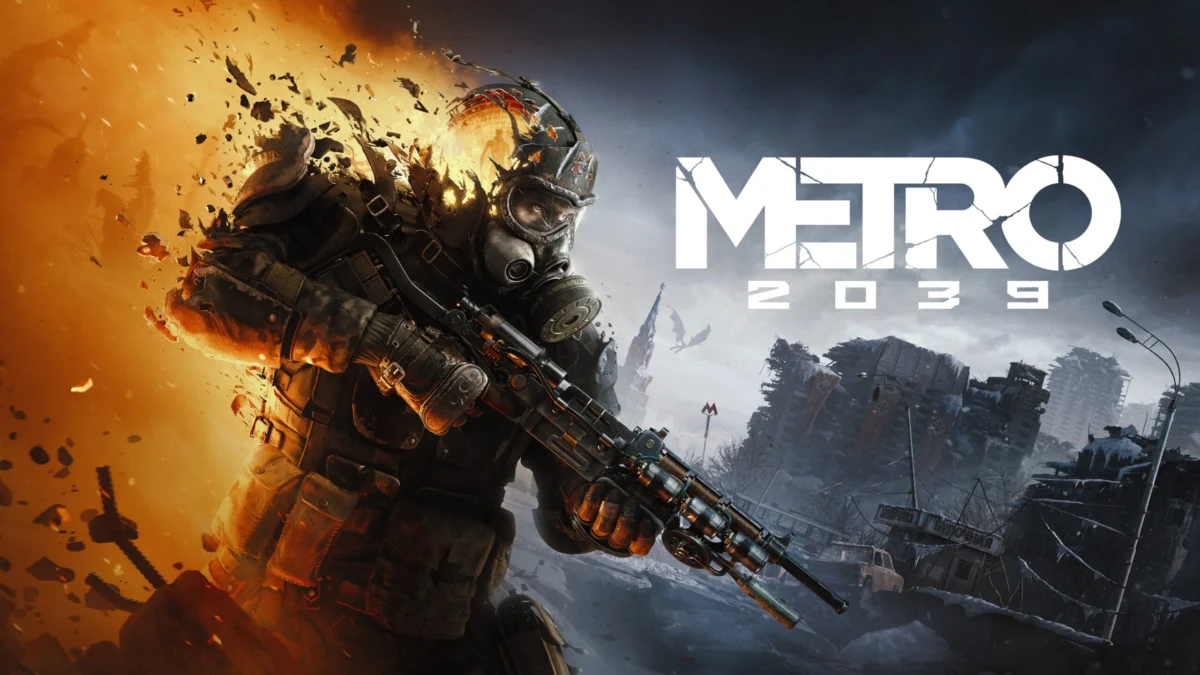
Main Facts
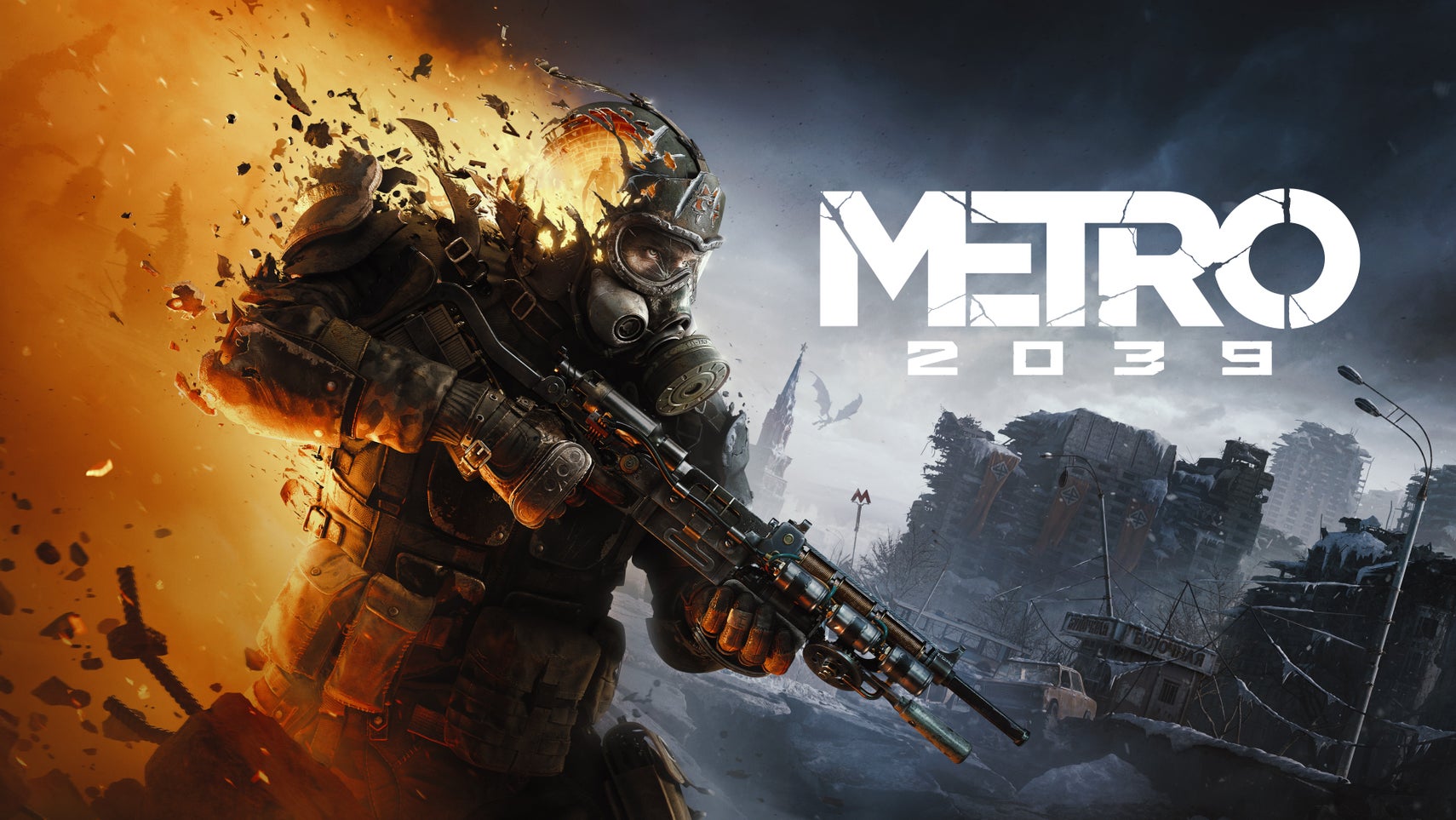
After a five-year hiatus, the critically acclaimed Metro series is officially set to plunge players back into the desolate, irradiated tunnels beneath Moscow with the announcement of Metro 2039. Developed by the resilient Ukrainian studio 4A Games, this highly anticipated installment marks a significant return to the series’ roots, shedding the semi-open-world exploration of its predecessor, Metro Exodus, in favor of the intense, claustrophobic linearity that defined the original games. Scheduled for release this winter on PC, Xbox Series X/S, and PlayStation 5, Metro 2039 promises a story-driven, single-player experience imbued with heightened psychological horror, a fully voiced protagonist for the first time in the franchise, and a narrative deeply informed by the developer’s own harrowing experiences amidst global crises. At its heart, the game confronts the enduring specter of fascism, as the new antagonist, the "Novoreich," rises to power, proving that even in the darkest corners of a post-apocalyptic world, insidious ideologies, as the developers poignantly note, "never died."
Chronology: From Open World to Confined Horror – A Series’ Evolution
The journey of the Metro series has been one of constant evolution, mirroring the desperate struggle for survival within its fictional world. Born from Dmitry Glukhovsky’s haunting novels, the games began with Metro 2033 (2010) and Metro: Last Light (2013), both celebrated for their immersive atmosphere, tight gunplay, and chilling depiction of humanity clinging to existence in the irradiated subway system. These titles established a formula of linear, narrative-focused survival horror, where every bullet counted, and every shadow held a potential threat.
In 2019, 4A Games dared to expand its horizons with Metro Exodus. This ambitious sequel took protagonist Artyom and his Spartan Order comrades out of the underground, traversing a vast, ruined Russia aboard the Aurora locomotive. Exodus introduced semi-open-world environments, offering players a taste of exploration and a broader scope to the post-apocalyptic landscape. The game was widely praised for its stunning visuals, emotional storytelling, and the sheer audacity of its design shift, proving to be an outstanding success for the studio.
However, the world changed dramatically in the years following Exodus‘s release. 4A Games, with its majority Ukrainian team based in Kyiv and Malta, found itself on the front lines of two unprecedented global events. The 2020 COVID-19 pandemic forced a rapid adaptation to remote development, challenging established workflows and team cohesion. Then, in February 2022, Russia’s full-scale invasion of Ukraine plunged the studio into a profound crisis. Developers faced unimaginable personal hardships, including displacement, military service, and the constant threat of war.
It is against this backdrop of global upheaval and personal adversity that Metro 2039 has been meticulously crafted over several years. The decision to pivot back to the Moscow Metro’s confined spaces is not merely a nostalgic callback but a deliberate creative choice, shaped by the very real-world pressures and experiences of the development team. This return to linearity and claustrophobia, while seemingly a reversal of Exodus‘s progression, is intended to heighten the series’ signature psychological tension and focus on the intimate, human stories of survival and moral compromise. The game’s narrative, according to 4A Games, has fundamentally "changed in response" to these challenging events, promising a darker, more introspective, and profoundly impactful story.
Supporting Data: Narrative Depth, Ideological Conflict, and Technical Prowess
Metro 2039 is poised to deepen the franchise’s exploration of human nature under duress, leveraging several key design choices and technical advancements.
A Fully Voiced Protagonist and Enhanced Psychological Horror: For the first time in the series, players will experience the narrative through the voice of their protagonist. This departure from Artyom’s silent observer role in previous games is expected to foster a more immediate and personal connection to the character’s internal struggles and external challenges. The psychological horror, a hallmark of the Metro universe, will be amplified. Instead of relying solely on grotesque mutants or jump scares, 2039 aims to derive its terror from the very real and enduring psychological scars inflicted by the apocalypse on the Metro’s inhabitants. This includes the trauma of constant danger, resource scarcity, the loss of civilization, and the moral compromises forced upon survivors, creating an atmosphere of pervasive unease and dread. The confined spaces of the Moscow Metro, stripped of the comparative openness of Exodus, will serve as a pressure cooker, intensifying these internal and external conflicts.
Choice and Consequence: A foundational element of the Metro games has always been the player’s agency, influencing the narrative through moral decisions. Metro 2039 promises to elevate this aspect, with a "bigger emphasis on choice and consequence." This suggests that player actions, both overt and subtle, will have more far-reaching and tangible impacts on the story, character relationships, and potentially even the ultimate fate of the Metro factions. This mechanic is crucial for a game exploring the "compromised morality of a post-war society," forcing players to grapple with difficult ethical dilemmas in a world devoid of easy answers.
The Rise of the Novoreich: The central antagonist of Metro 2039 is the chillingly named "Novoreich," a new authoritarian regime that has ostensibly united the disparate and often warring factions of the Metro under a single, iron banner. Led by a former Spartan—a detail that hints at a complex backstory and potential betrayal—the Novoreich presents itself as the sole path to salvation in a broken world. However, its very name, which clearly evokes the Nazi regime’s "Third Reich," coupled with the developer’s stark statement that "Nazi ideology never died" in the tunnels, underscores the insidious nature of this new power. The Novoreich’s rise signifies a terrifying regression, where the promise of order and security comes at the cost of individual liberty and the embrace of a totalitarian, potentially genocidal, ideology. This antagonist is not just a military threat but an ideological one, forcing players to confront the re-emergence of historical evils in a desperate future.
The Evolved 4A Engine: 4A Games’ commitment to its proprietary "4A Engine" remains unwavering, even as many AAA studios opt for third-party solutions. For Metro 2039, the engine has undergone a "major upgrade," with ray tracing now integrated as a "core component of the rendering pipeline." This signifies a deep, foundational overhaul rather than a superficial add-on, promising a new level of visual fidelity, particularly in terms of lighting, reflections, and shadows—elements critical for building the atmospheric tension of the Metro. The developers emphasize that this rebuilt technology is optimized "to run better on modern hardware," indicating a focus on performance alongside graphical innovation. Despite the limited gameplay revealed in the initial trailer, 4A Games has stressed their continued dedication to crafting "cluttered, believable and lived-in environments." This attention to detail is paramount in a game where the environment itself is a character, telling stories through its decay, its makeshift settlements, and the remnants of a lost world.
Official Responses: A Narrative Forged in Adversity
The development of Metro 2039 has been an extraordinary testament to the resilience and unwavering vision of 4A Games. The studio’s official communications reveal a deep intertwining of their real-world struggles with the game’s evolving narrative. The developers have explicitly stated that the game’s "darker story has changed in response" to the twin traumas of the 2020 Covid pandemic and, more significantly, Russia’s 2022 invasion of Ukraine.
As a Ukrainian-majority studio, with teams operating under the shadow of war in Kyiv and from their second base in Malta, 4A Games possesses a unique and profoundly personal perspective on conflict, displacement, and the psychological toll of societal collapse. This lived experience is not merely influencing the game’s tone but is being "molded into the narrative," as the team seeks to authentically represent "the toll the events of the last several years has taken on members of the team, their families and communities." This commitment to infusing the game with such raw, contemporary relevance suggests a narrative that will resonate with an unprecedented level of authenticity and emotional weight.
Crucially, the acclaimed Russian author Dmitry Glukhovsky, creator of the Metro novels that inspired the games, has returned to co-write the narrative. Glukhovsky’s profound understanding of the post-apocalyptic Russian landscape, his keen eye for social commentary, and his exploration of complex moral ambiguities have been central to the series’ success. His collaboration with 4A Games, particularly given the current geopolitical climate, is significant. It underscores a shared commitment to crafting a story that transcends national boundaries, focusing instead on universal themes of humanity’s struggle against itself and its environment. Together, they aim to deliver a story that delves into the "compromised morality of a post-war society," a theme that has taken on new, urgent meaning for the developers.
The official reveal trailer, while offering only a "brief first-look with a mix of gameplay and cinematics," served to establish the game’s tone and confirm its return to the underground. The emphasis on "cluttered, believable and lived-in environments" further reinforces 4A Games’ dedication to crafting immersive worlds, a core strength of the studio that they are now pushing with an upgraded engine and a narrative sharpened by real-world adversity.
Implications: A Redefined Legacy and a Powerful Statement
The announcement of Metro 2039 carries profound implications, not only for the future of the beloved franchise but also for the broader landscape of video game development and its capacity for socio-political commentary.
For the Metro series, 2039 represents a deliberate re-centering. By returning to the Moscow Metro and embracing a linear, story-driven approach, 4A Games is acknowledging the strengths that defined its early success while simultaneously injecting fresh urgency into the formula. This pivot suggests a desire to double down on the intense atmosphere, character-driven narrative, and moral dilemmas that resonate deeply with players, rather than chasing the trend of ever-larger open worlds. The fully voiced protagonist and heightened psychological horror indicate a mature evolution of its storytelling capabilities, promising a more intimate and harrowing journey than ever before. This could redefine what players expect from post-apocalyptic narratives, moving beyond mere survival to a deeper psychological and ethical examination.

Beyond the game itself, Metro 2039 stands as a powerful testament to the resilience and artistic integrity of 4A Games. Developing a major AAA title under the duress of war is an extraordinary feat. The explicit integration of the Ukrainian team’s experiences into the narrative transforms the game from mere entertainment into a poignant artistic statement. It provides a unique lens through which players can engage with themes of conflict, displacement, and the enduring human spirit, offering a perspective that is both deeply personal and universally resonant. This approach elevates Metro 2039 beyond a typical video game, positioning it as a cultural artifact that reflects the tumultuous times in which it was created.
The introduction of the Novoreich, with its thinly veiled fascist ideology, serves as a stark warning and a timely commentary. In a world increasingly grappling with the resurgence of authoritarianism and extremist narratives, the game’s decision to directly address the enduring nature of "Nazi ideology" within its fictional framework is bold and highly relevant. It forces players to confront how desperate circumstances can give rise to dangerous leaders and ideologies, making the game’s themes of choice and consequence particularly potent. This narrative direction could spark important discussions among players about historical parallels and contemporary political landscapes.
Technologically, the commitment to the in-house 4A Engine and the deep integration of ray tracing signal 4A Games’ dedication to pushing visual boundaries while maintaining creative control. In an industry increasingly dominated by a few standard engines, their independent approach is a commendable endeavor, promising a distinct visual style and performance optimized specifically for their vision.
As Metro 2039 gears up for its winter release on PC, Xbox Series X/S, and PlayStation 5, it carries the weight of high expectations and profound significance. It is more than just a sequel; it is a narrative shaped by adversity, a technical showcase forged through resilience, and a powerful commentary on the enduring darkness and faint glimmers of hope in the human spirit. For fans of the series and newcomers alike, Metro 2039 promises to be a deeply immersive, unsettling, and ultimately unforgettable return to the suffocating embrace of the Moscow Metro.


 Lina Irawan
 Sagoh
Sagoh