Sagoh
Sagoh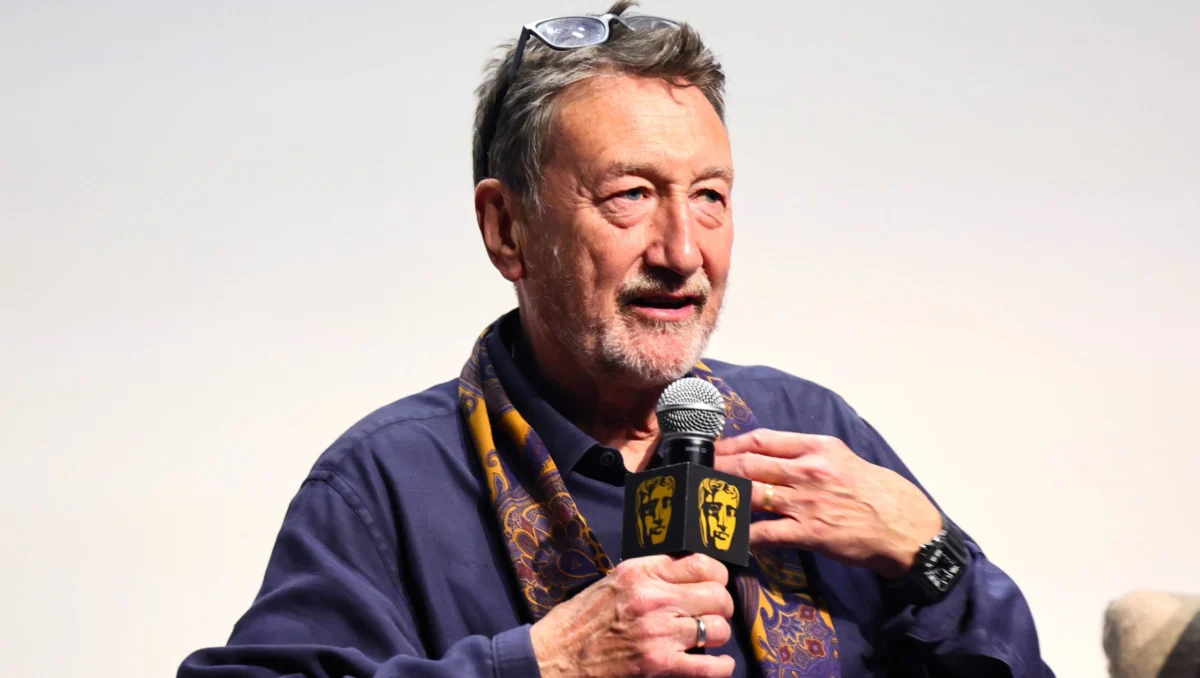
Introduction: A Call for Sustainable Ecosystems
In a landscape defined by rapid globalization and the dominance of multinational digital platforms, the British television and film industry stands at a critical juncture. Steven Knight, the visionary creator behind the global phenomenon Peaky Blinders and the screenwriter tasked with penning the next installment of the James Bond franchise, has stepped into the center of a brewing policy debate.
During a high-stakes testimony before the UK Parliament’s Culture, Media and Sport Committee (CMSC), Knight addressed the growing disparity between the massive production presence of international streamers in the UK and the dwindling financial support for the domestic creative talent pipeline. While avoiding the contentious term "streamer levy"—a phrase that has polarized industry leaders and government officials alike—Knight proposed a collaborative, incentive-based model that would encourage platforms like Netflix, Amazon, and Disney+ to invest directly in the future generations of British writers, directors, and craftspeople.
Chronology of a Policy Struggle
The conversation surrounding a potential "streamer levy" is not new, but it has gained significant momentum over the past eighteen months.
- Early 2024: Wolf Hall director Peter Kosminsky brought the concept to the forefront of the public consciousness. Amid a deepening funding crisis for British drama, Kosminsky argued that global platforms reaping the benefits of the UK’s skilled workforce should contribute back to the pool of training and development.
- Late 2024: The Culture, Media and Sport Committee began formal inquiries into the sustainability of the UK’s creative sector, specifically focusing on the role of the BBC and the impact of the streamer-led production boom.
- April 2025: The CMSC officially recommended that the UK government implement a 5% streamer levy. The committee went a step further, asserting that if the industry failed to introduce a voluntary scheme within 12 months, the government should move to enshrine the levy into law.
- Present Day: Steven Knight’s recent testimony provides a nuanced middle ground, shifting the conversation away from "compulsion" and toward "corporate responsibility and strategic partnership."
The "Peaky Blinders" Case Study
To understand the urgency of Knight’s plea, one must look at his own professional trajectory. Knight candidly told the committee that Peaky Blinders, the gritty Birmingham-set saga that became a global cultural touchstone, would likely never have been greenlit by a profit-driven streamer in 2013.
"It’s the BBC that tends to take a chance on things like that," Knight noted. The public broadcaster provided the creative incubation that allowed the show to flourish. However, Knight’s testimony also highlighted the harsh economic reality facing the industry today: budgetary constraints at the BBC have become so restrictive that even the franchise’s cinematic conclusion, Peaky Blinders: The Immortal Man, was ultimately produced in partnership with Netflix.
This transition underscores a broader trend: the UK remains the premier "factory" for high-end production, but the traditional institutions that foster the talent required to run that factory are being squeezed by austerity and inflation.
Supporting Data: Why the UK Ecosystem is Unique
The UK’s attractiveness to international streamers—often referred to as "the streamer gold rush"—is not accidental. It is built upon decades of investment in drama schools, craft training, tax incentives, and the distinct creative risk-taking fostered by the BBC and Channel 4.
Current industry data indicates that:
- Talent Migration: A significant portion of the UK’s top-tier technical and creative talent is currently engaged in streamer-led productions.
- Training Deficit: While streamers invest heavily in the production of content, they historically invest less in the foundational training of the next generation of gaffers, editors, and writers compared to the historical contributions of the public service broadcasters (PSBs).
- Economic Impact: The creative industries contribute over £100 billion to the UK economy. However, if the "nursery" for that talent—the local independent sector—collapses due to lack of funding, the long-term viability of the UK as a production hub is at risk.
Knight’s Proposal: Beyond the "Levy"
Knight’s contribution to the debate is characterized by a desire to avoid adversarial politics. He recognizes that if a levy is perceived as a "punishment" or a deterrent to production, the streamers will simply move their operations to more cost-effective jurisdictions.
"The word ‘levy’ suggests compulsion," Knight argued before the committee. "Isn’t there a way that we can make it apparent that this is a good idea for everybody concerned?"
Knight’s vision involves a "streamer-branded" investment initiative. He suggests that platforms could receive public acknowledgment or branding rights for programs that support apprenticeships or training hubs. By reframing the financial contribution as a "sustainable partnership" rather than a tax, Knight hopes to engage streamers as stakeholders in the UK’s creative future. "I think the streamers are sensible people," he concluded. "There might be an argument to be made to already empathetic streamers that this country is so great for you because of the training that’s done."
Official Responses and Political Hurdles
The government’s response to these proposals has been lukewarm at best. While the CMSC has pushed for legislative action, British ministers have repeatedly expressed reluctance to impose new taxes on the creative sector.
Specifically, the government has ruled out a streamer levy as a mechanism to supplement the BBC’s license fee revenue, fearing that it would blur the lines between private enterprise and public service. Critics of the levy argue that it would lead to a reduction in the volume of content produced in the UK, effectively "killing the goose that lays the golden egg."
Industry analysts remain divided. Proponents of the levy argue that the status quo is unsustainable—if the BBC and local independent production companies lose their ability to foster new talent, the UK will eventually become nothing more than a service industry for foreign studios, losing its unique cultural voice in the process.
Implications for the Future of UK Media
The implications of Knight’s testimony and the broader debate extend far beyond the balance sheets of streaming platforms. At stake is the identity of British television.
- The Loss of "Risk": If the public service broadcasters are further diminished, the appetite for high-risk, high-reward creative projects—the kind that define national culture—may vanish.
- Corporate Stewardship: The debate forces a confrontation with the concept of "corporate social responsibility" in the digital age. If a platform profits from a country’s cultural infrastructure, does it owe a debt to the maintenance of that infrastructure?
- A New Hybrid Model: Knight’s proposal suggests a future where the line between public service and private capital is porous but regulated. If successful, this could lead to a model where international streamers and local broadcasters co-fund the training of the next generation, ensuring that the UK remains the "gold standard" for global storytelling.
Conclusion: A Delicate Balance
As the Culture, Media and Sport Committee continues its deliberations, the industry waits to see if the government will heed the advice of its creative leaders or continue its hands-off approach. Steven Knight’s intervention has provided a sophisticated, pragmatic path forward that respects both the economic power of the streamers and the cultural necessity of the British creative pipeline.
Whether this leads to a formal "streamer investment initiative" or remains a philosophical argument depends on whether the streamers themselves see the value in preserving the very soil that allows their content to thrive. For now, the debate remains a critical litmus test for the future of British media—a battle between short-term cost efficiency and the long-term preservation of a world-class creative ecosystem.

 Nana Wu
 Layla Zulfa