Azzam Bilal Chamdy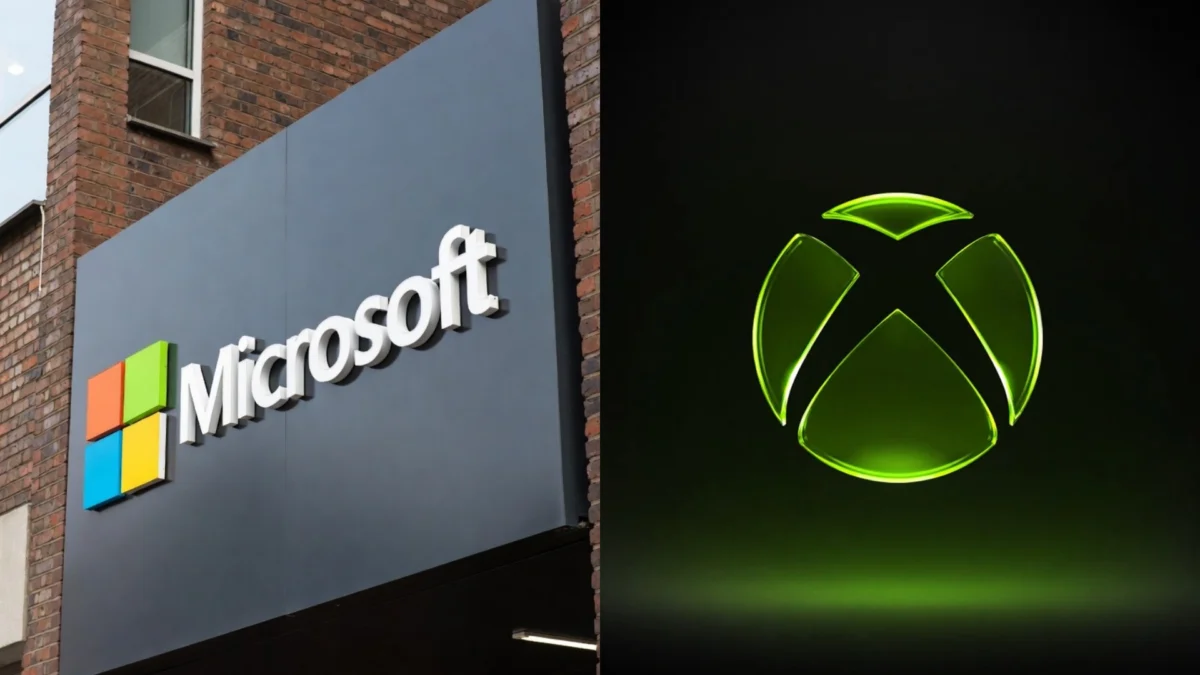
The landscape of digital retail is undergoing a seismic shift, and the latest evidence suggests that Microsoft is poised to fundamentally change how gamers acquire hardware and software. Recent findings unearthed within the backend code of the official Xbox website indicate that the tech giant is exploring the integration of "Buy Now, Pay Later" (BNPL) payment services directly into its digital storefront. This potential evolution, while not yet officially confirmed by Redmond, signals a strategic pivot toward lowering the barrier to entry for high-ticket gaming purchases.
The Discovery: What the Code Reveals
The discovery was first brought to light by eagle-eyed dataminers, who identified explicit references to major BNPL providers—specifically Klarna and PayPal’s "Pay in 4" service—buried within the source code of the Xbox ecosystem. These snippets of code suggest that the infrastructure for installment-based purchasing is currently being tested or prepared for a broader rollout.
If this feature moves from the backend to the public-facing store, the implications for the average consumer would be significant. Instead of requiring a lump-sum payment for a $499 console, a premium controller, or a high-priced digital bundle, users could theoretically divide these costs into smaller, interest-free, or low-interest installments. This model, which has become ubiquitous in fashion and general electronics retail, represents a departure from traditional one-time credit card transactions in the gaming space.
Chronology: From Xbox All Access to Universal Financing
To understand why Microsoft might be moving in this direction, one must look at the company’s history with hardware financing.
The Foundation: Xbox All Access
Microsoft’s foray into consumer financing began in earnest with the introduction of "Xbox All Access." Launched as a bundle, this service allowed users to obtain an Xbox Series X or Series S console alongside a 24-month subscription to Xbox Game Pass Ultimate for a flat monthly fee. It was, in essence, a subscription-based hardware model that stripped away the daunting upfront cost of entry.
The Evolution: Expansion of the Digital Wallet
Following the success of All Access, Microsoft spent years refining its digital store experience. By integrating various payment methods—including local currency, gift cards, and third-party gateways—the company has consistently sought to reduce friction at the checkout screen. The current discovery of BNPL code serves as the logical next chapter in this strategy: applying the flexibility of installment payments not just to hardware bundles, but to the entire breadth of the Microsoft Store, including individual game titles and digital services.
Supporting Data: The Rise of BNPL in the Digital Economy
The integration of BNPL services into the Xbox Store is not an isolated experiment; it reflects a broader global economic trend. According to financial industry analysts, the BNPL market has seen explosive growth over the last five years, driven largely by Gen Z and Millennial consumers who prefer transparent, fixed-installment plans over the often-opaque and high-interest structures of traditional credit cards.
Industry data suggests that:
- Conversion Rates: Retailers that implement BNPL options often see a 20% to 30% increase in average order value.
- Consumer Preference: A significant percentage of younger shoppers cite "flexible payment options" as a deciding factor when choosing between competing storefronts.
- Economic Climate: With the cost of living rising and the price of "AAA" game titles creeping toward the $70–$80 mark, consumers are increasingly seeking ways to manage their entertainment budgets without sacrificing access to new releases.
By adopting these tools, Microsoft is positioning itself to capture a segment of the market that may otherwise be deterred by the rising costs of modern gaming.
The Corporate Stance: Silence and Strategy
As of this writing, Microsoft has remained tight-lipped regarding the findings. Requests for comment sent to official Xbox representatives have yielded standard responses regarding the company’s "commitment to providing flexible options for gamers."

However, industry insiders note that the presence of code in a public-facing website environment is rarely an accident. Typically, such snippets are part of a "soft-launch" preparation or A/B testing phase. Microsoft is likely waiting for the optimal moment to announce the feature, perhaps coinciding with a major hardware revision or the launch of a high-profile, must-have title that would benefit from increased consumer purchasing power.
Implications: A Double-Edged Sword for the Gaming Community
The prospect of "Buy Now, Pay Later" in the Xbox ecosystem has sparked a polarized debate among gamers, financial analysts, and consumer advocates.
The Case for Financial Accessibility
Proponents of the move argue that this is a win for accessibility. Gaming is no longer a cheap hobby; between the console, the accessories, and the games, the total cost of ownership can run into the thousands. For students, families, or individuals on tight budgets, splitting a $70 game into four $17.50 payments makes a hobby more manageable. It allows users to budget their entertainment spending more effectively, turning a massive one-time expense into a predictable recurring cost.
The Risk of Micro-Debt
Conversely, critics warn of the "micro-debt" trap. The ease of selecting a "pay later" option can encourage impulsive buying, leading users to accrue debt for items that are ultimately luxury goods. There is particular concern regarding younger players—a demographic heavily represented in the Xbox user base—who may not have the financial literacy to understand the repercussions of missed payments or the cumulative impact of multiple, overlapping installment plans.
Financial wellness advocates argue that normalizing debt for digital entertainment could lead to a cycle of overspending, where players find themselves committed to monthly payments that outpace their actual disposable income.
The Future of the Gaming Retail Ecosystem
Looking ahead, if Microsoft successfully implements this system, it will likely create a ripple effect throughout the industry. Competitors such as Sony (PlayStation) and Nintendo will be forced to evaluate their own payment infrastructures. If the "Xbox Store" becomes the "most accessible store" due to flexible payment terms, rivals may feel immense pressure to follow suit, potentially standardizing installment payments across the entire gaming sector.
Furthermore, this move may fundamentally alter the way publishers view game pricing. If payment barriers are lowered, could we see a rise in more expensive "Deluxe" or "Collector’s" digital editions? If the barrier of entry (the price) is hidden behind a payment plan, companies might be emboldened to push higher price points for digital content, assuming that the consumer feels the "pain" of the purchase less when it is spread over several months.
Conclusion
The discovery of Klarna and PayPal integrations within the Xbox website code is more than just a minor technical leak; it is a signal of the changing nature of the digital economy. Microsoft is clearly looking to remove the final barriers to checkout, ensuring that when a player decides they want a product, the lack of immediate liquidity does not prevent the sale.
While this promises to increase accessibility for many, it also introduces a new layer of financial responsibility to the gaming experience. As the industry moves toward this "pay-over-time" model, the onus will fall on both the platform holders to provide clear, ethical payment terms and on the consumers to navigate this new landscape of digital credit with caution. Whether this proves to be a boon for the gaming community or a cautionary tale of consumer debt remains to be seen, but one thing is certain: the days of the simple, one-click, pay-in-full transaction are rapidly drawing to a close.


 Asro
Asro
 Muslim