Asep Darmawan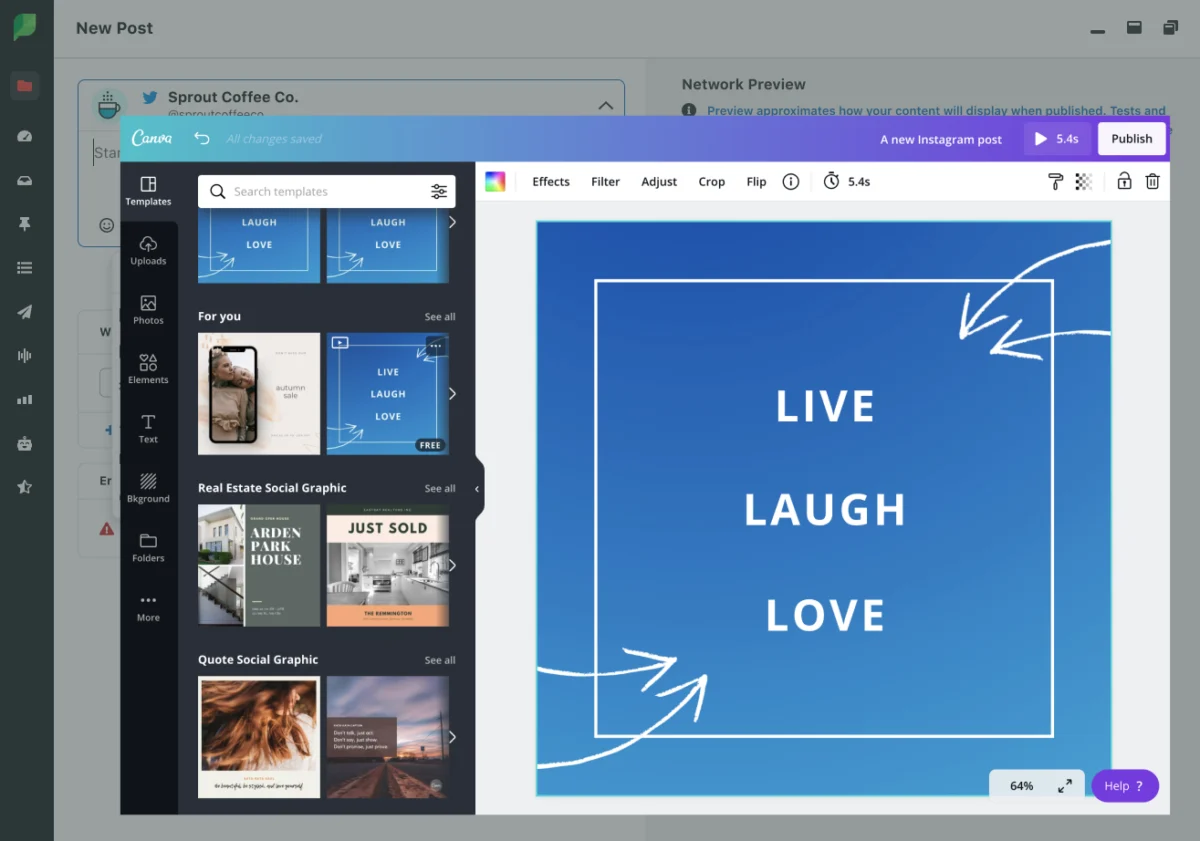
For many social media managers and marketing teams, the daily rhythm of work is dictated by the limitations of native platform tools. The workflow is familiar, free, and deceptively simple: open Instagram to post a Reel, hop over to LinkedIn to share an update, switch to X to track a thread, and toggle to Facebook to manage a community comment.
While this "native-only" approach is the standard starting point for many businesses, it often masks a hidden productivity tax. As teams scale, the manual labor of managing individual applications evolves from a minor inconvenience into a significant operational bottleneck. The "free" cost of these tools is ultimately paid in billable hours, fractured creative focus, and lost opportunities for high-level strategy.
The Cost of Complexity: The Reality of Modern Social Management
The modern social media landscape is defined by fragmentation. A single campaign—meant to deliver a cohesive message—is often chopped into disjointed tasks: manual uploads, repetitive caption typing, and platform-specific formatting. When it comes time to report, the process is often even more manual, requiring managers to screenshot analytics from five different dashboards and manually stitch them together into a slide deck just hours before a critical leadership meeting.
This operational friction is more than just a nuisance; it is a strategic liability. When a team spends 60% of their time on the logistics of publishing, they have 40% less time to devote to the creative work that actually drives growth.

The "Context Switching" Tax
The psychological impact of "context switching" is well-documented in productivity studies. Every time a marketer moves from the TikTok interface to the LinkedIn dashboard, they must reset their mental model. Each platform has unique nuances, interface quirks, and technical requirements. For a professional juggling six different profiles, the daily cycle of logins, two-factor authentication, and varying "publish" workflows creates a constant state of cognitive load. By the end of the day, the high-level work—content auditing, audience research, and campaign planning—is invariably pushed to the next day.
The Data Deficit
Perhaps the most damaging limitation of native-only strategies is the lack of a "big picture" view. Native platforms excel at providing data in a silo: they can tell you exactly how one post performed on their specific network. However, they are fundamentally incapable of speaking to one another.
To bridge this gap, teams often resort to the "manual spreadsheet" solution. They painstakingly copy data from each platform into a master document. This leads to the "two sources of truth" problem: when leadership asks for a quarterly growth metric, the manager must reconcile the spreadsheet data against the live platform data, leading to delays, confusion, and potential inaccuracies.
Introducing Sprout Social Essentials: A Unified Solution
Sprout Social Essentials was developed to solve this exact problem for small and growing teams. It serves as a unified workspace designed to centralize the social media lifecycle—from ideation and scheduling to publishing and reporting—without the prohibitive cost or complexity of an enterprise-level platform.
Streamlined Execution: The Power of One Calendar
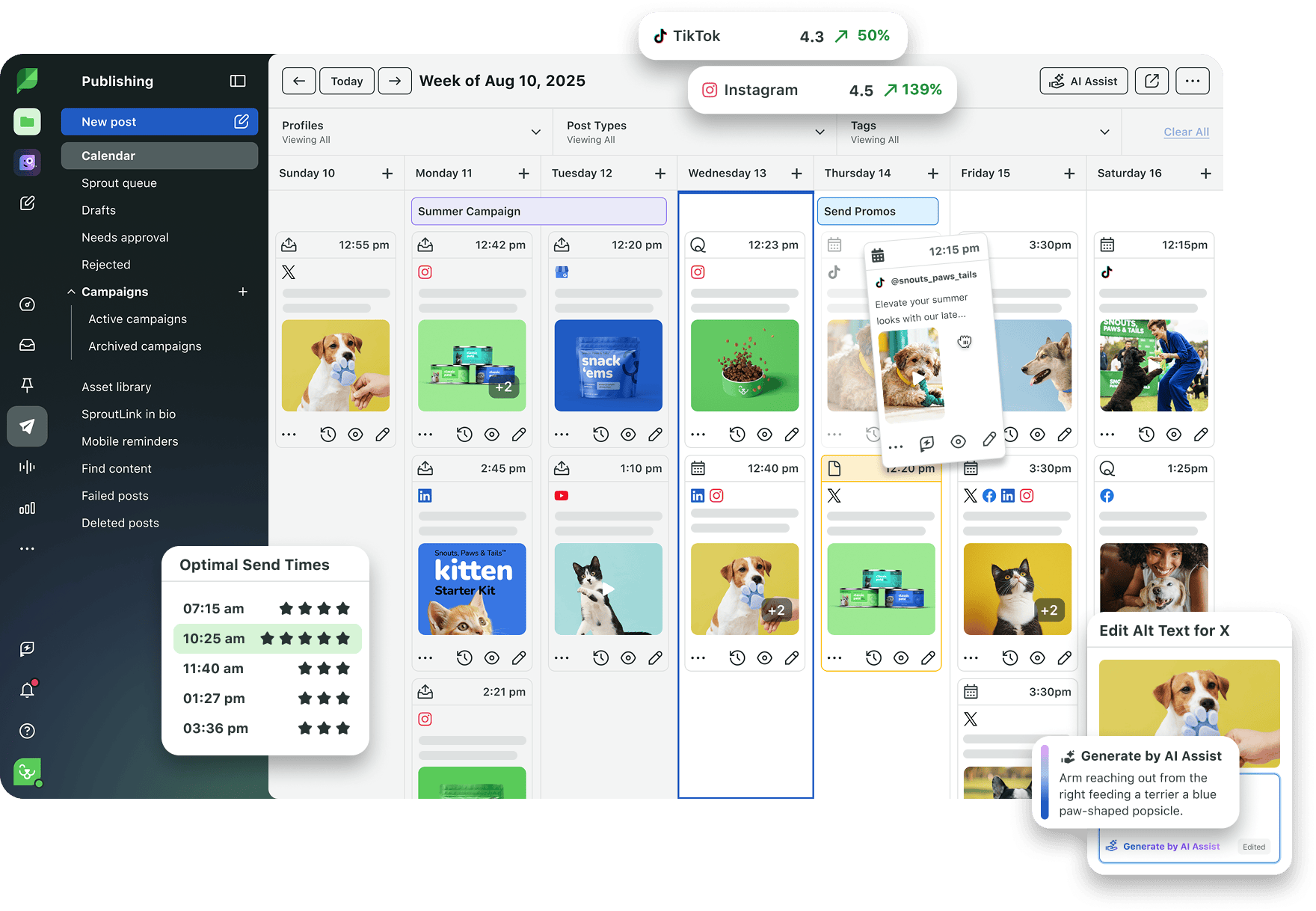
The core of Sprout Social Essentials is its centralized publishing suite. Instead of treating every platform as an island, users leverage a single "Compose" window. From here, a marketer can draft a core message and then customize the media and caption for each individual channel in one sitting.
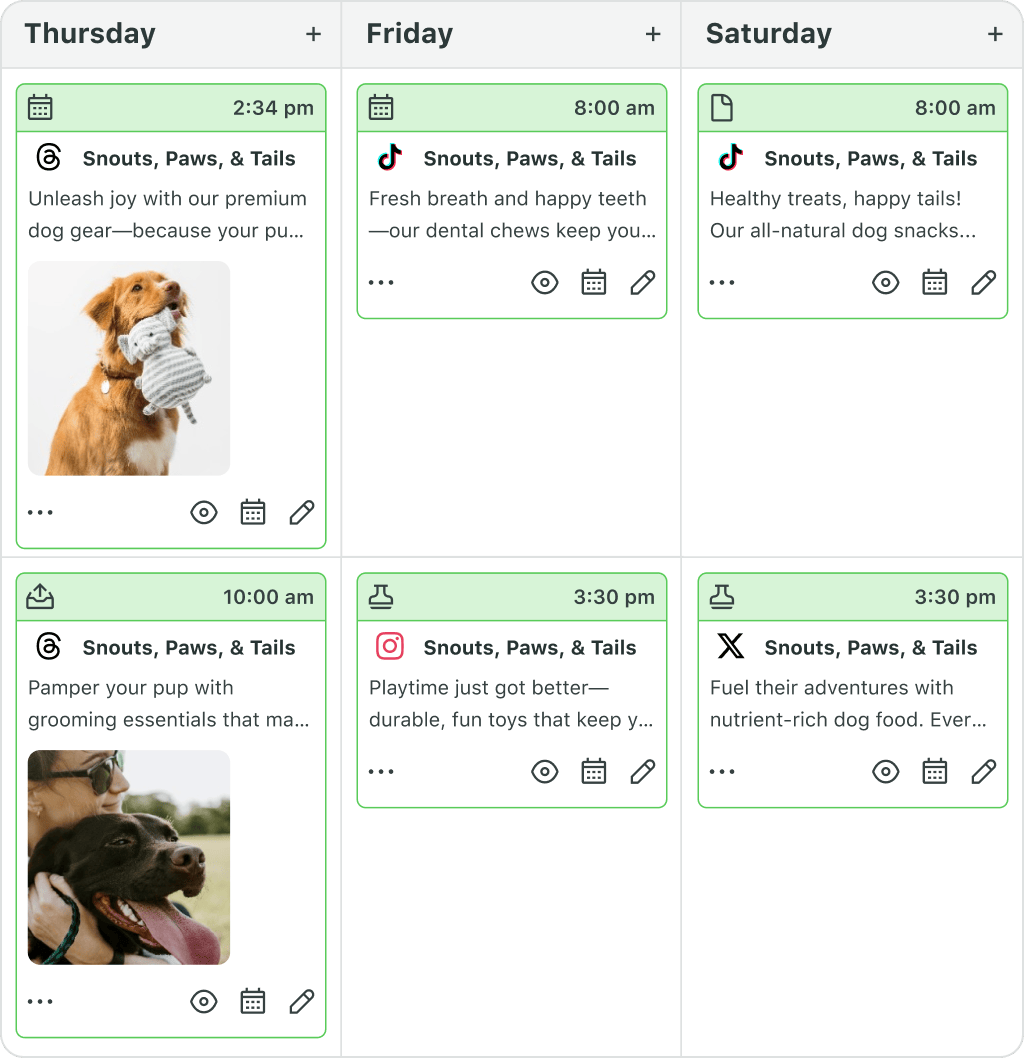
The visual calendar provides a bird’s-eye view of a brand’s digital presence. When you visualize a month of content in one place, you can instantly identify gaps, ensure brand consistency, and manage your cadence across all channels simultaneously.
Consider the scale: A brand posting 12 times a week across five networks generates roughly 3,000 posts annually. If moving to a unified platform saves just two minutes of administrative time per post, a team effectively reclaims over two full work weeks per year. That is 80 hours that can be redirected toward strategy and innovation.
Data-Driven Scheduling with ViralPost® AI
Native tools offer no guidance on timing; they leave the guesswork entirely to the user. Many marketers fall into the trap of following "general best practices" or simply copying their competitors.
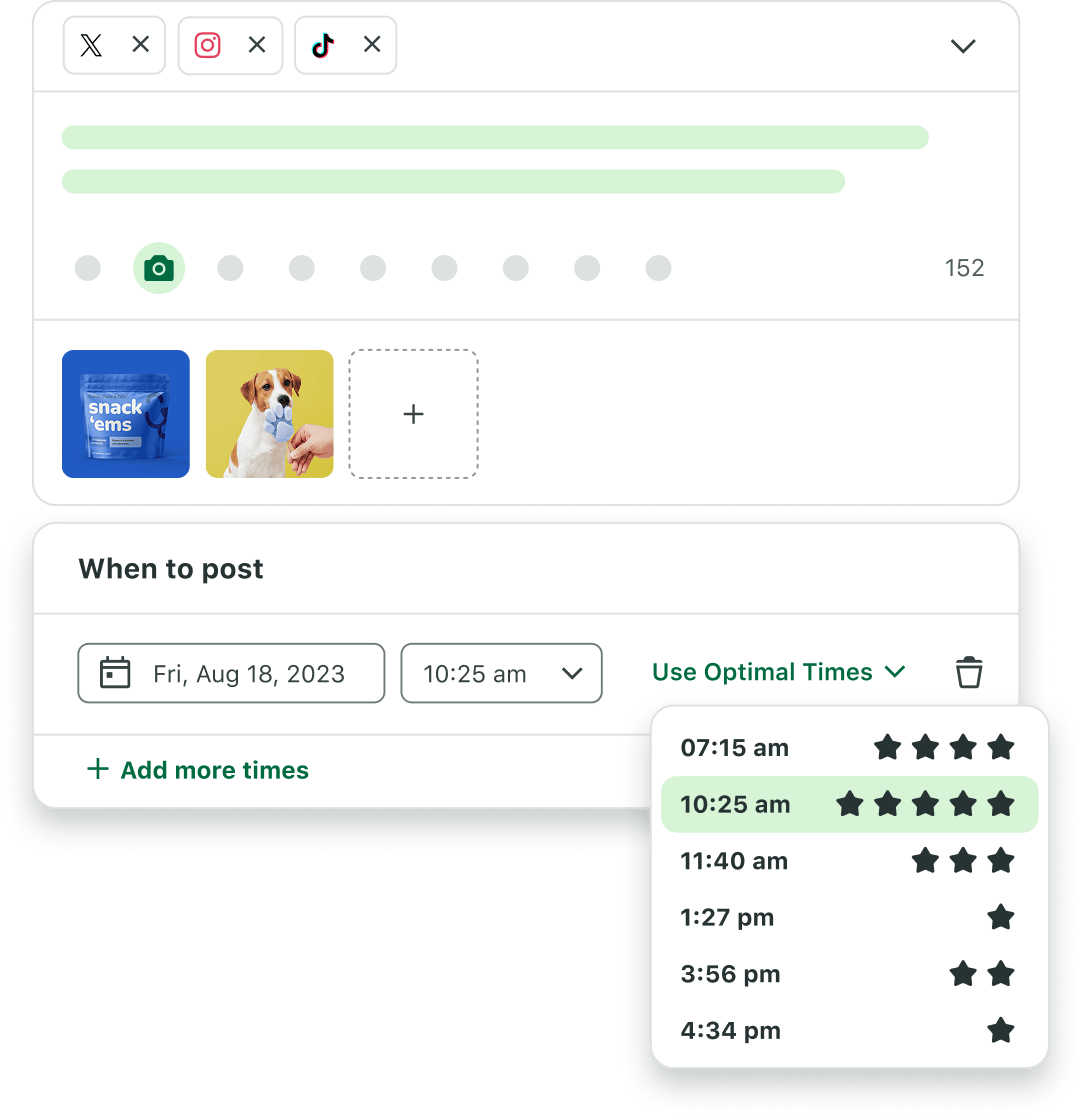
Sprout Social Essentials replaces guesswork with ViralPost® AI technology. This system analyzes a brand’s specific audience engagement patterns to suggest the optimal times for content distribution. By meeting the audience when they are most likely to interact, teams often see up to 60% more reach without having to create a single additional piece of content. This is the difference between "posting to hit a deadline" and "posting to maximize impact."
Moving Beyond Vanity Metrics: The New Reporting Standard
For many marketing teams, the reporting phase is the most stressful part of the month. Native tools provide basic data on likes and comments, but they fail to answer the questions that leadership actually cares about: What is the ROI? Which channel is driving the most website traffic? How does our social presence correlate with sales growth?
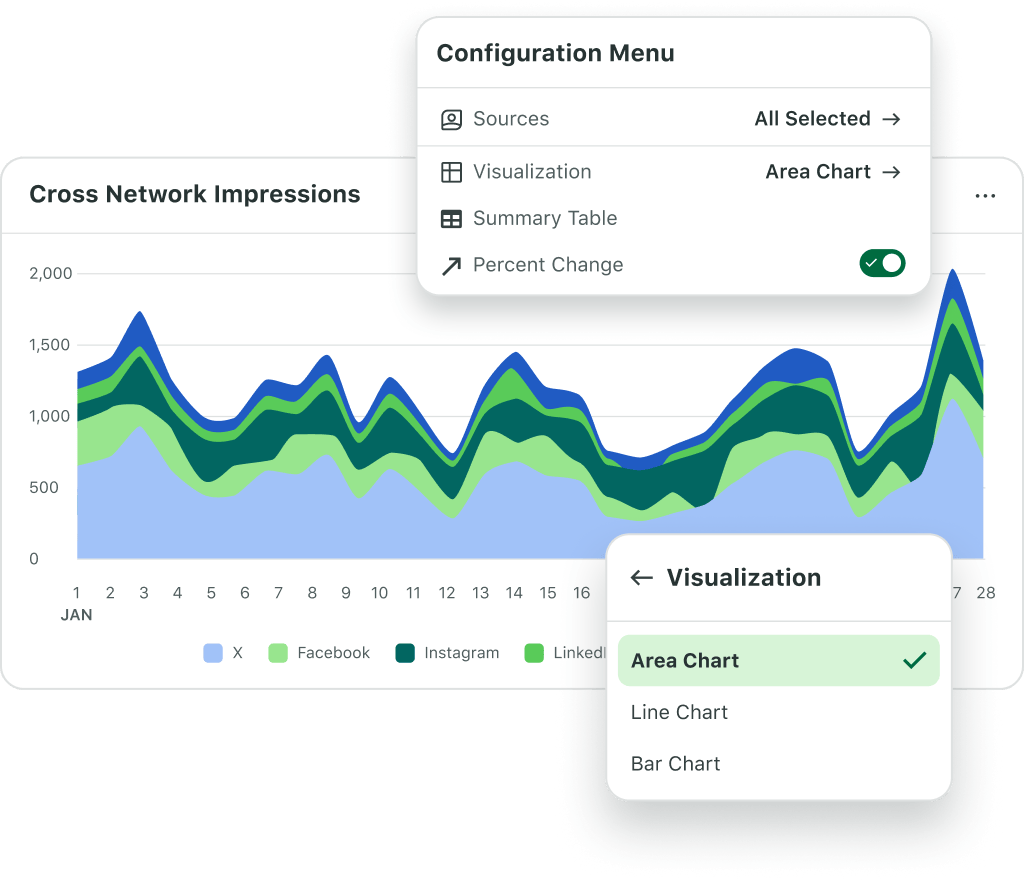
Sprout Social Essentials transforms these basic metrics into comprehensive, cross-platform reports. These reports are designed for clarity, allowing a marketing generalist to pull professional-grade insights in minutes. Because the platform aggregates data automatically, the "two versions of the truth" problem is eliminated. Whether it is comparing the success of Instagram Reels against TikTok videos or measuring cross-channel impression growth, the data is always current, accurate, and ready for presentation.
Integrated Creative Workflows: Breaking Down Silos
The quality of creative assets is the primary driver of social engagement. However, native tools are notoriously limited in this regard. Without an integrated workflow, a designer might spend hours editing a video for Instagram, only to realize it needs to be reformatted for Pinterest or LinkedIn, requiring a repetitive round of edits and re-uploads.
Essentials integrates with industry-standard creative tools like Canva, Google Drive, Dropbox, Adobe, and Bynder. This integration allows teams to pull assets directly into the Compose window, perform quick edits, and apply them across multiple platforms without ever leaving the Sprout environment. Furthermore, built-in AI-generated alt-text features ensure that accessibility—a critical component of modern digital branding—is never an afterthought.
Five Signs Your Team Has Outgrown Native Tools
Growth is often invisible until it reaches a breaking point. For social media teams, that breaking point is usually characterized by these five indicators:
- Administrative Overload: You are spending more time on the logistics of posting (copy-pasting, resizing, logging in) than on the creative strategy of the brand.
- The "Big Picture" Blind Spot: You cannot quickly answer high-level business questions, such as which channel is driving the highest conversion rates, without conducting a manual data audit.
- Reporting Bottlenecks: Preparing a monthly report takes hours or days rather than minutes.
- Brand Drift: Because posts are created in different silos by different people, the brand voice lacks the consistency required for long-term audience trust.
- Guesswork Scheduling: You are choosing post times based on gut instinct or outdated advice rather than data-backed audience behavior.
Implications for the Future of Social Media Teams
The transition from native tools to a unified platform like Sprout Social Essentials represents a shift in how marketing departments view their own value. In the past, social media was treated as a secondary task—a series of "posts" to be managed. Today, social media is a primary business channel.
For small businesses and growing teams, the decision to invest $79 per seat/month is not just a budget item; it is an investment in human capital. By automating the administrative "tax" of social media, organizations empower their teams to act as strategists rather than clerks.
The market leaders of the next decade will not be the ones who post the most content, but the ones who utilize their data to make smarter, more efficient decisions. With a 30-day free trial available, the barrier to entry for this transition has been lowered significantly, allowing teams to test the impact of a unified platform before committing to a change in their fundamental infrastructure.
In conclusion, if the current workflow is causing "tool fatigue" and preventing the team from achieving its potential, it is likely time to abandon the native-only approach. The goal is simple: spend less time on the machine and more time on the message.


 Ammar Sabilarrohman
 Siti Muinah