Ammar Sabilarrohman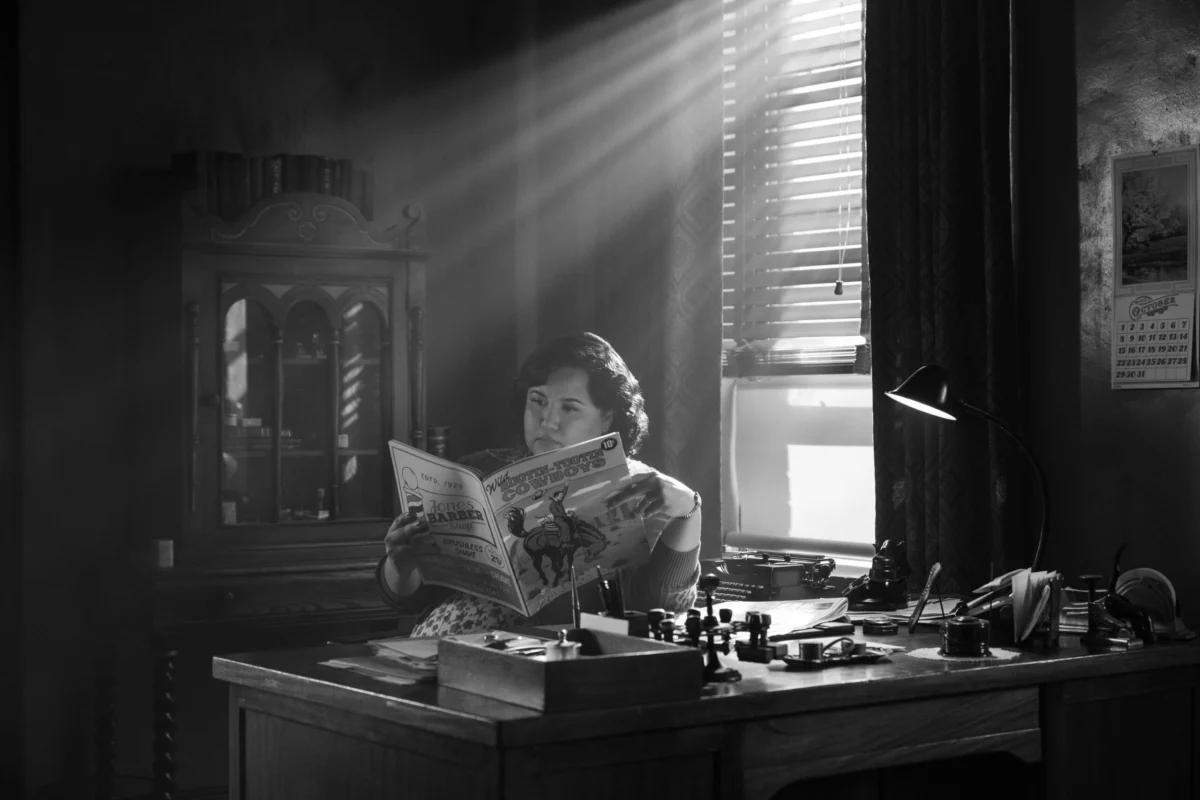
The modern television landscape is currently defined by a high-stakes convergence of genres, where the lines between superhero spectacles, gritty period dramas, and psychological thrillers are increasingly blurred. At the center of this creative evolution is Amazon Prime’s highly anticipated Spider-Noir, starring Nicolas Cage. As the series prepares to captivate audiences, the heavy lifting of establishing its unique identity has fallen to composers Kris Bowers and Michael Dean Parsons. Their work represents a broader shift in the television industry, where music is no longer merely a background element but a narrative engine that drives character development and atmospheric immersion.
During IndieWire’s recent Craft Roundtables, these composers, alongside a collection of the industry’s most respected musical architects, pulled back the curtain on the technical and artistic challenges of scoring the most talked-about television of the past year.
The Genesis of a Sonic Identity: The Spider-Noir Approach
Spider-Noir presents a singular challenge: it must balance the inherent fantasy of the Spider-Man mythos with the stylistic constraints of hardboiled detective fiction. For Kris Bowers and Michael Dean Parsons, the music had to serve two masters.
"The series is really calling for music that is engaged with the picture," Bowers explained during the roundtable. "It has not only thematic material but is also scored with the picture, advancing with the picture and arcing with the story."
This sentiment underscores a shift away from "wallpaper music"—the tendency to fill gaps with generic cues—toward a more surgical, bespoke approach. For Bowers and Parsons, the score is a living, breathing component of the show’s DNA.
From Jazz to Grunge: A Chronology of Sound Design
The journey to finding the sound of Spider-Noir was not linear. Initially, the creative team leaned heavily into the expectations of the noir genre. They researched the musical history of mid-20th-century New York, expecting to lean into the melancholic brass and rhythmic syncopation of early jazz.
However, the process took a dramatic turn when the show’s creative vision began to clash with conventional tropes. Michael Dean Parsons noted that the turning point occurred during a pivotal conversation with the showrunner.

"We thought, ‘Man, we’re going to have a lot of early jazz influence,’" Parsons recalled. "And it was very interesting because the showrunner said, ‘You know, for me, New York is punk ’90s guitar.’ That started to be like, ‘Wait, this is not just a noir homage kind of score.’"
This directive forced a total rethink of the sonic palette. The team moved away from the safety of period-accurate jazz and toward a more aggressive, textural, and experimental soundscape. They began "stretching" recordings and incorporating non-traditional foley elements—such as recording the sounds of street trash cans and the percussive clatter of bucket drummers—to build a percussive foundation that felt inherently tied to the gritty reality of the show’s setting. This transition from "homage" to "hybrid" is what ultimately defines the show’s unique sonic identity.
Supporting Data: A Roundtable of Industry Titans
The Spider-Noir team was joined by an elite cohort of composers, each responsible for shaping the sound of the most significant shows of the current streaming era. The presence of these individuals highlights the immense pressure and collaborative energy behind modern television production.
The roundtable included:
- Jeff Russo (Alien: Earth): Discussing the challenge of balancing extraterrestrial horror with the grounded stakes of a terrestrial setting.
- Brenton Vivian (The Madison): Navigating the emotional complexities of a series led by heavyweights like Michelle Pfeiffer and Kurt Russell.
- Mac Quayle (Monster: The Ed Gein Story): Addressing the dark, psychological demands of true-crime dramatization.
- Amanda Jones (Murderbot): Exploring the robotic, internal voice of a protagonist navigating a human world.
- John Paesano (The Boroughs): Breaking down the sonic world-building required for his latest genre-bending project.
These composers all shared a common thread: the move toward "hyper-specificity." Whether it is the metallic, cold tones of a cybernetic narrative or the warm, grounded folk-influence of a character-driven drama like The Madison, the trend is toward music that feels as tangible as the costumes or the production design.
Official Responses and Creative Philosophy
The consensus among these composers is that the role of the television score has fundamentally changed in the age of prestige streaming. In previous decades, television music was often composed in broad strokes to accommodate the constraints of commercial breaks and lower budgets. Today, the "binge-watch" model allows for long-form narrative arcs where themes can evolve over ten or more hours.
As Bowers and Parsons emphasized, the score must now "arc with the story." This implies a level of intimacy between the composer and the editor. They are no longer just delivering a library of themes; they are working in the edit suite to ensure that the music breathes alongside the performances.

"We’re going to take recordings and turn that into percussion and make it into this thing that’s not just a homage but all these different influences coming together," Parsons said. This philosophy of "deconstruction"—taking real-world sounds and manipulating them into a musical language—is becoming the hallmark of the modern composer.
Implications for the Future of TV Scoring
The implications of this shift are significant for both the industry and the audience.
For the industry: The increased demand for bespoke, highly experimental scores means that the barrier to entry for composers is higher. It is no longer enough to be proficient in orchestration; one must be a sound designer, a field recordist, and an experimentalist. The "trash can" percussion technique mentioned by Parsons is a prime example of how production budgets are being funneled into creative R&D rather than just studio time.
For the audience: Viewers are becoming more musically literate. As shows like Spider-Noir and Murderbot push the boundaries of what a "score" sounds like, the audience is developing an appetite for auditory complexity. The "soundtrack" of a series is increasingly becoming a destination for fans to explore after the episode ends, mirroring the popularity of film scores.
The Craft of the "New" Noir
As we look toward the release of Spider-Noir, the music promises to be a character in its own right. By rejecting the easy path of a "jazz-noir" cliché, the production has opened the door to something far more visceral.
The process described by Bowers and Parsons serves as a masterclass in modern creative collaboration. It is a reminder that the best art often emerges when a team is forced to abandon their initial, safe assumptions in favor of a more authentic, messy, and creative truth. When the show hits the screen, the audience won’t just be watching a detective story; they will be hearing the heartbeat of a city that sounds like a collision between the past and a raw, percussive future.
The full conversation regarding these creative processes, the technical hurdles of modern television scoring, and the future of the medium is available for viewing in the IndieWire Craft Roundtables series, now streaming on the PBS App and through official IndieWire channels.

 Asro
Asro
 Basiran