Lina Hope
The landscape of indie RPG development has been irrevocably altered by the work of Gareth Damian Martin, the solo visionary behind the studio Jump Over The Age. Having garnered critical acclaim for their existential sci-fi duology, Citizen Sleeper, Martin’s latest project promises to pivot from the cold vacuum of space to the damp, claustrophobic underbelly of an alternate-history industrial nightmare. During the PC Gaming Show 2026, the world was given its first glimpse at Signet City, a title that introduces a genre the developer calls "fungalpunk."
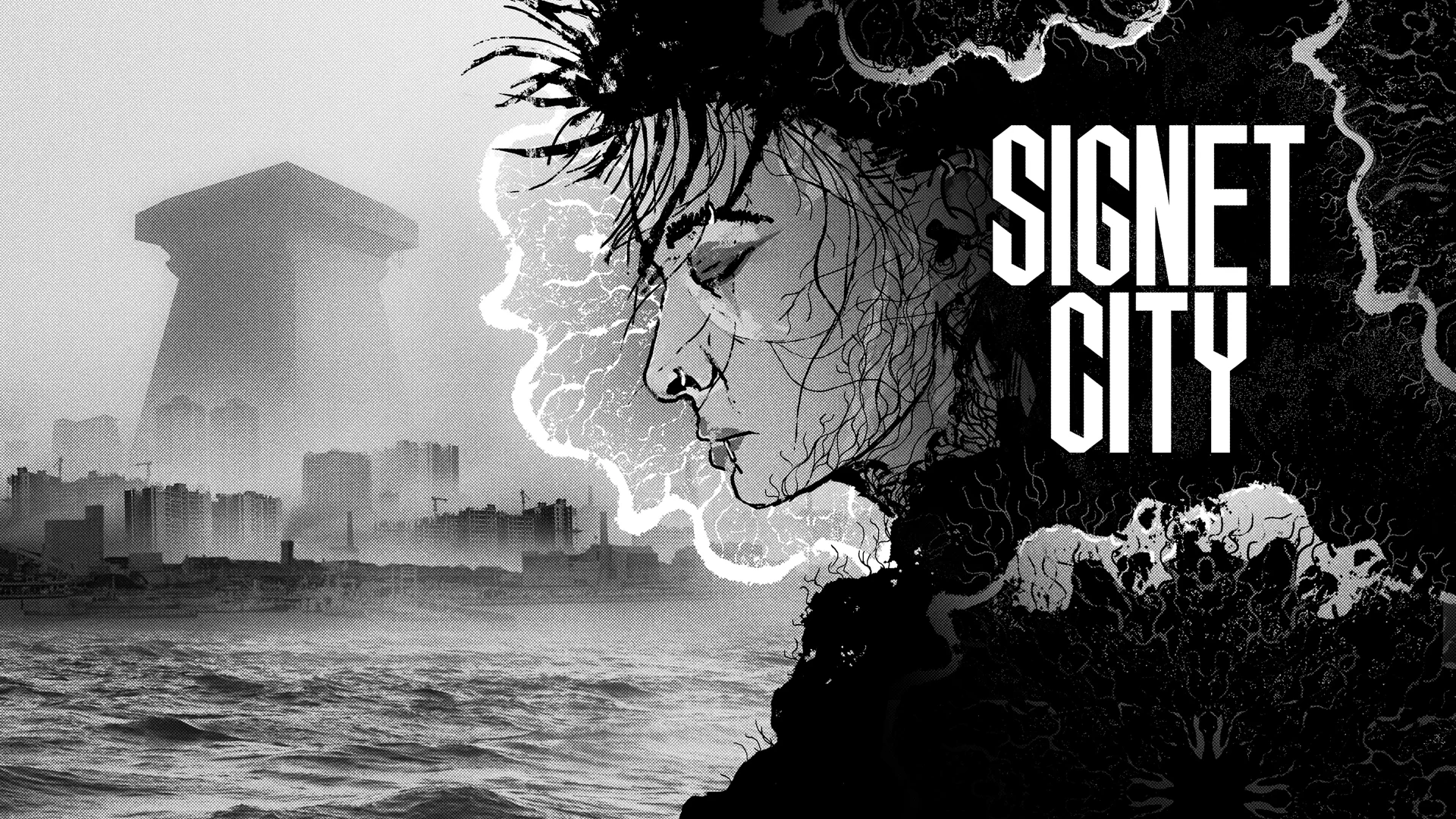
Set against a stark, monochrome aesthetic that evokes the raw grit of 1980s Northern England, Signet City is an ambitious narrative RPG that positions the player not as a hero, but as a biological interloper—a sentient fungal parasite weaving its way into the very fabric of a crumbling coastal metropolis.
The Core Premise: A Parasitic Perspective
At the heart of Signet City lies a radical departure from traditional player-character dynamics. Instead of controlling a singular protagonist, the player assumes the role of an unnamed, sentient fungal organism. The gameplay loop centers on a first-person perspective, where the player "infects" various hosts within the city.
As this parasite, your goal is not merely to survive, but to influence the thoughts, emotions, and decisions of those you inhabit. The game utilizes sophisticated tabletop-inspired mechanics where the host’s psychological state acts as a variable in the game’s resolution system. By manipulating a host’s emotional trajectory, players can fundamentally alter the city’s political landscape, historical path, and social structure.
The city itself is a character in its own right—a place where fungal systems have evolved to dictate philosophy, governance, and technology. It acts as a distorted mirror of our own reality, reflecting contemporary anxieties surrounding labor rights, the concentration of power, and the looming threat of ecological collapse.
Chronology of the Reveal
The announcement of Signet City was one of the most anticipated segments of the PC Gaming Show 2026. The reveal was carefully orchestrated to set a tone of unease and intrigue.
- The Announcement (PC Gaming Show 2026): The game was formally unveiled via a haunting trailer. The visual language was immediately striking, characterized by high-contrast monochrome cinematography and hand-drawn aesthetics that evoke the feel of manga screentones and mid-century pen-and-ink illustrations.
- The Audio Landscape: The trailer featured the track "Abandon" by the Irish punk band SPRINTS. According to publisher Fellow Traveler, this was an intentional creative choice. The raw, unfiltered energy of the track is intended to reflect the "underground culture" that serves as the spiritual bedrock for the game’s setting.
- Ongoing Development: While no firm release date has been provided, the game is currently confirmed for release on PC via Steam. The development process, led by Martin, emphasizes a "handcrafted" approach to world-building, focusing on quality over rapid-fire content cycles.
A Dark Dream of the 1980s
To understand Signet City, one must look at the aesthetic and historical influences Gareth Damian Martin has cited. The game is heavily inspired by the turbulent socio-political landscape of the 1980s in the United Kingdom. This was an era defined by industrial decline, Thatcherite politics, and the rise of post-punk as a vehicle for youth disillusionment.
By transplanting these historical anxieties into a "fungalpunk" setting, Signet City reimagines these struggles through a surreal, biological lens. The "drowned" aesthetic—heavy on ink and grain—suggests a city that is literally and metaphorically sinking. The imagery of mushrooms mutating across urban landscapes serves as a metaphor for the way organic life reclaims the structures of a failing civilization. It is a visual manifesto of decay, where the rigid geometry of brutalist architecture clashes with the fluid, invasive growth of fungal networks.

Technical Mechanics and Design Philosophy
Jump Over The Age has built a reputation for deep, choice-driven narrative systems. Signet City appears to refine the lessons learned from Citizen Sleeper.
Tabletop Integration
The game’s mechanics lean heavily into the "dice-roll" philosophy of tabletop RPGs, but with a thematic twist. Because the player acts as a parasite influencing a host, the "dice" in this scenario are likely tied to the host’s internal fortitude and emotional state. Success or failure in a narrative encounter is not just about luck; it is about how effectively the player can nudge the host toward a desired outcome without destroying their psyche.
The "Fungal" Narrative Structure
The narrative is described as being "seeded with stories." This suggests a non-linear approach to world-building where the player’s actions have cascading effects across the city’s districts. As the parasite, you are not just watching the story; you are the catalyst for the city’s transformation. The interplay between "governmental overreach" and the encroaching mycelium suggests a conflict between human-made systems of control and the chaotic, pervasive nature of the parasite.
Official Commentary and Publisher Insight
Publisher Fellow Traveler has been vocal about the game’s cultural significance. In a press release following the announcement, they highlighted the game’s unique position in the current RPG market:

"Signet City is more than a game; it is an adjacent vision of our world. It mirrors and distorts the familiar struggles of labor, power, and ecological crisis. Through the lens of the fungal, we invite players to explore how a society might fracture and rebuild when the very ground they stand on begins to think and feel."
The collaboration between Martin and Fellow Traveler continues to be a highlight for indie gaming. Having successfully managed the Citizen Sleeper franchise, the publisher is uniquely positioned to support the experimental nature of Signet City.
The Implications: Why It Matters
Signet City is significant for several reasons. First, it marks the maturation of the "fungalpunk" aesthetic. While cyberpunk has dominated the dystopian genre for decades, fungalpunk introduces a more visceral, biological, and deeply disturbing layer to the "high tech, low life" trope. It forces players to confront the limitations of human agency when faced with a pervasive, natural force.
Second, the game continues the trend of "narrative-first" RPGs that prioritize emotional resonance over combat-heavy gameplay. By focusing on the "philosophy, politics, and visual language" of a fictional city, Martin is pushing the medium toward a form of interactive literature that challenges the player to think critically about their own societal environment.

Finally, the visual style—a commitment to monochromatic, hand-crafted textures—serves as a reminder of the power of art direction. In an era of photorealistic assets, the "drowned in ink" approach stands out as a bold creative statement, suggesting that the game’s substance is deeply rooted in its artistic soul.
Looking Ahead
While fans of Citizen Sleeper and Citizen Sleeper 2: Starward Vector will undoubtedly find common ground in Signet City, the game is clearly designed to be a distinct experience. The shift from the cosmic isolation of a space station to the claustrophobic, damp, and politically charged streets of a coastal city provides a refreshing change of pace for the developer.
For those eager to dive into the mystery, the path forward remains one of patience. With no release date currently on the horizon, the focus remains on the development process. As the community waits, they are left with the trailer’s haunting imagery, the aggressive pulse of the SPRINTS soundtrack, and the unsettling, thought-provoking premise of a city that is slowly turning into something else entirely.
Signet City is not just a game about survival; it is a game about transformation. It asks the player to consider what we become when we lose our autonomy, and what it means to grow in the ruins of a dying world. As more information emerges, the gaming community will surely be watching the spores spread, waiting to see what this fungal revolution will truly look like when it arrives on Steam.

Key takeaways for prospective players:
- Genre: First-person narrative fungalpunk RPG.
- Platform: PC (Steam).
- Core Mechanic: Parasitic host-influence system utilizing tabletop RPG logic.
- Theme: 1980s industrial socio-political struggle, ecological collapse, and urban decay.
- Art Style: Monochrome, hand-crafted, inspired by ink-wash, manga, and documentary photography.
Stay tuned to our ongoing coverage of Signet City as we await further updates from Jump Over The Age.


 Asro
Asro
 Muslim