Layla Zulfa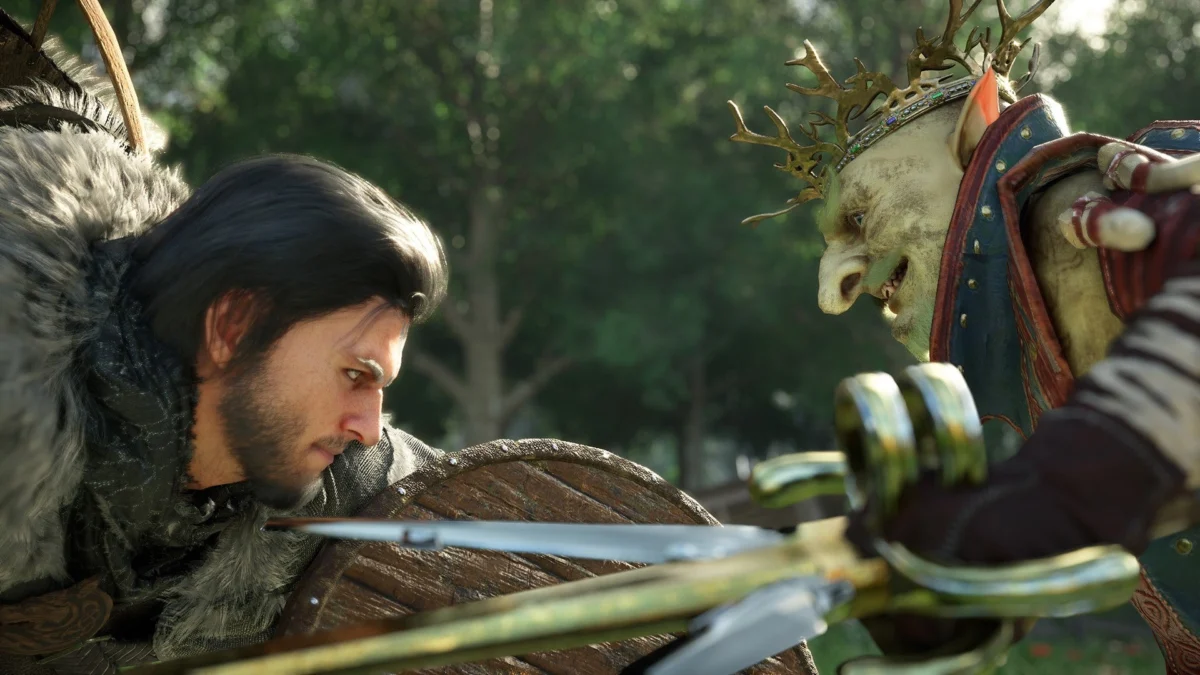
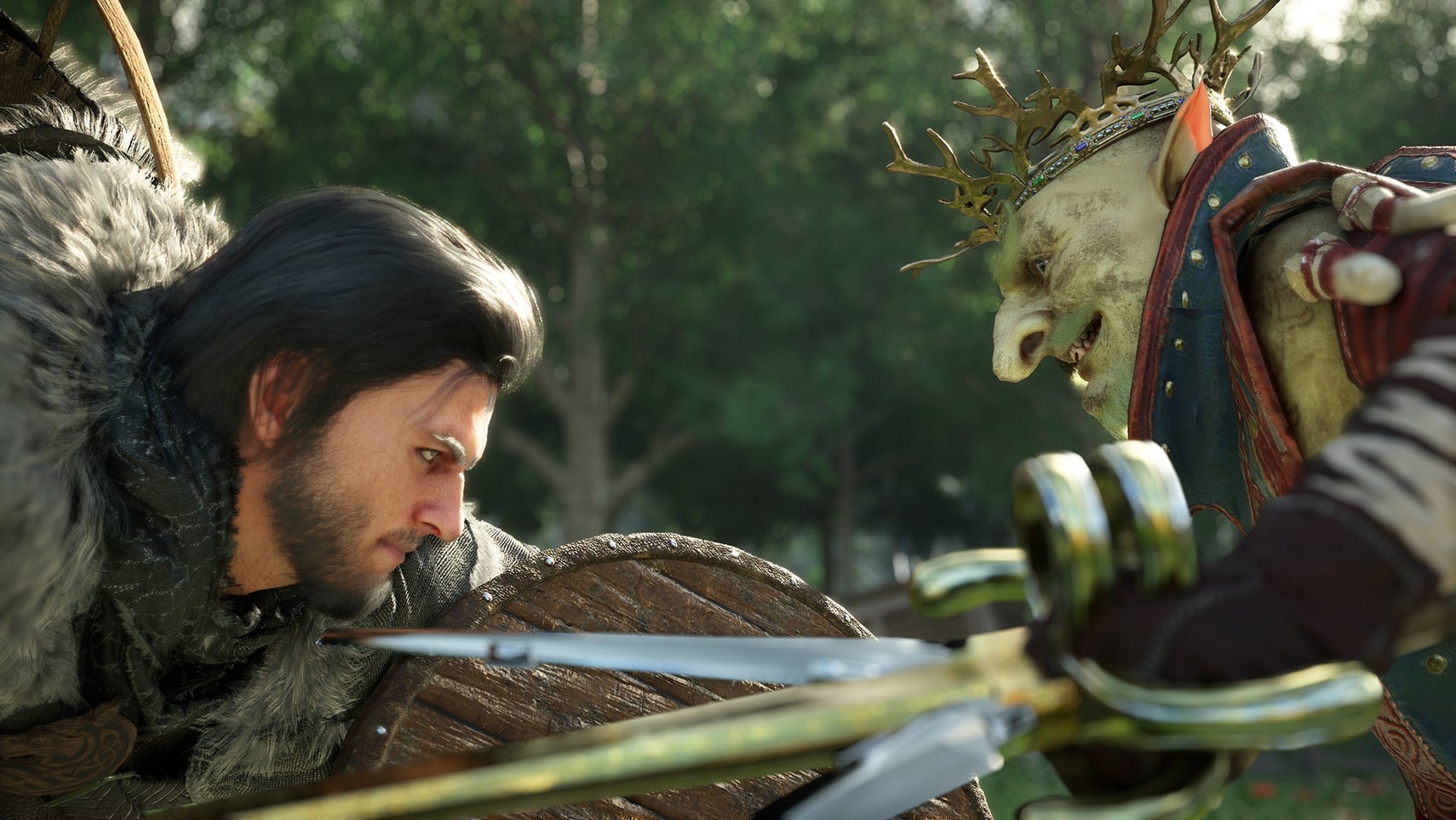
The first quarter of 2026 has been defined by a ferocious competition for player attention, and as the curtain falls on these opening months, one title has managed to cut through the noise with undeniable force: Crimson Desert. Six years after its initial announcement sent shockwaves through the industry, Pearl Abyss’s ambitious open-world action RPG has finally arrived on PC and console storefronts. It is a launch defined by immense commercial success, impressive technical reach, and a lingering sense of critical division that has become the hallmark of the Black Desert franchise’s lineage.
The Long Road to Release: A Chronology of Anticipation
The journey of Crimson Desert has been anything but conventional. When Pearl Abyss first unveiled the project back in 2020, it was framed as a direct successor to the lore and scale of their flagship MMO, Black Desert Online. However, as development progressed, the vision shifted from a traditional multiplayer experience to a sprawling, single-player-focused action RPG that promised to push the boundaries of current-generation hardware.
Over the past six years, the title became a perennial presence at industry trade shows. From the early "reveal trailers" that showcased stunning proprietary engine technology to the recent hands-on previews at Gamescom and G-Star, the game’s marketing cycle was a masterclass in building hype. It survived multiple delays—a common hurdle for titles of this magnitude—and emerged in early 2026 as one of the most wishlisted games on Steam.
In the weeks leading up to the launch, the momentum was palpable. For six consecutive weeks, Crimson Desert maintained a top-100 position on Steam’s global sales charts. In the final seven days before the official release, it surged to the number one spot, signaling that consumer confidence in Pearl Abyss’s ability to deliver a "triple-A" experience remained unshaken despite the long wait.
The Numbers Game: How Crimson Desert Compares to 2026’s Titans
The commercial impact of the game’s launch is undeniable. Within 24 hours of its debut on Steam and the Epic Games Store, Crimson Desert recorded a peak concurrent player count of 239,045 on Steam alone, according to SteamDB. This figure cements its status as a massive financial success for Pearl Abyss, effectively placing it in the upper echelon of the Q1 2026 gaming landscape.
However, context is vital when analyzing these numbers. The first quarter of 2026 has been an exceptionally crowded field.
- The Slay the Spire 2 Juggernaut: Leading the pack remains Slay the Spire 2, which shattered records with a staggering 574,638 concurrent players, proving that the roguelike genre continues to dominate the cultural conversation.
- Resident Evil’s Dominance: Capcom’s Resident Evil 9: Revenant Shadows set the benchmark earlier in the quarter, reaching a peak of 344,214, a figure that stood as the year’s high-water mark for several weeks.
- The Mid-Tier Battleground: Crimson Desert sits comfortably above the "mid-tier" major releases, significantly outperforming titles like Nioh 3 (88,045) and the service-shooter Marathon (88,337).
While Crimson Desert did not dethrone the absolute leaders, its ability to maintain a quarter-million concurrent user base at launch—especially as a new IP—validates the investment Pearl Abyss poured into its global marketing strategy.
Critical Reception: A Tale of Two Experiences
Despite the strong sales figures, the critical response has been strikingly bifurcated. In professional reviews, the game has struggled to achieve the "universal acclaim" status usually reserved for genre-defining titles. Our own review, which awarded the game three stars, characterized it as a project that "lacks the connective sinew to be truly functional."
This sentiment is echoed across various outlets. Critics have frequently pointed to a "feature creep" problem: Crimson Desert is a game that attempts to do everything—simulating survival, high-octane melee combat, political intrigue, and complex crafting—all at once. Many reviewers noted that while individual systems are technically impressive, they often clash, leading to a gameplay loop that feels fragmented rather than cohesive.
Furthermore, the "mechanical density" of the game has been a point of contention. New players are often met with poorly explained systems and counterintuitive control schemes that demand a steep learning curve. This frustration has spilled over into the community, where the Steam user review score sits at "Mixed" with over 8,700 reviews submitted in the first day.
Common user complaints focus on the "clunky" nature of the combat transitions and the feeling that the game is a "jack of all trades, master of none." As one prominent user review stated, the game "miserably tries to be everything at once, and fails to be anything at all."
Official Responses and Developer Strategy
Pearl Abyss has remained largely composed in the face of the mixed critical reception. Historically, the developer has maintained a "long-tail" philosophy regarding its games. Much like Black Desert Online, which saw significant iterations and improvements over a decade of service, the studio likely views Crimson Desert as a living platform rather than a static product.

There has been no official statement regarding the specific critiques of the control scheme, but industry insiders suggest that "Day One" patches are already in the works to address the most egregious technical issues. The studio’s focus, for now, appears to be on stability and server capacity, ensuring that the influx of players—who are currently navigating the game’s complex systems—can access the content without frustration.
For those determined to master the world of Crimson Desert, the developer has released a series of community-led guides and "official" tips, emphasizing the importance of prioritizing specific skill unlocks—such as the Abyss Artifacts—to mitigate early-game difficulty.
The Broader Implications: What Does This Mean for the Industry?
The performance of Crimson Desert highlights a growing trend in the industry: the "Big Budget Disconnect." We are seeing an increasing number of massive, high-fidelity titles released to commercial success but critical apathy or frustration. Players are clearly hungry for spectacle, as evidenced by the high sales, but there is an increasing demand for "game feel" and mechanical polish that developers are finding harder to satisfy as games become more complex.
Furthermore, the success of Crimson Desert proves that brand loyalty and marketing momentum can effectively shield a title from a lukewarm critical reception in its opening days. However, the true test will be the "retention metric." Can Pearl Abyss turn the current "Mixed" sentiment into "Very Positive" through updates, balance patches, and community engagement?
If they succeed, Crimson Desert could become the next long-term pillar of the action RPG genre. If they fail to address the fundamental mechanical friction that players are currently reporting, the game risks being remembered as a technical marvel that lacked the soul to keep its audience engaged beyond the launch window.
As we move toward the second quarter of 2026, all eyes will be on the player retention data. For now, Crimson Desert stands as a monumental, if flawed, achievement—a testament to what a massive team can build, and a reminder that, in the world of game development, bigger is not always better.


 Asro
Asro
 Muslim